


1. Introduction
Kidney Bean Extracts have gained significant attention in various industries, including the food, pharmaceutical, and cosmetic sectors. The production of pure isolates from kidney beans involves a series of carefully crafted processing and extraction techniques. These techniques are crucial for obtaining high - quality extracts with specific properties and applications. This article aims to explore these techniques in detail, providing valuable information for industries and researchers involved in Kidney Bean Extract production.
2. Raw Material Selection
The first step in producing pure kidney bean isolates is the careful selection of raw materials. Quality of Kidney Beans: High - quality kidney beans should be free from mold, pests, and physical damage. They should have a consistent size, color, and texture. Different varieties of kidney beans may also have different chemical compositions, so the choice of variety depends on the intended use of the extract. For example, some varieties may be richer in certain bioactive compounds. Source and Origin: It is important to consider the source and origin of the kidney beans. Beans sourced from regions with good agricultural practices and minimal environmental pollution are generally preferred. Organic kidney beans may also be a better choice for some applications, especially in the food and cosmetic industries where purity and safety are of high concern.
3. Pretreatment of Kidney Beans
3.1 Cleaning
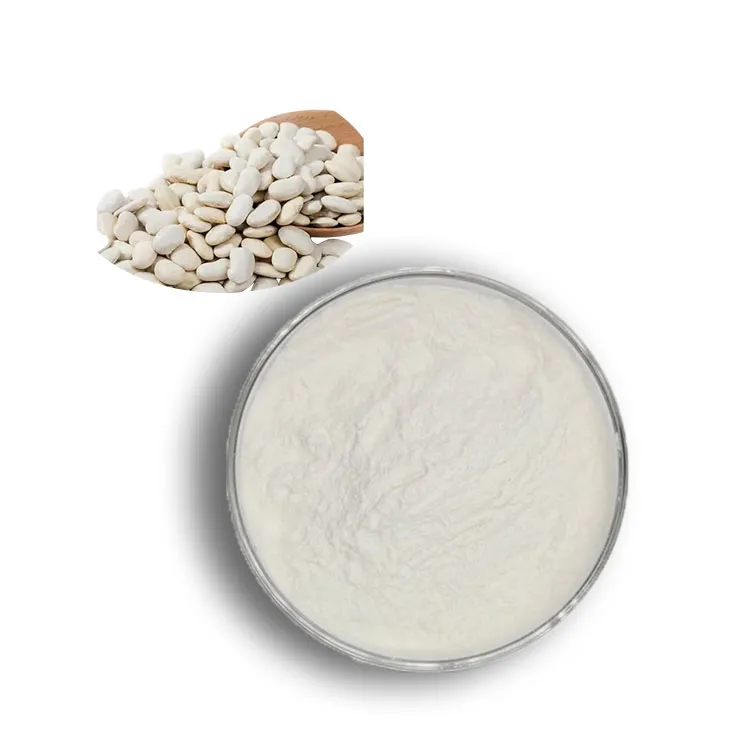
Before any extraction process, kidney beans need to be thoroughly cleaned. This involves removing any dirt, debris, and foreign particles adhered to the surface of the beans. Washing Methods: Simple washing with clean water can be effective, but in some cases, a more thorough cleaning may be required. For example, soaking the beans in water for a short period followed by gentle agitation can help dislodge stubborn dirt. After washing, the beans should be drained well to remove excess water.
3.2 Sorting
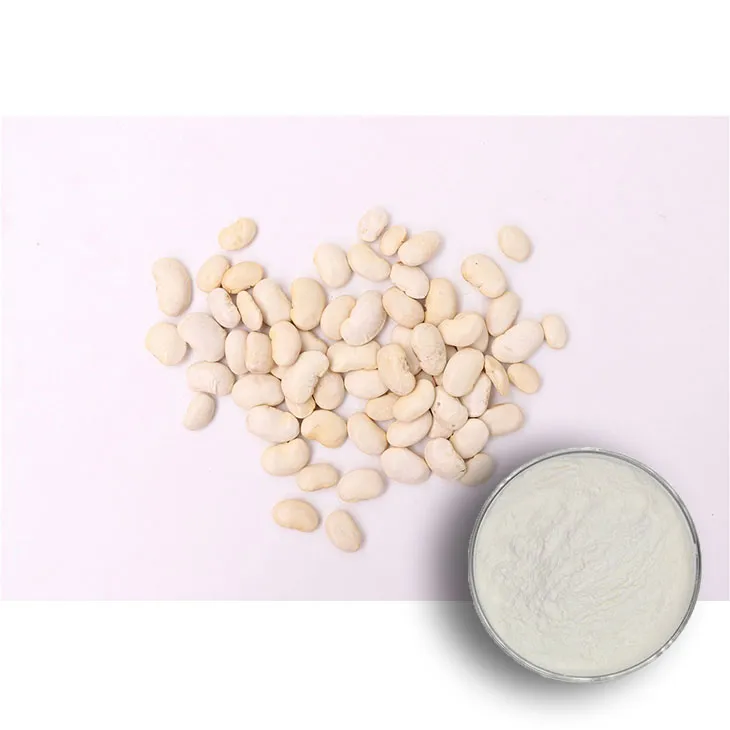
Sorting is an important step to ensure the uniformity of the raw materials. This can be done manually or using mechanical sorting devices. Manual Sorting: Workers can visually inspect the beans and remove any beans that are discolored, damaged, or otherwise not suitable for extraction. Mechanical Sorting: Machines can be used to sort beans based on size, shape, and density. This helps to ensure that only high - quality beans are used for the extraction process.
3.3 Drying
After cleaning and sorting, the kidney beans may need to be dried. Drying Methods: There are several drying methods available, such as air drying, sun drying, and oven drying. Air drying is a natural and cost - effective method, but it may take longer. Sun drying can also be used, but it requires suitable weather conditions. Oven drying is a more controlled method, which can be used to quickly reduce the moisture content of the beans. The moisture content of the dried beans should be carefully controlled to ensure the success of the subsequent extraction process.
4. Extraction Techniques
4.1 Solvent Extraction
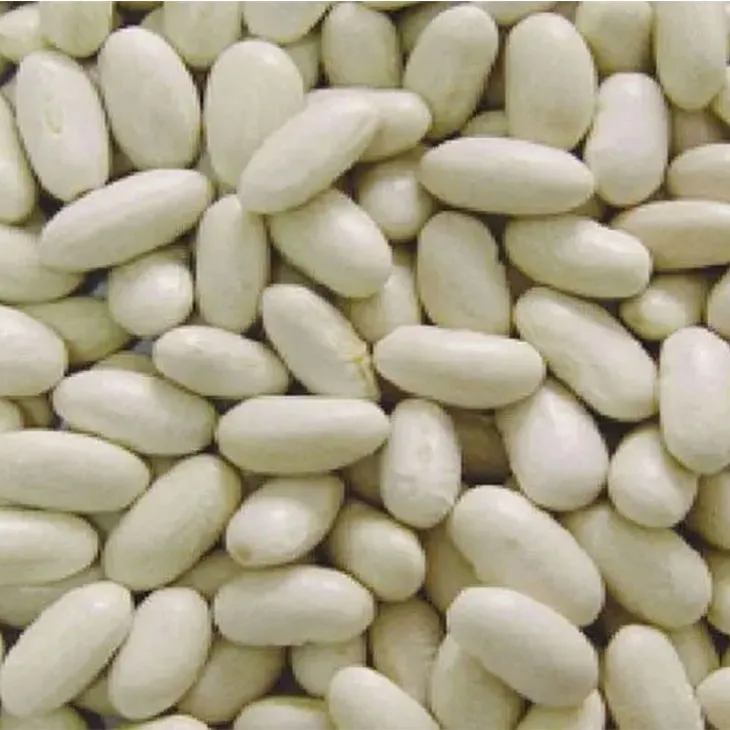
Solvent extraction is one of the most commonly used methods for extracting compounds from kidney beans. Choice of Solvent: The choice of solvent depends on the nature of the compounds to be extracted. For example, polar solvents such as ethanol or methanol are often used to extract polar compounds, while non - polar solvents like hexane may be used for non - polar compounds. Extraction Process: The kidney beans are usually ground into a fine powder before extraction. The powder is then mixed with the solvent in a suitable container. The mixture is stirred or shaken for a certain period to allow the solvent to dissolve the desired compounds. After that, the mixture is filtered to separate the solvent - extract solution from the solid residue.
4.2 Supercritical Fluid Extraction
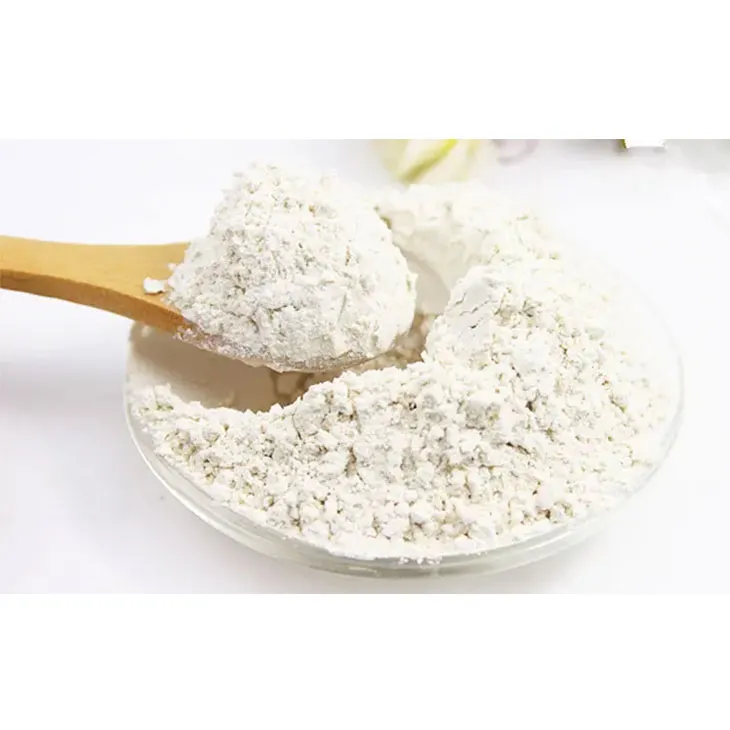
Supercritical fluid extraction (SFE) is a more advanced extraction technique. Properties of Supercritical Fluids: Supercritical fluids, such as supercritical carbon dioxide (scCO₂), have unique properties. They have the diffusivity of a gas and the density of a liquid, which allows for efficient extraction. SFE Process: In SFE, the kidney bean powder is placed in an extraction vessel. Supercritical carbon dioxide is pumped into the vessel at high pressure and a specific temperature. The scCO₂dissolves the target compounds from the bean powder. By changing the pressure and temperature, the solubility of the compounds in scCO₂ can be controlled, and the extract can be separated from the supercritical fluid.
4.3 Enzymatic Extraction
Enzymatic extraction is a relatively new and environmentally friendly method. Enzymes Used: Specific enzymes are used to break down the cell walls of kidney beans, facilitating the release of intracellular compounds. For example, cellulases and pectinases can be used. Extraction Procedure: The kidney beans are first soaked in a buffer solution containing the appropriate enzymes. The mixture is incubated at a specific temperature and pH for a certain period. During this time, the enzymes act on the cell walls, and the compounds are released into the solution. After incubation, the solution is filtered to obtain the enzyme - extract.
5. Purification and Isolation of Extracts
5.1 Filtration and Centrifugation
After the initial extraction, the extract solution often contains solid particles and impurities. Filtration: Filtration can be used to remove larger solid particles. There are different types of filters available, such as filter papers, membrane filters, and sintered filters. The choice of filter depends on the size of the particles to be removed. Centrifugation: Centrifugation is used to separate finer particles and components with different densities. By spinning the extract solution at high speed in a centrifuge, heavier particles are forced to the bottom of the centrifuge tube, while the supernatant containing the extract can be collected.
5.2 Chromatography
Chromatography is a powerful technique for purifying and isolating specific compounds from Kidney Bean Extracts. Types of Chromatography: There are several types of chromatography that can be used, such as column chromatography, thin - layer chromatography, and high - performance liquid chromatography (HPLC). Column Chromatography: In column chromatography, the extract is loaded onto a column filled with a stationary phase. A mobile phase is then passed through the column, and different compounds in the extract are separated based on their affinity for the stationary and mobile phases. HPLC: HPLC is a more advanced form of chromatography that offers high resolution and sensitivity. It can be used to separate and purify very similar compounds in Kidney Bean Extracts.
5.3 Crystallization
Crystallization can be used to obtain pure isolates from Kidney Bean Extracts. Crystallization Process: The extract solution is concentrated to a certain degree, and then the conditions are adjusted to induce crystallization. This may involve changing the temperature, pH, or adding a crystallization agent. The crystals that form are then separated from the mother liquor by filtration or centrifugation. The purity of the crystals can be further improved by repeated crystallization.
6. Quality Control and Analysis
6.1 Chemical Analysis
Chemical analysis is essential to determine the composition and quality of Kidney Bean Extracts. Analysis of Bioactive Compounds: Methods such as spectrophotometry, chromatography, and mass spectrometry can be used to analyze the presence and quantity of bioactive compounds in the extract. For example, HPLC can be used to quantify the amount of phenolic compounds in Kidney Bean Extracts. Analysis of Nutrients: Nutrient analysis is also important, especially for extracts intended for food or dietary supplement applications. Analyses of macronutrients (such as proteins, carbohydrates, and fats) and micronutrients (such as vitamins and minerals) can be carried out.
6.2 Microbiological Analysis
Microbiological analysis is necessary to ensure the safety of Kidney Bean Extracts. Testing for Microorganisms: Tests for the presence of bacteria, fungi, and other microorganisms are carried out. Standard microbiological methods, such as plate count methods and polymerase chain reaction (PCR) - based methods, can be used. Limit of Microbial Contamination: There are regulatory limits for microbial contamination in different industries. For example, in the food industry, strict limits are set for the number of viable bacteria and the presence of pathogenic microorganisms in food products.
6.3 Physical Analysis
Physical analysis helps to evaluate the physical properties of Kidney Bean Extracts. Analysis of Appearance and Color: The appearance and color of the extract can be visually inspected. Changes in color may indicate chemical or microbiological degradation. Analysis of Viscosity and Solubility: Viscosity and solubility are important physical properties that can affect the handling and application of the extract. These properties can be measured using appropriate instruments.
7. Conclusion
The production of pure isolates from Kidney Bean Extracts is a complex process that involves multiple steps, from raw material selection to quality control. Each step, including pretreatment, extraction, purification, and analysis, is crucial for obtaining high - quality extracts with specific properties. The techniques described in this article provide a comprehensive overview for industries and researchers interested in Kidney Bean Extract production. With continuous research and development, it is expected that more efficient and sustainable production methods will be developed in the future, further expanding the applications of Kidney Bean Extracts in various fields.
FAQ:
Q1: What are the initial steps in processing Kidney Bean Extracts?
The initial steps typically involve cleaning and sorting the raw kidney beans to remove any impurities, damaged beans, or foreign matter. Then, the beans may be ground or crushed to increase the surface area for further extraction processes.
Q2: Which solvents are commonly used in the extraction of Kidney Bean Extracts?
Common solvents used in Kidney Bean Extract extraction include ethanol, methanol, and water. Ethanol is often preferred as it can effectively extract the desired compounds while being relatively safe and easy to handle. However, the choice of solvent may also depend on the specific components of the kidney bean that are targeted for extraction.
Q3: How can one ensure the purity of the kidney bean isolates during the extraction process?
To ensure purity, multiple purification steps can be implemented. Filtration is used to remove large particles and debris. Chromatography techniques, such as column chromatography, can be employed to separate and purify the desired compounds from other substances present in the extract. Additionally, repeated extractions and careful control of extraction parameters like temperature, time, and solvent concentration also contribute to purity.
Q4: What are the main challenges in the processing and extraction of Kidney Bean Extracts?
One major challenge is the presence of complex matrices in kidney beans, which can make it difficult to isolate specific compounds. Another challenge is the potential degradation of active compounds during the extraction process due to factors like heat, pH, and exposure to air. Contamination from other substances during handling and extraction is also a concern, as it can affect the purity and quality of the final isolates.
Q5: How long does the entire process of Kidney Bean Extract production usually take?
The duration of the entire process can vary widely depending on factors such as the scale of production, the extraction methods used, and the number of purification steps. Small - scale laboratory extractions may take a few days to a week, while large - scale industrial production can take weeks to months, considering factors like batch processing, quality control checks, and the need for optimization of each step.
Related literature
- Kidney Bean Extract: Novel Processing Technologies for Enhanced Bioactive Compounds Recovery"
- "Optimization of Extraction Techniques for High - Purity Kidney Bean Extract Isolates"
- "Advanced Solvent Extraction in Kidney Bean Extract Production: A Review"


-

Grapefruit Seed Extract Powder
2024-12-06
-

Cocoa Extract
2024-12-06
-

Green coffee bean Extract
2024-12-06
-

Mulberry leaf Extract
2024-12-06
-

Vitamin B9 powder
2024-12-06
-

Eucommia Ulmoides Extract
2024-12-06
-

Citrus Aurantium Extract
2024-12-06
-

Lemon Extract
2024-12-06
-

Plantain extract
2024-12-06
-

Cassia Seed Extract
2024-12-06