


1. Introduction
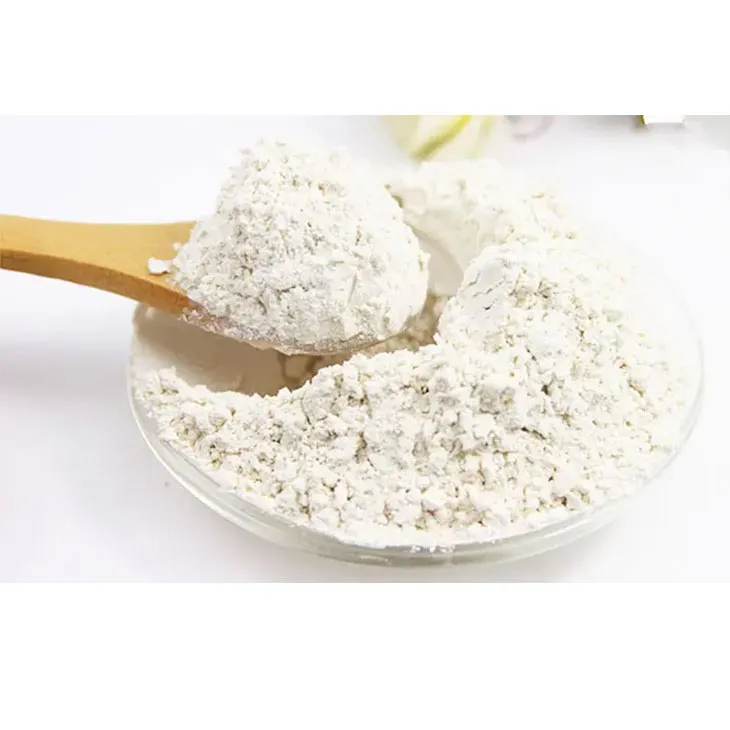
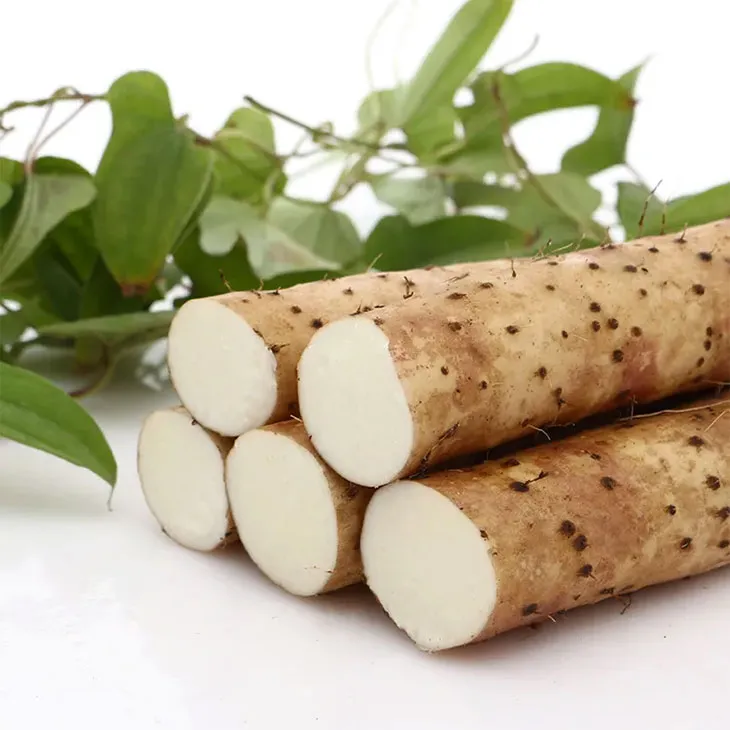
Natural Yam Extracts are rich in various beneficial components, such as polysaccharides, diosgenin, and other bioactive substances. However, they often face stability problems, which limit their wide application in the fields of food, medicine, and cosmetics. Stability is crucial for maintaining the quality and effectiveness of these extracts. This article aims to explore solutions to quickly address these stability defects from multiple perspectives.
2. Understanding the Chemical Composition of Natural Yam Extracts
2.1 Polysaccharides
Polysaccharides are important components in Yam Extracts. They are large molecules with complex structures. Polysaccharides are prone to degradation under certain conditions, such as exposure to high temperature, acidic or alkaline environments. Their stability can be affected by factors like the degree of polymerization and the type of glycosidic linkages. For example, if the polysaccharides have a high proportion of labile glycosidic linkages, they are more likely to break down when subjected to environmental stress.

2.2 Diosgenin
Diosgenin is a steroid saponin found in Yam Extracts. It has significant biological activities. However, it also has some chemical properties that may lead to stability issues. Diosgenin can be oxidized or hydrolyzed under inappropriate conditions. For instance, in the presence of oxygen and certain metal ions, it may undergo oxidation reactions, which can change its chemical structure and reduce its bioactivity.
3. Environmental Factors Affecting Stability

3.1 Temperature
High temperature is a major environmental factor that affects the stability of natural Yam Extracts. When exposed to elevated temperatures, the chemical bonds within the extract components can be broken. For example, the polysaccharides may lose their viscosity and functionality. The rate of chemical reactions, such as oxidation and hydrolysis, also increases with temperature. Therefore, it is important to control the temperature during the extraction, storage, and processing of Yam Extracts. Low - temperature storage can be an effective way to slow down these reactions and maintain stability.
3.2 pH
The pH of the environment also plays a crucial role in the stability of Yam Extracts. Extreme acidic or alkaline conditions can cause hydrolysis of polysaccharides and chemical changes in diosgenin. Different components in the extract may have different optimal pH ranges for stability. For example, some polysaccharides may be more stable in a slightly acidic environment, while diosgenin may be more stable at a near - neutral pH. Therefore, it is necessary to adjust the pH of the extract system to ensure the stability of the overall extract.
3.3 Light
Light, especially ultraviolet light, can initiate photochemical reactions in natural Yam Extracts. These reactions can lead to the degradation of components such as polysaccharides and diosgenin. Light - shielding packaging can be used to protect the extracts from light exposure. For example, using amber - colored bottles or opaque packaging materials can effectively block ultraviolet light and visible light, thereby reducing the photodegradation of the extracts.
4. Solutions for Improving Stability
4.1 Optimization of Extraction Methods
- The choice of extraction solvents can significantly affect the stability of the resulting extract. For example, using solvents with appropriate polarity can help to selectively extract the desired components while minimizing damage to their structures. Green solvents such as ethanol - water mixtures are often preferred as they are relatively mild and can reduce the potential for chemical reactions during extraction.
- Extraction parameters such as extraction time, temperature, and pressure also need to be optimized. Shorter extraction times and lower extraction temperatures can help to preserve the integrity of the components in the Yam Extract. For example, using a cold - extraction method can reduce the exposure of the extract to high temperatures, thereby improving its stability.
4.2 Additives for Stability Enhancement
- Antioxidants can be added to prevent the oxidation of components in the Yam Extract. Natural antioxidants such as Vitamin C, vitamin E, and polyphenols are good choices. For example, adding a small amount of Vitamin C can scavenge free radicals and protect diosgenin from oxidation.
- Stabilizers can also be used to improve the stability of polysaccharides. For instance, some gums like xanthan gum or guar gum can increase the viscosity of the extract solution, which helps to prevent the aggregation and precipitation of polysaccharides, thus enhancing their stability.
4.3 Formulation Design
- In the formulation of products containing Yam Extracts, appropriate carriers can be selected. For example, in the development of a yam - extract - based cosmetic, using lipid - based carriers can protect the extract from environmental factors. Lipid carriers can form a protective layer around the extract components, reducing their exposure to water, oxygen, and light.
- The use of encapsulation techniques can also improve the stability of Yam Extracts. Microencapsulation can enclose the extract within a protective shell. For example, using biodegradable polymers for encapsulation can protect the extract from degradation during storage and release it in a controlled manner during application.
5. Quality Control and Monitoring
- Regular quality control checks are essential to ensure the stability of natural Yam Extracts. Analytical methods such as high - performance liquid chromatography (HPLC) can be used to monitor the chemical composition of the extracts over time. By comparing the chromatograms at different time points, any changes in the components can be detected early.
- Stability testing under different conditions should also be carried out. This includes accelerated stability tests at elevated temperatures and humidities, as well as long - term stability tests at normal storage conditions. The results of these tests can provide valuable information for predicting the shelf - life of the extracts and for optimizing the production and storage processes.
6. Conclusion
To quickly solve the stability defects of natural Yam Extracts, a comprehensive understanding of their chemical composition and the environmental factors affecting stability is required. By optimizing extraction methods, using additives, designing appropriate formulations, and implementing strict quality control and monitoring, the stability of natural Yam Extracts can be effectively improved. This will not only enhance their quality and effectiveness but also expand their application potential in various industries.
FAQ:
Q1: What are the main chemical components in natural Yam Extract that may affect its stability?
The main chemical components in natural Yam Extract that can influence its stability include polysaccharides, saponins, and flavonoids. Polysaccharides may be subject to hydrolysis under certain conditions, which can change their molecular structure and affect stability. Saponins can be affected by factors like pH and temperature, and flavonoids are sensitive to oxidation, which can all lead to instability of the extract.
Q2: How does temperature impact the stability of natural Yam Extract?
Temperature has a significant impact on the stability of natural Yam Extract. High temperatures can accelerate chemical reactions such as hydrolysis and oxidation. For example, high heat may cause the degradation of polysaccharides and saponins, changing their properties and reducing the effectiveness of the extract. On the other hand, extremely low temperatures may also cause some components to precipitate or undergo phase changes, affecting the overall stability.
Q3: What role does pH play in the stability of natural Yam Extract?
The pH value is crucial for the stability of natural Yam Extract. Different chemical components in the extract have different optimal pH ranges. For instance, saponins may be more stable in a slightly acidic to neutral pH range. If the pH deviates from this range, it can lead to hydrolysis or structural changes of saponins. Flavonoids are also sensitive to pH changes; in an alkaline environment, they are more likely to be oxidized, thereby affecting the stability of the entire extract.
Q4: Are there any additives that can enhance the stability of natural Yam Extract?
Yes, there are certain additives that can enhance the stability of natural Yam Extract. Antioxidants, for example, can prevent the oxidation of components such as flavonoids. Some stabilizers like polysaccharide gums can also help to maintain the physical stability of the extract by preventing precipitation or phase separation. Additionally, chelating agents can be used to bind metal ions that may catalyze degradation reactions, thus improving the stability.
Q5: How can packaging affect the stability of natural Yam Extract?
Packaging has a direct impact on the stability of natural Yam Extract. Packaging materials that are impermeable to oxygen, moisture, and light are preferred. Oxygen can cause oxidation of components in the extract, moisture can lead to hydrolysis and microbial growth, and light can initiate photochemical reactions. For example, using amber - colored glass bottles or aluminum - laminated pouches can protect the extract from light - induced degradation, and proper sealing can prevent the ingress of moisture and oxygen, thereby enhancing stability.
Related literature
- Stability Studies of Natural Plant Extracts: Focus on Yam Extract"
- "Chemical Composition and Stability of Natural Yam Extracts in Different Environments"
- "Enhancing the Stability of Bioactive Compounds in Natural Yam Extract"


-

Fenugreek Extract Powder
2024-12-21
-

Coconut Water Powder
2024-12-21
-

L-Theanine Powder
2024-12-21
-

Yohimbine Bark Extract
2024-12-21
-

Konjac Powder
2024-12-21
-

Bladder horn extract powder
2024-12-21
-

Medicinal Marshmallow Extract
2024-12-21
-

Peppermint Oil
2024-12-21
-

Natural grape seed extract
2024-12-21
-

Dandelion Leaf Extract
2024-12-21