


1. Introduction
Ginkgo Biloba Extract has gained significant attention in the global market due to its various health - promoting properties. In China, the production and price of Ginkgo Biloba Extract are influenced by multiple factors. Understanding these factors is crucial for stakeholders in the industry, including producers, suppliers, and consumers. This article will explore how raw material availability, technological advancements, and international market influence play a role in shaping the price of Ginkgo Biloba Extract in China.
2. Raw Material Availability
2.1. Ginkgo Biloba Tree Cultivation
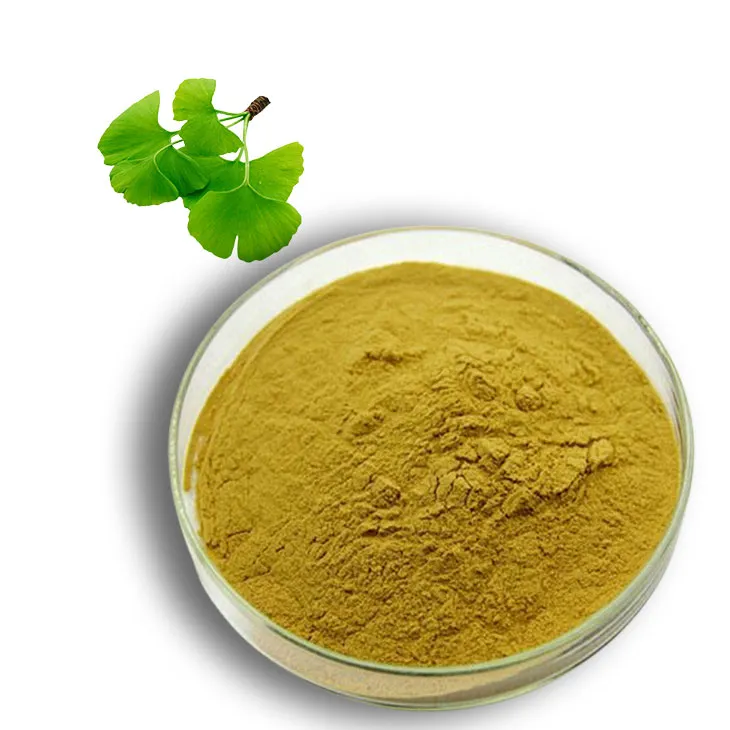
The Ginkgo biloba tree is the primary source of raw material for Ginkgo Biloba Extract. In China, the cultivation of Ginkgo biloba trees has a long history. However, the availability of high - quality raw materials is not always guaranteed. - The growth of Ginkgo biloba trees is affected by environmental factors such as climate, soil quality, and water availability. For example, drought or excessive rainfall can have a negative impact on the growth and yield of Ginkgo biloba trees. - The geographical distribution of Ginkgo biloba trees in China is relatively concentrated in certain regions. This means that any local environmental disasters or changes in land use in these regions can significantly affect the overall raw material supply.
2.2. Harvesting and Collection
- The harvesting time of Ginkgo biloba leaves is crucial. If the leaves are harvested too early or too late, the content of active ingredients in the leaves may be sub - optimal. This can lead to a decrease in the quality of the raw material and ultimately affect the price of the extract. - The collection process also requires proper handling to prevent damage to the leaves. Improper collection methods can result in a reduction in the quantity and quality of the raw material.
2.3. Seasonal and Annual Variations
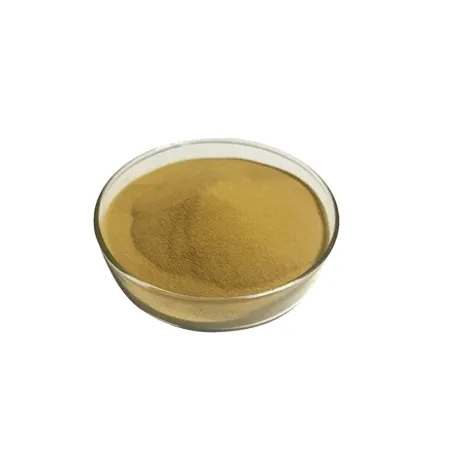
- Seasonal changes have a direct impact on the availability of Ginkgo biloba leaves. For instance, in autumn, when the leaves are about to fall, is the optimal harvesting time. However, factors such as early frost or strong winds can cause leaves to fall prematurely, reducing the amount of raw material available. - Annual variations in weather conditions can also lead to fluctuations in the yield of Ginkgo biloba trees. A year with unfavorable weather may result in a lower supply of raw materials, which in turn can drive up the price of Ginkgo Biloba Extract.3. Technological Advancements

3.1. Extraction Techniques
- Traditional extraction methods may have lower extraction efficiency and higher production costs. With the development of modern extraction techniques, such as supercritical fluid extraction and microwave - assisted extraction, the extraction rate of active ingredients from Ginkgo biloba leaves can be significantly improved. - These advanced extraction techniques can also help to reduce the impurity content in the extract, improving the quality of the product. When the quality of the Ginkgo Biloba Extract is enhanced, it may have an impact on its price. In general, higher - quality products tend to command a higher price in the market.

3.2. Quality Control and Standardization
- Technological advancements have enabled more precise quality control in the production of Ginkgo Biloba Extract. Through advanced analytical instruments, producers can accurately measure the content of active ingredients, such as flavonoids and terpenoids, in the extract. - Standardization of production processes is also crucial. By following strict quality control and standardization procedures, producers can ensure the consistency of product quality. This can enhance the market competitiveness of Ginkgo Biloba Extract and may influence its price. A product with reliable quality is more likely to be accepted by consumers at a reasonable price.
3.3. Research and Development
- Continuous research and development in the field of Ginkgo Biloba Extract have led to new findings on its health benefits. For example, recent studies have suggested that Ginkgo Biloba Extract may have potential effects on cognitive function improvement and cardiovascular protection. - These new research findings can increase the market demand for Ginkgo Biloba Extract. As the demand rises, producers may adjust the price accordingly, depending on the production costs and market competition situation.4. International Market Influence
4.1. Export and Import Trends
- China is one of the major exporters of Ginkgo Biloba Extract in the world. The export volume and price are affected by international market demand. For example, in recent years, the increasing demand for natural health products in Western countries has driven the export of Ginkgo Biloba Extract from China. - At the same time, China also imports some related products or raw materials for further processing or research. The import situation can also influence the domestic price of Ginkgo Biloba Extract. If the import price of certain key raw materials or advanced extraction equipment is high, it may increase the production cost and thus affect the final price of the extract.
4.2. International Competition
- In the international market, China faces competition from other countries in the production and export of Ginkgo Biloba Extract. Some countries may have lower production costs due to differences in labor, raw material, or policy advantages. - To maintain competitiveness, Chinese producers may need to adjust their production strategies, including price strategies. If they want to expand their market share in the international market, they may choose to lower the price to some extent. On the other hand, if they focus on the domestic high - end market, they may increase the investment in quality improvement and price the product at a higher level.
4.3. Exchange Rates and Trade Policies
- Fluctuations in exchange rates can have a significant impact on the price of Ginkgo Biloba Extract in the international market. A strong Chinese currency can make Chinese exports more expensive, while a weak currency can increase the competitiveness of exports. - Trade policies, such as tariffs and trade agreements, also play a role. For example, if a country imposes high tariffs on Chinese Ginkgo Biloba Extract imports, it may reduce the export volume and force producers to adjust their prices to maintain profitability.5. Conclusion
The price trend of Ginkgo Biloba Extract in China is influenced by a complex interplay of factors. Raw material availability, technological advancements, and international market influence all contribute to the price formation. Producers need to closely monitor these factors and adjust their production and marketing strategies accordingly. For consumers, understanding these factors can help them make more informed purchasing decisions. As the market continues to evolve, further research and analysis are needed to better predict and understand the price trends of Ginkgo Biloba Extract in China.
FAQ:
1. What are the main raw materials for Ginkgo Biloba Extract?
The main raw material for Ginkgo Biloba Extract is, of course, Ginkgo biloba leaves. The quality and quantity of these leaves available can significantly impact the production cost and, consequently, the price of the extract. For example, if there is a shortage of high - quality Ginkgo biloba leaves due to factors like poor harvests or increased competition for the raw material, the price of the extract may rise.
2. How do technological advancements affect the price of Ginkgo Biloba Extract?
Technological advancements can have both positive and negative impacts on the price. On one hand, improved extraction techniques can increase the efficiency of extracting the active compounds from Ginkgo biloba leaves. This can lead to a higher yield per unit of raw material, potentially reducing the cost of production and, in turn, the price of the extract. On the other hand, new technologies often require significant investment in research and development as well as in new equipment. These costs may be passed on to the consumers, initially causing a rise in the price until the technology becomes more widespread and cost - effective.
3. What role does the international market play in the price trend of Ginkgo Biloba Extract in China?
The international market has a substantial influence. If there is a high demand for Ginkgo Biloba Extract in international markets, Chinese producers may increase exports. This can lead to a shortage in the domestic market, causing prices to rise. Additionally, international competition can affect the price. If other countries start producing Ginkgo Biloba Extract more competitively, with lower costs or higher quality, it can put pressure on Chinese producers to either lower their prices or improve their product quality, which also impacts the price trend.
4. Are there any regulatory factors that can influence the price of Ginkgo Biloba Extract?
Yes, regulatory factors are important. Stringent regulations regarding the quality control, production processes, and safety standards of Ginkgo Biloba Extract can increase production costs. Producers need to invest in compliance, which may include things like better manufacturing facilities, quality testing equipment, and trained personnel. These additional costs can be reflected in the price of the extract. Moreover, changes in regulatory policies, such as new approval requirements for its use in certain products, can also affect the market demand and price.
5. How has the price of Ginkgo Biloba Extract changed over the past few years?
Over the past few years, the price of Ginkgo Biloba Extract has been somewhat volatile. In some periods, it has increased due to factors like a decrease in raw material supply or rising international demand. In other periods, prices have stabilized or even decreased slightly. For example, when new production technologies have been introduced, leading to increased production capacity and more competition among producers, prices may have dipped. However, overall, it has been subject to fluctuations based on the combined effects of various factors such as raw material availability, technological changes, and market demand both domestically and internationally.
Related literature
- The Ginkgo Biloba Extract Market: Trends and Forecasts"
- "Impact of Raw Material Sourcing on Ginkgo Biloba Extract Pricing"
- "Technological Innovations in Ginkgo Biloba Extract Production and Their Economic Implications"


-

Pomegranate Extract
2024-12-12
-

Lily extract
2024-12-12
-

Avocado Extract Powder
2024-12-12
-

Beetroot Powder
2024-12-12
-

Withania Somnifera Extract
2024-12-12
-

Honeysuckle Pollen
2024-12-12
-

Red Date Extract
2024-12-12
-

Sophora Japonica Flower Extract
2024-12-12
-

S-Adenosyl L-methionine(SAMe)
2024-12-12
-

L-Arginine
2024-12-12