


1. Introduction
Mulberry leaf Extract has gained significant attention in recent years in China, both in the domestic and international markets. It is rich in various bioactive components such as flavonoids and alkaloids, which endow it with multiple health - promoting properties, including anti - diabetic, antioxidant, and anti - inflammatory effects. As a result, it has wide applications in the pharmaceutical, food, and cosmetic industries. The price trend of Mulberry leaf Extract is not only a concern for producers and traders but also has implications for researchers and consumers. Understanding the factors influencing its price trend is crucial for making informed decisions in the relevant sectors.
2. Domestic market conditions
2.1 Supply - side factors
Production capacity: China is one of the largest producers of mulberry leaves in the world. The expansion of mulberry leaf cultivation areas in recent years has increased the raw material supply for Mulberry leaf Extract production. However, the production capacity of Mulberry leaf Extract is also affected by the processing technology and equipment of enterprises. Small - scale enterprises may have limited production capacity due to outdated equipment and lack of advanced extraction techniques.
Cost of raw materials: The price of mulberry leaves, as the main raw material for extract production, has a direct impact on the cost of Mulberry leaf Extract. Fluctuations in the price of mulberry leaves are affected by factors such as climate, pests, and diseases. For example, in years with severe drought or pest infestations, the yield of mulberry leaves may decrease, leading to an increase in their price.

2.2 Demand - side factors
Pharmaceutical industry: The pharmaceutical industry is a major consumer of Mulberry leaf Extract. With the increasing prevalence of diabetes and other chronic diseases, the demand for natural anti - diabetic drugs has risen. Mulberry leaf Extract, with its potential hypoglycemic effect, has attracted the attention of pharmaceutical companies. As research on its pharmacological effects deepens, the demand from the pharmaceutical industry is expected to continue to grow, which may drive up the price.
Food and beverage industry: In the food and beverage industry, Mulberry leaf Extract is used as a natural additive for its antioxidant and flavor - enhancing properties. The growing consumer preference for natural and healthy food products has led to an increase in the use of Mulberry leaf Extract in functional foods, teas, and beverages. This increasing demand also has an impact on its price.
Cosmetic industry: Mulberry leaf Extract is used in cosmetics for its antioxidant and skin - whitening effects. As the demand for natural and organic cosmetics continues to expand, the demand for Mulberry leaf Extract in the cosmetic industry is also on the rise. The high - end cosmetic market, in particular, is willing to pay a higher price for high - quality Mulberry leaf Extract.
3. Policy impacts
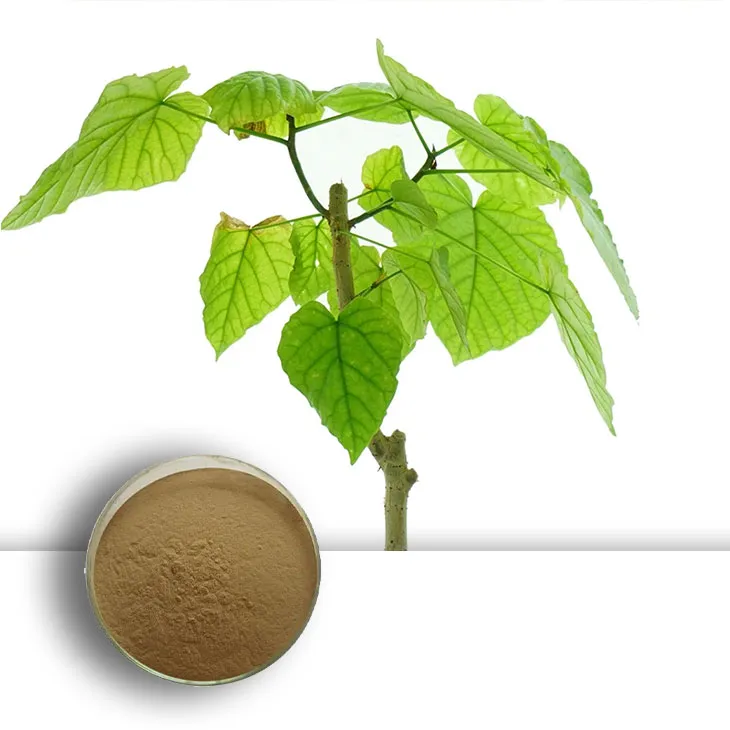
3.1 Agricultural policies
Government agricultural policies play an important role in the production of mulberry leaves. Subsidies for mulberry leaf cultivation can encourage farmers to expand the cultivation area, which may increase the supply of raw materials in the long run and have an impact on the price of Mulberry leaf Extract. For example, some local governments provide subsidies for the purchase of mulberry seedlings and fertilizers, which can reduce the production cost of mulberry leaves and potentially lower the cost of Mulberry leaf Extract.
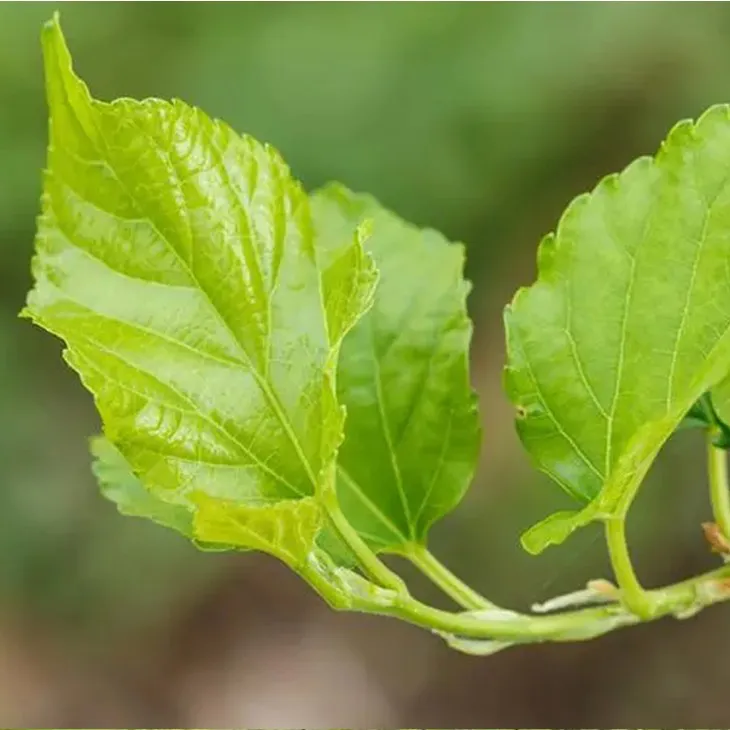
3.2 Regulatory policies in the health product industry
Regulatory policies in the health product industry also affect the price of Mulberry leaf Extract. Stringent regulatory requirements for the production, quality control, and marketing of health products containing Mulberry leaf Extract can increase the production cost of enterprises. For example, compliance with Good Manufacturing Practice (GMP) standards requires enterprises to invest in advanced production equipment and quality management systems, which may lead to an increase in the price of the final product.
4. Emerging trends in the industry
4.1 Technological innovation
New extraction technologies are emerging in the production of Mulberry leaf Extract. Advanced extraction techniques such as supercritical fluid extraction and ultrasonic - assisted extraction can improve the extraction efficiency and product quality of Mulberry leaf Extract. Although these new technologies may require higher initial investment, they can reduce production costs in the long run through increased productivity and improved product quality. This may have an impact on the price trend of Mulberry leaf Extract.
4.2 Market globalization
The globalization of the market has brought new opportunities and challenges for the Mulberry leaf Extract industry in China. On one hand, international markets offer broader sales channels for Chinese Mulberry leaf Extract products. On the other hand, competition from international producers also intensifies. In order to compete in the international market, Chinese enterprises need to improve product quality, reduce production costs, and comply with international standards. These factors will also influence the price of Mulberry leaf Extract.
5. Conclusion
In conclusion, the price trend of Mulberry leaf Extract in China is influenced by multiple factors, including domestic market conditions, policy impacts, and emerging trends in the industry. The supply - side factors such as production capacity and raw material cost, along with the demand - side factors from various industries, all play important roles. Policy measures at both the agricultural and health product regulatory levels also have an impact on the price. Moreover, emerging trends such as technological innovation and market globalization are changing the competitive landscape and cost - structure of the industry. To better predict and manage the price trend of Mulberry leaf Extract, producers, traders, and researchers need to closely monitor these factors and adapt to the changing market environment.
FAQ:
1. What are the main factors influencing the price trend of Mulberry leaf Extract in China?
The main factors include domestic market supply and demand. If the demand for Mulberry leaf Extract in industries such as pharmaceuticals, health products, and cosmetics increases while the supply remains relatively stable or grows at a slower pace, the price may rise. Policy also plays a role. For example, if there are new regulations on the production, quality control, or export of Mulberry leaf Extract, it can impact the cost and thus the price. Additionally, emerging trends in the industry, like new extraction technologies or changing consumer preferences, can also affect the price trend.
2. How does the domestic market condition affect the price of Mulberry leaf Extract?
The domestic market condition has a significant impact. If there is a large domestic demand for Mulberry leaf Extract in various sectors, such as for its use in traditional Chinese medicine preparations or as a dietary supplement ingredient, and the domestic production capacity is limited, the price will tend to increase. Conversely, if there is overproduction and weak domestic demand, the price may decline. Market competition among domestic producers also influences the price. Intense competition may lead to price - cutting strategies to gain market share.
3. What kind of policy impacts can be seen on the price of Mulberry leaf Extract?
Quality control policies can increase production costs. For example, if stricter quality standards are imposed on Mulberry leaf Extract production, producers may need to invest more in raw material selection, production processes, and quality testing, which can lead to an increase in the price. Tax policies also matter. Higher taxes on the production or export of Mulberry leaf Extract can raise its price. On the other hand, government subsidies for mulberry leaf cultivation or extract production can potentially lower the price by reducing production costs.
4. What are the emerging trends in the Mulberry leaf Extract industry that can influence its price?
One emerging trend is the development of more advanced extraction technologies. If a new extraction method can increase the yield and purity of Mulberry leaf Extract more efficiently, it may affect the supply - demand balance and price. Another trend is the growing awareness of its health benefits among consumers, which can lead to an increase in demand. If the industry can quickly respond to this increased demand through improved production capacity, the price may be stabilized; otherwise, it may rise. Also, the trend of international market integration may expose domestic Mulberry leaf Extract to more international competition, which can also impact the price.
5. How can producers and traders respond to the price trend of Mulberry leaf Extract?
Producers can respond by improving production efficiency. For example, by adopting new technologies to reduce production costs, they can better withstand price fluctuations. They can also focus on product differentiation, producing high - quality, specialized Mulberry leaf Extract products to target niche markets and potentially command higher prices. Traders can closely monitor market trends and build stable supply chains. By stocking up when prices are low and selling when prices are high, they can take advantage of price fluctuations. Additionally, they can explore international markets to diversify their business and reduce the impact of domestic price changes.
Related literature
- Study on the Market and Price Fluctuation of Mulberry leaf Extract in China"
- "The Impact of Industry Trends on Mulberry leaf Extract Pricing"
- "Policy and Mulberry leaf Extract Price in China: An Analysis"


-

Bilberry Extract
2025-01-08
-

L-Theanine Powder
2025-01-08
-

Bamboo Leaf extract
2025-01-08
-

Shikone Extract
2025-01-08
-

Cranberry Extract
2025-01-08
-

Black Rice Extract
2025-01-08
-

Moringa powder
2025-01-08
-

Polygonum Cuspidatum Extract
2025-01-08
-

Yam Extract
2025-01-08
-

Tongkat Ali Extract Powder
2025-01-08