


Cultivation: The Foundation of Quality
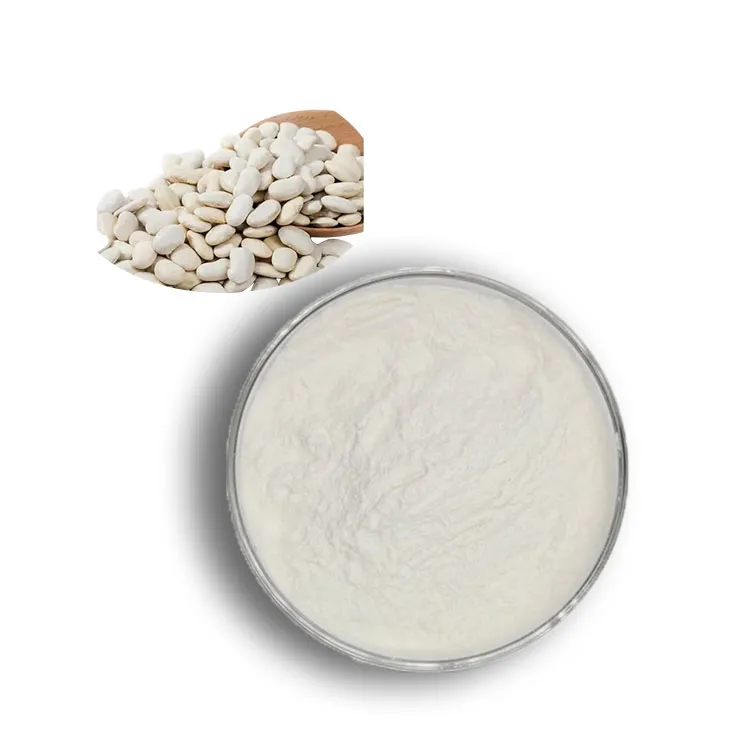
The cultivation of kidney beans plays a fundamental role in determining the quality of the extract powder in the B2B industry. Ideal growing conditions are essential for producing high - quality kidney beans, which are the raw materials for the extract.
Soil Quality
The type and quality of soil significantly influence the growth and nutrient content of kidney beans. Well - drained, fertile soil rich in organic matter provides an optimal environment for the beans to thrive. For example, soil with a balanced pH level (around 6 - 7) allows for better nutrient absorption by the kidney bean plants. Nutrients such as nitrogen, phosphorus, and potassium are crucial for the development of healthy beans. If the soil is deficient in these nutrients, the kidney beans may grow weakly and have a lower nutrient content, ultimately affecting the quality of the extract powder.
Climate Conditions
- Kidney beans are sensitive to climate. Adequate sunlight is necessary for photosynthesis, which is the process by which plants convert sunlight into energy and produce nutrients. In regions with sufficient sunlight, kidney beans can produce more sugars and other valuable compounds, contributing to a higher - quality extract.
- Temperature also plays a crucial role. Kidney beans generally prefer moderate temperatures. Extreme heat or cold can stress the plants and affect their growth and development. For instance, if the temperature is too high during the flowering stage, it may lead to poor pollination and reduced bean production. On the other hand, frost can damage the plants and reduce the overall yield and quality of the beans.
- Rainfall patterns are another important factor. Consistent and appropriate amounts of rainfall ensure that the kidney beans receive enough water without being waterlogged. Insufficient rainfall may require irrigation, but over - irrigation can lead to soil erosion and nutrient leaching, both of which can have a negative impact on the quality of the beans and, subsequently, the extract powder.
Farming Practices
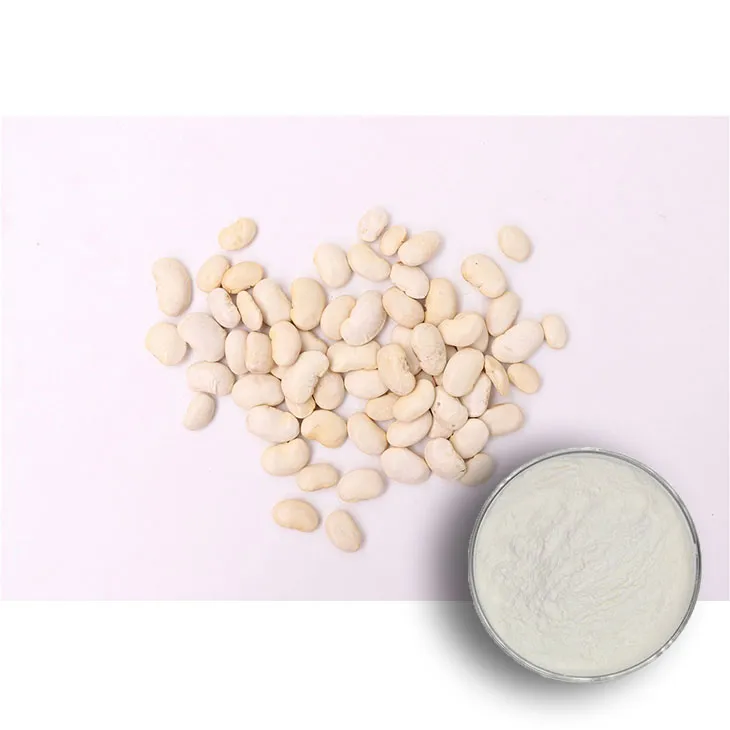
- Proper farming practices are vital for ensuring the quality of kidney beans. Crop rotation is one such practice. By rotating kidney beans with other crops, farmers can prevent the buildup of pests and diseases in the soil. For example, rotating kidney beans with cereals can break the life cycle of pests that specifically target kidney beans, reducing the need for pesticides and ensuring a healthier crop.
- Use of pesticides and fertilizers also needs to be carefully managed. While pesticides can protect the kidney beans from pests and diseases, excessive use can leave residues on the beans, which may be carried over to the extract powder. Similarly, the use of fertilizers should be based on soil testing to ensure that the beans receive the right amount of nutrients without over - fertilization, which can lead to imbalanced nutrient uptake and affect the quality of the beans.
- Harvesting at the right time is crucial. Kidney beans should be harvested when they are fully mature but not overripe. If harvested too early, the beans may not have developed their full nutrient potential. Conversely, if left too long, the beans may start to deteriorate, losing some of their valuable components. Timely harvesting ensures that the kidney beans have the highest possible nutrient content, which is then reflected in the quality of the extract powder.
The Extraction Process: A Key Determinant
In the B2B context, the extraction process is a critical factor in determining the quality of Kidney Bean Extract powder.
Advanced Extraction Technologies
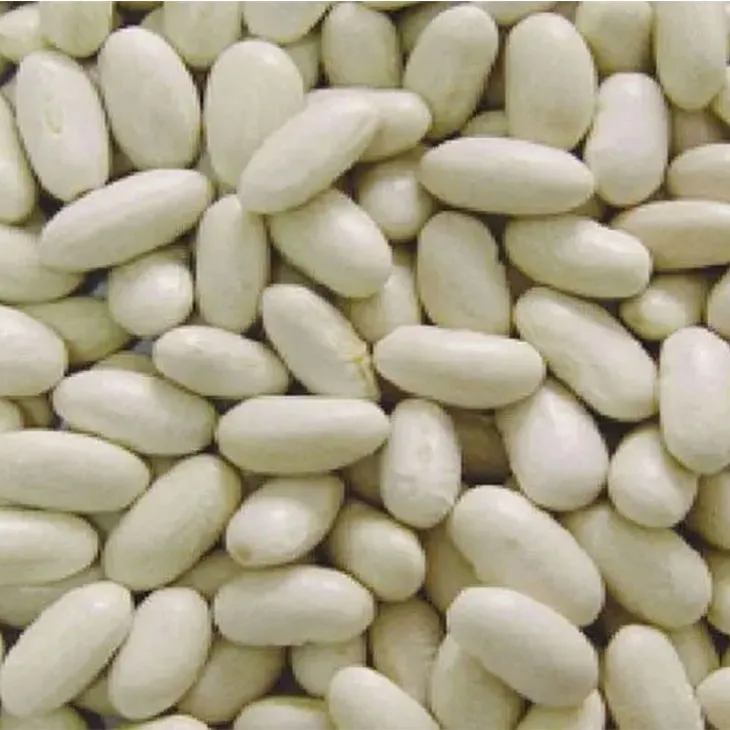
- Modern extraction technologies can extract more valuable components from kidney beans. For example, supercritical fluid extraction (SFE) is a sophisticated method that uses a supercritical fluid, such as carbon dioxide, as the solvent. This method has several advantages over traditional extraction methods. It can operate at lower temperatures, which helps to preserve the heat - sensitive active ingredients in the kidney beans. As a result, more of these valuable components are retained in the extract powder, enhancing its quality.
- Another technology is microwave - assisted extraction (MAE). This technique uses microwave energy to accelerate the extraction process. By selectively heating the plant material, MAE can increase the extraction efficiency of certain components. It can also reduce the extraction time, which further minimizes the potential for degradation of active ingredients. The use of these advanced extraction technologies in the B2B industry contributes to the production of high - quality Kidney Bean Extract powder.
Minimizing Active Ingredient Loss
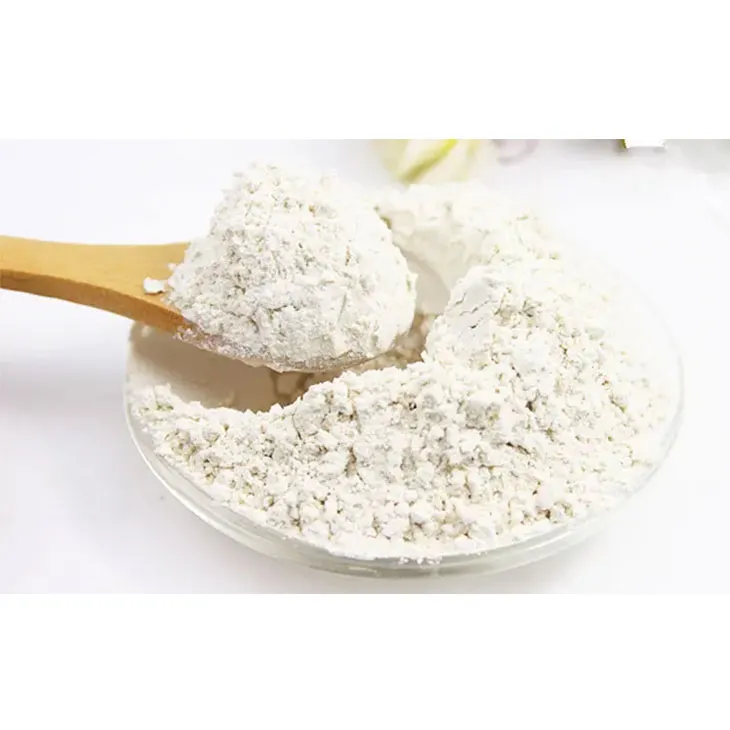
During the extraction process, it is essential to minimize the loss of active ingredients. This can be achieved through careful control of extraction parameters such as temperature, pressure, and extraction time. For instance, if the extraction temperature is too high, some of the active ingredients may be destroyed or degraded. By optimizing these parameters, manufacturers can ensure that the maximum amount of valuable components is extracted from the kidney beans and retained in the extract powder. Additionally, proper handling and storage of the extract powder after extraction are also important to prevent further loss of active ingredients. This may involve using appropriate packaging materials and storage conditions, such as low - temperature and low - humidity environments.
Competition in the B2B Market: Driving Quality Improvement
In the B2B market, competition among suppliers of Kidney Bean Extract powder is intense, and this competition acts as a strong driver for quality improvement.
Quality Assurance
- Companies in the B2B industry invest heavily in quality assurance to gain a competitive edge. This includes implementing strict quality control measures at every stage of the production process, from raw material sourcing to the final product. For example, they may conduct regular inspections of the kidney beans before extraction to ensure that they meet the required quality standards. During the extraction process, quality control checks are carried out to monitor the extraction efficiency and the quality of the extract powder.
- Certifications also play an important role in quality assurance. Many B2B customers require suppliers to have certain certifications, such as Good Manufacturing Practice (GMP) or ISO certifications. These certifications demonstrate that the company follows strict quality management systems and production standards. By obtaining these certifications, suppliers of Kidney Bean Extract powder can assure their customers of the high quality of their products.
Research on New Applications
- To stay competitive, companies in the B2B industry are constantly researching new applications for Kidney Bean Extract powder. This research not only expands the market for the product but also drives quality improvement. For example, if new applications in the pharmaceutical or cosmetic industries are discovered, the requirements for the quality of the extract powder may be more stringent. This encourages companies to improve their production processes and product quality to meet these new demands.
- Research on new applications may also lead to the discovery of new valuable components in Kidney Bean Extract powder. By understanding the potential of these components, companies can further optimize their extraction processes to ensure that these components are effectively extracted and utilized, thereby enhancing the overall quality of the product.
Product Innovation
- Product innovation is another aspect of competition in the B2B market. Companies are constantly looking for ways to improve their Kidney Bean Extract powder products. This may involve developing new formulations or product forms. For example, they may develop a more concentrated form of the extract powder with higher levels of active ingredients, or they may create a water - soluble form of the powder for easier use in certain applications.
- Innovation in packaging is also important. Packaging that provides better protection against environmental factors such as light, air, and moisture can help to preserve the quality of the Kidney Bean Extract powder during storage and transportation. By investing in product innovation, companies can differentiate their products from competitors and attract more B2B customers, while also improving the overall quality perception of the Kidney Bean Extract powder in the market.
FAQ:
Q1: What are the main factors affecting the quality of Kidney Bean Extract powder in the B2B industry?
The main factors include the cultivation of kidney beans and the extraction process. Ideal growing conditions for kidney beans, like proper soil, climate, and farming practices, lead to higher - nutrient kidney beans and thus better - quality extract. Sophisticated extraction technologies can extract more valuable components while reducing the loss of active ingredients.
Q2: How does the cultivation of kidney beans influence the quality of its extract powder in B2B?
Good cultivation conditions are crucial. Proper soil, climate, and farming practices ensure kidney beans have a higher nutrient content. Kidney beans with more nutrients can produce a higher - quality extract powder.
Q3: Why is the extraction process important for the quality of Kidney Bean Extract powder in B2B?
The extraction process is important because sophisticated extraction technologies can extract more valuable components from kidney beans. At the same time, it can minimize the loss of active ingredients, which directly affects the quality of the extract powder.
Q4: How does competition in the B2B market contribute to the high - quality perception of Kidney Bean Extract powder?
In the B2B market, competition drives companies to invest in quality assurance, research on new applications, and product innovation. These efforts contribute to the overall perception of Kidney Bean Extract powder as a high - quality product.
Q5: Are there any standards to measure the quality of Kidney Bean Extract powder in B2B?
There are likely various standards. These may include measures of the nutrient content, the purity of the extract, and the effectiveness of the active ingredients. However, specific standards can vary depending on the region and the intended use of the product.
Related literature
- Quality Assessment of Kidney Bean Extracts in the B2B Sector"
- "The Role of Kidney Bean Cultivation in Extract Quality for B2B"
- "Advanced Extraction Technologies and Kidney Bean Extract Powder Quality in B2B"


-

Cat Claw Extract
2024-12-18
-

Pine bark Extract Powder
2024-12-18
-

Stevia Extract
2024-12-18
-

L-Tyrosine
2024-12-18
-

Taurine
2024-12-18
-

Alisma Extract
2024-12-18
-

Yellow Pine Extract
2024-12-18
-

Polygonum multiflorum extract
2024-12-18
-

Purple Sweet Potato Extract
2024-12-18
-

Yohimbine Bark Extract
2024-12-18