


1. Introduction
In the realm of herbal medicine, both Jujube Extract and other herbal components play significant roles. Jujube, known as Ziziphus jujuba in botanical terms, has a long history of use in traditional medicine across different cultures. However, to understand which one might be more dominant, we need to explore various aspects such as their chemical composition, pharmacological effects, and cultural significance in different contexts.
2. Chemical Composition
2.1 Jujube Extract
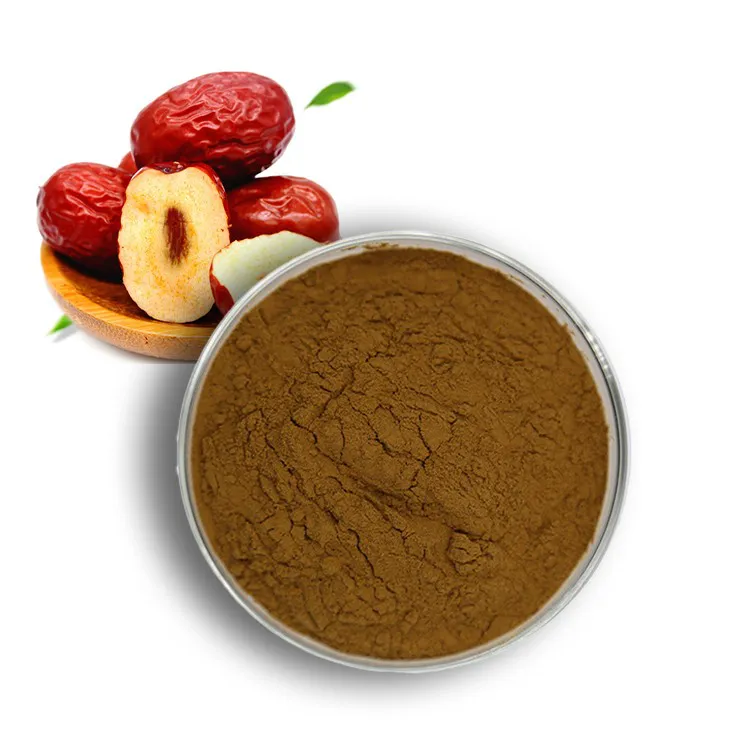
Jujube Extract contains a rich array of chemical components. Flavonoids are among the major constituents, which contribute to its antioxidant properties. For example, Rutin and Quercetin are flavonoids found in jujube. These compounds can scavenge free radicals in the body, protecting cells from oxidative damage. Jujube also contains triterpenic acids, like betulinic acid, which have been studied for their potential anti - inflammatory and anti - cancer activities. Additionally, it has polysaccharides that play a role in immune modulation.
2.2 Other Herbal Components
Let's take ginseng as an example of other herbal components. Ginseng contains ginsenosides, which are the most characteristic and bioactive components. These compounds are known for their adaptogenic properties, helping the body to adapt to stress. Another example is ginger, which contains gingerols and shogaols. Gingerols are responsible for the pungent taste of ginger and also possess anti - inflammatory and antioxidant properties. Shogaols are formed when gingerols are dehydrated and also have biological activities.
3. Pharmacological Effects

3.1 Jujube Extract
Sedative and Hypnotic Effects: Jujube Extract has been traditionally used to promote sleep and relieve anxiety. The flavonoids and other compounds in it may act on the central nervous system to produce a calming effect.
Immune - enhancing Effects: As mentioned before, the polysaccharides in jujube can stimulate the immune system. They can increase the activity of immune cells such as macrophages and lymphocytes, thus enhancing the body's defense against diseases.
Digestive Health: Jujube can also be beneficial for the digestive system. It may help to soothe the stomach, improve digestion, and relieve constipation or diarrhea in some cases.

3.2 Other Herbal Components
Ginseng: Due to the ginsenosides, ginseng has a wide range of pharmacological effects. It can improve cognitive function, enhance physical endurance, and regulate blood sugar levels. It is often used as a tonic to boost overall vitality.
Ginger: Ginger's anti - inflammatory effects are very prominent. It can be effective in reducing inflammation in the body, such as in cases of arthritis. It also has anti - nausea properties and is commonly used to relieve motion sickness and morning sickness in pregnant women.
4. Cultural Significance
4.1 Jujube in Different Cultures
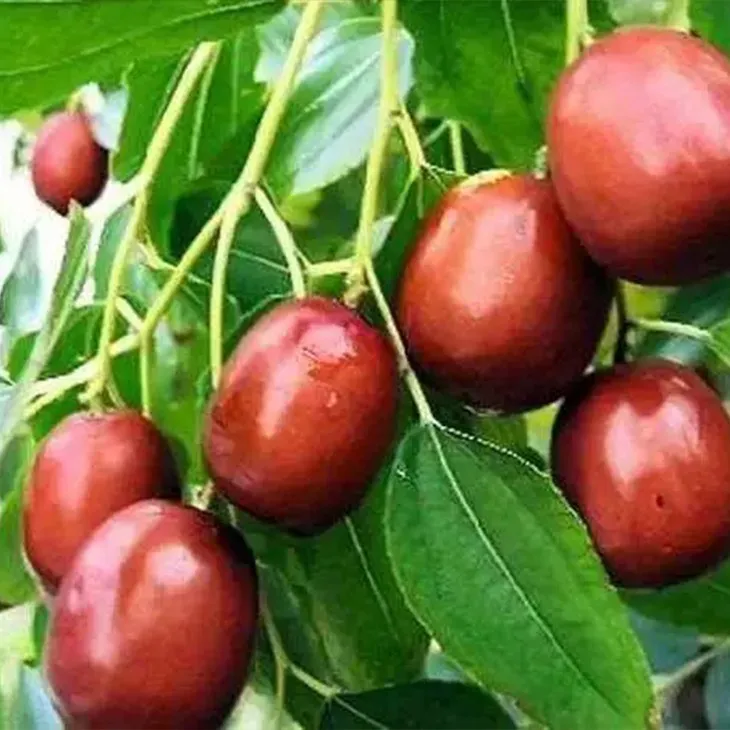
In Chinese culture, jujube is highly regarded. It is often associated with good luck, prosperity, and fertility. Jujube fruits are a common ingredient in traditional Chinese cuisine, especially during festivals. In traditional Chinese medicine, it has been used for thousands of years to treat various ailments.
In Middle Eastern cultures, jujube also has a long - standing presence. It is used in local cuisine and traditional medicine. For example, in some regions, jujube is used to make herbal teas for their health - promoting properties.
4.2 Other Herbal Components in Their Respective Cultures
Ginseng has a special place in Korean and Chinese cultures. In Korea, ginseng is considered a national treasure and is widely used in traditional medicine and high - end health products. In Chinese culture, ginseng is also one of the most precious herbs, symbolizing vitality and health.
Ginger has a global cultural significance. In Asian cultures, it is a staple in cooking and traditional medicine. In Western cultures, ginger has also gained popularity in recent years for its health benefits, especially in the form of ginger - flavored foods and drinks.
5. Dominance in Different Contexts
5.1 In the Field of Sleep Aid
In the context of promoting sleep, Jujube Extract may be more dominant. Its sedative and hypnotic effects are relatively well - studied, and it can be a natural alternative to some synthetic sleep - aid drugs. While other herbs like valerian root also have sleep - promoting properties, jujube's long - standing use in traditional medicine for this purpose gives it an edge. For example, in traditional Chinese medicine prescriptions for insomnia, jujube is often included as an important ingredient.
5.2 In the Area of Adaptation to Stress
When it comes to helping the body adapt to stress, ginseng is more dominant. The ginsenosides in ginseng specifically target the body's stress response mechanisms, improving the body's ability to withstand physical and mental stress. Although jujube may have some mild stress - relieving effects through its calming properties, it is not as potent as ginseng in this regard.
5.3 In Digestive Health Promotion
For digestive health, both jujube and ginger can play important roles. However, ginger may be more dominant in cases of inflammation - related digestive problems due to its strong anti - inflammatory properties. Jujube is more focused on overall digestive function improvement, such as regulating bowel movements. In cases of simple indigestion, jujube may be sufficient, but for more severe inflammatory conditions in the digestive tract, ginger may be more effective.
6. Conclusion
In conclusion, neither Jujube Extract nor other herbal components can be simply declared as more dominant in an absolute sense. Their dominance depends on various factors including the specific context, the desired pharmacological effect, and cultural preferences. Each herbal ingredient has its own unique chemical composition, pharmacological effects, and cultural significance, and they all contribute to the rich tapestry of herbal medicine. Future research may further explore the potential of these herbal components and their combinations to better understand their optimal uses in different situations.
FAQ:
Question 1: What are the main chemical components in Jujube Extract?
Jujube Extract contains various chemical components. It has flavonoids, such as Rutin and Quercetin, which contribute to its antioxidant properties. It also contains polysaccharides that may play a role in immunomodulation. Additionally, there are alkaloids and triterpenic acids present in Jujube Extract.
Question 2: How do the pharmacological effects of Jujube Extract compare to those of ginseng?
Jujube Extract has pharmacological effects such as calming the nerves, improving sleep, and enhancing immunity. Ginseng, on the other hand, is well - known for its adaptogenic properties, which can help the body resist stress. While both can enhance immunity, Jujube Extract is more focused on nerve - calming effects, while ginseng has a broader impact on overall body resistance to stressors.
Question 3: What is the cultural significance of jujube in comparison to other herbs?
In many cultures, the jujube has a long - standing cultural significance. For example, in Chinese culture, it is associated with good health, prosperity, and is often used in traditional festivals. In comparison, herbs like lavender may have different cultural significance mainly related to relaxation and beauty in Western cultures. Jujube's cultural significance often ties closely to its use in traditional medicine and as a symbol of well - being within its native cultures.
Question 4: Which herbal ingredient has a stronger antioxidant effect, Jujube Extract or Green Tea Extract?
Both Jujube Extract and Green Tea Extract have antioxidant effects. Green Tea Extract contains catechins, which are powerful antioxidants. However, Jujube Extract's flavonoids also contribute significantly to its antioxidant capacity. It is difficult to simply say which one has a stronger antioxidant effect as it can depend on factors such as the concentration of the extracts and the specific assay methods used.
Question 5: In terms of anti - inflammatory effects, how does Jujube Extract compare to turmeric?
Turmeric contains Curcumin, which is a well - known anti - inflammatory compound. Jujube Extract also has anti - inflammatory properties mainly due to its flavonoids and polysaccharides. However, the anti - inflammatory effect of turmeric may be more pronounced in some cases, especially in relation to acute inflammation. Jujube Extract may have a more subtle and long - term anti - inflammatory role.
Related literature
- Chemical Composition and Pharmacological Activities of Jujube: A Review"
- "Comparative Study of Herbal Medicine: Jujube and Other Popular Herbs"
- "The Cultural Significance of Jujube in Traditional Medicine"


-

Taurine
2025-01-08
-

Rhodiola Rosea Root extract
2025-01-08
-

Yohimbine Bark Extract
2025-01-08
-

L-Arginine
2025-01-08
-

Bamboo Leaf extract
2025-01-08
-

Hericium erinaceus extract powder
2025-01-08
-

Passionflower Extract
2025-01-08
-

Grape Leaf Extract
2025-01-08
-

Oyster Mushroom Extract Powder
2025-01-08
-

Hedyotis Diffusa Extract
2025-01-08