


1. Introduction
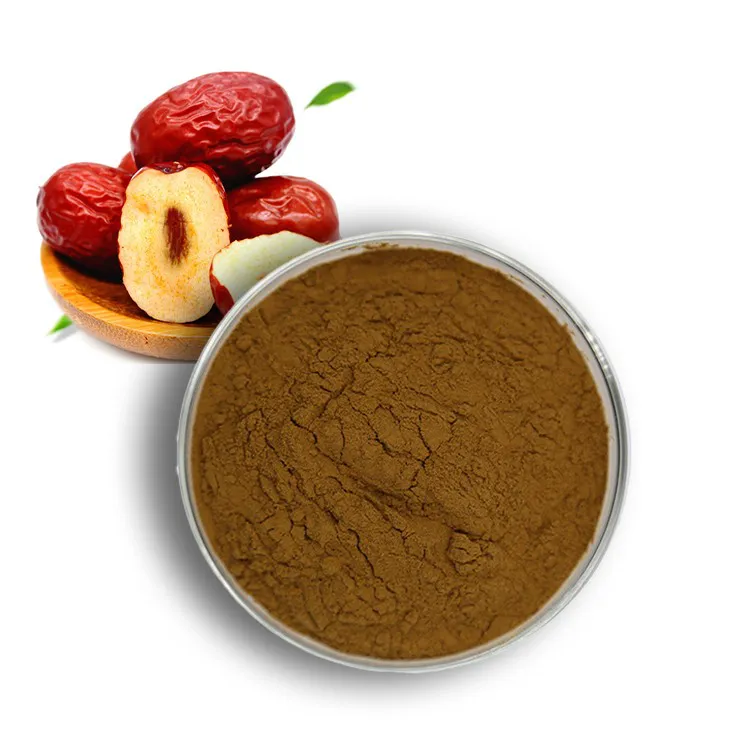
Jujube, also known as Chinese date, has a long history of cultivation and consumption in many parts of the world. In recent years, the interest in jujube and its extract has been growing significantly. Jujube Extract is rich in various nutrients and bioactive compounds, which makes it a valuable ingredient in the health and food industries.
2. Jujube Extract
2.1 Composition
Jujube Extract contains a variety of components such as vitamins (including Vitamin C, which is relatively abundant), minerals (such as potassium, calcium, etc.), and phytochemicals like flavonoids, phenolic acids, and triterpenic acids. These components contribute to its antioxidant, anti - inflammatory, and immunomodulatory properties.
2.2 Applications in Health
- It has been studied for its potential in boosting the immune system. The bioactive compounds in Jujube Extract can stimulate the production of immune cells and enhance the body's defense mechanisms.
- Jujube Extract may also play a role in improving sleep quality. Some of its constituents have a calming effect on the nervous system, which can help people with insomnia or other sleep disorders.
- Antioxidant activity is another important aspect. By scavenging free radicals in the body, it can help prevent oxidative damage to cells, which is associated with various chronic diseases such as cancer, heart disease, and neurodegenerative diseases.

2.3 Applications in Food
- Jujube Extract can be used as a natural flavor enhancer in food products. It imparts a unique sweet and fruity flavor to foods, which is especially suitable for products like baked goods, beverages, and confectionery.
- As a natural preservative, it can help extend the shelf - life of food products. The antioxidant and antimicrobial properties of Jujube Extract can inhibit the growth of spoilage microorganisms.
3. Cultivation of Jujube

3.1 Climate and Soil Requirements
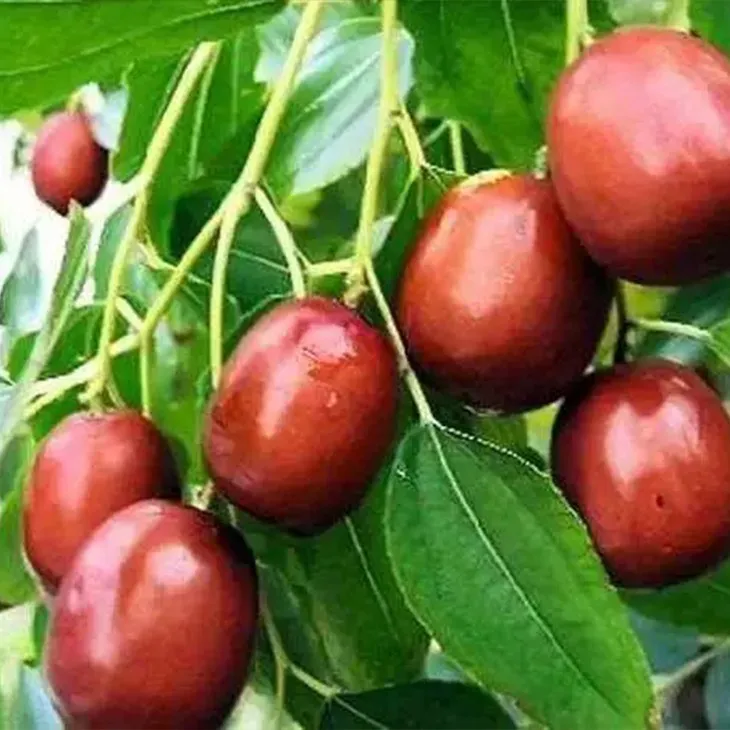
Jujube trees are relatively adaptable, but they thrive best in certain conditions. They prefer sunny locations with long hours of sunlight exposure. In terms of soil, well - drained soil with a slightly alkaline pH is ideal. The soil should also be rich in organic matter to support the growth of jujube trees.
3.2 Propagation
- Seed propagation is one method, but it has some drawbacks. Seeds may not produce true - to - type plants, and the germination process can be relatively slow. However, it can be used for breeding new varieties.
- Grafting is a more common and reliable method. By grafting a desired jujube variety onto a suitable rootstock, growers can ensure the characteristics of the desired variety are maintained, and the trees usually have better growth and resistance to diseases.
3.3 Pest and Disease Control
- Common pests that affect jujube trees include jujube fruit flies and aphids. To control these pests, integrated pest management (IPM) strategies can be employed. This may involve the use of natural predators such as ladybugs for aphids, and the installation of fruit fly traps.
- Diseases such as jujube rust and root rot can also pose a threat. For rust, fungicides may be used when necessary, while for root rot, proper soil drainage and avoiding over - watering are important preventive measures.
3.4 Harvesting
The timing of harvesting is crucial. Jujubes are typically harvested when they reach the appropriate maturity stage. This can be determined by factors such as color change (from green to red or brown, depending on the variety), and firmness. Harvesting too early may result in unripe fruits with inferior taste and nutritional value, while harvesting too late may lead to fruit drop or spoilage.
4. Processing of Jujube
4.1 Traditional Processing Methods
- Drying is a traditional and widely used method. Jujubes can be dried in the sun or using traditional drying equipment. Dried jujubes can be stored for a long time and are a popular snack in many regions. They can also be used as an ingredient in cooking, for example, in making jujube porridge or soup.
- Fermentation is another traditional method. Fermented jujube products, such as jujube wine or vinegar, have unique flavors and some potential health benefits. Fermentation can enhance the bioavailability of certain nutrients and produce new bioactive compounds.
4.2 Modern Processing Technologies
- Extraction techniques have been advanced in recent years. Modern extraction methods, such as supercritical fluid extraction and ultrasonic - assisted extraction, can obtain Jujube Extract with higher purity and better quality. These methods are more efficient in extracting the bioactive compounds from jujubes compared to traditional solvent extraction methods.
- Freeze - drying is also becoming popular. Freeze - dried jujubes retain their shape, color, and most of their nutritional value. They can be rehydrated easily and are often used in high - end food products or dietary supplements.
- Concentration and purification processes are used to produce high - quality Jujube Extract for various applications. These processes can remove impurities and increase the concentration of the desired components in the extract.
5. Technological Innovations in Jujube Processing
5.1 New Extraction Technologies
- Microwave - assisted extraction is an emerging technology. It uses microwave energy to heat the jujube material, which can speed up the extraction process and improve the extraction yield. The short extraction time can also help to preserve the bioactivity of the extracted compounds.
- Enzyme - assisted extraction is another innovation. Enzymes can break down the cell walls of jujube tissues more effectively, facilitating the release of bioactive substances. This method can be more environmentally friendly as it may reduce the need for harsh solvents.
5.2 Product Development
- With technological advancements, new jujube - based products are being developed. For example, jujube - containing functional foods are designed to target specific health needs, such as products for improving digestion or enhancing cardiovascular health.
- Jujube - based cosmetics are also emerging. The antioxidant and skin - nourishing properties of Jujube Extract make it a suitable ingredient for skin care products like creams, lotions, and masks.
6. Market for Jujube
6.1 Global Market Overview
The market for jujube and its products has been expanding globally. Asia has been the traditional major market for jujube, especially in countries like China, India, and South Korea. However, in recent years, the Western markets have also shown increasing interest in jujube products. This is mainly due to the growing awareness of the nutritional value of jujube and the increasing demand for natural and healthy food ingredients.
6.2 Market Drivers
- The health - conscious trend among consumers is a significant driver. People are more willing to choose foods and supplements that are rich in nutrients and have potential health benefits. Jujube products, with their various health - promoting properties, are well - positioned to meet this demand.
- The demand for natural products is also on the rise. As consumers become more aware of the potential side effects of synthetic ingredients, they are turning to natural alternatives. Jujube, as a natural fruit, and its extract are considered a safe and natural choice for various applications.
6.3 Market Challenges
- One of the challenges is standardization. There is a lack of unified standards for jujube products in terms of quality, processing, and labeling. This can lead to confusion among consumers and affect the market development.
- Limited awareness in some regions is also a problem. Although the awareness of jujube is growing, there are still areas where people are not familiar with jujube and its products. Marketing and promotion efforts need to be strengthened in these regions.
7. Conclusion
Jujube Extract, along with jujube cultivation, processing, and related technologies, has great potential in the health and food industries. The expanding market offers opportunities for growers, processors, and product developers. However, to fully realize this potential, challenges such as standardization and awareness need to be addressed. With continued technological innovation and market development, jujube is expected to play an even more important role in the global market in the future.
FAQ:
What are the main factors affecting jujube cultivation?
Sunlight, water, and pest control are among the main factors. Adequate sunlight is necessary for photosynthesis, which helps in the growth and development of jujube trees. Proper water supply, neither too much nor too little, ensures healthy growth. Effective pest control is also crucial as pests can damage the jujube trees and reduce the quality and quantity of the yield.
What are the traditional processing methods for jujubes?
Traditional processing methods for jujubes include drying in the sun. This helps to preserve the jujubes for a longer time and also concentrates their flavors. Another traditional method is making jujube paste by cooking and mashing the jujubes, which can be used in various food preparations.
How has technological innovation influenced Jujube Extract production?
Technological innovation has had a significant impact on Jujube Extract production. New extraction techniques allow for more efficient and pure extraction of the valuable components from jujubes. For example, advanced solvent extraction methods can target specific beneficial compounds. Also, technological advancements in purification processes ensure a higher - quality Jujube Extract, which is suitable for various applications in the health and food industries.
What is the market potential for jujube products?
The market potential for jujube products is substantial. With the increasing global awareness of the nutritional value of jujubes, such as their rich vitamin and mineral content, the demand for jujube products is growing. Jujube products, including Jujube Extract, can be found in the health supplement market, as well as in the food and beverage industry, both in domestic and international markets.
What are the modern processing techniques for jujubes?
Modern processing techniques for jujubes include freeze - drying, which helps to preserve the nutritional value and flavor better than traditional drying methods. Another modern technique is supercritical fluid extraction for Jujube Extract production, which can produce a high - quality extract with less solvent residue. Additionally, modern packaging techniques ensure the freshness and longer shelf - life of jujube products.
Related literature
- Jujube: Botany, Horticulture and Uses
- The Processing and Utilization of Jujube Resources
- Market Trends of Jujube - Based Products in the Global Health Food Industry


-

Sophora Japonica Flower Extract
2024-12-06
-

Rose Hip Extract
2024-12-06
-

Withania Somnifera Extract
2024-12-06
-

Alisma Extract
2024-12-06
-

Berberis aristata Extract
2024-12-06
-

Medicinal Marshmallow Extract
2024-12-06
-

Calendula Extract
2024-12-06
-

L-carnitine
2024-12-06
-

Aged Garlic Extract
2024-12-06
-

Mulberry Extract
2024-12-06