


1. Introduction to Kidney Beans
Kidney beans, named for their distinct kidney - shaped appearance, are an integral part of numerous global cuisines. They are a member of the legume family and are known for their rich, earthy flavor. These beans are a great source of protein, fiber, vitamins, and minerals. In many cultures, kidney beans are a staple ingredient in dishes such as chili con carne, bean salads, and various stews.
2. Importance of Kidney Bean Extracts
Kidney Bean Extracts are becoming increasingly popular in various industries. In the health industry, they are being studied for their potential benefits in managing blood sugar levels. The extract contains compounds that may inhibit certain enzymes related to carbohydrate digestion, thus potentially helping in the regulation of blood glucose. In the cosmetics industry, Kidney Bean Extract can be used for its antioxidant properties. Antioxidants help to protect the skin from damage caused by free radicals, which can lead to premature aging. Additionally, in the food industry, the extract can be used as a natural flavor enhancer or a preservative.
3. Cultivation of Kidney Beans
3.1. Climate and Soil Requirements
Kidney beans thrive in warm and humid climates. They require well - drained soil with a pH level between 6.0 and 7.0. The soil should also be rich in organic matter. These beans are sensitive to frost, so areas with a long frost - free period are ideal for cultivation.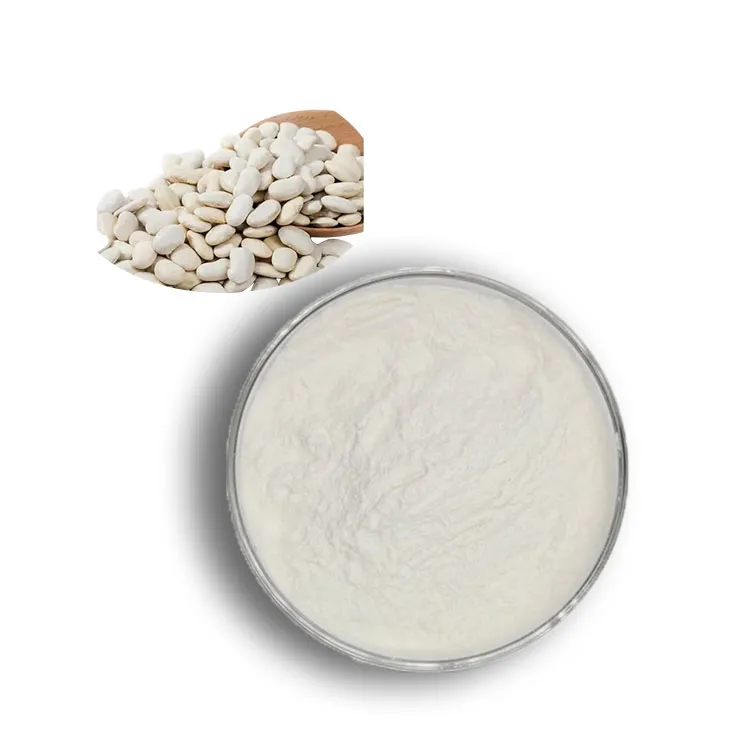
3.2. Planting and Growth
- Kidney beans are usually planted in the spring. Seeds are sown at a depth of about 1 - 2 inches in the soil.
- During the growth period, they need adequate sunlight, typically around 6 - 8 hours per day.
- Proper watering is crucial. Over - watering can lead to root rot, while under - watering can stunt growth.
4. Manufacturing Process of Kidney Beans
4.1. Harvesting
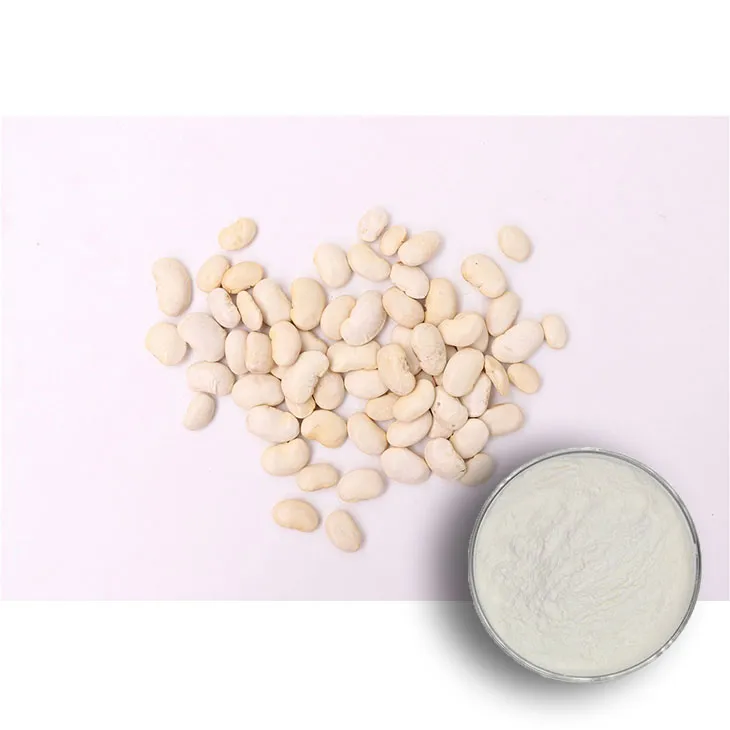
Kidney beans are typically ready for harvest within 90 - 120 days after planting. The pods turn yellowish - brown when they are ripe. Harvesting can be done by hand or using machinery, depending on the scale of cultivation. Hand - harvesting is more common in small - scale farms as it allows for the selection of only fully - ripe pods.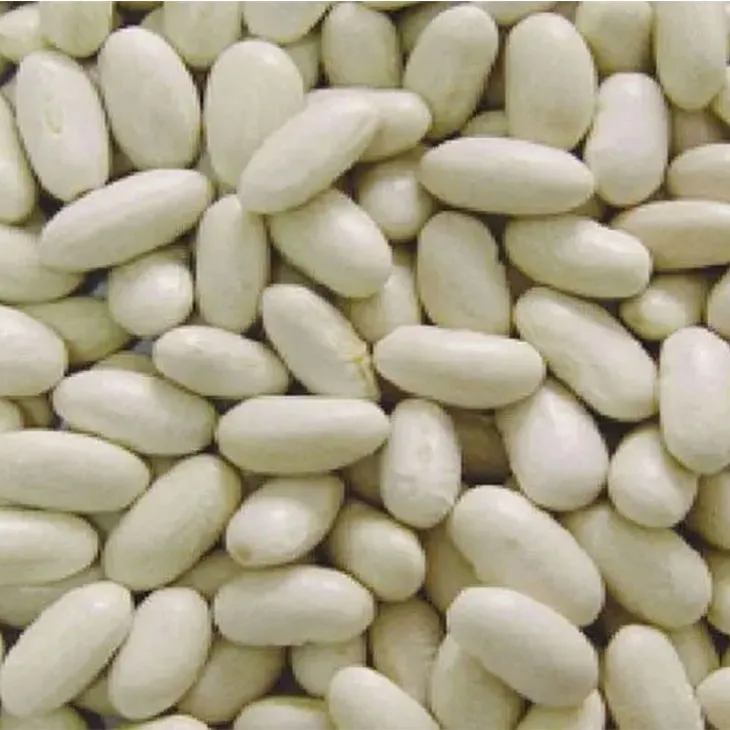
4.2. Sorting and Cleaning
- Once harvested, the beans are sorted to remove any damaged or diseased pods.
- They are then cleaned to remove dirt, debris, and other foreign materials. This can be done through mechanical cleaning processes such as sieving and air - blowing.
4.3. Packaging
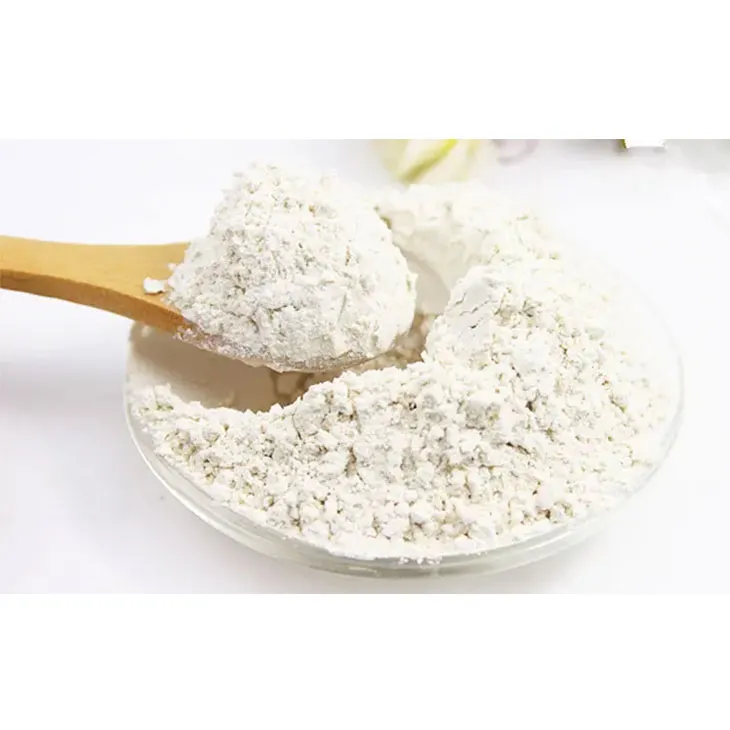
- Kidney beans are packaged in various forms. They can be sold as whole dried beans in bags or containers.
- Some manufacturers also offer pre - cooked and canned kidney beans for convenience - oriented consumers.
5. Manufacturing Process of Kidney Bean Extracts
5.1. Raw Material Selection
High - quality kidney beans are selected as the raw material for extraction. The beans should be free from contaminants and of a consistent quality. Only ripe and healthy beans are chosen to ensure the effectiveness of the extract.5.2. Extraction Methods
- Solvent Extraction: This is a common method where solvents such as ethanol or water are used to extract the active compounds from the kidney beans. The solvent is mixed with the ground beans, and then the mixture is filtered to obtain the extract.
- Press Extraction: In this method, mechanical pressure is applied to the kidney beans to squeeze out the extract. This method is more suitable for obtaining oil - based extracts from the beans.
5.3. Purification and Concentration
- After extraction, the extract may contain impurities. Purification processes such as chromatography can be used to remove these impurities and obtain a pure extract.
- The purified extract may then be concentrated to increase the concentration of the active compounds. This is important for applications where a high - potency extract is required, such as in certain health supplements.
5.4. Packaging and Storage
- Kidney Bean Extracts are usually packaged in airtight containers to prevent oxidation and degradation. Dark - colored bottles are often used to protect the extract from light.
- They should be stored in a cool, dry place to maintain their stability and effectiveness.
6. Quality Control in Kidney Bean and Kidney Bean Extract Manufacturing
6.1. Raw Material Quality Assurance
- Manufacturers must ensure that the kidney beans they use meet strict quality standards. This includes testing for pesticide residues, heavy metals, and microbial contamination.
- Regular inspections of the bean suppliers' farms are also carried out to ensure compliance with good agricultural practices.
6.2. In - process Quality Control
- During the manufacturing process, various parameters are monitored. For example, in the extraction process, the temperature, pressure, and extraction time are carefully controlled to ensure consistent quality of the extract.
- Sampling and testing are carried out at different stages of production to detect any deviations from the set quality standards.
6.3. Final Product Quality Testing
- The final kidney bean products and extracts are subjected to comprehensive quality testing. This includes analysis of the nutritional content, active compound concentration, and microbiological safety.
- Only products that pass all the quality tests are released for distribution.
7. Regulatory Standards for Kidney Bean and Kidney Bean Extract Manufacturers
7.1. Food Industry Regulations
- In the food industry, kidney bean manufacturers must comply with food safety regulations. This includes following proper labeling requirements, indicating ingredients, nutritional information, and allergen warnings.
- Manufacturing facilities must also meet certain hygiene standards to prevent foodborne illnesses.
7.2. Health and Dietary Supplement Regulations
- For Kidney Bean Extracts used in health and dietary supplements, there are additional regulatory requirements. These extracts must be manufactured according to good manufacturing practices (GMP) for dietary supplements.
- Claims made about the health benefits of the extract must be supported by scientific evidence.
7.3. Cosmetics Industry Regulations
- In the cosmetics industry, Kidney Bean Extract - containing products must comply with cosmetic safety regulations. This includes ensuring that the extract is safe for use on the skin and does not cause any adverse reactions.
- Manufacturers must also label their products accurately, including ingredient lists and any potential warnings.
8. Market Trends and Future Outlook for Kidney Bean and Kidney Bean Extract Manufacturers
8.1. Growing Demand for Natural Products
- There is an increasing trend towards the use of natural products in all three industries - food, health, and cosmetics. Kidney beans and their extracts, being natural sources, are likely to see a growing demand.
- Consumers are becoming more health - conscious and are preferring natural ingredients over synthetic ones.
8.2. Research and Development
- Ongoing research on the potential health benefits of Kidney Bean Extracts may lead to new product developments. For example, if more conclusive evidence is found regarding their blood - sugar - regulating properties, new dietary supplements may be launched.
- Research may also focus on improving the extraction methods to obtain more potent and pure extracts.
8.3. Sustainability and Organic Production
- There is a growing demand for sustainably and organically produced kidney beans. Manufacturers who can adapt to these trends by implementing sustainable farming practices and obtaining organic certifications are likely to gain a competitive edge.
- Organic kidney beans are perceived as being of higher quality and are often preferred by consumers who are concerned about environmental and health issues.
9. Conclusion
Kidney bean and Kidney Bean Extract manufacturers play a vital role in bringing these valuable products to the market. They are involved in every aspect of production, from cultivation to the final packaged product. By adhering to strict quality control and regulatory standards, they ensure that consumers receive safe and high - quality kidney bean products. With the growing trends towards natural products, research, and sustainability, the future looks promising for these manufacturers as they continue to innovate and meet the changing demands of the market.
FAQ:
What are the main steps involved in kidney bean manufacturing?
Manufacturing kidney beans involves several main steps. First is cultivation, which requires proper soil, climate, and agricultural practices. After harvesting, the beans are sorted to remove damaged or inferior ones. For Kidney Bean Extract manufacturing, following sorting, extraction methods such as solvent extraction or mechanical pressing may be used to obtain the desired compounds. Then, purification and quality control steps are carried out to ensure the final product meets the required standards.
How do Kidney Bean Extract manufacturers ensure product quality?
Kidney Bean Extract manufacturers ensure product quality through multiple methods. They start with sourcing high - quality kidney beans. During the extraction process, they use standardized and controlled procedures. Quality control checks are performed at various stages, including testing for purity, potency, and absence of contaminants. They also adhere to relevant industry and regulatory standards, such as Good Manufacturing Practice (GMP) regulations, which cover aspects like facility hygiene, equipment maintenance, and personnel training.
What industries use kidney bean and Kidney Bean Extract products?
The food industry uses kidney beans as a common ingredient in various dishes, such as soups, stews, and salads. In the health industry, Kidney Bean Extract is sometimes used in dietary supplements due to its potential health benefits, like aiding in weight management or blood sugar control. The cosmetics industry may use Kidney Bean Extracts in products for their antioxidant properties, which can help protect the skin from damage.
Are there any specific safety regulations for kidney bean and Kidney Bean Extract manufacturers?
Yes, there are specific safety regulations. In the food industry, kidney bean manufacturers must comply with food safety regulations regarding things like pesticide residues, microbial contamination, and proper labeling. For Kidney Bean Extract manufacturers, especially those producing for the health and supplement market, they need to follow regulations related to dietary supplement safety. This includes ensuring accurate labeling of ingredients, proper manufacturing processes to prevent contamination, and compliance with any applicable international, national, or local laws.
How do kidney bean manufacturers contribute to sustainable agriculture?
Kidney bean manufacturers can contribute to sustainable agriculture in several ways. They can support farmers in implementing sustainable farming practices, such as crop rotation, which helps maintain soil fertility. By promoting the use of natural fertilizers and pest control methods, they reduce the environmental impact. Also, some manufacturers may invest in research to develop more sustainable varieties of kidney beans that are more resistant to pests and diseases and require less water and other resources.
Related literature
- Kidney Beans: Cultivation and Nutritional Value"
- "Manufacturing Standards for Kidney Bean Extracts in the Health Industry"
- "The Role of Kidney Beans in Food and Cosmetics: A Review"


-

Yohimbine Bark Extract
2024-12-07
-

Aged Garlic Extract
2024-12-07
-

Reishi mushroom extract
2024-12-07
-

Passionflower Extract
2024-12-07
-

White Willow Bark Extract
2024-12-07
-

Nutmeg Extract
2024-12-07
-

Sophora Japonica Flower Extract
2024-12-07
-

Red Date Extract
2024-12-07
-

Shikone Extract
2024-12-07
-

Yam Extract
2024-12-07