


1. Introduction
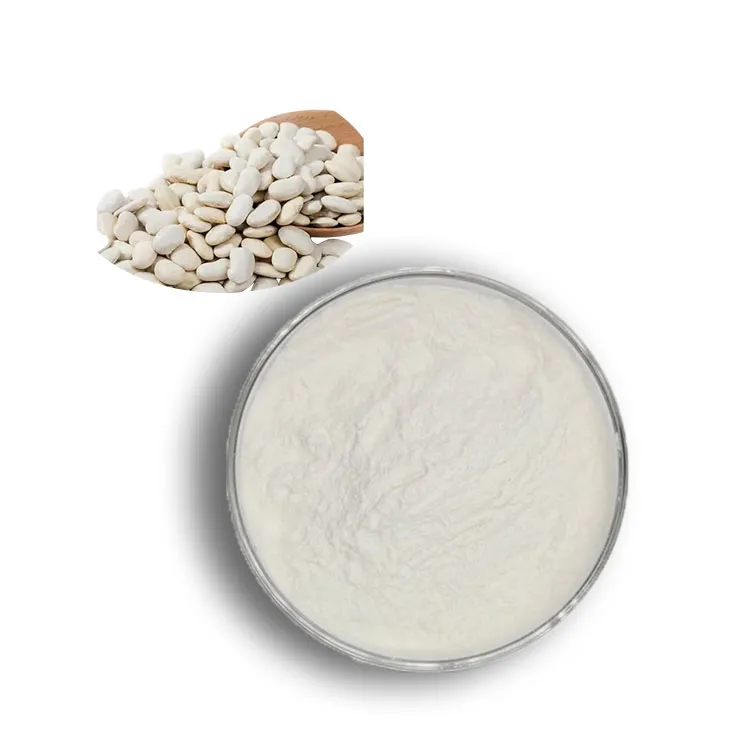
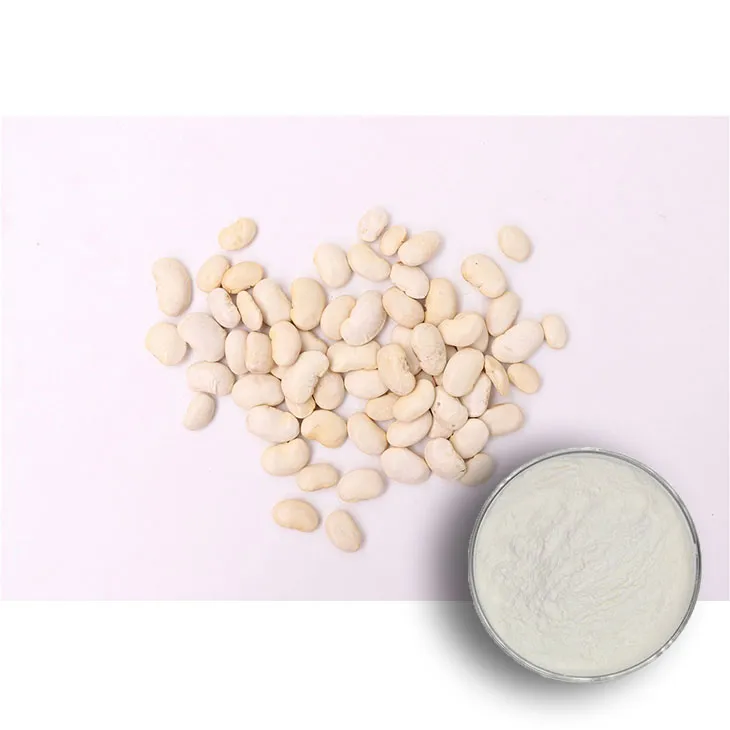
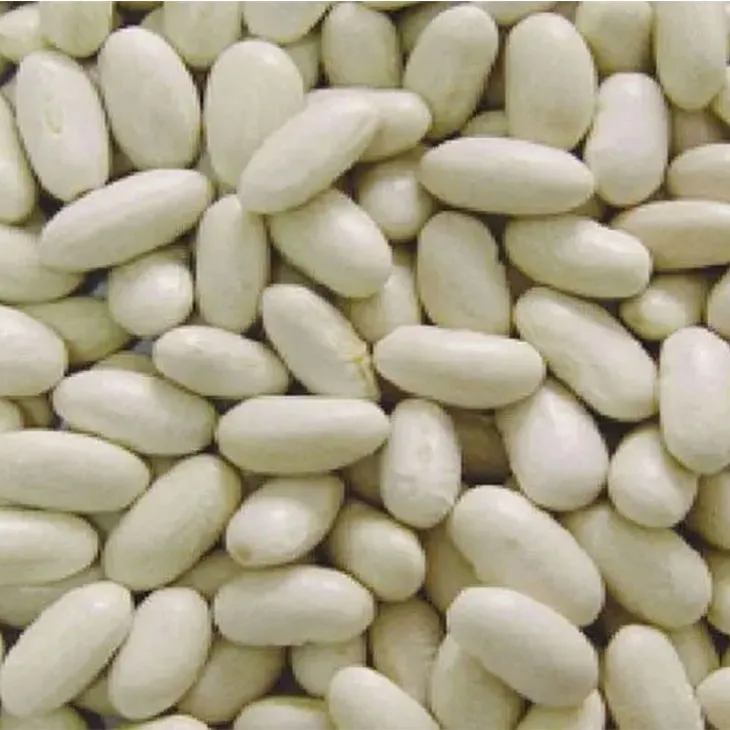
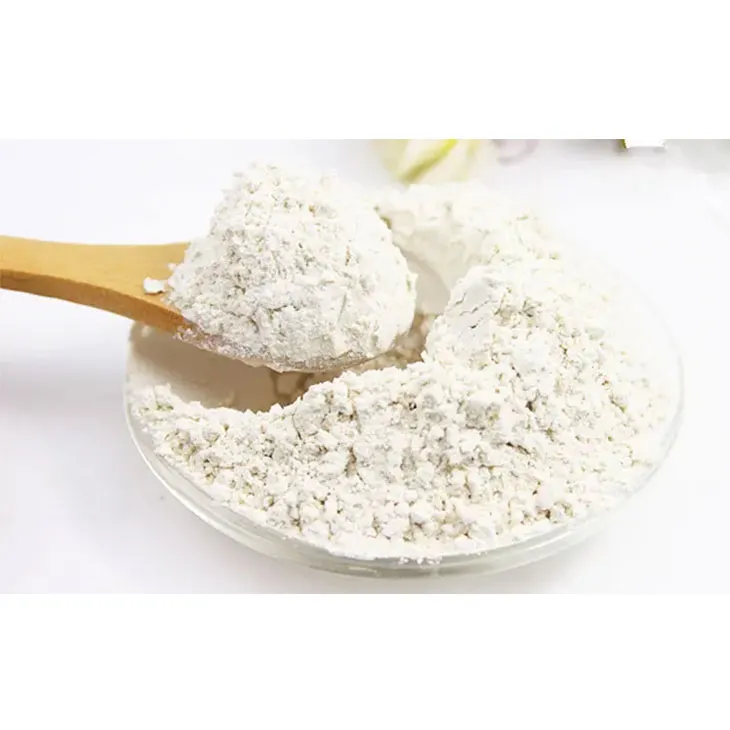
Kidney Bean Extract, which is obtained from kidney beans, has emerged as a substance with great potential in recent years. Kidney beans are a common type of legume that are widely consumed around the world. The extract derived from them contains a variety of bioactive compounds, which endow it with multiple functions in different industries. These bioactive components include proteins, peptides, polysaccharides, and phenolic compounds. Their presence makes Kidney Bean Extract a valuable resource in the food, pharmaceutical, and cosmetic industries, among others.
2. Kidney Bean Extract in the Food Industry
2.1 Natural Preservative
In the food industry, one of the most significant applications of Kidney Bean Extract is as a natural preservative. With the increasing consumer demand for clean - label products and the reduction of synthetic preservatives, natural alternatives are highly sought after. Kidney Bean Extract contains antimicrobial peptides and phenolic compounds that can inhibit the growth of spoilage - causing microorganisms such as bacteria, yeasts, and molds. For example, certain peptides in the extract can disrupt the cell membranes of bacteria, leading to their death. This property allows it to extend the shelf life of various food products, including meat, dairy, and bakery items.
2.2 Functional Ingredient
Kidney Bean Extract can also be used as a functional ingredient. It is a rich source of dietary fiber, which can improve the texture and mouthfeel of food products. When added to baked goods, it can increase the moisture retention capacity, resulting in a softer and more palatable product. Additionally, the proteins and peptides in the extract can enhance the nutritional value of food. They can be used in the formulation of protein - rich products such as energy bars and sports nutrition supplements.
2.3 Flavor and Color Modifier
The extract may also play a role in modifying the flavor and color of food. Some of the phenolic compounds present in Kidney Bean Extract have antioxidant properties that can prevent the oxidation of lipids and pigments in food. This can help maintain the natural color and flavor of food products over time. For example, in processed meat products, it can prevent the browning and off - flavor development that often occurs during storage.
3. Kidney Bean Extract in the Pharmaceutical Industry
3.1 Health - Promoting Properties
In the pharmaceutical field, Kidney Bean Extract has shown certain health - promoting properties. It has been studied for its potential in managing blood sugar levels. Some of the bioactive compounds in the extract can inhibit the activity of enzymes involved in carbohydrate digestion, such as alpha - amylase. By slowing down the breakdown of carbohydrates, it can help in reducing post - prandial blood glucose spikes. This makes it potentially useful in the management of diabetes or for individuals at risk of developing diabetes.
Furthermore, Kidney Bean Extract may have anti - inflammatory effects. Chronic inflammation is associated with many diseases, including cardiovascular diseases, arthritis, and certain cancers. The phenolic compounds and peptides in the extract have been shown to modulate the inflammatory response in the body. They can inhibit the production of pro - inflammatory cytokines and mediators, thereby reducing inflammation at the cellular level.
3.2 Nutraceutical Applications
The extract can also be used in nutraceutical applications. As a natural source of bioactive compounds, it can be formulated into dietary supplements. These supplements can be targeted towards individuals with specific health concerns, such as those looking to improve their cardiovascular health or boost their immune system. For example, the antioxidant properties of the extract can help protect cells from oxidative damage, which is linked to aging and various diseases. By taking Kidney Bean Extract - based supplements, consumers can potentially enhance their overall well - being.
4. Kidney Bean Extract in the Cosmetic Industry
4.1 Skin - Care Benefits
In the cosmetic industry, Kidney Bean Extract could contribute to skin - care products with unique benefits. The antioxidant properties of the phenolic compounds in the extract make it suitable for anti - aging skin - care products. These antioxidants can neutralize free radicals, which are molecules that can damage skin cells and accelerate the aging process. By reducing the oxidative stress on the skin, Kidney Bean Extract can help in minimizing wrinkles, fine lines, and improving skin elasticity.
Moreover, the extract may have moisturizing properties. The polysaccharides in Kidney Bean Extract can form a protective film on the skin surface, preventing moisture loss. This can keep the skin hydrated and supple, especially for individuals with dry skin. In addition, some studies suggest that the peptides in the extract may have a role in promoting collagen synthesis. Collagen is a key protein in the skin that provides structure and firmness. By enhancing collagen production, Kidney Bean Extract can contribute to healthier - looking skin.
4.2 Hair - Care Applications
Kidney Bean Extract may also find applications in hair - care products. The proteins and peptides in the extract can strengthen the hair shaft, reducing breakage and split ends. They can also improve the hair's shine and smoothness. For example, when used in hair conditioners or masks, the extract can penetrate the hair cuticle and provide nourishment from within. Additionally, the antioxidant properties of the extract can protect the hair from environmental damage, such as damage caused by UV radiation and pollution.
5. Challenges and Future Perspectives
5.1 Challenges
Despite its potential, there are several challenges associated with the use of Kidney Bean Extract in different industries. One of the main challenges is the standardization of the extract. The composition of Kidney Bean Extract can vary depending on factors such as the variety of kidney beans used, the extraction method, and the growing conditions. This variability can affect its performance and quality in different applications. Ensuring consistent quality is crucial, especially in the pharmaceutical and food industries where strict regulatory requirements exist.
Another challenge is the limited research on its long - term safety and efficacy. While initial studies have shown promising results, more in - depth and long - term studies are needed to fully understand the potential benefits and any possible adverse effects. In the cosmetic industry, for example, skin - sensitization and allergic reactions need to be thoroughly investigated before widespread use of Kidney Bean Extract - based products.
5.2 Future Perspectives
Looking ahead, there are several opportunities for the further development of Kidney Bean Extract. With the increasing focus on natural and sustainable ingredients, the demand for Kidney Bean Extract is likely to grow. Research efforts should be directed towards optimizing the extraction methods to obtain a more pure and consistent extract. This could involve the use of advanced separation and purification techniques such as chromatography and membrane filtration.
Moreover, more clinical trials and in - vivo studies are needed to validate the health - promoting properties of Kidney Bean Extract in the pharmaceutical industry. In the food industry, the development of new food products incorporating Kidney Bean Extract as a functional ingredient could be explored. For the cosmetic industry, the potential of Kidney Bean Extract in combination with other natural ingredients to create more effective skin - and hair - care products is an area worthy of further investigation.
FAQ:
What are the main bioactive compounds in Kidney Bean Extract?
Kidney Bean Extract contains compounds such as lectins, phenolic acids, flavonoids, etc. Lectins have certain biological activities, phenolic acids are known for their antioxidant properties, and flavonoids also contribute to the overall bioactivity of the extract.
How does Kidney Bean Extract function as a natural preservative in the food industry?
It can inhibit the growth of spoilage microorganisms such as bacteria, yeasts, and molds. The bioactive compounds in the Kidney Bean Extract may disrupt the cell membranes or metabolic processes of these microorganisms, thereby preventing food spoilage and extending the shelf life of food products.
What potential health - promoting properties does Kidney Bean Extract have in the pharmaceutical field?
It may have antioxidant, anti - inflammatory, and hypoglycemic properties. The antioxidant property helps to neutralize free radicals in the body, reducing oxidative stress. Anti - inflammatory effects can assist in alleviating inflammation - related diseases. And its potential hypoglycemic effect might be beneficial for diabetes management by regulating blood sugar levels.
How can Kidney Bean Extract be used in skin - care products in the cosmetic industry?
It can be used for its antioxidant and anti - aging properties. The extract may help protect the skin from free radical damage, which is one of the main causes of skin aging. It might also have moisturizing and soothing effects on the skin, improving skin texture and reducing skin irritation.
Are there any potential side effects of using Kidney Bean Extract?
When used in appropriate amounts, Kidney Bean Extract is generally considered safe. However, if consumed in large quantities, especially raw Kidney Bean Extract which contains certain lectins, it may cause digestive problems such as nausea, vomiting, and diarrhea. In the case of using it in cosmetics, some individuals with very sensitive skin may experience mild allergic reactions.
Related literature
- Bioactive Compounds in Kidney Beans and Their Health Benefits"
- "The Role of Kidney Bean Extract in Food Preservation"
- "Kidney Bean Extract: A Promising Ingredient in Pharmaceutical Research"
- "Applications of Kidney Bean Extract in Cosmetic Skin - Care"


-

Grape Leaf Extract
2024-12-18
-

Bamboo Leaf extract
2024-12-18
-

Agaricus Blazei Extract
2024-12-18
-

Bilberry Extract
2024-12-18
-

Plantain extract
2024-12-18
-

Echinacea Extract
2024-12-18
-

Moringa powder
2024-12-18
-

L-carnitine
2024-12-18
-

Dragon Fruit Powder
2024-12-18
-

Yohimbine Bark Extract
2024-12-18