


1. Introduction
Lemon Extract has emerged as a highly sought - after ingredient in a multitude of industries. Manufacturers of food, beverages, cosmetics, and pharmaceuticals often rely on Lemon Extract to impart a refreshing lemon flavor or to harness its beneficial properties. Wholesale suppliers need to procure Lemon Extract in bulk to meet the demands of their various clients. Exporters, on the other hand, see the potential of Lemon Extract in international markets, where it can offer a unique selling point for their product portfolios.
However, the process of purchasing bulk Lemon Extract is not without its complexities. There are several factors that need to be considered carefully to ensure that the product is of high quality, sourced sustainably, and represents good value for money. This article will explore these factors in detail, guiding these key players in the market through the process of purchasing bulk Lemon Extract.
2. Understanding Lemon Extract
2.1 What is Lemon Extract?
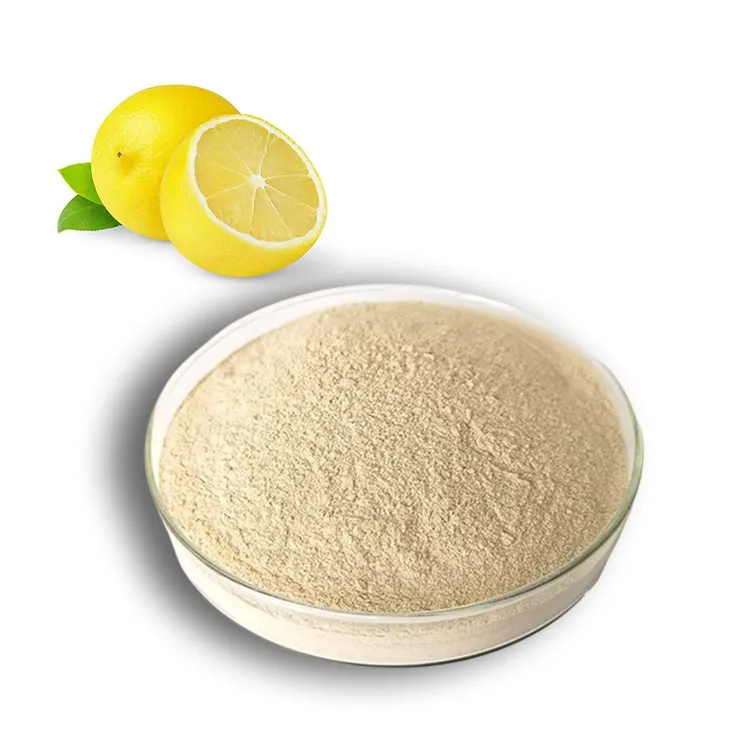
Lemon Extract is a concentrated form of the flavors and essences found in lemons. It is typically made by extracting the volatile oils and other flavor - containing compounds from lemon peels, and sometimes also from the juice. The extraction process can vary, but it generally aims to capture the characteristic lemon aroma and taste in a highly concentrated form that can be easily incorporated into various products.
2.2 The Composition of Lemon Extract
The main components of Lemon Extract include limonene, which gives lemons their characteristic citrusy smell, as well as other terpenes, esters, and aldehydes. These compounds not only contribute to the flavor but also may have potential health benefits, such as antioxidant and antimicrobial properties. Additionally, Lemon Extract may contain small amounts of acids, sugars, and other substances present in lemons.
3. Factors to Consider When Purchasing Bulk Lemon Extract

3.1 Origin of the Lemons
The origin of the lemons used to make the extract can have a significant impact on the quality of the final product. Lemons grown in different regions may have different flavor profiles. For example, lemons from Sicily are known for their intense and complex flavors, while those from California may have a more straightforward, bright citrus flavor.
- Climate and Soil Conditions: These factors influence the growth and development of lemons. Lemons grown in regions with a warm climate and well - drained soil tend to be of better quality, as they can develop a more concentrated flavor.
- Sustainable Farming Practices: It is becoming increasingly important to ensure that the lemons are sourced from farms that follow sustainable farming practices. This includes using organic fertilizers, conserving water, and protecting local ecosystems.

3.2 Extraction Method
The method used to extract the lemon essence can also affect the quality of the extract. There are several common extraction methods:
- Cold - Press Extraction: This method involves mechanically pressing the lemon peels to extract the oils. It is considered a more natural and gentle method, which helps to preserve the delicate flavor compounds. Cold - press extraction often results in a high - quality extract with a pure and fresh lemon flavor.
- Solvent Extraction: In this method, a solvent is used to dissolve the flavor - containing compounds from the lemons. While it can be an efficient way to extract a large amount of essence, there is a risk of residual solvent remaining in the final product if not properly purified. This can affect the taste and safety of the Lemon Extract.
- Steam Distillation: Steam is passed through the lemon peels to vaporize the volatile oils, which are then condensed back into a liquid form. Steam distillation can produce a more concentrated extract, but it may also cause some loss of the more delicate flavor components.

3.3 Purity and Concentration
The purity of the Lemon Extract is crucial. A high - purity extract will have a more intense and true - to - nature lemon flavor. It should be free from contaminants such as pesticides, heavy metals, and other impurities.
Concentration also matters. Different products may require different levels of concentration. For example, a high - end perfume may require a very concentrated Lemon Extract to create a long - lasting and intense lemon note, while a food product may need a more diluted form to achieve a balanced flavor.
4. Finding Reliable Suppliers
4.1 Research and Referrals
One of the first steps in purchasing bulk Lemon Extract is to find reliable suppliers. Start by conducting thorough research online. Look for companies that have a good reputation in the industry, positive customer reviews, and a long - standing presence in the market.
Referrals can also be invaluable. Reach out to other manufacturers, wholesale suppliers, or exporters in your network and ask for their recommendations. They may be able to share their experiences with different suppliers and help you avoid potential pitfalls.
- Industry Directories: Check industry directories and trade associations' websites. These platforms often list reputable suppliers in the field of Lemon Extract manufacturing and distribution.
- Trade Shows and Exhibitions: Attend relevant trade shows and exhibitions where you can meet suppliers in person, sample their products, and discuss your requirements directly.
4.2 Supplier Qualifications and Certifications
When evaluating potential suppliers, look for certain qualifications and certifications. For example:
- Food - grade Certification: If the Lemon Extract is intended for use in food or beverage products, the supplier should have the appropriate food - grade certifications. This ensures that the extract meets the safety and quality standards required for human consumption.
- ISO Certifications: ISO certifications, such as ISO 9001 for quality management and ISO 14001 for environmental management, can indicate that the supplier follows international best practices in terms of quality control and environmental sustainability.
- Organic Certifications: If you are interested in organic Lemon Extract, the supplier should be able to provide valid organic certifications, which verify that the lemons are grown organically and the extraction process adheres to organic standards.
4.3 Sampling and Testing
Before making a large - scale purchase, it is essential to request samples from potential suppliers. This allows you to evaluate the quality of the Lemon Extract firsthand.
Once you receive the samples, conduct thorough testing. This can include sensory evaluation to assess the flavor, aroma, and taste of the extract, as well as laboratory tests to check for purity, concentration, and the presence of any contaminants.
5. Pricing and Cost Considerations
5.1 Understanding the Pricing Structure
The price of bulk Lemon Extract can vary widely depending on several factors. These include the origin of the lemons, the extraction method, the purity and concentration of the extract, and the quantity being purchased.
It is important to understand the pricing structure of different suppliers. Some may offer volume discounts for larger purchases, while others may have additional fees for special packaging or delivery options.
- Base Price: This is the fundamental cost of the Lemon Extract per unit. It is determined by the factors mentioned above, such as the quality of the lemons and the extraction process.
- Volume - based Discounts: Suppliers may offer lower prices per unit as the quantity of the purchase increases. This can be a significant factor for manufacturers, wholesale suppliers, and exporters who require large amounts of Lemon Extract.
- Additional Costs: These can include shipping costs, packaging costs, and any customs duties or taxes for international purchases. Be sure to factor these into your overall cost calculations.
5.2 Cost - Benefit Analysis
When considering the price of Lemon Extract, it is not enough to simply look for the lowest cost option. A cost - benefit analysis should be conducted to determine the overall value for money.
For example, a slightly more expensive Lemon Extract that is of higher quality may actually be a better investment in the long run. It may result in a superior - quality end product, which can lead to increased customer satisfaction, repeat business, and a better reputation in the market.
6. Quality Control and Assurance
6.1 In - house Quality Control
Once you have purchased the bulk Lemon Extract, it is important to have in - house quality control procedures in place. This can include regular sampling and testing of the incoming extract to ensure that it meets the expected quality standards.
- Sensory Analysis: Continuously evaluate the flavor, aroma, and taste of the Lemon Extract to detect any changes or deviations from the expected profile.
- Laboratory Testing: Conduct periodic laboratory tests to check for purity, concentration, and the presence of contaminants. This can help to identify any potential quality issues early on.
6.2 Supplier - side Quality Assurance
Work with your suppliers to establish quality assurance programs. This can involve setting clear quality specifications for the Lemon Extract, conducting regular audits of the supplier's facilities, and having a mechanism for addressing any quality - related issues that may arise.
7. Packaging and Storage Considerations
7.1 Packaging Options
The packaging of Lemon Extract is important for maintaining its quality and shelf - life. Common packaging options include glass bottles, plastic containers, and aluminum tins.
- Glass Bottles: Glass bottles are often preferred for high - end or sensitive Lemon Extracts. They are inert and do not react with the extract, helping to preserve its flavor and purity. However, they are more fragile and may be more expensive than other packaging options.
- Plastic Containers: Plastic containers are lightweight and cost - effective. They are suitable for many types of Lemon Extract, but care should be taken to ensure that the plastic is of food - grade quality and does not leach any harmful substances into the extract.
- Aluminum Tins: Aluminum tins are a good option for protecting the extract from light and air. They are also durable and can be easily labeled and branded.
7.2 Storage Requirements
Lemon Extract should be stored in a cool, dry place away from direct sunlight. Exposure to heat, light, and moisture can cause the extract to degrade, resulting in a loss of flavor and quality.
Proper storage conditions can help to extend the shelf - life of the Lemon Extract, ensuring that it remains usable for an extended period.
8. Conclusion
Purchasing bulk Lemon Extract is a complex but crucial process for manufacturers, wholesale suppliers, and exporters. By carefully considering factors such as the origin of the lemons, the extraction method, purity, and concentration, finding reliable suppliers, understanding pricing and cost considerations, implementing quality control and assurance measures, and taking into account packaging and storage requirements, these key players in the market can ensure that they obtain high - quality Lemon Extract that meets their specific needs and offers good value for money. With the increasing demand for lemon - flavored products in various industries, making informed decisions in the purchase of bulk Lemon Extract can give businesses a competitive edge in the market.
FAQ:
What are the main factors to consider when choosing a Lemon Extract manufacturer?
When choosing a Lemon Extract manufacturer, several factors should be considered. Firstly, the reputation of the manufacturer is crucial. A well - established and respected manufacturer is more likely to produce high - quality products. Secondly, the manufacturing process and extraction methods they use play a significant role. Advanced and proper extraction methods can ensure the purity and flavor of the Lemon Extract. Thirdly, the source of lemons is important. Manufacturers using fresh, high - quality lemons from reliable sources are likely to produce better extracts. Additionally, compliance with industry standards and regulations, such as food safety regulations, is essential.
How can wholesale suppliers ensure the quality of bulk Lemon Extract?
Wholesale suppliers can ensure the quality of bulk Lemon Extract in several ways. They can request samples from the manufacturer before making a large - scale purchase. These samples can be tested for purity, flavor, and consistency. Suppliers should also check the manufacturer's certifications and compliance with quality standards. Visiting the manufacturing facility, if possible, can provide insights into the production process and quality control measures. Additionally, establishing long - term relationships with reliable manufacturers who have a track record of producing high - quality products can help ensure consistent quality.
What are the common extraction methods for Lemon Extract?
There are several common extraction methods for Lemon Extract. One method is cold - pressing, where lemons are mechanically pressed to extract the juice, which can then be further processed into an extract. Another method is solvent extraction, which uses a solvent like ethanol to extract the flavor compounds from the lemons. Steam distillation is also used, where steam is passed through the lemons to extract the volatile compounds. Each method has its own advantages and may result in different characteristics in the final Lemon Extract.
How can exporters deal with regulatory requirements when purchasing bulk Lemon Extract?
Exporters need to be well - informed about the regulatory requirements of both the domestic and foreign markets. When purchasing bulk Lemon Extract, they should ensure that the manufacturer complies with all relevant domestic regulations, such as food safety and labeling requirements. For foreign markets, exporters should research the specific regulations of the target countries. This may include requirements for product composition, labeling in the local language, and any import restrictions. Working with a manufacturer who has experience in exporting or who can provide documentation to meet these requirements can be very helpful.
How to find reliable exporters of bulk Lemon Extract?
To find reliable exporters of bulk Lemon Extract, one can start by searching online business directories that list food and flavor exporters. Industry trade shows and exhibitions related to food ingredients are also great places to meet potential exporters and assess their products. Referrals from other industry players, such as manufacturers or wholesalers who have had positive experiences with certain exporters, can be valuable. Additionally, checking the exporter's website for information about their product range, quality control measures, and customer testimonials can help in determining their reliability.
Related literature
- The Production and Quality Control of Lemon Extract in the Food Industry"
- "Bulk Purchasing of Food Extracts: A Guide for Suppliers and Exporters"
- "Lemon Extract: From Orchard to Market - An Overview of the Supply Chain"


-

Eucommia Ulmoides Extract
2025-01-07
-

Saponin Extract
2025-01-07
-

Longan Extract
2025-01-07
-

American Ginseng Root Extract
2025-01-07
-

Taurine
2025-01-07
-

Tongkat Ali Extract
2025-01-07
-

Kidney Bean Extract
2025-01-07
-

Milk Thistle Extract
2025-01-07
-

Dandelion Leaf Extract
2025-01-07
-

White mustard seed extract
2025-01-07