


1. Introduction
Lemon Extract is a fascinating natural product that has been used for various purposes for a long time. It is highly valued in the food, beverage, and even cosmetic industries due to its unique properties. This article will delve into the properties of Lemon Extract as well as the different processing methods used to obtain it.
2. Properties of Lemon Extract
2.1 Visual Properties
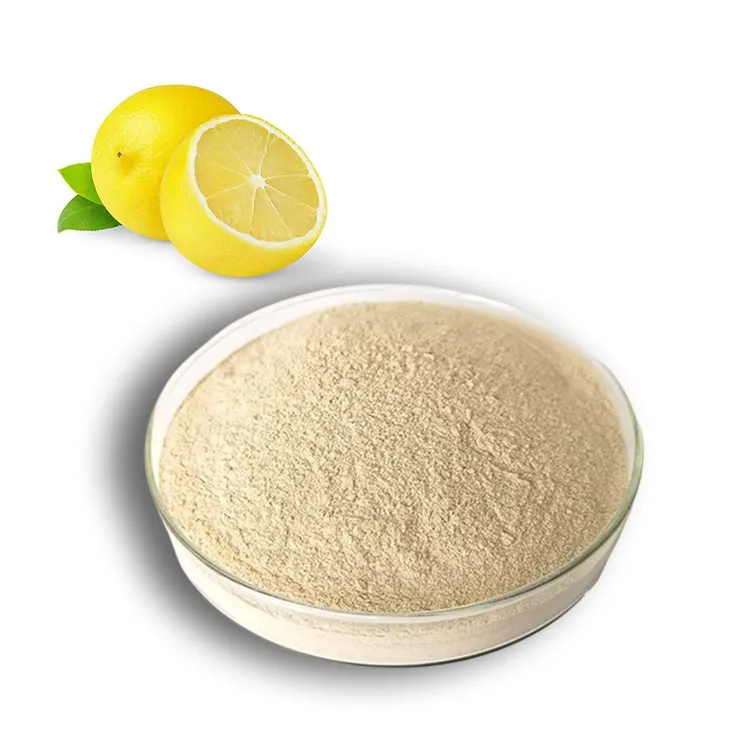
The visual appearance of Lemon Extract is one of its notable properties. It has a bright, citrusy color that is characteristic of lemons. This color can be a great advantage when it is used in different products. For example, in food products such as candies, cakes, and beverages, the bright color of Lemon Extract can add an appealing visual element. It gives the impression of freshness and naturalness, which is highly desirable in today's consumer - driven market where consumers are often attracted to products that look fresh and healthy.
2.2 Flavor Profile
The flavor profile of Lemon Extract is complex and multi - faceted. It is primarily known for its sourness, which is a key characteristic of lemons. However, it also contains a subtle sweetness that balances out the sourness, creating a harmonious flavor. In addition, there is a characteristic freshness that is difficult to replicate with artificial flavors. This freshness gives a zesty and invigorating quality to the extract. In cooking, this flavor can enhance the taste of a wide variety of dishes. In baking, it can add a unique and refreshing note to cakes, cookies, and pastries. In mixology, it is used to create cocktails with a bright and tangy flavor.
3. Processing Methods of Lemon Extract

3.1 Steam Distillation
- The first step in the steam distillation process is to procure ripe lemons. Ripe lemons are crucial as they contain the maximum amount of the desired volatile compounds. These lemons are carefully selected to ensure quality.
- Once the ripe lemons are obtained, steam is passed through the lemon parts. This can be the peel, pulp, or a combination of both, depending on the desired end product. The steam causes the volatile compounds in the lemon to vaporize. These volatile compounds are responsible for the characteristic flavor and aroma of the Lemon Extract.
- After the compounds have vaporized, the vapors are then condensed back into a liquid form. This liquid contains the essence of the lemon, which is the Lemon Extract. The condensation process is carefully controlled to ensure that the extract is of high quality.

3.2 Enzymatic Extraction
- The enzymatic extraction process begins with the selection of ripe lemons as well. However, in this method, specific enzymes are introduced.
- These enzymes are used to break down the cell walls of the lemon tissues. By breaking down the cell walls, the desired compounds are released. The enzymes are carefully chosen based on their ability to target the specific compounds in the lemon without causing unwanted chemical reactions.
- Once the compounds are released, they can be separated from the remaining lemon material through various filtration and purification methods. This results in a Lemon Extract that is rich in the desired flavor and aroma compounds.
4. Quality Control in Processing Lemon Extract
Quality control is of utmost importance during and after the processing of Lemon Extract.
- During the processing, parameters such as temperature, pressure (in the case of steam distillation), and enzyme activity (in enzymatic extraction) need to be carefully monitored. Any deviation from the optimal values can affect the quality of the extract.
- After the extraction process, the purity of the Lemon Extract needs to be tested. This involves checking for the presence of any contaminants such as pesticides (if the lemons were not organically grown), heavy metals, or other unwanted substances. Purity tests can be carried out using various analytical techniques such as chromatography.
- The potency of the extract, which is related to the concentration of the flavor and aroma compounds, also needs to be determined. This ensures that the Lemon Extract meets the required standards for use in different applications. For example, in the food industry, there are specific regulations regarding the potency of flavor extracts.
5. Applications of Lemon Extract

5.1 Culinary Applications
- In cooking, Lemon Extract can be used to add flavor to savory dishes. It can be used in marinades for meats, fish, or poultry. The acidity of the Lemon Extract helps to tenderize the meat and also adds a bright, tangy flavor. For example, a lemon - herb marinade for chicken can be made using Lemon Extract, along with herbs like rosemary and thyme.
- In baking, it is a popular ingredient. It can be added to cake batters, cookie doughs, and muffin mixes. The unique flavor of Lemon Extract can transform a simple baked good into a more complex and interesting treat. For instance, a lemon - poppy seed cake made with Lemon Extract has a delicious and refreshing taste.
5.2 Beverage Applications
- In the beverage industry, Lemon Extract is widely used. It can be added to fruit juices to enhance the lemon flavor. For example, in a lemon - orange blend, a small amount of Lemon Extract can make the lemon flavor more pronounced. It can also be used in the production of lemon - flavored soft drinks, where it provides a more natural - tasting lemon flavor compared to artificial flavorings.
- In mixology, Lemon Extract is a key ingredient in many cocktails. Classic cocktails like the Lemon Drop Martini rely on the flavor of Lemon Extract (or freshly squeezed lemon juice which contains the natural extract). The zesty flavor of the Lemon Extract adds a refreshing and tangy note to the cocktails.
5.3 Cosmetic Applications
- Lemon Extract is also used in the cosmetic industry. Its fresh and clean scent makes it a popular ingredient in perfumes and colognes. It can add a citrusy top note that gives a sense of freshness and vitality.
- It is also used in skin care products. The natural acids in Lemon Extract can have exfoliating properties, helping to remove dead skin cells. However, it should be used with caution in skin care products as the high acidity can also cause irritation in some individuals.
6. Conclusion
Lemon Extract is a versatile and valuable natural product with unique properties. Its bright color, complex flavor profile, and various applications make it an important ingredient in multiple industries. The different processing methods, such as steam distillation and enzymatic extraction, each have their own advantages in obtaining high - quality Lemon Extract. Quality control during and after processing is essential to ensure that the extract meets the necessary standards for purity and potency. As consumer demand for natural products continues to grow, Lemon Extract is likely to remain a popular and sought - after ingredient in the future.
FAQ:
What are the main flavor components in Lemon Extract?
The main flavor components in Lemon Extract include sourness, a subtle sweetness, and a characteristic freshness. These elements combine to create its complex and versatile flavor profile.
Why is steam distillation used for processing Lemon Extract?
Steam distillation is used for processing Lemon Extract because it is a traditional and effective method. By passing steam through the lemon parts, the volatile compounds vaporize, and these vapors can then be condensed back into a liquid form that contains the essence of the lemon.
What is enzymatic extraction in the context of Lemon Extract?
Enzymatic extraction in the context of Lemon Extract involves using specific enzymes. These enzymes break down the cell walls of the lemon tissues, which helps to release the desired compounds.
How important is quality control during Lemon Extract processing?
Quality control during Lemon Extract processing is extremely important. It ensures that the final product meets the required standards for purity and potency. This is crucial as Lemon Extract is used in various applications such as cooking, baking, and mixology.
Can Lemon Extract be used in non - food products?
Yes, Lemon Extract can be used in non - food products. Its bright, citrusy color and characteristic freshness can add visual and olfactory appeal. For example, it may be used in some cosmetics or cleaning products.
Related literature
- The Chemistry and Properties of Lemon Extract"
- "Processing Methods for Citrus Extracts: A Focus on Lemon"
- "Quality Assurance in Lemon Extract Production"


-

Licorice Root Extract Powder
2024-12-10
-

Kelp Extract Powder
2024-12-10
-

Oyster Mushroom Extract Powder
2024-12-10
-

L-Arginine alpha-ketoglutarate
2024-12-10
-

Echinacea Extract
2024-12-10
-

Peppermint Oil
2024-12-10
-

Shikonin
2024-12-10
-

Jujube Extract
2024-12-10
-

S-Adenosyl L-methionine(SAMe)
2024-12-10
-

Thunder God Vine Extract
2024-12-10