


1. Introduction to Astaxanthin
Astaxanthin, a powerful antioxidant, has been making waves in the health and beauty industries. Antioxidants are substances that can prevent or slow damage to cells caused by free radicals, unstable molecules that the body produces as a result of normal metabolism or exposure to environmental factors such as pollution and radiation. Astaxanthin is considered one of the most potent antioxidants in nature.
2. The Role of Manufacturers
Manufacturers of Astaxanthin and its extracts play a crucial role in bringing this remarkable compound to the market. They are involved in every step of the process, from sourcing the raw materials to producing high - quality Astaxanthin products.
3. Sourcing of Raw Materials
Sourcing is a key aspect, as Astaxanthin can be derived from various sources such as microalgae, krill, and certain types of yeast.
3.1 Microalgae
Microalgae are a popular source of Astaxanthin. They are capable of producing high amounts of Astaxanthin under specific growth conditions. Manufacturers need to ensure the proper cultivation and harvesting of microalgae to obtain a high - quality Astaxanthin source. This involves controlling factors such as light, temperature, and nutrient supply.
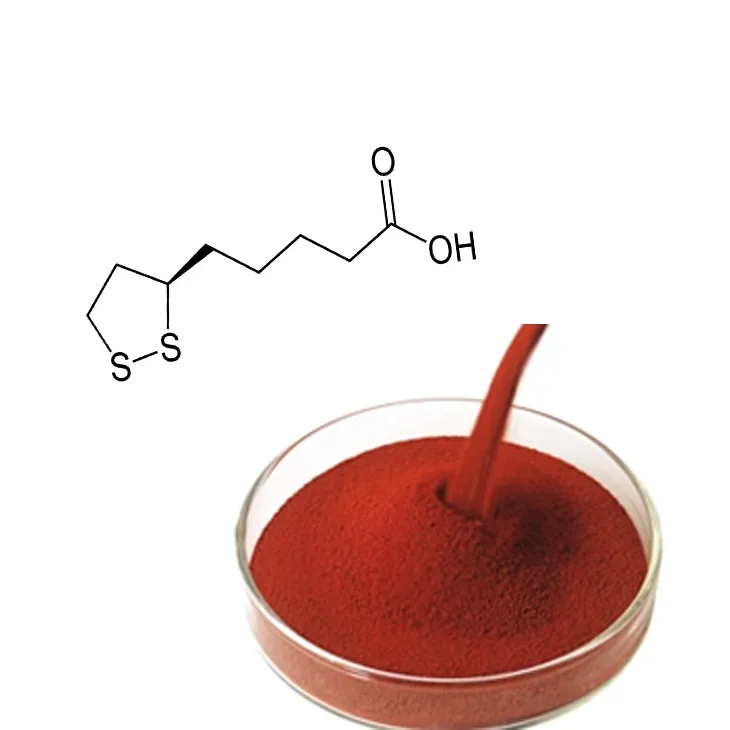
3.2 Krill
Krill is another source of Astaxanthin. However, the extraction of Astaxanthin from krill needs to be done in a sustainable manner. Krill are an important part of the marine ecosystem, and over - harvesting can have negative impacts. Manufacturers must adhere to strict regulations regarding krill fishing and extraction to ensure the long - term availability of this source.

3.3 Yeast
Certain types of yeast can also be used to produce Astaxanthin. This method offers advantages in terms of scalability and control of the production process. Manufacturers need to select the appropriate yeast strains and optimize the fermentation conditions to obtain a high - yield and pure Astaxanthin product.

3.4 Ensuring Sustainability and Purity
Manufacturers need to ensure the sustainability and purity of their sources. Sustainability is crucial to protect the environment and ensure the long - term availability of Astaxanthin. Purity is important to guarantee the quality and safety of the final product. This involves strict quality control during the sourcing process, including testing for contaminants and ensuring that the source meets regulatory standards.
4. Production Process
In terms of production, advanced extraction and purification techniques are employed.
4.1 Extraction Techniques
There are several extraction techniques used to isolate Astaxanthin from its source. One common method is solvent extraction, where a suitable solvent is used to dissolve Astaxanthin from the raw material. However, this method requires careful selection of solvents to avoid leaving behind harmful residues. Another method is supercritical fluid extraction, which uses a supercritical fluid (such as carbon dioxide) as the solvent. This method offers advantages such as high selectivity and low environmental impact.
4.2 Purification
After extraction, purification is necessary to remove any impurities, resulting in a concentrated and pure extract. This can be achieved through techniques such as chromatography, which separates different components based on their chemical properties. Quality control is of utmost importance at every stage.
4.3 Quality Control in Production
Manufacturers use sophisticated testing methods to check for the potency, stability, and safety of their Astaxanthin products. This includes testing for the concentration of Astaxanthin, its antioxidant activity, and its stability under different storage conditions. Any product that does not meet the quality standards is rejected to ensure that only high - quality Astaxanthin products reach the market.
5. Applications of Astaxanthin and its Extracts
The applications of Astaxanthin and its extracts are diverse.
5.1 Health Sector
In the health sector, it is known for its antioxidant properties, which can help combat oxidative stress, reduce inflammation, and potentially support heart health, eye health, and skin health.
- Oxidative Stress: Astaxanthin can neutralize free radicals, reducing oxidative stress in the body. This can help prevent damage to cells and tissues, which is associated with various diseases such as cancer, heart disease, and neurodegenerative disorders.
- Inflammation: It has anti - inflammatory properties, which can be beneficial for conditions such as arthritis, where inflammation plays a significant role.
- Heart Health: Astaxanthin may help improve heart health by reducing cholesterol levels, improving blood flow, and protecting blood vessels from oxidative damage.
- Eye Health: It has been shown to protect the eyes from oxidative damage and may be beneficial for conditions such as macular degeneration and cataracts.
- Skin Health: Astaxanthin can protect the skin from UV damage, reduce wrinkles, and improve skin elasticity. It also has anti - inflammatory properties that can help soothe irritated skin.
5.2 Beauty Industry
In the beauty industry, Astaxanthin is used in skincare products for its anti - aging effects, such as reducing wrinkles and improving skin elasticity. It is also added to haircare products to improve the health of the hair.
- Skincare: Astaxanthin is incorporated into creams, lotions, and serums. Its antioxidant and anti - inflammatory properties make it an ideal ingredient for anti - aging skincare products. It can penetrate the skin and protect it from both internal and external damage.
- Haircare: In haircare products, Astaxanthin can help strengthen the hair shaft, reduce hair breakage, and improve the overall health of the hair. It can also add shine to the hair.
6. Research and Development by Manufacturers
Manufacturers also contribute to research and development. They collaborate with scientific institutions to explore new potential benefits of Astaxanthin and to improve production methods.
6.1 Exploring New Benefits
There is still much to be discovered about Astaxanthin. Manufacturers are investing in research to find new potential applications of Astaxanthin in areas such as sports performance enhancement, cognitive function improvement, and immune system support. For example, some studies suggest that Astaxanthin may improve exercise endurance and reduce muscle fatigue, which could have implications for athletes.
6.2 Improving Production Methods
In addition to exploring new benefits, manufacturers are also focused on improving production methods. This includes developing more efficient extraction and purification techniques, as well as finding ways to reduce production costs while maintaining product quality. For example, research is being done on using new solvents or alternative sources of Astaxanthin that are more cost - effective and sustainable.
7. Conclusion
Manufacturers of Astaxanthin and its extracts are at the forefront of bringing this powerful antioxidant to the market. Their role in sourcing, production, quality control, and research and development is crucial for ensuring that consumers have access to high - quality Astaxanthin products. As research on Astaxanthin continues to unfold, manufacturers will play an even more important role in exploring new applications and improving production methods, further enhancing the potential of Astaxanthin in the health and beauty industries.
FAQ:
What are the main sources for Astaxanthin manufacturers?
Manufacturers can source Astaxanthin from various origins. Microalgae, krill, and certain types of yeast are the main sources. They need to ensure the sustainability and purity of these sources during the sourcing process.
What techniques do Astaxanthin manufacturers use in production?
Manufacturers employ advanced extraction and purification techniques. These are used to isolate Astaxanthin from its source and eliminate impurities, thus obtaining a concentrated and pure extract.
Why is quality control important for Astaxanthin manufacturers?
Quality control is crucial at every stage for Astaxanthin manufacturers. They use sophisticated testing methods to check the potency, stability, and safety of their Astaxanthin products. This ensures that the products meet high - quality standards and are effective and safe for consumers.
What are the applications of Astaxanthin in the health sector?
In the health sector, Astaxanthin is known for its antioxidant properties. It can help combat oxidative stress, reduce inflammation, and potentially support heart health, eye health, and skin health.
How do Astaxanthin manufacturers contribute to research and development?
Astaxanthin manufacturers contribute to research and development by collaborating with scientific institutions. They explore new potential benefits of Astaxanthin and improve production methods. This continuous innovation provides consumers with better Astaxanthin products on the market.
Related literature
- Astaxanthin: Sources, Extraction, Stability, Biological Activities and Its Commercial Applications: A Review"
- "The Role of Astaxanthin in Human Health and Nutrition"
- "Astaxanthin Production by Microalgae: Current State and Perspectives"


-

Scutellaria Extract
2024-12-05
-

Eucommia Ulmoides Extract
2024-12-05
-

Vitamin K2
2024-12-05
-

Pueraria Lobata Extract
2024-12-05
-

Vitamin B6
2024-12-05
-

Saponin Extract
2024-12-05
-

Citrus Aurantium Extract
2024-12-05
-

Black Rice Extract
2024-12-05
-

Bamboo Leaf extract
2024-12-05
-

L-Citrullin-DL-malate
2024-12-05