


Introduction
In the vast realm of herbal products, manufacturers of ginseng roots and Ginseng Root Extracts hold a position of great significance. Ginseng, a well - known plant in the field of traditional medicine, has a long - standing history of use spanning over centuries. It is highly regarded for its numerous health - promoting qualities.
Cultivation of Ginseng Roots
Environmental Requirements
Cultivating ginseng roots is a meticulous process as it demands specific environmental conditions. Well - drained soil is essential for the healthy growth of ginseng plants. Ginseng does not tolerate water - logged conditions, as excessive moisture can lead to root rot and other diseases. Additionally, the amount of sunlight received must be appropriate. Ginseng typically thrives in areas with filtered sunlight, such as the understory of forests. Too much direct sunlight can scorch the plants, while insufficient light can stunt their growth.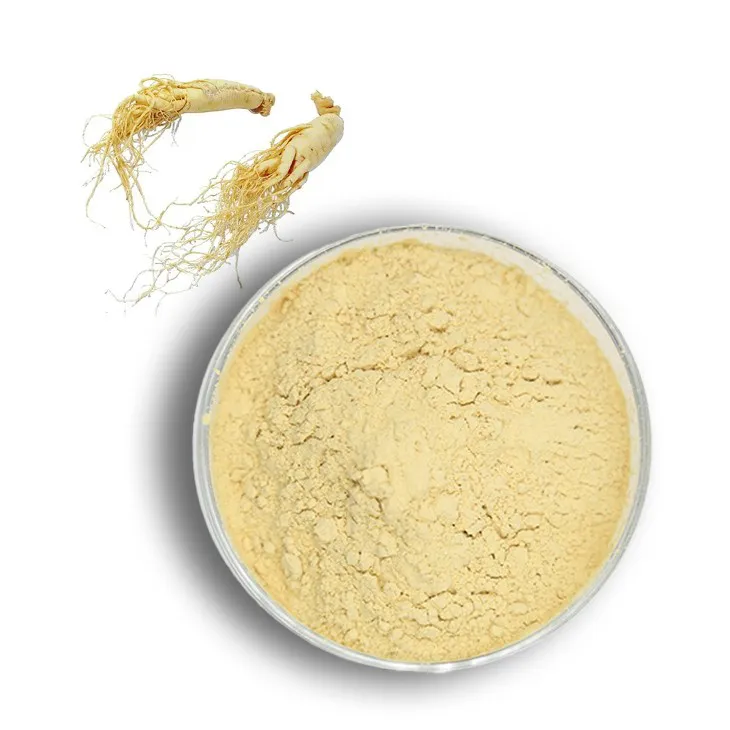
Quality of Roots
Manufacturers must ensure that these environmental conditions are met precisely. By doing so, they can produce ginseng roots that are rich in active ingredients. These active ingredients are the key to the plant's health - promoting properties. High - quality roots are the foundation for manufacturing effective ginseng - based products.Harvesting of Ginseng Roots

Timing of Harvest
The timing of the harvest is crucial. Ginseng roots need to reach an appropriate age and maturity before being harvested. Harvesting too early may result in roots with insufficient active ingredient content. On the other hand, delaying the harvest for too long may lead to a decline in the quality of the roots due to factors such as over - maturity or potential damage from pests and diseases.
Harvesting Techniques
Specialized harvesting techniques are employed to ensure that the roots are carefully removed from the soil without damage. Damaged roots can affect the quality of the final products. Once the roots are harvested, they are carefully cleaned and prepared for the extraction process.Extraction Process

Advanced Extraction Techniques
After the roots are harvested, the extraction process commences. Advanced extraction techniques are utilized to obtain Ginseng Root Extracts. These techniques can vary depending on the desired form of the extract. For example, to produce Ginseng Root Extract in powder form, methods such as drying and grinding may be involved. In the case of tinctures, the roots are often soaked in a solvent, such as alcohol, to extract the active ingredients. For capsules, the extract may be further processed and combined with other ingredients to ensure proper encapsulation.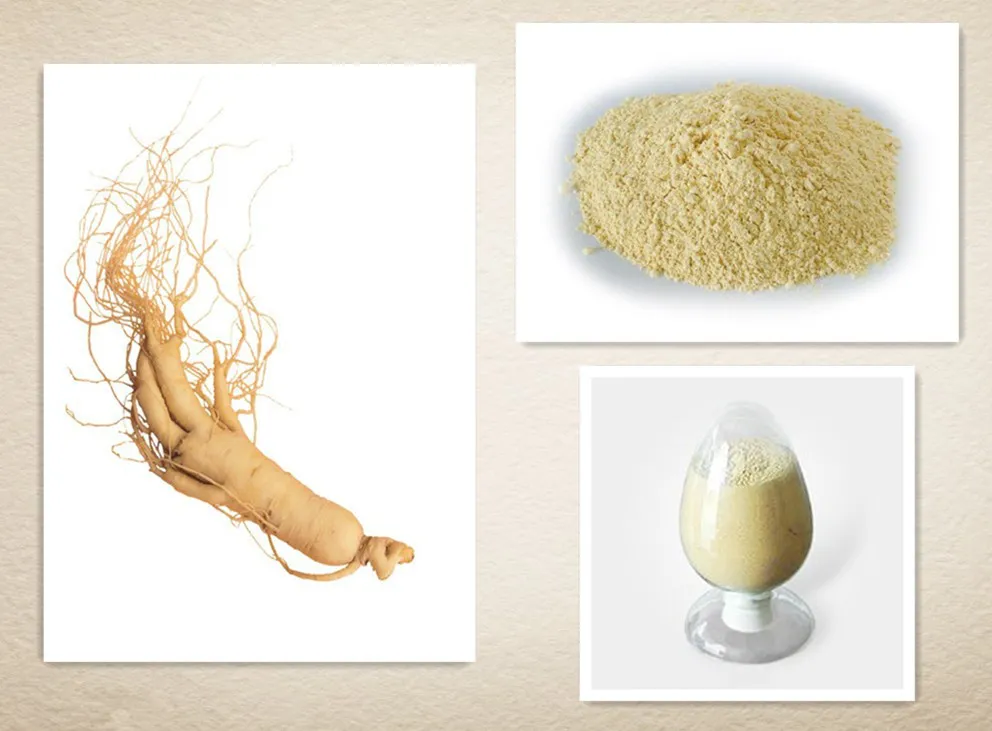
Different Forms of Extracts
Ginseng Root Extracts can be found in different forms, each with its own advantages. Powders are convenient for mixing with other substances, such as in making herbal teas or adding to smoothies. Tinctures are liquid extracts that are easy to dose and can be quickly absorbed by the body. Capsules are popular for their portability and ease of consumption, making it convenient for consumers to incorporate ginseng into their daily supplement routine.Quality Control
Purity Testing
Quality control is of utmost importance for ginseng root and extract manufacturers. One of the key aspects of quality control is testing for purity. This involves ensuring that the ginseng roots and extracts are free from contaminants such as pesticides, heavy metals, and other impurities. Sophisticated testing methods are used to detect even trace amounts of these unwanted substances.Potency Testing
Another crucial aspect is potency testing. Manufacturers need to determine the concentration and effectiveness of the active ingredients in the ginseng roots and extracts. This helps in ensuring that the products have the desired therapeutic effects. Potency can be affected by factors such as the variety of ginseng, the cultivation conditions, and the extraction process.Safety Testing
Safety testing is also an integral part of quality control. Ginseng products must be safe for consumption. This includes evaluating potential side effects, drug interactions, and allergic reactions. Only after passing all these tests can the ginseng - based products be deemed suitable for the market.Benefits of Ginseng - Based Products
Energy Boost
One of the potential benefits of ginseng - based products is their ability to boost energy. Ginseng has been traditionally used to combat fatigue and increase vitality. It is believed to enhance the body's energy - producing mechanisms, allowing individuals to feel more alert and active.Immune System Enhancement
Another significant benefit is the enhancement of the immune system. Ginseng contains compounds that can stimulate the immune response, helping the body to better defend against infections and diseases. Regular consumption of ginseng products may contribute to a stronger and more resilient immune system.Overall Well - being
In addition to the above, ginseng - based products can also improve overall well - being. They may help in reducing stress, improving mental clarity, and promoting better sleep. These combined effects can lead to an enhanced quality of life for consumers.Market and Consumer Considerations
Market Trends
The market for ginseng - based products has been growing steadily in recent years. There is an increasing demand for natural and herbal remedies, and ginseng fits well into this trend. Consumers are becoming more aware of the potential health benefits of ginseng, which has led to a wider range of ginseng - based products being available in the market, from traditional herbal preparations to modern dietary supplements.Consumer Awareness
However, it is important for consumers to be well - informed when choosing ginseng products. They should look for products from reliable manufacturers who adhere to strict quality control standards. This includes checking for proper labeling, which should provide information about the source of the ginseng, the extraction process, and the recommended dosage.Conclusion
Manufacturers of ginseng roots and Ginseng Root Extracts play a vital role in bringing the benefits of ginseng to consumers. From cultivation to extraction and quality control, every step in the process is crucial. By ensuring high - quality products, these manufacturers can contribute to the well - being of consumers who seek the potential health - promoting properties of ginseng.
FAQ:
What are the main challenges in ginseng root cultivation for manufacturers?
One of the main challenges is creating and maintaining the specific environmental conditions. Ginseng roots need well - drained soil, which can be difficult to achieve in some regions. Also, providing the appropriate amount of sunlight without over - or under - exposing the plants is crucial. Additionally, pests and diseases can pose a threat to the ginseng crop, and manufacturers need to find effective ways to prevent and control them without using harmful chemicals that could affect the quality of the roots.
How do manufacturers ensure the purity of Ginseng Root Extracts?
Manufacturers use advanced testing methods to ensure purity. They start with high - quality raw materials, i.e., well - cultivated ginseng roots. During the extraction process, they follow strict protocols to avoid contamination. After extraction, they conduct various tests such as chromatography to detect any impurities. They also adhere to strict international and national standards which set limits on contaminants and require certain levels of purity for Ginseng Root Extracts.
What are the different extraction techniques used by manufacturers?
Manufacturers use several extraction techniques. One common method is solvent extraction, where solvents are used to dissolve the active components from the ginseng roots. Another technique is supercritical fluid extraction, which uses a supercritical fluid (such as carbon dioxide) to extract the valuable compounds. Steam distillation can also be used in some cases, especially for obtaining essential oils from ginseng if applicable. Each technique has its advantages and is chosen based on the desired end product form and the specific components to be extracted.
How do manufacturers determine the potency of ginseng root products?
Manufacturers determine the potency of ginseng root products through laboratory testing. They analyze the concentration of key active ingredients such as ginsenosides. High - performance liquid chromatography (HPLC) is often used for this purpose. By comparing the levels of these active ingredients against established standards, they can determine the potency of the ginseng root or its extract. Additionally, bioassays may be conducted in some cases to measure the biological activity related to the claimed health benefits.
What safety measures do manufacturers take during the production of ginseng root products?
Manufacturers take several safety measures. Firstly, they ensure that the cultivation process is free from harmful pesticides and contaminants. During extraction, they use safe solvents and follow proper handling procedures to prevent any chemical residues. They also conduct thorough safety testing on the final products, including tests for heavy metals, microbial contamination, and other potential toxins. In addition, they label their products accurately with information about potential allergens and any precautions for use.
Related literature
- Ginseng: Cultivation, Extraction, and Quality Control"
- "The Role of Manufacturers in Ginseng Root Product Development"
- "Advanced Techniques in Ginseng Root Extract Manufacturing"


-

Purple Sweet Potato Extract
2024-12-08
-

Berberis aristata Extract
2024-12-08
-

L-Cysteine
2024-12-08
-

Astaxanthin
2024-12-08
-

Grape Leaf Extract
2024-12-08
-

Polygonum Cuspidatum Extract
2024-12-08
-

Coconut Water Powder
2024-12-08
-

Soy Extract
2024-12-08
-

Artichoke Leaf Extract
2024-12-08
-

Citrus bioflavonoids
2024-12-08