


1. Introduction
Mulberry leaf Extract has been gaining increasing attention in recent years due to its potential health benefits and versatile applications. The mulberry tree, known as Morus alba or other Morus species, has a long history of use in traditional medicine in many Asian countries. The leaves of the mulberry tree are the source of this valuable extract, which is now being explored for its various properties in modern scientific research.
2. Obtaining and Processing of Mulberry leaf Extract
2.1 Harvesting
The first step in obtaining Mulberry leaf Extract is the proper harvesting of the mulberry leaves. Leaves are typically harvested when they are mature but still in good condition. This usually occurs during the appropriate season, which may vary depending on the geographical location and the specific variety of the mulberry tree. Harvesting at the right time ensures that the leaves contain the optimal levels of active compounds.

2.2 Drying
After harvesting, the leaves need to be dried. Drying can be done using different methods such as natural sun - drying or using drying machines. Natural drying is a traditional method, but it may be affected by environmental factors such as humidity and sunlight intensity. Machine - drying, on the other hand, can provide more controlled conditions. The dried leaves should be stored properly to prevent moisture absorption and spoilage.
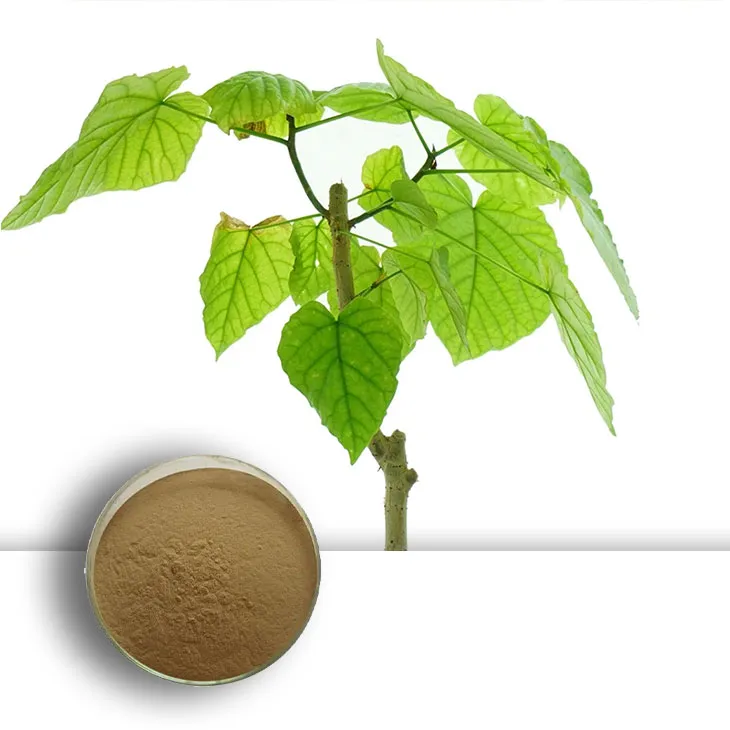
2.3 Extraction
There are several methods for extracting the active compounds from the dried mulberry leaves:
- Solvent extraction: This is a common method. Organic solvents such as ethanol or methanol are often used. The dried leaves are soaked in the solvent, and the active compounds dissolve into the solvent. After a certain period, the solvent is separated from the solid residue, and the resulting solution contains the Mulberry leaf Extract. However, the choice of solvent needs to be carefully considered as it may affect the purity and quality of the extract.
- Water extraction: Water can also be used as a solvent for extraction. This method is more environmentally friendly. However, the extraction efficiency may be lower compared to organic solvent extraction. The water - based extract may also contain more impurities, which may require further purification steps.
- Supercritical fluid extraction: This is a more advanced extraction method. Supercritical fluids, such as supercritical carbon dioxide, are used. This method has the advantages of high extraction efficiency, good selectivity, and the ability to obtain a relatively pure extract. However, it requires more complex equipment and higher costs.
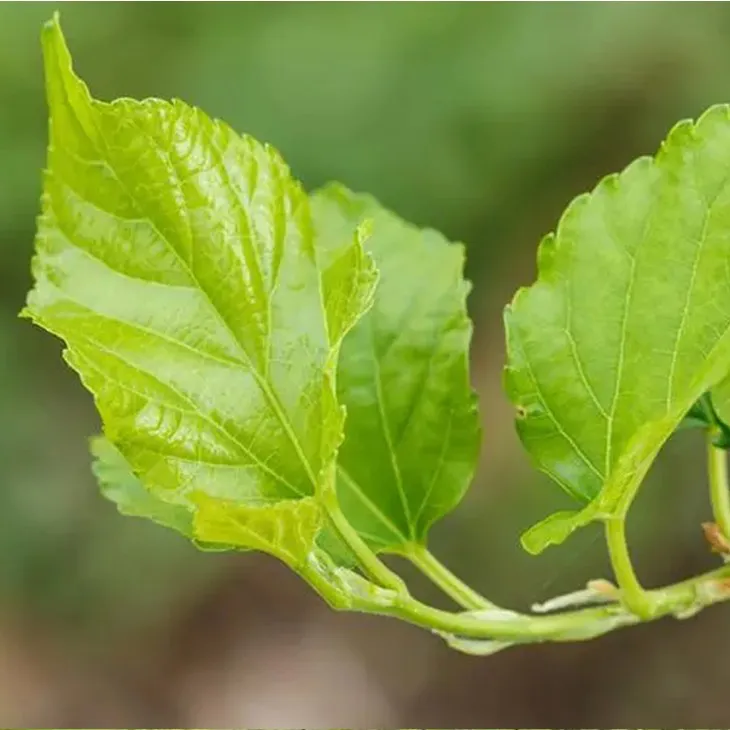
2.4 Purification and Concentration
Once the initial extraction is complete, the extract may need to be purified to remove impurities. This can be achieved through filtration, centrifugation, or chromatography techniques. After purification, the extract can be concentrated to increase the concentration of the active compounds. Concentration methods include evaporation under reduced pressure or freeze - drying.
3. Chemical Composition of Mulberry leaf Extract
Mulberry leaf Extract contains a diverse range of chemical compounds, which contribute to its various functions:
3.1 Flavonoids
Flavonoids are one of the major groups of compounds in Mulberry leaf Extract. They include Quercetin, Rutin, and kaempferol. These flavonoids have antioxidant properties, which help to protect the body against oxidative stress. Oxidative stress is associated with many diseases, such as cancer, cardiovascular diseases, and neurodegenerative diseases. The antioxidant activity of flavonoids in the extract can scavenge free radicals and prevent damage to cells and tissues.
3.2 Alkaloids
Alkaloids are also present in Mulberry leaf Extract. One of the well - known alkaloids is 1 - deoxynojirimycin (DNJ). DNJ has been shown to have potential anti - diabetic effects. It can inhibit the activity of alpha - glucosidase, an enzyme involved in carbohydrate digestion. By inhibiting alpha - glucosidase, DNJ can slow down the absorption of glucose from the intestine, thereby helping to regulate blood glucose levels in the body.
3.3 Polysaccharides
Polysaccharides in Mulberry leaf Extract play important roles in enhancing immunity. They can stimulate the immune system by activating immune cells such as macrophages and lymphocytes. Additionally, polysaccharides may have anti - inflammatory effects. They can regulate the production of inflammatory cytokines and reduce inflammation in the body.
4. Health Benefits of Mulberry leaf Extract
4.1 Immune - enhancing Effects
As mentioned above, the polysaccharides in Mulberry leaf Extract can enhance the immune system. By activating immune cells, the body is better able to defend itself against pathogens such as bacteria, viruses, and fungi. A strong immune system is crucial for overall health and can help prevent the occurrence of infectious diseases.
4.2 Anti - inflammatory Effects
Both flavonoids and polysaccharides in the extract contribute to its anti - inflammatory properties. Inflammation is a normal physiological response, but chronic inflammation can lead to various diseases. Mulberry leaf Extract can reduce inflammation by modulating the production of inflammatory mediators. This makes it potentially useful in the treatment of inflammatory diseases such as arthritis and inflammatory bowel disease.
4.3 Anti - diabetic Effects
The presence of DNJ in Mulberry leaf Extract gives it anti - diabetic potential. By inhibiting alpha - glucosidase, it can help control blood sugar levels in diabetic patients. Additionally, some studies suggest that Mulberry leaf Extract may also improve insulin sensitivity, which is important for the management of diabetes.
4.4 Cardiovascular Health Benefits
The antioxidant flavonoids in the extract can protect the cardiovascular system in several ways:
- They can prevent the oxidation of low - density lipoprotein (LDL) cholesterol. Oxidized LDL cholesterol is a major risk factor for atherosclerosis, a condition that can lead to heart attacks and strokes.
- Flavonoids may also have a vasodilatory effect, which can help relax blood vessels and improve blood flow. This can reduce blood pressure and lower the risk of cardiovascular diseases.
4.5 Neuroprotective Effects
The antioxidant properties of Mulberry leaf Extract can also be beneficial for the nervous system. Oxidative stress is involved in neurodegenerative diseases such as Alzheimer's and Parkinson's disease. By scavenging free radicals, the extract may help protect neurons from damage and slow down the progression of these diseases.
5. Mulberry leaf Extract in Functional Foods
Mulberry leaf Extract is emerging as an important ingredient in the field of functional foods:
- Beverages: It can be added to teas, juices, or other beverages. For example, mulberry leaf tea has been consumed for its potential health benefits. The addition of Mulberry leaf Extract to these beverages can enhance their functionality and provide additional health benefits to consumers.
- Snacks: In the form of powders or extracts, Mulberry leaf Extract can be incorporated into snacks such as energy bars or cookies. This can make the snacks more nutritious and offer health - promoting properties.
- Dietary Supplements: Mulberry leaf Extract is also available as a dietary supplement in the form of capsules or tablets. People who are interested in its health benefits can take these supplements as part of their daily routine. However, it is important to follow the recommended dosage and consult a healthcare professional if necessary.
6. Safety and Precautions
While Mulberry leaf Extract has many potential health benefits, it is also important to consider safety aspects:
6.1 Allergic Reactions
Some individuals may be allergic to mulberry leaves or the components in the extract. Allergic reactions can range from mild skin rashes to more severe symptoms such as difficulty breathing. People with known allergies to mulberry or related plants should avoid using Mulberry leaf Extract.
6.2 Interaction with Medications
There is a possibility that Mulberry leaf Extract may interact with certain medications. For example, its anti - diabetic effects may interact with diabetes medications. Therefore, if you are taking any medications, it is advisable to consult a doctor before using Mulberry leaf Extract to ensure there are no adverse interactions.
6.3 Quality and Purity
When choosing Mulberry leaf Extract products, it is important to ensure their quality and purity. Poor - quality extracts may contain contaminants or have inconsistent levels of active compounds. Look for products from reliable sources and check for quality certifications.
7. Conclusion
Mulberry leaf Extract is a promising natural product with a wide range of potential health benefits and applications. Its diverse chemical composition endows it with various functions, from enhancing immunity and reducing inflammation to potentially treating diabetes and protecting the cardiovascular and nervous systems. As it continues to be explored in the fields of health and functional foods, it is important to ensure its safe and proper use. With further research, Mulberry leaf Extract may play an even more important role in promoting human health in the future.
FAQ:
1. How is Mulberry leaf Extract obtained?
The extraction of Mulberry leaf Extract usually involves several steps. First, fresh mulberry leaves are collected. Then, they may be dried to reduce moisture content. After that, different extraction methods can be used, such as solvent extraction. Commonly used solvents include ethanol, water, or a combination of them. The leaves are soaked in the solvent for a certain period to allow the active compounds to dissolve into the solvent. Finally, the solvent is removed through processes like evaporation or filtration, leaving behind the concentrated Mulberry leaf Extract.
2. What are the main components in Mulberry leaf Extract?
Mulberry leaf Extract contains a variety of components. One of the important ones is flavonoids, which include Rutin, isoquercitrin, and Quercetin. These flavonoids contribute to its antioxidant properties. It also contains alkaloids, such as 1 - deoxynojirimycin (DNJ), which has potential health - promoting effects, especially in relation to blood sugar regulation. Additionally, there are polysaccharides in the extract, which may play a role in enhancing immunity.
3. How does Mulberry leaf Extract enhance immunity?
The polysaccharides present in Mulberry leaf Extract are thought to play a significant role in enhancing immunity. These polysaccharides can stimulate the immune system by interacting with immune cells such as macrophages and lymphocytes. They may enhance the production of cytokines, which are important signaling molecules in the immune response. Also, the antioxidant properties of the flavonoids in the extract can help protect immune cells from oxidative damage, thereby maintaining their normal function and contributing to overall immunity enhancement.
4. Can Mulberry leaf Extract really help with anti - inflammation?
Yes, it can. The flavonoids in Mulberry leaf Extract have antioxidant and anti - inflammatory properties. They can inhibit the production of pro - inflammatory mediators such as cytokines and prostaglandins. By reducing the levels of these pro - inflammatory substances, the extract can help to alleviate inflammation in the body. In addition, some studies suggest that the alkaloids in the extract may also contribute to its anti - inflammatory effects.
5. What is the role of Mulberry leaf Extract in functional foods?
Mulberry leaf Extract can be used in functional foods in multiple ways. Due to its potential blood sugar - regulating effect (thanks to components like DNJ), it can be added to foods targeted at people with diabetes or those at risk of developing diabetes. Its antioxidant and immune - enhancing properties also make it suitable for inclusion in health - promoting functional foods. For example, it can be added to energy bars, drinks, or dietary supplements to provide additional health benefits.
Related literature
- The Chemical Constituents and Biological Activities of Mulberry leaf Extract"
- "Mulberry leaf Extract: A Promising Natural Ingredient for Functional Foods"
- "Beneficial Effects of Mulberry leaf Extract on Health: A Review"


-

Yam Extract
2024-12-19
-

Angelica sinensis extract
2024-12-19
-

Bayberry Extract
2024-12-19
-

Coconut Water Powder
2024-12-19
-

Kupilu Extract
2024-12-19
-

Peppermint Extract Powder
2024-12-19
-

Horse Chestnut Extract
2024-12-19
-

Banana juice powder
2024-12-19
-

Ginseng Root Extract
2024-12-19
-

Dandelion Root Extract
2024-12-19