


1. Introduction
The Mulberry leaf Extract industry has been growing steadily in recent years, driven by the increasing demand for natural products with various health benefits. The extraction process of mulberry leaf is a complex and multi - step procedure that involves many aspects, from the raw material sourcing to the final product development. In this context, it is crucial to clearly differentiate between partners and raw material suppliers in the Mulberry leaf Extract business.
2. Characteristics of High - Quality Mulberry Leaf Raw Materials
2.1 Origin
The origin of mulberry leaves plays a significant role in determining their quality. Mulberry trees grown in different regions may be exposed to different climates, soil conditions, and levels of pollution. For example, mulberry leaves from regions with clean air and unpolluted soil are more likely to be free from contaminants and have a higher nutritional value. In some traditional mulberry - growing areas, such as parts of Asia, the long - standing cultivation history has led to the development of unique varieties that are well - adapted to the local environment. These regions often produce mulberry leaves with distinct flavors and higher concentrations of active ingredients.

2.2 Growth Environment
The growth environment of mulberry trees directly affects the quality of the leaves. Ideal growth conditions include proper sunlight, temperature, and humidity. Adequate sunlight exposure ensures that the leaves can carry out photosynthesis effectively, which is crucial for the synthesis of various bioactive compounds. Temperature also plays a vital role; extreme heat or cold can stress the plants and may lead to a decrease in the quality of the leaves. Moreover, a suitable humidity level helps maintain the health of the leaves and prevent diseases. For instance, in a well - ventilated and moderately humid environment, mulberry leaves are less likely to be affected by fungal infections.
2.3 Variety
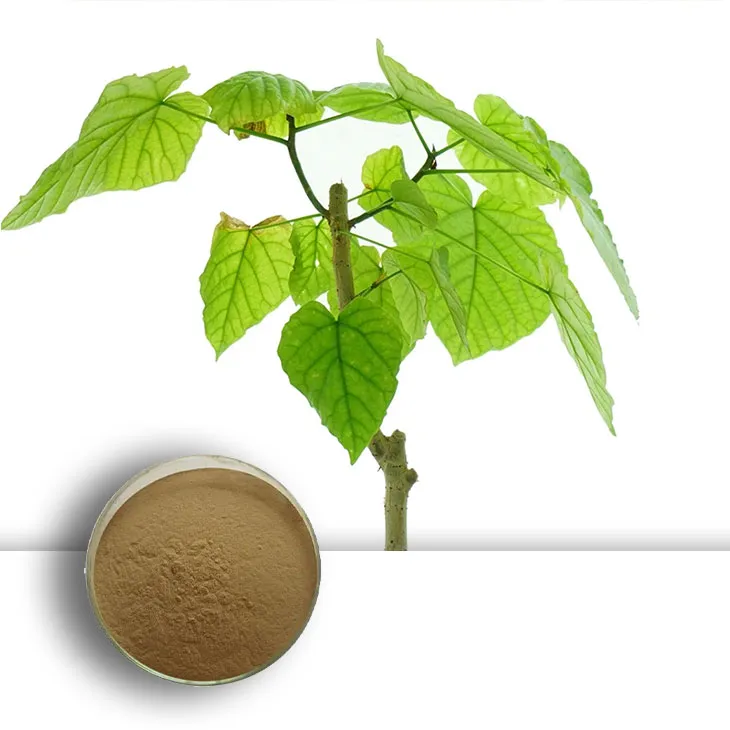
There are different varieties of mulberry trees, and each variety has its own characteristics. Some varieties are known for their high content of specific active ingredients. For example, certain white - mulberry varieties are rich in flavonoids, which are important bioactive compounds with antioxidant and anti - inflammatory properties. The selection of the appropriate variety is essential for raw material suppliers. They need to consider the end - use of the Mulberry leaf Extract and choose the variety that can best meet the requirements of the market in terms of quality and functionality.
3. Capabilities and Requirements of Cooperation Partners
3.1 Extraction Technology
One of the key aspects of cooperation partners in the Mulberry leaf Extract process is their extraction technology. Advanced extraction technologies can ensure a higher yield of active ingredients while maintaining their integrity. There are various extraction methods available, such as solvent extraction, supercritical fluid extraction, and microwave - assisted extraction. Solvent extraction is a commonly used method, but the choice of solvent is crucial. Partners need to select solvents that are safe, effective, and compliant with regulatory requirements. For example, ethanol is often used as a solvent in the extraction of Mulberry leaf Extracts due to its relatively low toxicity and good solubility for many bioactive compounds.
On the other hand, supercritical fluid extraction using carbon dioxide offers several advantages. It can operate at relatively low temperatures, which helps preserve the thermally sensitive components in the mulberry leaves. This method also allows for a more selective extraction, resulting in a purer extract. However, it requires specialized equipment and higher investment costs. Microwave - assisted extraction is a relatively new technology that can significantly reduce the extraction time by using microwave energy to heat the solvent and accelerate the mass transfer process. Cooperation partners with advanced extraction technology are more likely to produce high - quality Mulberry leaf Extracts with consistent quality.
3.2 Quality Control
Quality control is another important aspect for cooperation partners. They need to have a comprehensive quality control system in place to ensure that the Mulberry leaf Extract meets the required standards. This includes quality control at every stage of the extraction process, from raw material inspection to the final product testing. For raw material inspection, partners should check for factors such as the freshness of the mulberry leaves, the presence of contaminants, and the compliance with the specified variety. During the extraction process, parameters such as extraction time, temperature, and solvent concentration need to be closely monitored to ensure reproducibility and consistency of the product.
Final product testing is also crucial. Partners should conduct various tests to determine the content of active ingredients, such as flavonoids, alkaloids, and polysaccharides. They also need to check for the presence of harmful substances, such as heavy metals and pesticides residues. In addition, microbiological tests should be carried out to ensure the safety of the product. A reliable quality control system not only ensures the quality of the product but also helps build trust with customers and enhance the market competitiveness of the Mulberry leaf Extract.
3.3 Market Development
Cooperation partners also play an important role in market development. They need to have a deep understanding of the market trends and customer demands for Mulberry leaf Extracts. This includes knowledge of the different applications of Mulberry leaf Extracts, such as in the pharmaceutical, nutraceutical, and cosmetic industries. For example, in the pharmaceutical industry, Mulberry leaf Extracts are being studied for their potential in treating diabetes and hypertension. In the nutraceutical industry, they are used as dietary supplements due to their rich content of nutrients and bioactive compounds.
Partners should also be able to develop marketing strategies to promote the Mulberry leaf Extract products. This may involve identifying target markets, building brand awareness, and establishing distribution channels. For instance, they may target health - conscious consumers in developed countries by promoting the health benefits of Mulberry leaf Extracts through various marketing channels, such as social media, health magazines, and trade shows. Moreover, partners need to be able to adapt to the changing market demands and regulatory requirements. As the regulatory environment for natural products becomes more stringent, partners need to ensure that their products comply with all relevant regulations.
4. Comparison and Contrast between Partners and Raw Material Suppliers
Raw material suppliers mainly focus on the production and supply of high - quality mulberry leaves. Their success depends on factors such as the quality of their farming practices, the ability to select suitable varieties, and the management of the growth environment. They are responsible for ensuring that the mulberry leaves they supply meet the basic quality requirements in terms of origin, freshness, and absence of contaminants.
On the other hand, cooperation partners are more involved in the processing and development of Mulberry leaf Extracts. They need to have advanced extraction technologies, strict quality control systems, and strong market development capabilities. While raw material suppliers are the foundation of the Mulberry leaf Extract industry, cooperation partners are the key drivers for transforming the raw materials into high - value - added products and bringing them to the market.
However, there are also some areas of overlap between them. For example, both may need to be aware of the regulatory requirements related to mulberry leaf products. Raw material suppliers need to ensure that their farming practices comply with environmental and agricultural regulations, while cooperation partners need to ensure that their extraction processes and final products meet the relevant quality and safety standards.
5. Conclusion
In conclusion, in the Mulberry leaf Extract industry, it is essential to clearly distinguish between partners and raw material suppliers. Understanding the characteristics of high - quality mulberry leaf raw materials and the capabilities and requirements of cooperation partners can help industry players make more informed decisions in choosing the right business entities to work with. By leveraging the strengths of both raw material suppliers and cooperation partners, the Mulberry leaf Extract industry can achieve sustainable development and meet the growing market demands for high - quality natural products.
FAQ:
What are the key factors to consider when evaluating high - quality mulberry leaf raw materials?
When evaluating high - quality mulberry leaf raw materials, several factors need to be considered. The origin is important as different regions may have different soil, climate, and pollution levels, which can affect the quality of the leaves. A clean and unpolluted origin is preferred. The growth environment, such as the amount of sunlight, water availability, and air quality, also plays a role. Mulberry leaves grown in a favorable environment tend to be of better quality. Additionally, the variety of mulberry is crucial. Different varieties may have different chemical compositions and nutritional values.
What extraction technologies are commonly used in the Mulberry leaf Extract process?
Common extraction technologies in the Mulberry leaf Extract process include solvent extraction. This method uses solvents like ethanol or water to extract the active compounds from the mulberry leaves. Another technology is supercritical fluid extraction, which uses supercritical fluids such as carbon dioxide. It has the advantages of being more environmentally friendly and can often extract more pure and high - quality extracts. There is also microwave - assisted extraction, which can speed up the extraction process by using microwave energy.
How can quality control be ensured in the Mulberry leaf Extract process?
To ensure quality control in the Mulberry leaf Extract process, several steps can be taken. Firstly, strict inspection of raw materials is necessary. This includes checking for contaminants, proper variety, and freshness. During the extraction process, parameters such as temperature, pressure (in the case of some extraction methods), and extraction time need to be carefully controlled. After extraction, the extract should be tested for its active compound content, purity, and possible residues. Quality management systems, such as Good Manufacturing Practice (GMP), can be implemented to ensure consistent quality.
What are the market development trends for Mulberry leaf Extracts?
The market development trends for Mulberry leaf Extracts are diverse. There is an increasing demand in the health and wellness industry. Mulberry leaf Extracts are being used in dietary supplements due to their potential health benefits, such as blood sugar regulation and antioxidant properties. In the cosmetic industry, they are also being explored for their skin - improving properties. Additionally, with the growing interest in natural products, the market for Mulberry leaf Extracts is expected to expand further. However, competition is also intensifying, and companies need to focus on product differentiation, quality, and effective marketing strategies.
How can one distinguish between a good partner and a reliable raw material supplier in the Mulberry leaf Extract industry?
A good partner in the Mulberry leaf Extract industry typically has advanced extraction technology and strong research and development capabilities. They can contribute to improving the extraction process and developing new products. On the other hand, a reliable raw material supplier focuses on providing high - quality raw materials. They have a stable supply chain, ensure the quality of the mulberry leaves in terms of origin, variety, and growth environment. A good partner may also have a good market network and marketing skills, while a raw material supplier may be more concerned with agricultural aspects such as cultivation and harvesting techniques.
Related literature
- Advances in Mulberry leaf Extraction Technology"
- "Quality Assessment of Mulberry Leaf Raw Materials for Extract Production"
- "Market Opportunities and Challenges in Mulberry leaf Extract Industry"


-

Maca Extract
2024-12-05
-

Angelica sinensis extract
2024-12-05
-

Black Rice Extract
2024-12-05
-

Berberis aristata Extract
2024-12-05
-

Chaste Berry Extract
2024-12-05
-

Lemon Balm Extract
2024-12-05
-

Grapefruit Seed Extract Powder
2024-12-05
-

White mustard seed extract
2024-12-05
-

Green coffee bean Extract
2024-12-05
-

Kidney Bean Extract
2024-12-05