


1. Introduction
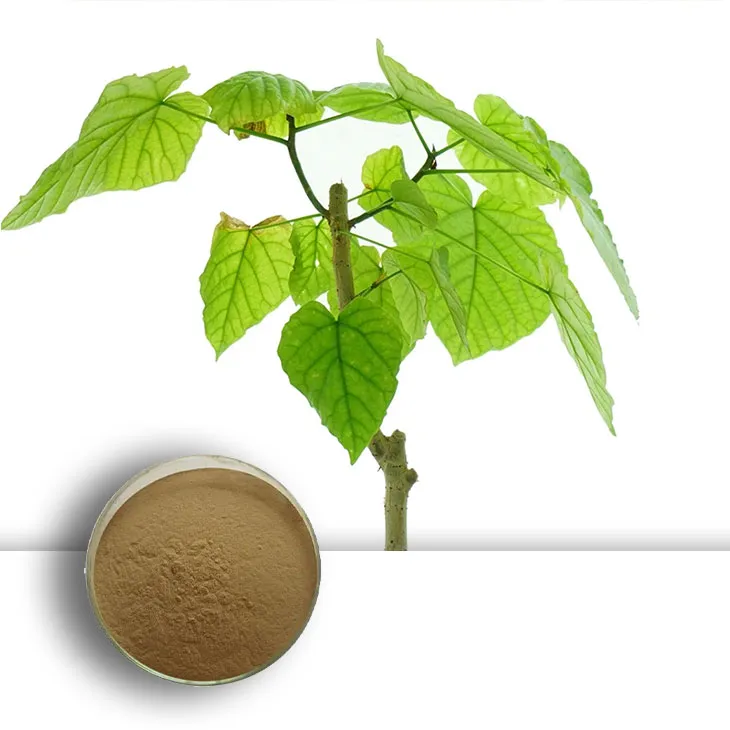
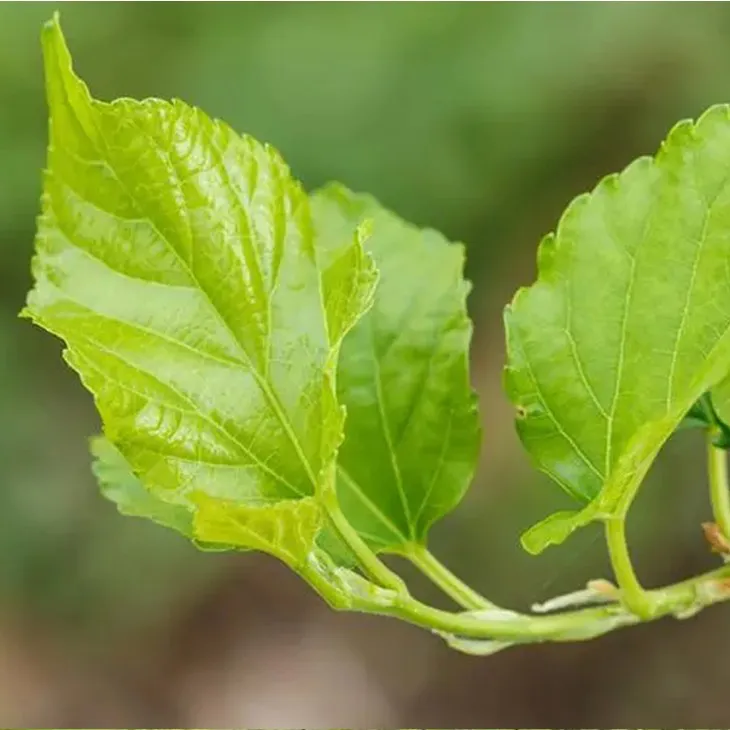
Mulberry leaf Extract has been emerging as a remarkable ingredient in the food and beverage industry. With its rich nutritional profile and unique flavor properties, it is becoming increasingly popular among manufacturers and consumers alike. This extract is derived from the leaves of the mulberry tree, which has a long history of use in traditional medicine in various cultures.
2. Nutritional Benefits
2.1 Rich in Antioxidants
Mulberry leaf Extract is packed with antioxidants such as flavonoids and phenolic compounds. These antioxidants play a crucial role in neutralizing free radicals in the body. Free radicals are unstable molecules that can cause damage to cells, leading to various health problems including aging, cancer, and heart disease. By consuming products containing Mulberry leaf Extract, consumers can potentially boost their antioxidant intake and protect their cells from oxidative stress.

2.2 Source of Vitamins and Minerals
The extract also contains a variety of vitamins and minerals. For example, it has Vitamin C, which is essential for a healthy immune system, collagen production, and iron absorption. Additionally, it contains minerals like potassium, which is important for maintaining proper heart function and regulating blood pressure. These nutritional components make Mulberry leaf Extract a valuable addition to fortified foods and beverages.
2.3 Potential Anti - Diabetic Properties
Some studies suggest that Mulberry leaf Extract may have anti - diabetic effects. It is believed to help regulate blood sugar levels by inhibiting certain enzymes involved in carbohydrate metabolism. This makes it an interesting ingredient for the development of products targeted at individuals with diabetes or those at risk of developing the disease.
3. Taste and Flavor Profile
3.1 Mild and Earthy Flavor
Mulberry leaf Extract has a mild, earthy flavor that can add a unique dimension to food and beverage products. It is not overpowering, which allows it to blend well with other flavors. In tea formulations, for instance, it imparts a pleasant, slightly herbal note that can be enjoyed on its own or combined with other herbs or fruits.
3.2 Complementary to Sweet and Savory
It can be used in both sweet and savory applications. In sweet products like desserts or smoothies, it can enhance the overall flavor profile by adding a touch of complexity. In savory dishes, it can provide an unexpected yet harmonious flavor, perhaps in a salad dressing or a marinade for meats.
4. Applications in Food
4.1 Bakery Products
- In bread, adding Mulberry leaf Extract can provide an additional nutritional boost. It can also contribute to a unique flavor that sets the bread apart from traditional varieties.
- Cookies and cakes can also benefit from the extract. It can be used to create novel flavor combinations, such as a mulberry - chocolate cake where the earthy notes of the extract complement the richness of the chocolate.
4.2 Dairy Products
- Yogurt is a prime candidate for incorporating Mulberry leaf Extract. It can be added to create a flavored yogurt with a natural, health - conscious appeal. The antioxidant properties of the extract can also help to preserve the freshness of the yogurt.
- Ice cream manufacturers can experiment with the extract to develop new and exciting flavors. A mulberry - leaf - flavored ice cream could target health - conscious consumers who are looking for a more nutritious yet indulgent treat.
4.3 Snacks
- For energy bars, Mulberry leaf Extract can be added to increase the nutritional value. It can also add a unique flavor that differentiates the bar from others on the market.
- Popcorn can be flavored with the extract, creating a healthy and interesting alternative to traditional buttery or sweet popcorn flavors.
5. Applications in Beverages
5.1 Tea
Mulberry leaf tea has been a traditional beverage in some cultures for centuries. In modern times, it can be blended with other teas such as green tea or black tea to create unique blends. The addition of Mulberry leaf Extract can enhance the antioxidant content of the tea and provide a distinct flavor. It can also be marketed as a specialty tea for consumers interested in natural and health - promoting beverages.
5.2 Juices and Smoothies
- In juices, Mulberry leaf Extract can be added to fruit juices to create a more complex flavor profile. For example, in an apple juice, it can add an earthy undertone that complements the sweetness of the apples.
- Smoothies are another great application. It can be combined with fruits, vegetables, and other superfoods to create a nutrient - dense and delicious drink. The extract's mild flavor won't overpower the other ingredients, but will instead add a subtle depth of flavor.
5.3 Functional Beverages
With its potential health benefits, Mulberry leaf Extract is a perfect ingredient for functional beverages. These can be designed to target specific health concerns such as blood sugar regulation or antioxidant supplementation. The extract can be combined with other ingredients like vitamins, minerals, and herbs to create a powerful and effective functional drink.
6. Product Innovation
6.1 Meeting Consumer Demands
Today's consumers are increasingly interested in products that are both healthy and delicious. Mulberry leaf Extract allows manufacturers to meet these demands by creating products that are rich in nutrition while also having appealing flavors. For example, a new line of breakfast cereals fortified with Mulberry leaf Extract can attract health - conscious consumers who are tired of the same old options.
6.2 Developing New Product Categories
The versatility of Mulberry leaf Extract also enables the development of new product categories. For instance, a mulberry - leaf - based sports recovery drink could be a new addition to the sports nutrition market. This drink could combine the extract's potential anti - inflammatory and antioxidant properties with other ingredients like electrolytes and amino acids to help athletes recover faster after exercise.
6.3 Collaborations and Cross - Category Blending
Manufacturers can also explore collaborations and cross - category blending. For example, a food company could collaborate with a skincare brand to create a product that contains Mulberry leaf Extract both as a food ingredient and as an ingredient in a skincare - related product. This could be based on the extract's antioxidant and anti - inflammatory properties that are beneficial for both internal and external health.
7. Challenges and Considerations
7.1 Sourcing and Quality Control
Ensuring a consistent supply of high - quality Mulberry leaf Extract can be a challenge. The quality of the extract can vary depending on factors such as the source of the mulberry leaves, the extraction method, and the processing conditions. Manufacturers need to work with reliable suppliers and implement strict quality control measures to ensure that the extract used in their products meets the required standards.
7.2 Regulatory Approval
Depending on the country or region, there may be regulatory requirements for using Mulberry leaf Extract in food and beverage products. Manufacturers need to be aware of these regulations and ensure that their products are compliant. This may involve obtaining necessary approvals and certifications before bringing products to market.
7.3 Consumer Acceptance
While Mulberry leaf Extract has many potential benefits, consumer acceptance may still be an issue in some markets. Some consumers may be unfamiliar with the ingredient or may have preconceived notions about its taste or efficacy. Manufacturers need to educate consumers about the benefits of the extract through effective marketing and product labeling.
8. Conclusion
Mulberry leaf Extract is a versatile ingredient with great potential in the food and beverage industry. Its nutritional benefits, unique flavor profile, and potential for product innovation make it an ingredient worth exploring. However, manufacturers need to address the challenges related to sourcing, regulatory compliance, and consumer acceptance in order to fully unlock its potential. As consumer demand for healthy and innovative food and beverage products continues to grow, Mulberry leaf Extract could play an important role in meeting these demands and shaping the future of the industry.
FAQ:
1. What are the nutritional benefits of Mulberry leaf Extract in food and beverage?
Mulberry leaf Extract is rich in nutrients. It contains flavonoids which have antioxidant properties, helping to fight against free radicals in the body. It also may have potential benefits for blood sugar regulation, which can be beneficial for those concerned with diabetes or maintaining stable blood sugar levels. Additionally, it can contribute to a healthy heart by potentially reducing cholesterol levels.
2. How can Mulberry leaf Extract enhance the taste of food and beverages?
Mulberry leaf Extract has a unique, slightly sweet and earthy flavor. In beverages, it can add a depth of flavor that is both refreshing and complex. In food, it can be used in small amounts to add an interesting note to the overall taste profile. For example, in baked goods, it can give a subtle, new flavor dimension. It can also blend well with other flavors such as fruits, creating harmonious and appealing taste combinations.
3. In what types of food products can Mulberry leaf Extract be used?
Mulberry leaf Extract can be used in a wide variety of food products. It can be added to teas, both herbal and traditional blends, to enhance their health - promoting properties and flavor. In the bakery industry, it can be incorporated into bread, cakes, and cookies. It is also suitable for use in dairy products like yogurt, where it can add both nutrition and a new taste. Moreover, it can be used in confectionery items such as chocolates and candies.
4. How does Mulberry leaf Extract contribute to product innovation in the food and beverage industry?
Mulberry leaf Extract offers a new and natural ingredient option for product developers. Its unique combination of nutritional benefits and flavor profile allows for the creation of novel products. For example, it can be the basis for new functional beverages targeted at health - conscious consumers. In food, it can inspire the development of new product lines with added health benefits, like mulberry - enhanced" snacks. It also provides an opportunity to differentiate products in a competitive market by offering something different and potentially more appealing to consumers.
5. Are there any potential side effects of using Mulberry leaf Extract in food and beverage?
When used in normal amounts in food and beverage applications, Mulberry leaf Extract is generally considered safe. However, some people may be allergic to it, so it's important to label products clearly. Also, in large amounts, due to its potential effects on blood sugar regulation, it could potentially cause hypoglycemia in some individuals, especially those already on blood - sugar - lowering medications. But in the context of typical food and beverage use, this is not a common concern.
Related literature
- "The Nutritional and Functional Properties of Mulberry leaf Extract in Food Systems"
- "Mulberry leaf Extract: A Novel Ingredient for Beverage Innovation"
- "Applications of Mulberry leaf Extract in Bakery and Confectionery Products"


-

Peppermint Oil
2025-01-10
-

Kupilu Extract
2025-01-10
-

Thunder God Vine Extract
2025-01-10
-

Purple Sweet Potato Extract
2025-01-10
-

Lemon Extract
2025-01-10
-

Epimedium extract powder
2025-01-10
-

Elderberry Extract
2025-01-10
-

Cocoa Extract
2025-01-10
-

Buckthorn bark extract
2025-01-10
-

Vitamin C
2025-01-10