


1. Introduction
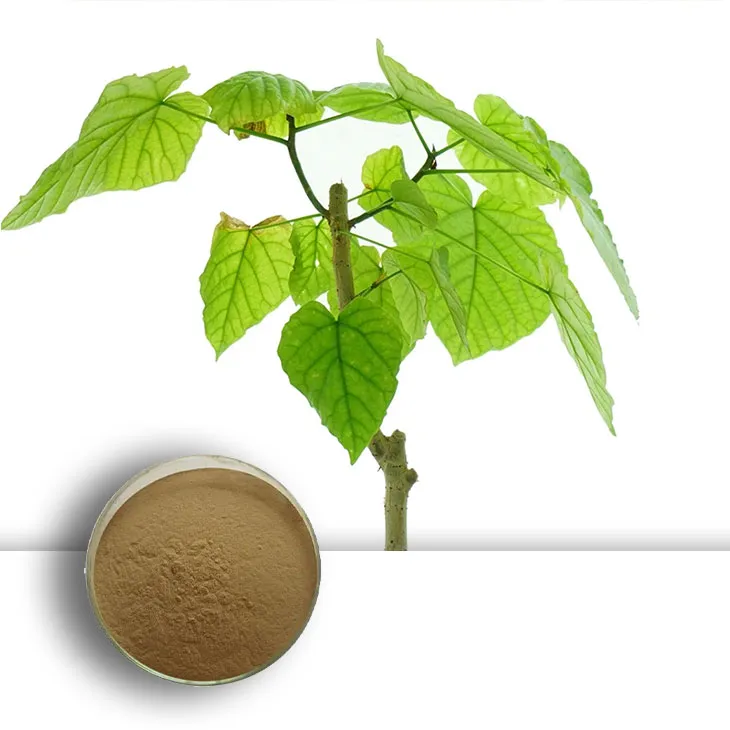
The B2B (business - to - business) market is a complex and diverse arena where various products and services are traded. In recent years, Mulberry leaf Extracts have emerged as a significant player, occupying a central position. This is not by chance but is due to their numerous and valuable properties. The extract is derived from the leaves of the mulberry tree, which has been cultivated for centuries in many parts of the world for different purposes such as silk production. However, modern research has uncovered a wide range of applications for its extracts in the B2B sector, making it an area of great interest and potential growth.
2. Applications in the Health - related B2B Sectors
2.1 Blood Sugar Regulation
One of the most notable aspects of Mulberry leaf Extracts in the health - related B2B market, particularly in the pharmaceutical and nutraceutical sectors, is its role in blood sugar regulation. Research has shown that certain compounds present in the extract can help in maintaining healthy blood sugar levels. For pharmaceutical B2B companies, this presents an opportunity to develop new drugs or supplements aimed at diabetes management. In the nutraceutical B2B market, products containing Mulberry leaf Extracts can be marketed as natural aids for those looking to support their blood sugar health. This is especially appealing as there is a growing demand for natural and plant - based solutions in the health market.

2.2 Other Health Benefits
Mulberry leaf Extracts also possess other potential health benefits that are relevant in the B2B context. For example, it has antioxidant properties. Antioxidants are highly sought - after in the health industry as they can help protect the body from damage caused by free radicals. B2B companies in the health sector can utilize these properties to develop products such as antioxidant - rich supplements or functional foods. Additionally, there is evidence to suggest that the extract may have anti - inflammatory effects. This could be of great value in the development of products for conditions related to inflammation, further expanding its potential applications in the pharmaceutical and nutraceutical B2B sectors.
3. Applications in the Textile B2B Industry
3.1 Connection to Silk Production
The mulberry tree has a long - standing association with the textile industry, mainly through silk production. Silk is produced by silkworms that feed on mulberry leaves. While the traditional focus has been on the silk itself, the Mulberry leaf Extract now has the potential to play a new role in the textile B2B industry. For example, in the production process, the extract could potentially be used to improve the quality of silk or silk - like fabrics. It may also be used in the treatment of silk fibres to enhance their properties such as strength, softness, or dye - ability.
3.2 Potential in Fabric Treatment
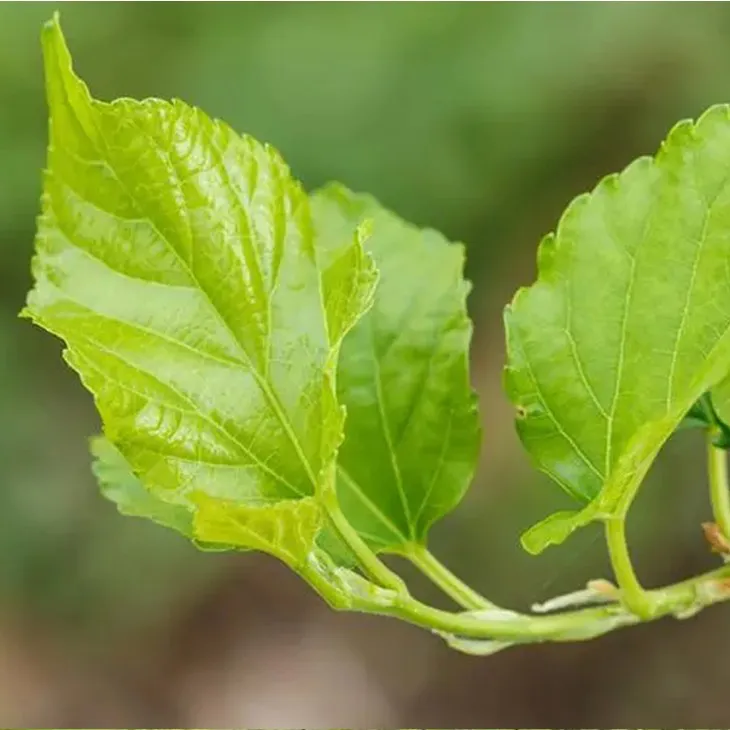
Beyond silk, Mulberry leaf Extracts may have broader applications in fabric treatment in the textile B2B industry. It could be explored as a natural alternative to some of the chemical agents currently used in fabric finishing. For instance, it may have properties that can make fabrics more resistant to wrinkles or fading. Fabric treatment using Mulberry leaf Extracts could also offer an eco - friendly option, which is becoming increasingly important in the textile industry as consumers are more conscious about environmental sustainability. This could give textile B2B companies a competitive edge by offering "green" fabric treatment solutions.
4. Applications in the Biotechnology B2B Companies
4.1 Molecular - level Studies
In the realm of biotechnology B2B companies, the study of Mulberry leaf Extracts at the molecular level is opening up new avenues for product development. By understanding the molecular composition of the extract, biotech companies can identify and isolate specific compounds with unique properties. These compounds can then be used as building blocks for the development of new drugs, bio - based materials, or diagnostic tools. For example, if a particular compound in the Mulberry leaf Extract has a specific interaction with a biological target relevant to a disease, it could be developed into a new therapeutic agent.
4.2 New Product Development Opportunities
The knowledge gained from molecular - level studies of Mulberry leaf Extracts also provides opportunities for biotech B2B companies to develop novel products in other areas. For instance, in the field of enzyme production, the extract may contain substances that can enhance or modulate enzyme activity. This could lead to the development of new enzyme - based products for various industrial applications. Additionally, the extract may have potential in gene expression regulation, which could be explored for the development of gene - therapy - related products or research tools.
5. Market Trends and Future Prospects
The growing interest in Mulberry leaf Extracts in the B2B field is also in line with several market trends. There is an increasing global focus on natural and sustainable products. Mulberry leaf Extracts, being plant - based, fit well into this trend. In the health B2B sectors, consumers are more inclined towards natural remedies and preventive healthcare, which further drives the demand for products containing Mulberry leaf Extracts. In the textile B2B industry, the push for environmental sustainability is making the exploration of natural fabric treatment options like Mulberry leaf Extracts more appealing.
Looking ahead, the future prospects for Mulberry leaf Extracts in the B2B field are quite promising. As research continues to uncover more about its properties and applications, more B2B companies are likely to enter the market. This will lead to increased competition, but also to further innovation. There is potential for the development of new extraction techniques to improve the quality and yield of the extract. In the health B2B sectors, we can expect to see more sophisticated products containing Mulberry leaf Extracts, such as targeted drug delivery systems or personalized nutraceuticals. In the textile B2B industry, the use of Mulberry leaf Extracts in fabric treatment may become more widespread and refined.
6. Conclusion
In conclusion, Mulberry leaf Extracts have firmly established themselves as a central element in the B2B field. Their diverse applications in the health, textile, and biotechnology B2B sectors, among others, are a testament to their great value. As market trends continue to favor natural and sustainable products, the future looks bright for Mulberry leaf Extracts in the B2B arena. B2B companies across different industries should keep a close eye on the development of this area and explore ways to incorporate Mulberry leaf Extracts into their product portfolios or business operations for potential growth and competitive advantage.
FAQ:
What are the main applications of Mulberry leaf Extracts in the B2B field?
In the B2B market related to health, it helps with blood sugar regulation, which is important for the pharmaceutical and nutraceutical sectors. In the textile B2B industry, it may have potential applications in fabric treatment as mulberry leaves are related to silk production. For bio - technology B2B companies, the study at the molecular level offers opportunities for new product development.
Why is Mulberry leaf Extract relevant to the pharmaceutical B2B sector?
Because it has been found to have positive impacts on human health, such as helping with blood sugar regulation, which makes it of great value in the pharmaceutical B2B sector for developing drugs or health - related products.
How can Mulberry leaf Extract be potentially used in the textile B2B industry?
Since mulberry leaves are related to silk production, the extract may have some potential applications in fabric treatment, although specific applications may still need further research and development.
What opportunities does Mulberry leaf Extract bring to bio - technology B2B companies?
The study of Mulberry leaf Extract at the molecular level provides opportunities for bio - technology B2B companies to develop new products. This could involve exploring new biological functions or developing novel biotechnology - based applications.
What makes Mulberry leaf Extract a focal point in the B2B domain?
Its multi - faceted value, including its applications in health - related B2B sectors for health benefits, potential in the textile B2B industry, and opportunities for biotechnology B2B companies, makes it a focal point in the B2B domain.
Related literature
- The Health Benefits and Industrial Applications of Mulberry leaf Extracts"
- "Mulberry leaf Extract: A Promising Ingredient in B2B Health and Textile Sectors"
- "Molecular Studies of Mulberry leaf Extract and Its Impact on B2B Biotechnology"


-

Hesperidin
2024-12-21
-

Lemon Balm Extract
2024-12-21
-

Vitamin D3
2024-12-21
-

Plantain extract
2024-12-21
-

Shikone Extract
2024-12-21
-

Ginger Extract
2024-12-21
-

Bitter Melon Extract
2024-12-21
-

Acerola Extract
2024-12-21
-

Sophora Japonica Flower Extract
2024-12-21
-

Konjac Powder
2024-12-21