


1. Introduction
In the world of procurement, obtaining the finest raw materials is crucial for the success of various industries. Cranberry Extract, in particular, has gained significant attention due to its numerous health benefits and wide - ranging applications in the food, pharmaceutical, and nutraceutical sectors. This article aims to provide a comprehensive guide on procuring Cranberry Extract, covering essential aspects from understanding its characteristics to ensuring the quality of the sourced product.
2. Understanding Cranberry Extract
2.1 Botanical Origins
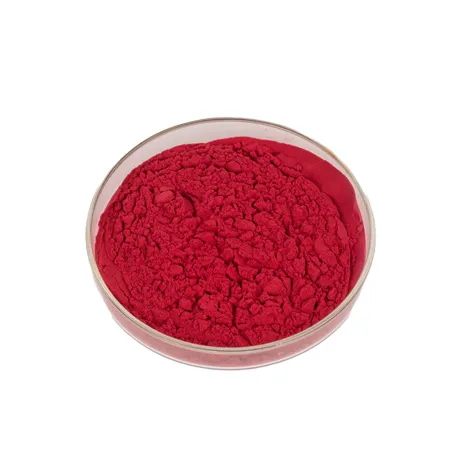
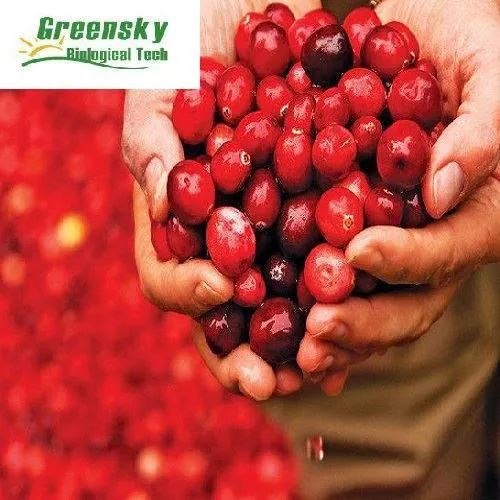
Cranberries (Vaccinium macrocarpon) are native to North America. They grow in acidic bogs and are typically harvested in the fall. The cranberry plant is a low - lying shrub with small, oval - shaped leaves and pink flowers. The berries themselves are small, red, and have a unique tart taste. Cranberry Extract is derived from these berries through various extraction methods.

2.2 Active Compounds
Cranberry Extract is rich in several active compounds that contribute to its beneficial properties. One of the most well - known is proanthocyanidins (PACs). PACs are a type of flavonoid that has been shown to play a role in urinary tract health by preventing bacteria from adhering to the urinary tract walls. Additionally, Cranberry Extract contains organic acids, such as benzoic acid and citric acid, which contribute to its tart flavor and may also have antimicrobial properties. Other compounds present include vitamins (such as Vitamin C and vitamin E), minerals, and antioxidants.
2.3 Health Benefits
- Urinary Tract Health: As mentioned, the PACs in Cranberry Extract can help prevent urinary tract infections (UTIs) by inhibiting the adhesion of Escherichia coli (E. coli), the most common cause of UTIs, to the urinary tract mucosa.
- Antioxidant Activity: The antioxidants in Cranberry Extract, including vitamins and flavonoids, can help neutralize free radicals in the body. Free radicals are unstable molecules that can cause oxidative stress and damage cells, leading to various health problems such as aging, heart disease, and cancer.
- Oral Health: Some studies suggest that Cranberry Extract may have benefits for oral health. It may help prevent the formation of dental plaque and gingivitis by inhibiting the growth of certain oral bacteria.
- Cardiovascular Health: The antioxidants and other compounds in Cranberry Extract may also contribute to cardiovascular health. They may help reduce inflammation, lower blood pressure, and improve blood lipid profiles.
3. Where to Find the Best Suppliers

3.1 Industry Trade Shows and Exhibitions
Attending industry trade shows and exhibitions is an excellent way to find reliable Cranberry Extract suppliers. These events bring together numerous companies from the cranberry and related industries. For example, events like the Natural Products Expo in the United States or international food and nutraceutical trade shows. At these shows, you can:- Meet suppliers face - to - face and discuss their product offerings, quality control measures, and production capabilities.
- Examine product samples on - site, which can give you a first - hand impression of the quality of the Cranberry Extract, including its color, texture, and smell.
- Network with other industry professionals who may be able to provide recommendations or insights into the reputation of different suppliers.
3.2 Online Directories
There are several online directories dedicated to listing raw material suppliers. Websites such as Thomasnet and Alibaba can be useful starting points. However, when using online directories, it is essential to:- Verify the credibility of the suppliers listed. Look for reviews, ratings, and any certifications or accreditations they may have.
- Contact the suppliers directly to ask for more detailed information about their Cranberry Extract products, such as the source of the cranberries, extraction methods, and quality control procedures.
- Be cautious of potential fraud or misrepresentation, especially when dealing with suppliers from overseas or those with little - known reputations.
3.3 Industry Associations
Industry associations related to cranberries or the food and nutraceutical sectors can be valuable resources for finding reputable suppliers. For example, the Cranberry Marketing Committee (CMC) in the United States provides information about cranberry growers and processors. These associations can:- Offer lists of member suppliers who adhere to industry standards and best practices.
- Provide educational resources and technical information about Cranberry Extract, which can help you make more informed procurement decisions.
- Facilitate communication between buyers and suppliers through networking events or matchmaking services.
4. Ensuring Product Purity and Potency
4.1 Quality Control Standards
When procuring Cranberry Extract, it is crucial to ensure that the product meets certain quality control standards. In the United States, the Food and Drug Administration (FDA) has regulations regarding food and dietary supplement products. Additionally, there are industry - specific standards such as those set by the United States Pharmacopeia (USP). Suppliers should be able to provide documentation证明 of compliance with these standards, such as:- Certificate of Analysis (CoA): This document details the results of various tests conducted on the Cranberry Extract, including assays for active compounds (such as PACs), purity tests, and tests for contaminants (such as heavy metals, pesticides, and microbial contaminants).
- Good Manufacturing Practice (GMP) Certification: GMP ensures that the manufacturing process of the Cranberry Extract is carried out in a clean, controlled, and quality - oriented environment. Suppliers with GMP certification are more likely to produce consistent and high - quality products.
4.2 Testing and Analysis
As a buyer, you may also consider conducting your own testing and analysis of the Cranberry Extract. This can involve:- Identity Testing: This confirms that the product is indeed Cranberry Extract and not a substitute or adulterated product. Techniques such as high - performance liquid chromatography (HPLC) can be used to identify the presence of characteristic compounds in Cranberry Extract, such as PACs.
- Purity Testing: This includes testing for the presence of contaminants, such as heavy metals (lead, mercury, etc.), pesticides, and solvents. Atomic absorption spectroscopy can be used for heavy metal analysis, while gas chromatography - mass spectrometry (GC - MS) can be used for pesticide and solvent analysis.
- Potency Testing: To ensure that the Cranberry Extract contains an adequate amount of active compounds. For example, testing for the concentration of PACs using appropriate analytical methods to verify that it meets the expected potency levels for the intended application.
4.3 Storage and Handling
Proper storage and handling of Cranberry Extract are essential to maintain its purity and potency. Cranberry Extract should be stored in a cool, dry place, away from direct sunlight and sources of heat. It is also important to:- Ensure proper packaging. The packaging should be airtight and moisture - proof to prevent degradation of the extract due to exposure to air or moisture.
- Follow proper handling procedures, such as using clean utensils and equipment when transferring or dispensing the extract, to avoid contamination.
- Monitor the shelf - life of the product. Different forms of Cranberry Extract (e.g., powder, liquid) may have different shelf - lives, and it is important to use the product within the recommended time frame.
5. Conclusion
Procuring the best Cranberry Extract requires a comprehensive understanding of the product, knowledge of where to find reliable suppliers, and the ability to ensure its purity and potency. By following the guidelines outlined in this article, procurement professionals can make more informed decisions when sourcing Cranberry Extract. This will not only result in high - quality products for end - users but also contribute to the overall success of the industries that rely on this valuable raw material.
FAQ:
What are the main characteristics of Cranberry Extract?
Cranberry Extract is known for its rich content of various beneficial compounds. It typically contains proanthocyanidins, which are associated with urinary tract health. It also has antioxidant properties that can help combat free radicals in the body. Additionally, Cranberry Extract may have anti - inflammatory effects and can potentially contribute to overall cardiovascular health.
How can one identify a reliable supplier of Cranberry Extract?
To identify a reliable supplier, look for those with a good reputation in the industry. Check for certifications such as Good Manufacturing Practice (GMP). A reliable supplier should also be able to provide detailed information about the source of the cranberries, the extraction process, and quality control measures. Customer reviews and testimonials can also be a useful indicator of a supplier's reliability.
What methods are used to ensure the purity of Cranberry Extract?
Several methods can be used to ensure purity. High - quality suppliers often use advanced extraction techniques to isolate the active compounds while minimizing impurities. Laboratory testing is crucial, including tests for contaminants such as heavy metals, pesticides, and microbial agents. Quality control throughout the production process, from raw material sourcing to final packaging, also helps maintain purity.
How is the potency of Cranberry Extract measured?
The potency of Cranberry Extract is often measured by the concentration of its active compounds, such as proanthocyanidins. Analytical methods like high - performance liquid chromatography (HPLC) are commonly used to determine the amount of these active ingredients. The potency can also be related to the effectiveness of the extract in achieving its claimed health benefits, which may be determined through in - vitro and in - vivo studies.
Are there any regulations governing the procurement of Cranberry Extract?
Yes, there are regulations. In many countries, dietary supplements, which include Cranberry Extract products, are regulated. For example, in the United States, the Food and Drug Administration (FDA) has certain regulations regarding the safety, labeling, and manufacturing of dietary supplements. Similar regulatory bodies exist in other countries, which ensure that products are safe and properly labeled for consumers.
Related literature
- The Health Benefits of Cranberry Extract: A Comprehensive Review"
- "Cranberry Extract: Production, Quality Control, and Market Trends"
- "Ensuring Purity and Potency in Cranberry Extract Procurement: Best Practices"


-
Cranberry Extract
2025-01-07
-

Vitamin D3
2025-01-07
-

L-Arginine
2025-01-07
-

Coconut Water Powder
2025-01-07
-

Dandelion Root Extract
2025-01-07
-

Kupilu Extract
2025-01-07
-

L-Tyrosine
2025-01-07
-

Almond Extract Powder
2025-01-07
-

Grape Seed Extract Powder
2025-01-07
-

Ginger Extract
2025-01-07