


1. Introduction
Artichoke (Cynara scolymus), a plant native to the Mediterranean region, has been recognized for its numerous health - promoting properties. The leaves of the artichoke are a rich source of bioactive compounds, such as cynarin, chlorogenic acid, and flavonoids. Artichoke Leaf Extract powder, especially in the 80 - 100 mesh range, has found applications in various industries, including pharmaceuticals, nutraceuticals, and the food industry. This article will delve into the detailed production process of this valuable extract powder.
2. Selection of Artichoke Leaves
2.1 Quality Criteria
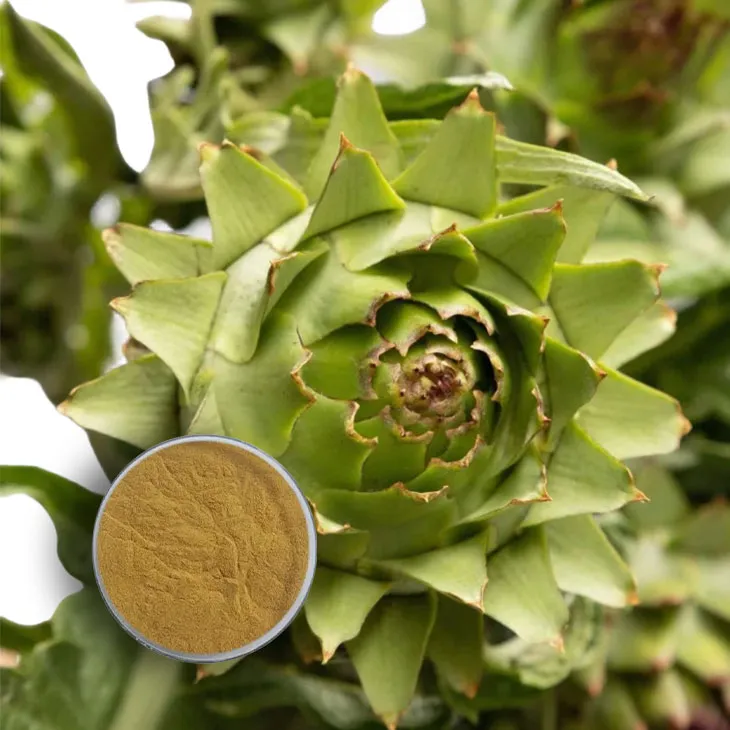
The first step in the production of Artichoke Leaf Extract powder is the careful selection of high - quality artichoke leaves. Freshness is a crucial factor. Leaves should be harvested at the appropriate time, usually when the artichoke plants are in their prime growth stage. This ensures that the leaves contain the highest levels of active components. Another important aspect is the absence of pests and diseases. Leaves showing signs of infestation or disease are rejected as they may introduce contaminants or affect the quality of the final extract.
2.2 Sourcing
Artichoke leaves can be sourced from various locations. However, it is important to ensure that the source adheres to good agricultural practices. Organic farms are often preferred as they minimize the use of pesticides and fertilizers, resulting in cleaner and more natural leaves. Additionally, leaves sourced from regions with a long - standing tradition of artichoke cultivation may have unique qualities due to the specific soil and climatic conditions.
3. Extraction of Active Components
3.1 Preparation of Leaves
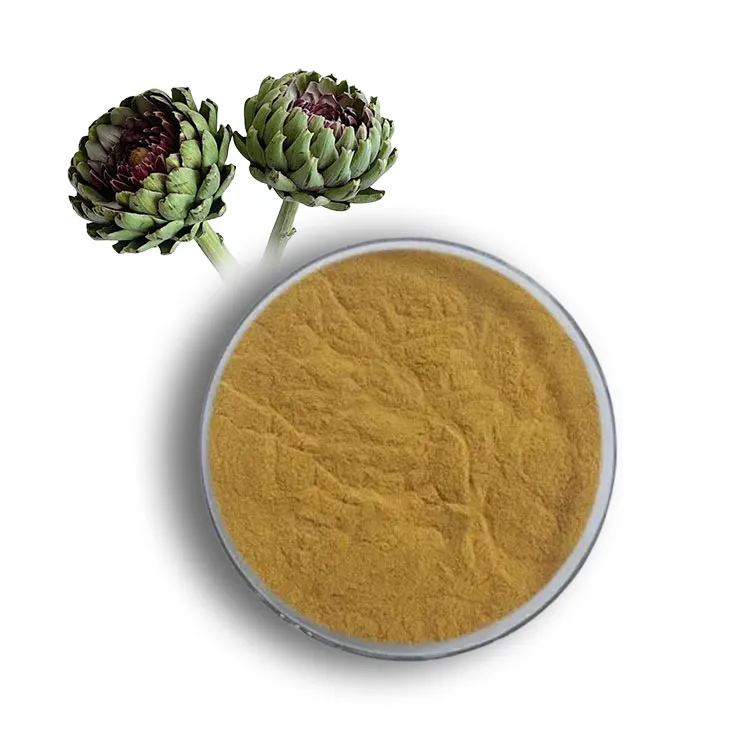
Once the artichoke leaves have been selected, they need to be properly prepared for extraction. This involves cleaning the leaves thoroughly to remove any dirt, debris, or residual pesticides. The leaves are then dried, either through natural air - drying or using specialized drying equipment. Drying helps to preserve the leaves and also concentrates the active components. After drying, the leaves are ground into a fine powder to increase the surface area for extraction.
3.2 Choice of Extraction Solvent
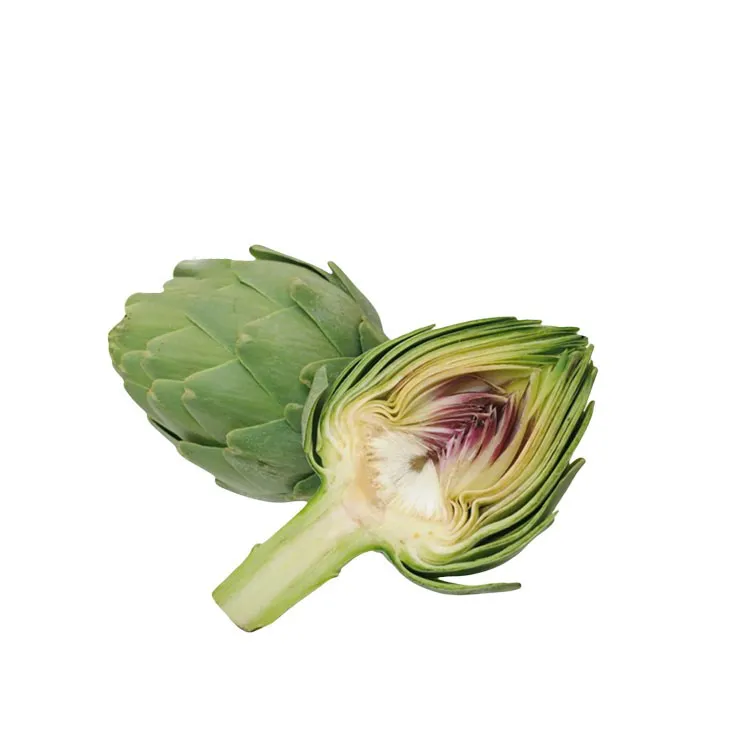
The choice of extraction solvent is critical in obtaining the desired active components from the artichoke leaves. Ethanol is a commonly used solvent due to its ability to dissolve a wide range of compounds, including cynarin and flavonoids. Water can also be used, either alone or in combination with ethanol. The ratio of solvent to leaf powder is carefully determined to optimize the extraction efficiency. For example, a typical ratio could be 5:1 (solvent:leaf powder) depending on the specific extraction method and the characteristics of the leaves.
3.3 Extraction Techniques
There are several extraction techniques available for Artichoke Leaf Extraction. Maceration is a simple and traditional method. In this process, the ground leaf powder is mixed with the extraction solvent and left to soak for a period of time, usually several hours to days. The mixture is stirred occasionally to ensure good contact between the solvent and the leaf powder. Another technique is Soxhlet extraction, which is more efficient for continuous extraction. In Soxhlet extraction, the leaf powder is placed in a Soxhlet apparatus, and the solvent is continuously recycled through the sample until the extraction is complete. This method can extract a higher proportion of the active components compared to maceration.
4. Processing of the Extract
4.1 Filtration
After the extraction process, the resulting mixture contains the active components dissolved in the solvent as well as some insoluble residues. Filtration is carried out to separate the liquid extract from the solid residues. This can be achieved using various types of filters, such as filter paper, membrane filters, or filter cartridges. The choice of filter depends on the desired purity of the extract and the nature of the residues. For example, if a high - purity extract is required for pharmaceutical applications, a membrane filter with a small pore size may be used.
4.2 Concentration
The filtered liquid extract usually has a relatively low concentration of active components. To increase the concentration, the extract is subjected to a concentration process. This can be done through evaporation, either under reduced pressure or at normal atmospheric pressure. Evaporation under reduced pressure is often preferred as it can be carried out at lower temperatures, which helps to preserve the integrity of the active components. As the solvent evaporates, the concentration of the active components in the extract increases.
5. Conversion to Powder Form (80 - 100 mesh)
5.1 Spray Drying
One of the most common methods for converting the concentrated extract into a powder is spray drying. In spray drying, the concentrated extract is sprayed into a hot air stream. The hot air rapidly evaporates the remaining solvent, leaving behind solid particles of the extract powder. The size of the powder particles can be controlled by adjusting various parameters such as the spray nozzle diameter, the flow rate of the extract, and the temperature and velocity of the hot air. To obtain an 80 - 100 mesh powder, these parameters need to be carefully optimized.
5.2 Other Drying Methods
Besides spray drying, other drying methods can also be used. Freeze - drying is another option. In freeze - drying, the concentrated extract is first frozen and then placed under a vacuum. The ice in the frozen extract sublimes directly from the solid state to the gaseous state, leaving behind a dry powder. Although freeze - drying can produce a high - quality powder with good preservation of the active components, it is generally more expensive and time - consuming compared to spray drying.
6. Quality Control and Packaging
6.1 Quality Control
Quality control is an essential part of the production process of Artichoke Leaf Extract powder. Various tests are carried out to ensure the quality of the final product. Chemical analysis is performed to determine the content of the active components, such as cynarin and flavonoids. Spectroscopic methods, such as high - performance liquid chromatography (HPLC), are often used for accurate quantification. Microbiological testing is also necessary to check for the presence of harmful microorganisms, such as bacteria, fungi, and yeasts. The powder must meet the relevant safety and quality standards for its intended applications.
6.2 Packaging
Once the Artichoke Leaf Extract powder has passed the quality control tests, it is ready for packaging. The packaging material should be selected based on the requirements of the product. For long - term storage, air - tight and moisture - proof packaging is essential to prevent the degradation of the powder due to oxidation and moisture absorption. For example, aluminum - foil - lined bags are commonly used for packaging Artichoke Leaf Extract powder. The packaging should also be labeled clearly with information such as the product name, the content of active components, the manufacturing date, the expiration date, and the recommended storage conditions.
7. Applications of Artichoke Leaf Extract Powder (80 - 100 mesh)
7.1 Pharmaceutical Industry
Artichoke Leaf Extract powder has potential applications in the pharmaceutical industry. The active components in the extract, such as cynarin and flavonoids, have been shown to have antioxidant, anti - inflammatory, and hepatoprotective properties. It may be used in the development of drugs for liver diseases, such as hepatitis and cirrhosis. Additionally, the extract powder may also be used in dietary supplements to promote overall health and well - being.
7.2 Food Industry
In the food industry, Artichoke Leaf Extract powder can be used as a natural flavor enhancer and a functional ingredient. It can be added to various food products, such as beverages, baked goods, and dairy products. The antioxidant properties of the extract powder can help to extend the shelf life of food products by preventing oxidative rancidity. Moreover, the unique flavor of artichoke can add a distinct taste to food products.
FAQ:
What are the key factors in selecting high - quality artichoke leaves for extraction?
The key factors include the freshness of the leaves. Fresh leaves are more likely to contain a high amount of active components. Also, the origin of the leaves matters. Leaves from regions with suitable soil and climate conditions may have better quality. Additionally, the absence of pests and diseases on the leaves is crucial as damaged leaves may affect the quality of the extract.
What is the specialized extraction method used for Artichoke Leaf Extract?
Common extraction methods include solvent extraction. For example, using ethanol as a solvent. The artichoke leaves are soaked in the solvent, and through processes such as filtration and concentration, the active components are separated from the leaves. Another method could be supercritical fluid extraction which uses substances like carbon dioxide under specific pressure and temperature conditions to extract the active components effectively.
How is the liquid obtained from extraction converted into 80 - 100 mesh powder?
Typically, processes like spray drying or freeze - drying are used. In spray drying, the liquid is sprayed into a hot drying chamber, and the water evaporates quickly, leaving behind fine powder particles. Freeze - drying involves freezing the liquid first and then removing the ice by sublimation, resulting in a powder form. The powder is then sieved to ensure it is in the 80 - 100 mesh range.
What are the potential health - promoting properties of Artichoke Leaf Extract powder?
It may have antioxidant properties, which can help combat free radicals in the body. It may also aid in digestion. Some studies suggest that it can support liver function by promoting the production of bile. Additionally, it may have anti - inflammatory effects, which could be beneficial for overall health.
How is Artichoke Leaf Extract powder used in the food industry?
It can be used as an ingredient in functional foods. For example, it can be added to dietary supplements in the form of capsules or tablets. It can also be incorporated into food products like beverages, such as herbal teas, to provide additional health benefits. In some cases, it can be used as a natural flavor enhancer or preservative.
Related literature
- The Chemical Composition and Biological Activities of Artichoke (Cynara scolymus L.)"
- "Extraction and Characterization of Bioactive Compounds from Artichoke Leaves"
- "Potential Applications of Artichoke Leaf Extract in the Food and Pharmaceutical Industries"


-

Withania Somnifera Extract
2025-01-09
-

Purple Sweet Potato Extract
2025-01-09
-

D-Mannose
2025-01-09
-

Peppermint Oil
2025-01-09
-

Pomegranate Extract
2025-01-09
-

Oat Straw Extract Powder
2025-01-09
-

Fenugreek Extract Powder
2025-01-09
-

Almond Extract Powder
2025-01-09
-

Hawthorn Extract
2025-01-09
-

Hericium erinaceus extract powder
2025-01-09