


1. Introduction
Artichoke (Cynara scolymus) is a plant known for its various health benefits. The leaves of the artichoke are rich in bioactive compounds such as cynarin, chlorogenic acid, and flavonoids. Artichoke Leaf Extract has been used in traditional medicine for centuries and is now also gaining popularity in the modern pharmaceutical and nutraceutical industries. Understanding the production methods of Artichoke Leaf Extract is crucial for ensuring its quality, efficacy, and safety.
2. Traditional Extraction Methods
2.1 Maceration
Maceration is one of the simplest and most traditional methods of extracting Artichoke Leaf Extract.
- First, the artichoke leaves are dried and ground into a fine powder. This increases the surface area of the plant material, allowing for better extraction.
- The powdered leaves are then placed in a suitable solvent, such as ethanol or water. Ethanol is often preferred as it can dissolve a wide range of bioactive compounds. The ratio of plant material to solvent is an important factor, usually ranging from 1:5 to 1:10 (plant material: solvent).
- The mixture is left to stand at room temperature for a period of time, which can range from a few days to several weeks. During this time, the solvent gradually penetrates the plant cells and extracts the bioactive compounds.
- After the maceration period, the mixture is filtered to separate the liquid extract from the solid plant residue. The filtrate is then concentrated under reduced pressure to obtain a more concentrated Artichoke Leaf Extract.
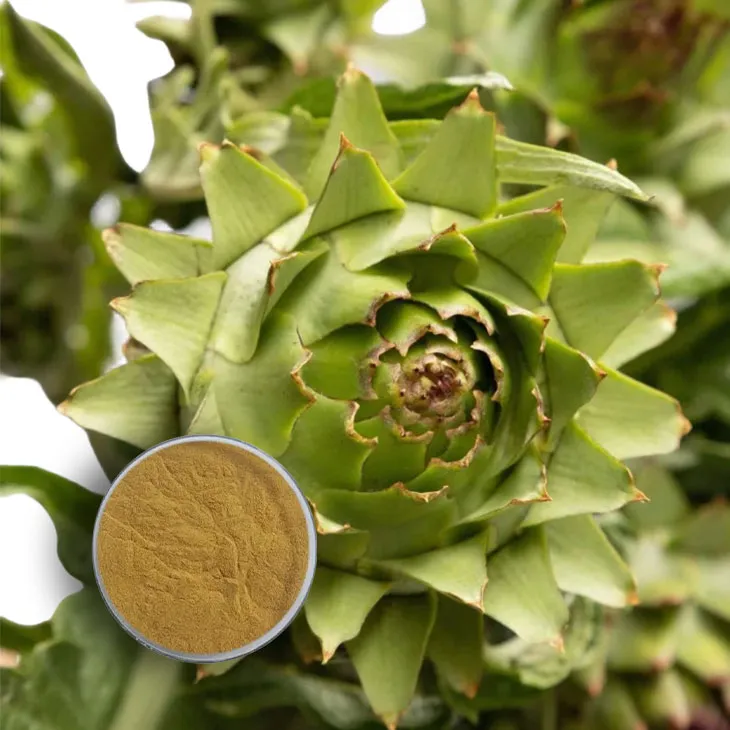
2.2 Percolation
Percolation is another traditional extraction technique.
- The dried and powdered artichoke leaves are packed into a percolator, which is a cylindrical container with a perforated base. A filter paper or cloth may be placed at the bottom to prevent the plant material from escaping.
- The solvent is then slowly poured onto the top of the plant material in the percolator. As the solvent passes through the plant material, it extracts the bioactive compounds.
- The percolation process can be continuous, with fresh solvent being added at the top as the extract is collected from the bottom. This allows for a more thorough extraction compared to maceration.
- Similar to maceration, the percolate (the liquid extract) is then filtered and concentrated to obtain the final Artichoke Leaf Extract.
3. Modern Extraction Technologies
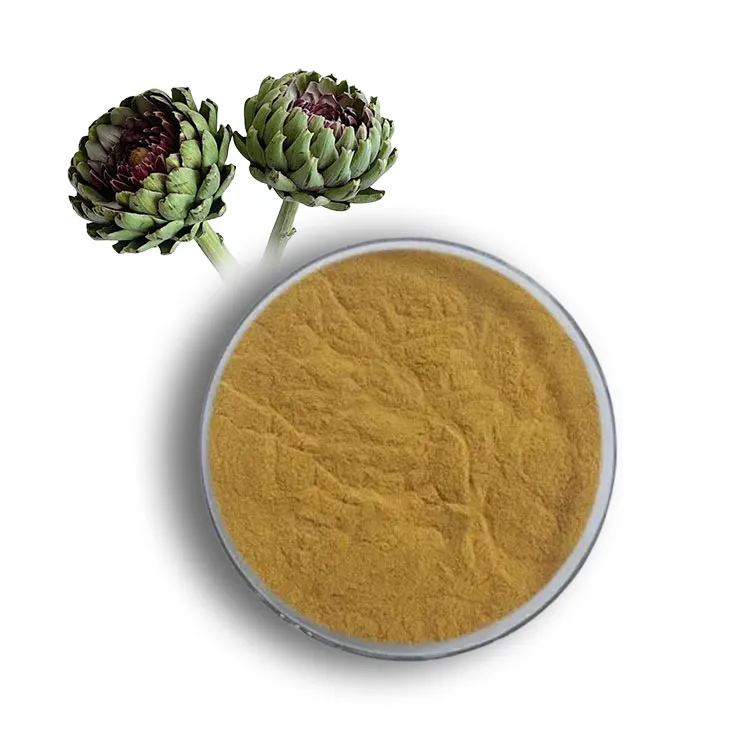
3.1 Supercritical Fluid Extraction (SFE)
Supercritical fluid extraction is an advanced and relatively new technology in the field of plant extract production.
- Supercritical fluids are substances that are above their critical temperature and critical pressure. In the case of Artichoke Leaf Extraction, carbon dioxide (CO₂) is often used as the supercritical fluid. CO₂ has several advantages, including being non - toxic, non - flammable, and easily removable from the extract.
- The artichoke leaves are first dried and ground. The ground leaves are then placed in an extraction vessel.
- The CO₂ is pressurized and heated to its supercritical state. In this state, it has the properties of both a liquid and a gas, allowing it to penetrate the plant cells and extract the bioactive compounds more effectively than traditional solvents.
- The supercritical CO₂ with the dissolved bioactive compounds is then passed through a separator, where the pressure is reduced. This causes the CO₂ to return to its gaseous state, leaving behind the concentrated Artichoke Leaf Extract.
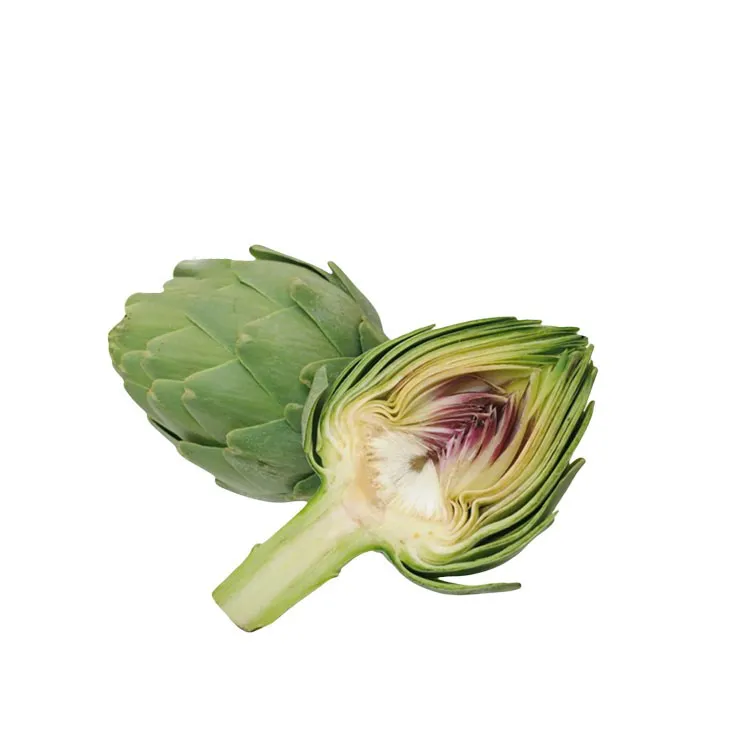
3.2 Ultrasonic - Assisted Extraction
Ultrasonic - assisted extraction utilizes ultrasonic waves to enhance the extraction process.
- The artichoke leaves are prepared in a similar way as in the traditional methods, by drying and grinding them.
- The powdered leaves are placed in a solvent (such as ethanol or water) in an extraction vessel.
- Ultrasonic waves are then applied to the extraction vessel. The ultrasonic waves create cavitation bubbles in the solvent. When these bubbles collapse, they generate intense local heating and pressure, which helps to break open the plant cells and release the bioactive compounds more efficiently.
- After the extraction period, the mixture is filtered and concentrated to obtain the Artichoke Leaf Extract.
3.3 Microwave - Assisted Extraction
Microwave - assisted extraction is another modern extraction technique.
- The dried and ground artichoke leaves are mixed with a solvent in a microwave - compatible vessel.
- The mixture is then exposed to microwave radiation. Microwave energy is absorbed by the solvent and the plant material, causing rapid heating. This rapid heating leads to the expansion of plant cells and the efficient release of bioactive compounds into the solvent.
- After the microwave treatment, the mixture is filtered and concentrated as in other extraction methods.
4. Comparison of Different Production Methods
- Extraction Efficiency: Modern methods such as supercritical fluid extraction, ultrasonic - assisted extraction, and microwave - assisted extraction generally have higher extraction efficiencies compared to traditional methods like maceration and percolation. They can extract a greater amount of bioactive compounds in a shorter time.
- Solvent Residue: Traditional methods often use organic solvents like ethanol, which may leave some solvent residue in the final extract. In contrast, supercritical fluid extraction using CO₂ leaves no solvent residue, making it a cleaner option.
- Equipment Cost: Traditional methods require relatively simple and inexpensive equipment, such as glassware for maceration and percolation equipment. Modern methods, especially supercritical fluid extraction, require specialized and expensive equipment, which can be a significant investment.
- Extraction Time: Modern methods are generally much faster. For example, microwave - assisted extraction can be completed in minutes, while maceration may take days or weeks.
- Selectivity: Supercritical fluid extraction has the advantage of being able to selectively extract certain compounds, which is more difficult to achieve with traditional methods.
5. Quality Control in Artichoke Leaf Extract Production
- Raw Material Selection: High - quality artichoke leaves should be selected for extraction. The leaves should be free from contaminants such as pesticides, heavy metals, and microbial contaminants. They should also be harvested at the appropriate time to ensure maximum bioactive compound content.
- Extraction Process Monitoring: During the extraction process, parameters such as temperature, pressure (in the case of supercritical fluid extraction), extraction time, and solvent - to - plant material ratio should be carefully monitored and controlled. Any deviation from the optimal parameters may affect the quality and yield of the extract.
- Analysis of the Extract: After extraction, the Artichoke Leaf Extract should be analyzed for its content of bioactive compounds such as cynarin and chlorogenic acid. This can be done using techniques such as high - performance liquid chromatography (HPLC). The extract should also be tested for its safety, including microbial contamination and heavy metal content.
6. Conclusion
There are various methods for producing Artichoke Leaf Extract, ranging from traditional maceration and percolation to modern techniques such as supercritical fluid extraction, ultrasonic - assisted extraction, and microwave - assisted extraction. Each method has its own advantages and disadvantages in terms of extraction efficiency, solvent residue, equipment cost, extraction time, and selectivity. Quality control throughout the production process is essential to ensure the production of high - quality Artichoke Leaf Extract with consistent bioactive compound content and safety. As the demand for natural products such as Artichoke Leaf Extract continues to grow, further research and development in extraction methods may lead to more efficient and sustainable production processes in the future.
FAQ:
What are the traditional methods for producing Artichoke Leaf Extract?
The traditional methods for producing Artichoke Leaf Extract mainly include maceration and percolation. Maceration involves soaking the artichoke leaves in a solvent (such as ethanol or water) for a certain period to allow the active components to dissolve into the solvent. Percolation is a process where the solvent is slowly passed through a bed of artichoke leaves to extract the desired substances.
How does supercritical fluid extraction work in Artichoke Leaf Extract production?
In supercritical fluid extraction for Artichoke Leaf Extract production, a supercritical fluid (commonly carbon dioxide) is used. The supercritical fluid has properties between a gas and a liquid. It can penetrate the plant material effectively. The artichoke leaves are placed in a chamber, and the supercritical fluid is passed through them. By adjusting the pressure and temperature, the active components in the artichoke leaves can be selectively extracted into the supercritical fluid. Then, by changing the conditions, the extract can be separated from the supercritical fluid.
What are the advantages of using modern extraction techniques like supercritical fluid extraction over traditional ones?
Modern extraction techniques such as supercritical fluid extraction have several advantages over traditional methods. Firstly, supercritical fluid extraction can be more selective, allowing for the extraction of specific active components while minimizing the extraction of unwanted substances. Secondly, it is a cleaner process as it often uses less toxic solvents (e.g., carbon dioxide). Also, it can operate at lower temperatures compared to some traditional methods, which helps to preserve the integrity of heat - sensitive active components in artichoke leaves.
What factors should be considered when choosing a method for Artichoke Leaf Extract production?
When choosing a method for Artichoke Leaf Extract production, several factors need to be considered. The type and quality of the desired active components play a role. For example, if certain heat - sensitive compounds are of particular interest, a method with lower temperature requirements like supercritical fluid extraction may be preferred. Cost is also an important factor, including the cost of equipment, solvents, and labor. The scale of production matters as well; large - scale production may require more efficient and cost - effective methods. Additionally, environmental impact, such as the use of solvents and waste generation, should be taken into account.
Are there any quality control measures specific to Artichoke Leaf Extract production?
Yes, there are quality control measures specific to Artichoke Leaf Extract production. Firstly, the quality of the raw artichoke leaves should be monitored, ensuring they are free from contaminants and of the appropriate variety. During the extraction process, parameters such as extraction time, temperature, and solvent - to - material ratio need to be controlled to ensure consistent product quality. After extraction, the extract should be analyzed for its active component content, purity, and potential presence of impurities. This may involve techniques such as chromatography to identify and quantify the components.
Related literature
- Artichoke Leaf Extract: Properties and Applications"
- "Advances in Extraction Technologies for Herbal Extracts: The Case of Artichoke"
- "Traditional and Modern Extraction Methods of Artichoke Leaf Extract: A Comparative Study"


-

Senna Leaf Extract
2024-12-11
-

Sea buckthorn Juice Powder
2024-12-11
-

Melatonin
2024-12-11
-

Vitamin C
2024-12-11
-

Curcuma Longa Extract/Turmeric extract
2024-12-11
-

Acerola Extract
2024-12-11
-

Baicalin
2024-12-11
-

Yam Extract
2024-12-11
-

S-Adenosyl L-methionine(SAMe)
2024-12-11
-

Milk Thistle Extract
2024-12-11