


1. Introduction to Astaxanthin
Astaxanthin is a naturally occurring carotenoid pigment that has drawn significant attention in recent years due to its numerous potential health benefits and wide - ranging applications. It is typically found in marine organisms such as microalgae, salmon, and shrimp. This compound is known for its antioxidant properties, which are far more powerful than many other common antioxidants like Vitamin C and vitamin E.
In nature, Astaxanthin serves multiple functions. For example, in fish and shellfish, it not only provides the characteristic pink or red color but also plays a crucial role in protecting the organisms from environmental stressors. Its antioxidant capabilities help to neutralize free radicals, which can cause damage to cells and tissues.
2. The Significance of Reducing Particle Size
2.1 In the Nutraceutical Industry
Reducing the particle size of Astaxanthin has a profound impact on its effectiveness in the nutraceutical industry. When the particles are made smaller, they possess a higher surface - to - volume ratio. This means that there is more surface area available for interaction with the body's digestive system. As a result, the absorption and utilization of Astaxanthin are significantly enhanced.
- For instance, in supplement form, smaller Astaxanthin particles can be more easily broken down by the body's enzymes, allowing for quicker and more complete absorption into the bloodstream.
- It also enables a more targeted delivery of Astaxanthin to the cells where it can exert its antioxidant and other beneficial effects. This is especially important as the body's cells are constantly exposed to oxidative stress, and the efficient delivery of Astaxanthin can help protect them.
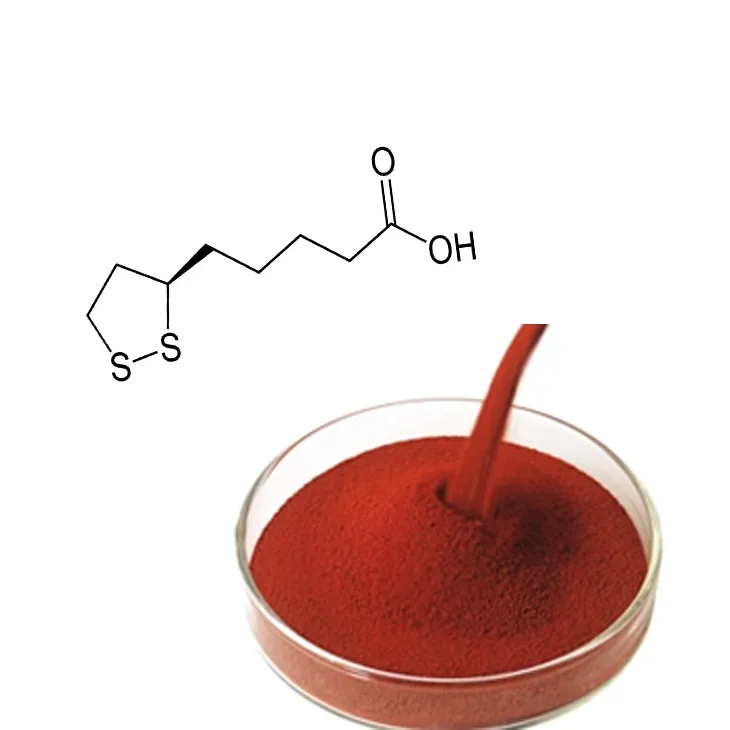
2.2 In the Aquaculture Sector
In the aquaculture industry, the processing of Astaxanthin to reduce particle size is equally crucial. Farmed fish, such as salmon, trout, and shrimp, often require additional Astaxanthin in their diet to achieve the desired coloration. This is because their natural sources of Astaxanthin may be limited in the artificial rearing environment.
- When the Astaxanthin particles are refined to a smaller size, they can be more effectively incorporated into fish feed. The smaller particles are more likely to be evenly distributed throughout the feed, ensuring that each fish receives an adequate amount of Astaxanthin.
- Moreover, the enhanced absorption of Astaxanthin due to the smaller particle size also contributes to the overall health of the farmed fish. It helps to strengthen their immune system, improve their growth rate, and increase their resistance to diseases.
3. Methods for Reducing Astaxanthin Particle Size

3.1 Mechanical Methods
One of the most common approaches to reducing Astaxanthin particle size is through mechanical means. This includes techniques such as grinding and milling.
- Grinding involves the use of equipment like ball mills or mortar and pestle. In a ball mill, small balls made of a hard material, such as ceramic or steel, are placed in a container along with the Astaxanthin sample. As the container rotates, the balls collide with the Astaxanthin, gradually breaking it down into smaller particles.
- Milling, on the other hand, typically uses a milling machine with sharp blades or rollers. The Astaxanthin is passed through the milling device, which cuts and crushes it into smaller pieces. However, these mechanical methods need to be carefully controlled to avoid over - processing, which could potentially damage the Astaxanthin molecule.

3.2 Chemical and Solvent - Based Methods
Chemical and solvent - based methods can also be employed to reduce the particle size of Astaxanthin.
- Some solvents can dissolve Astaxanthin, and by carefully controlling the solvent evaporation process, the Astaxanthin can be re - precipitated in the form of smaller particles. However, the choice of solvent is critical as it must be safe for the intended application, especially in the nutraceutical and aquaculture industries where any residual solvent could pose a risk.
- Chemical additives can also be used to modify the surface properties of Astaxanthin particles, causing them to aggregate into smaller clusters. But again, the safety and regulatory compliance of these additives need to be thoroughly considered.
3.3 Emerging Technologies
In recent years, several emerging technologies have shown promise in reducing Astaxanthin particle size.
- Nanotechnology - based approaches, such as the use of nano - emulsions, can encapsulate Astaxanthin in very small droplets. These nano - emulsions can improve the solubility and bioavailability of Astaxanthin, effectively reducing its effective particle size at the physiological level.
- High - pressure homogenization is another technique. By subjecting the Astaxanthin - containing solution to high - pressure conditions, the particles can be broken down into smaller sizes. This method has the advantage of being relatively clean and not requiring the use of potentially harmful solvents or additives.
4. Challenges in Reducing Astaxanthin Particle Size
4.1 Maintaining the Integrity of Astaxanthin
One of the major challenges in reducing the particle size of Astaxanthin is maintaining the integrity of the molecule itself. Astaxanthin is a sensitive compound, and some of the processing methods, especially those involving high - energy mechanical forces or certain chemicals, can potentially cause degradation or chemical modification of the Astaxanthin.
- For example, excessive grinding or milling can lead to the breakage of chemical bonds within the Astaxanthin molecule, reducing its antioxidant potency. Therefore, it is essential to find the optimal processing conditions that can effectively reduce particle size while preserving the beneficial properties of Astaxanthin.
4.2 Cost - Effectiveness
The cost - effectiveness of particle size reduction methods is also a significant consideration. Some of the more advanced techniques, such as nanotechnology - based approaches or high - pressure homogenization, may require expensive equipment and specialized expertise.
- While these methods may offer superior results in terms of particle size reduction and improved properties of Astaxanthin, their high cost can limit their widespread adoption, especially in the aquaculture industry where cost - control is crucial for profitability.
4.3 Regulatory and Safety Concerns
Regulatory and safety concerns play a vital role in the development and implementation of particle size reduction methods for Astaxanthin.
- Any new method or chemical used in the processing must comply with strict regulatory requirements, especially in the nutraceutical and food industries. For example, if solvents are used, there are limits on the types and amounts of residual solvents that are acceptable in the final product.
- Similarly, if chemical additives are employed to reduce particle size, their safety for human and animal consumption needs to be thoroughly evaluated. This includes considerations such as potential toxicity, allergenicity, and long - term health effects.
5. Future Perspectives
Despite the challenges, the future of professional processing of Astaxanthin with a focus on particle size reduction looks promising.
- Research is ongoing to develop more efficient and cost - effective methods that can overcome the current limitations. For example, there is a continuous search for new solvents or additives that are both safe and effective in reducing particle size without compromising the quality of Astaxanthin.
- Advances in nanotechnology and related fields are expected to provide more innovative solutions. These could include the development of more stable nano - formulations of Astaxanthin that can improve its delivery and bioavailability while also reducing particle size in a more controlled and efficient manner.
- As the demand for Astaxanthin in both the nutraceutical and aquaculture industries continues to grow, there will be increased incentives for companies and researchers to invest in the improvement of particle size reduction processes. This will likely lead to more refined and optimized processing methods in the future.
FAQ:
1. What are the main benefits of reducing the particle size of Astaxanthin in the nutraceutical industry?
The main benefit in the nutraceutical industry is that with a reduced particle size, Astaxanthin has a higher surface - to - volume ratio. This leads to more efficient absorption and utilization in the human body.
2. How does reducing the particle size of Astaxanthin affect aquaculture?
In aquaculture, reducing the particle size of Astaxanthin means it can be more effectively incorporated into fish feed. This enhances the color and health of farmed fish as they can better take in the Astaxanthin.
3. What methods are commonly used to reduce the particle size of Astaxanthin?
Common methods may include mechanical grinding, such as using ball mills or high - pressure homogenizers. Another approach could be microfluidization techniques which can break down the particles to a smaller size.
4. Are there any challenges in reducing the particle size of Astaxanthin?
Yes, there are challenges. For example, over - processing may lead to degradation of Astaxanthin. Also, maintaining the stability of the reduced - size particles can be difficult as they may be more prone to aggregation.
5. How can the quality of Astaxanthin be maintained during the particle size reduction process?
To maintain the quality, proper processing conditions need to be controlled. This includes factors like temperature, pressure, and the use of appropriate stabilizers. Also, choosing the right processing method that is gentle enough not to cause degradation is crucial.
Related literature
- Advances in Astaxanthin Processing for Enhanced Bioavailability"
- "Particle Size Reduction of Astaxanthin: Impact on Aquaculture and Nutraceutical Applications"
- "Optimizing Astaxanthin Processing: The Role of Particle Size Manipulation"


-

Kupilu Extract
2024-12-06
-

Ginkgo Biloba Extract
2024-12-06
-

L-Theanine Powder
2024-12-06
-

Mango flavored powder
2024-12-06
-

Beetroot Powder
2024-12-06
-

Quercetin
2024-12-06
-

Resveratrol Extract
2024-12-06
-

Saffron Extract Powder
2024-12-06
-

Hericium erinaceus extract powder
2024-12-06
-

Bitter Melon Extract
2024-12-06