


1. Introduction
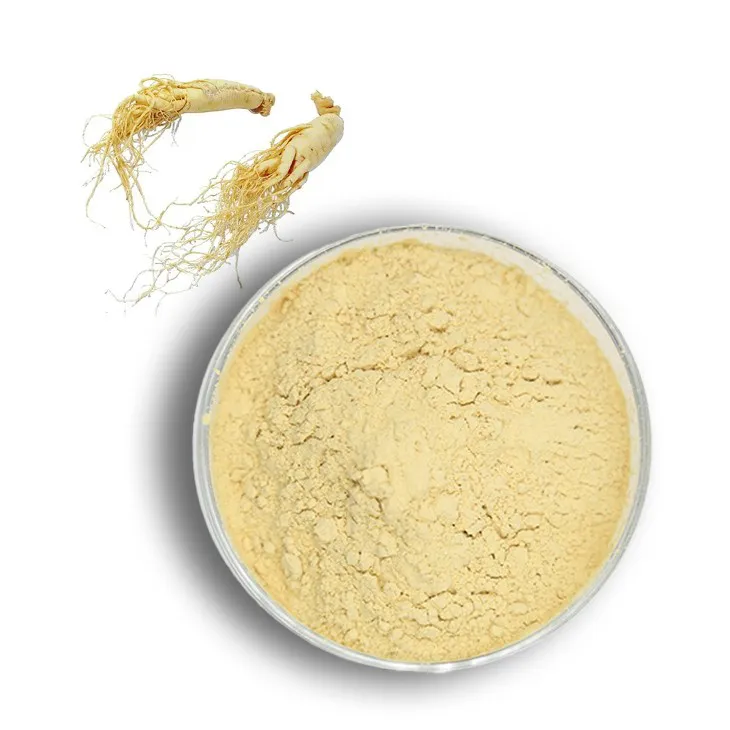
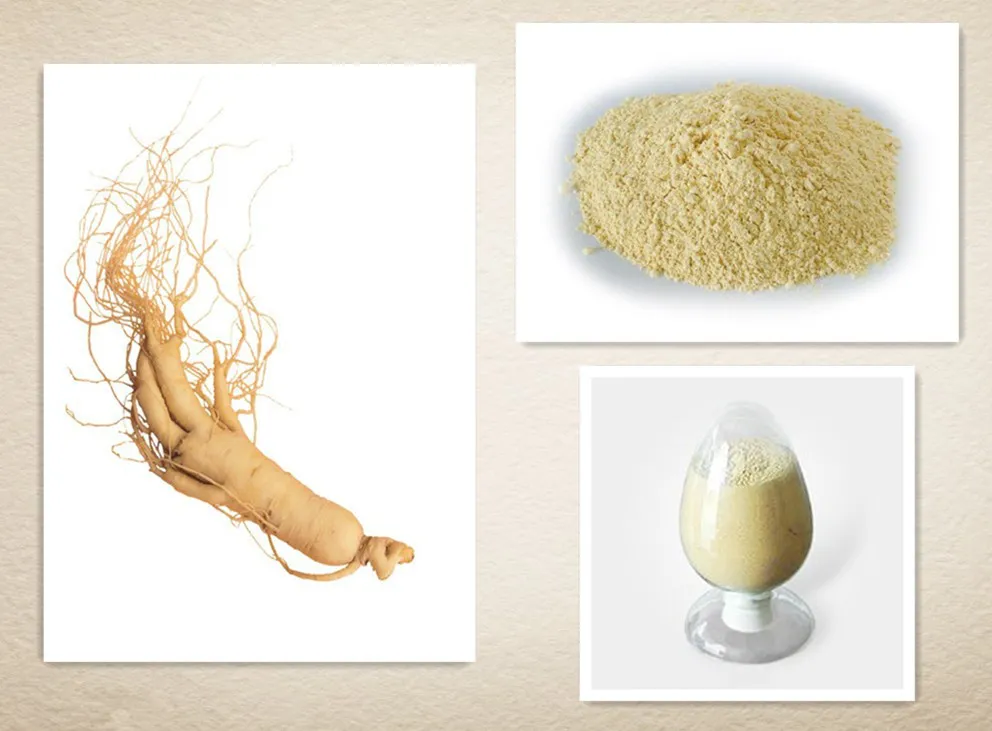
Panax ginseng, a well - known traditional medicinal plant, has been used for thousands of years in Asian countries, especially in China, Korea, and Japan. The root of Panax ginseng is the main part used for medicinal and health - promoting purposes. Panax Ginseng Root Extract has attracted significant attention in recent years due to its rich bioactive compounds and diverse pharmacological effects. These bioactive compounds include ginsenosides, polysaccharides, peptides, and flavonoids, which are responsible for its antioxidant, anti - inflammatory, immunomodulatory, and anti - cancer properties, among others.
2. Prospects of Panax Ginseng Root Extract
2.1 Pharmaceutical Industry
In the pharmaceutical industry, the demand for Panax Ginseng Root Extract is increasing steadily. Ginsenosides, the major active components in ginseng, have shown great potential in treating various diseases. For example, they can improve cognitive function in patients with Alzheimer's disease. Research has indicated that certain ginsenosides can enhance neuronal plasticity and protect neurons from oxidative stress. Moreover, Ginseng Root Extract may also play a role in the prevention and treatment of cardiovascular diseases. It can lower blood pressure, reduce cholesterol levels, and inhibit platelet aggregation. Additionally, there is growing evidence suggesting its anti - cancer activity. Some ginsenosides have been found to induce apoptosis in cancer cells and inhibit tumor angiogenesis.
2.2 Cosmetic Industry
The cosmetic industry is also a major consumer of Panax Ginseng Root Extract. Due to its antioxidant and anti - inflammatory properties, it is used in various skincare products. Antioxidants in Ginseng Root Extract can neutralize free radicals, which are responsible for skin aging. Free radicals can damage collagen and elastin fibers in the skin, leading to wrinkles, sagging, and dullness. By scavenging free radicals, Ginseng Root Extract can help maintain skin elasticity and firmness. Moreover, its anti - inflammatory properties can soothe irritated skin, reduce redness, and improve skin complexion. Ginseng - based cosmetics are becoming increasingly popular, especially in anti - aging and skin - rejuvenating products.

2.3 Food Industry
In the food industry, Panax Ginseng Root Extract is used as a functional ingredient. It can be added to various food products such as beverages, health foods, and dietary supplements. Ginseng - infused beverages are becoming a popular choice for consumers who are looking for natural energy boosters. The extract can enhance physical and mental endurance, relieve fatigue, and improve overall well - being. In health foods and dietary supplements, it provides additional health benefits, such as immune system support and stress reduction. With the increasing awareness of health - promoting foods, the market for ginseng - containing food products is expected to grow continuously.
3. Processing Status of Panax Ginseng Root Extract

3.1 Extraction Methods
- Solvent Extraction: This is one of the most common methods for extracting Ginseng Root Extract. Different solvents can be used, such as ethanol, methanol, and water. Ethanol extraction is often preferred because it can effectively extract ginsenosides and other bioactive compounds while minimizing the extraction of unwanted substances. The process typically involves soaking the ginseng roots in the solvent for a certain period, followed by filtration and concentration to obtain the extract.
- Supercritical Fluid Extraction (SFE): SFE is a relatively new and advanced extraction method. It uses supercritical fluids, such as carbon dioxide, as the extraction solvent. Supercritical carbon dioxide has the properties of both gas and liquid, which allows for efficient extraction of bioactive compounds with high selectivity. This method has several advantages, including no solvent residue, mild extraction conditions, and the ability to extract thermally labile compounds. However, the equipment for SFE is relatively expensive, which limits its widespread application.
- Ultrasonic - Assisted Extraction: Ultrasonic - assisted extraction utilizes ultrasonic waves to enhance the extraction efficiency. The ultrasonic waves can cause cavitation in the solvent, which disrupts the cell walls of the ginseng roots and promotes the release of bioactive compounds. This method can significantly reduce the extraction time and improve the yield of the extract. It is also a relatively simple and cost - effective method compared to SFE.

3.2 Quality Control Measures
- Identification of Bioactive Compounds: Quality control of Ginseng Root Extract begins with the identification of its bioactive compounds. High - performance liquid chromatography (HPLC) is commonly used to analyze the content of ginsenosides in the extract. This method can accurately separate and quantify different ginsenosides, ensuring that the extract contains the desired active components.
- Contamination Detection: Another important aspect of quality control is the detection of contaminants. This includes heavy metals, pesticides, and microbial contaminants. Atomic absorption spectrometry can be used to detect heavy metals, while gas chromatography - mass spectrometry (GC - MS) is suitable for pesticide analysis. Microbiological tests, such as total plate count and detection of pathogenic bacteria, are also necessary to ensure the safety of the extract.
- Standardization: Standardization of the extract is crucial to ensure consistent quality. This involves setting standards for the content of bioactive compounds, such as ginsenosides, and ensuring that each batch of the extract meets these standards. Standardized extracts are more reliable for use in pharmaceutical, cosmetic, and food applications.
3.3 Challenges in Processing
- Low Yield of Bioactive Compounds: One of the major challenges in processing Ginseng Root Extract is the relatively low yield of bioactive compounds. Although various extraction methods have been developed, the extraction efficiency of some important bioactive compounds, such as certain ginsenosides, is still not satisfactory. This may be due to the complex structure of the ginseng roots and the strong binding of bioactive compounds to other substances in the roots.
- High Cost of Processing: The processing of Ginseng Root Extract can be costly. As mentioned earlier, some advanced extraction methods, such as supercritical fluid extraction, require expensive equipment. In addition, the purification and quality control processes also add to the cost. This high cost can limit the large - scale production and application of Ginseng Root Extract.
- Quality Variability: The quality of Ginseng Root Extract can vary significantly depending on factors such as the origin of the ginseng roots, the harvesting time, and the processing methods. This quality variability can pose challenges for the pharmaceutical, cosmetic, and food industries, which require consistent and high - quality extracts.
4. Conclusion
Panax Ginseng Root Extract has a very promising future in the pharmaceutical, cosmetic, and food industries. Its diverse health - promoting properties make it an attractive ingredient for various products. However, in terms of processing, there are still challenges to be overcome, such as low yield, high cost, and quality variability. Future research should focus on improving extraction methods to increase the yield of bioactive compounds, reducing processing costs, and ensuring consistent quality. With continuous research and development, it is expected that Panax Ginseng Root Extract will play an even more important role in promoting human health and well - being.
FAQ:
What are the main health - promoting properties of Panax Ginseng Root Extract?
Panax Ginseng Root Extract is known for various health - promoting properties. It has antioxidant effects, which can help combat oxidative stress in the body. It may also enhance the immune system, improve cognitive function, and increase energy levels. Additionally, it has potential anti - inflammatory properties that can be beneficial for overall health.
How is the demand for Panax Ginseng Root Extract increasing in the pharmaceutical industry?
In the pharmaceutical industry, the demand for Panax Ginseng Root Extract is on the rise. It is being studied for its potential use in treating various diseases such as diabetes, cardiovascular diseases, and neurodegenerative disorders. Its adaptogenic properties, which help the body adapt to stress, are also of great interest. Pharmaceutical companies are exploring ways to incorporate it into new drugs or use it as a complementary therapy.
What are the different extraction methods of Panax Ginseng Root Extract?
There are several extraction methods for Panax Ginseng Root Extract. One common method is solvent extraction, where solvents like ethanol or water are used to extract the active compounds. Another method is supercritical fluid extraction, which uses supercritical carbon dioxide. This method is often preferred as it can produce a purer extract with fewer impurities. Additionally, there is microwave - assisted extraction, which can be more time - efficient and may preserve the bioactivity of the compounds better.
What quality control measures are in place for Panax Ginseng Root Extract?
Quality control measures for Panax Ginseng Root Extract are crucial. Firstly, the identification of the source of ginseng is important to ensure its authenticity. Chemical analysis is carried out to determine the concentration of active compounds such as ginsenosides. Microbiological testing is also performed to check for the presence of harmful microorganisms. Additionally, physical characteristics like particle size and solubility may be monitored to ensure consistent quality of the extract.
What are the challenges faced in the processing of Panax Ginseng Root Extract?
The processing of Panax Ginseng Root Extract faces several challenges. One challenge is the variability in the quality of the raw ginseng roots, which can affect the final extract. Another is the difficulty in optimizing the extraction process to obtain the maximum yield of active compounds while maintaining their bioactivity. There are also regulatory challenges as different regions may have different standards for the production and use of Ginseng Root Extract.
Related literature
- The Pharmacological Properties of Panax Ginseng Root Extract"
- "Processing and Quality Control of Ginseng - based Products"
- "Panax Ginseng Root Extract: From Farm to Market"


-

Thunder God Vine Extract
2025-01-15
-

L-carnitine
2025-01-15
-

Centella Asiatica Extract
2025-01-15
-

Mulberry Extract
2025-01-15
-

Oat Straw Extract Powder
2025-01-15
-

Troxerutin
2025-01-15
-
Ginseng Root Extract
2025-01-15
-

Rutin
2025-01-15
-

Honeysuckle Pollen
2025-01-15
-

Taurine
2025-01-15