


1. Introduction
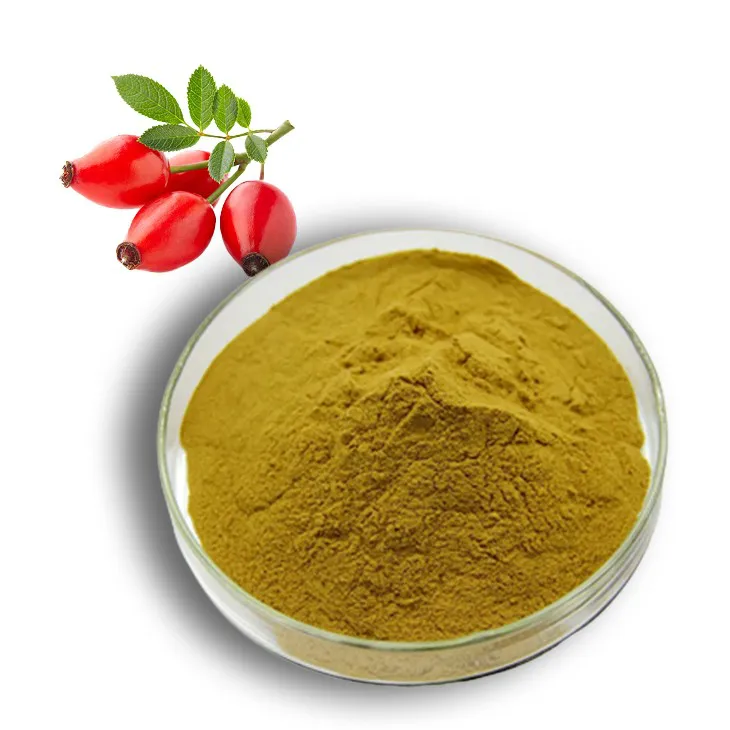
Rosehip extract has emerged as a highly sought - after product in recent years. It is rich in various nutrients, including vitamins, antioxidants, and essential fatty acids. These properties have made it a popular ingredient in multiple industries, such as the beauty, health - care, and nutrition sectors. Understanding the entire lifecycle of rosehip, from planting to processing, and the associated technology, is crucial for both producers and consumers in this market.
2. Rosehip Planting
2.1 Ideal Environmental Conditions
Rosehips require specific environmental conditions for optimal growth. Well - drained soil is of utmost importance. Waterlogged soil can lead to root rot and other diseases, which can severely affect the plant's health and productivity. Adequate sunlight is also necessary. Rosehip plants generally thrive in areas with full sun exposure, typically requiring at least 6 - 8 hours of sunlight per day. This ensures proper photosynthesis, which is vital for the production of nutrients and the overall growth of the plant.
2.2 Soil Requirements
In addition to good drainage, the soil should be rich in organic matter. A loamy soil type is often preferred as it provides a balance between water retention and drainage. The pH of the soil should be slightly acidic to neutral, usually in the range of pH 6.0 - 7.0. Amendments such as compost or well - rotted manure can be added to improve soil fertility and structure if necessary.

2.3 Propagation
Rosehips can be propagated through various methods. Seed propagation is one common approach. Seeds should be collected from ripe rosehips in the fall. They need to be stratified, which involves a period of cold treatment, to break dormancy. Another method is cuttings propagation. Softwood cuttings are taken in the spring or early summer. These cuttings should be treated with a rooting hormone and planted in a well - prepared rooting medium to encourage root development.

2.4 Planting and Maintenance
When planting rosehip plants, proper spacing is essential. A spacing of about 1 - 2 meters between plants is generally recommended, depending on the variety. This allows for adequate air circulation and room for growth. During the growing season, regular watering is required, especially during dry periods. However, over - watering should be avoided. Pruning is also an important part of maintenance. Dead or diseased branches should be removed regularly to promote healthy growth and improve the plant's shape.
3. Processing of Rosehip Extract
3.1 Solvent Extraction
Solvent extraction is one of the traditional and commonly used methods for obtaining rosehip extract. In this process, a suitable solvent is used to dissolve the active compounds from the rosehip. Organic solvents such as ethanol or hexane are often employed. The rosehip material, which can be in the form of dried fruits or seeds, is soaked in the solvent for a certain period. This allows the active ingredients to be transferred into the solvent. After extraction, the solvent is then evaporated, leaving behind the concentrated rosehip extract. However, one of the drawbacks of solvent extraction is the potential residue of the solvent in the final product, which may require additional purification steps to ensure safety.
3.2 Supercritical Fluid Extraction
Supercritical fluid extraction has gained popularity in recent years as a more advanced extraction method. Supercritical fluids, typically carbon dioxide (CO₂) in the supercritical state, are used as the extraction medium. The supercritical CO₂ has properties similar to both a gas and a liquid, which makes it an excellent solvent for extracting a wide range of compounds. The process is carried out under specific pressure and temperature conditions. One of the main advantages of this method is that it is a "clean" extraction process, as CO₂ is non - toxic, non - flammable, and leaves no harmful residues in the extract. Moreover, supercritical fluid extraction can often result in a higher - quality extract with better preservation of the active compounds.
3.3 Comparison of Different Processing Methods
When comparing solvent extraction and supercritical fluid extraction, there are several factors to consider. Firstly, in terms of product quality, supercritical fluid extraction generally produces a purer and more natural - tasting extract. Secondly, from an environmental and safety perspective, supercritical fluid extraction is more favorable due to the absence of toxic solvent residues. However, solvent extraction may be more cost - effective in some cases, especially for small - scale production, as the equipment required for supercritical fluid extraction is more expensive and complex. Additionally, different processing methods may also lead to differences in the composition of the extract. For example, certain heat - sensitive compounds may be better preserved using supercritical fluid extraction compared to solvent extraction, which may involve higher temperatures.
4. Technology in Rosehip Extract Production
4.1 Improving Extraction Efficiency
Continuous research is being carried out to improve extraction efficiency in rosehip extract production. One approach is to optimize the extraction parameters. For solvent extraction, this may involve adjusting the solvent - to - material ratio, extraction time, and temperature. In the case of supercritical fluid extraction, precise control of pressure, temperature, and flow rate of the supercritical fluid is crucial. Another area of research is the development of new extraction techniques or the modification of existing ones. For example, microwave - assisted extraction has been explored as a potential method to enhance the extraction process. By applying microwave energy, the cell walls of the rosehip material can be disrupted more effectively, allowing for faster and more complete extraction of the active compounds.
4.2 Quality Control and Analysis
Quality control is essential in the production of rosehip extract. Advanced analytical techniques are used to ensure the quality and consistency of the extract. High - performance liquid chromatography (HPLC) is commonly employed to analyze the composition of the extract. This method can accurately identify and quantify the various active compounds present in the rosehip extract. Other techniques such as gas chromatography - mass spectrometry (GC - MS) may also be used, especially for analyzing volatile compounds. Regular quality checks are carried out at different stages of production, from raw material inspection to the final product testing, to ensure that the extract meets the required standards.
4.3 Innovations in Processing Technology
The field of rosehip extract processing technology is constantly evolving. New innovations are emerging to address various challenges. For instance, the development of membrane - based separation techniques offers a more selective and energy - efficient way to purify the extract. These membranes can be designed to allow only certain molecules to pass through, based on their size or charge, thereby separating the desired compounds from impurities. Another innovation is the use of enzymatic treatment prior to extraction. Enzymes can break down complex cell wall structures in the rosehip material, making it easier for the extraction process to access and dissolve the active compounds.
5. Market for Rosehip Extract
5.1 Applications in the Beauty Industry
In the beauty industry, rosehip extract has found wide applications. It is known for its anti - aging properties. The antioxidants present in the extract help to protect the skin from free radical damage, which is one of the main causes of premature aging. Rosehip extract is often used in anti - wrinkle creams, serums, and facial oils. It can also improve skin hydration and elasticity. Many high - end beauty brands have incorporated rosehip extract into their products, targeting consumers who are looking for natural and effective skin - care solutions.
5.2 Use in the Health - care Sector
Rosehip extract has significant potential in the health - care sector. It has been used for its anti - inflammatory properties. People with joint problems, such as arthritis, may benefit from taking rosehip extract supplements. It can help to reduce inflammation and relieve pain in the joints. Additionally, the extract's high Vitamin C content makes it a valuable supplement for boosting the immune system. Some studies have also suggested that rosehip extract may have potential benefits in cardiovascular health, although more research is needed in this area.
5.3 Role in the Nutrition Industry
As a nutrient - rich ingredient, rosehip extract is becoming increasingly popular in the nutrition industry. It can be added to various food and beverage products, such as smoothies, energy bars, and dietary supplements. The essential fatty acids, vitamins, and other nutrients in the extract contribute to overall health and well - being. Consumers are becoming more aware of the health benefits of natural ingredients, and rosehip extract is seen as a valuable addition to a healthy diet.
5.4 Market Trends and Future Outlook
The market for rosehip extract has been growing steadily in recent years. The increasing consumer demand for natural and functional products is a major driving force. As more research is conducted on the health benefits of rosehip extract, its market potential is expected to expand further. However, challenges also exist. The availability of high - quality raw materials, compliance with regulatory requirements, and competition from other similar ingredients are some of the factors that need to be addressed. Overall, with continued research and innovation, the future of the rosehip extract market looks promising.
6. Conclusion
Rosehip extract has a great deal of potential in multiple industries, from beauty to health - care and nutrition. The cultivation of rosehips, the processing methods, and the associated technology all play important roles in determining the quality and availability of the extract. As the market continues to grow, it is essential for producers to focus on sustainable planting practices, advanced processing techniques, and strict quality control to meet the increasing consumer demand for high - quality rosehip extract.
FAQ:
What are the main environmental requirements for rosehip cultivation?
Rosehip cultivation requires well - drained soil and adequate sunlight. These conditions are important for its growth. Well - drained soil helps prevent waterlogging which can harm the roots, and adequate sunlight is necessary for photosynthesis, enabling the plant to produce energy and grow properly.
What are the differences between solvent extraction and supercritical fluid extraction in processing rosehip extract?
Solvent extraction uses solvents to dissolve and separate the desired components from rosehips. It is a relatively traditional method. However, it may leave some solvent residues. Supercritical fluid extraction, on the other hand, uses supercritical fluids (such as supercritical CO2). It has the advantages of being more environmentally friendly, often resulting in a purer extract with less contamination and better preservation of the active components in the rosehip extract.
How is the extraction efficiency of rosehip extract improved in terms of technology?
Continuous research is being carried out to improve extraction efficiency. This includes optimizing the extraction parameters such as temperature, pressure, and extraction time for different extraction methods. Also, the development of new extraction equipment and the combination of different extraction techniques can help increase the extraction efficiency and ensure better quality of the rosehip extract.
Why is rosehip extract favored in the beauty industry?
Rosehip extract is rich in vitamins (such as Vitamin C), antioxidants, and essential fatty acids. In the beauty industry, these components can help in skin rejuvenation, reducing wrinkles, improving skin elasticity, and promoting a healthy complexion. It can also be used in various beauty products like creams, serums, and masks.
What are the potential market trends for rosehip extract?
The market for rosehip extract has a broad application prospect. With the increasing consumer demand for natural and healthy products in the beauty, health - care, and nutrition industries, the market for rosehip extract is likely to grow. There may be more research and development of new products containing rosehip extract, and its application range may also expand further in different industries.
Related literature
- Rosehip Extract: A Comprehensive Review of Its Chemical Composition and Therapeutic Properties"
- "Advances in Rosehip Cultivation and Processing Technologies"
- "The Market Potential of Rosehip - Based Products in the Global Health - care and Nutrition Sectors"


-

Artichoke Leaf Extract
2024-12-08
-

Mangosteen extract powder
2024-12-08
-

Nettle Root Extract
2024-12-08
-

Camu Camu Extract
2024-12-08
-

L-Tyrosine
2024-12-08
-

Citrus Aurantii Extract
2024-12-08
-

Ginger Extract
2024-12-08
-

Oyster Mushroom Extract Powder
2024-12-08
-

Hericium erinaceus extract powder
2024-12-08
-

Fenugreek Extract Powder
2024-12-08