


1. Introduction
Sea buckthorn has long been recognized for its potential health benefits, and in recent years, the bark extract of sea buckthorn has emerged as a particularly interesting component in the field of functional foods. Functional foods are defined as those that offer additional health benefits beyond basic nutrition. As consumers become more health - conscious and demanding, the inclusion of sea Buckthorn bark extract in various food products presents a promising area for B2B (business - to - business) innovators. This article will explore the trends related to sea Buckthorn bark extract in functional foods and the opportunities that these trends present for B2B innovators.
2. Scientific Research Advancements
2.1. Nutritional Composition
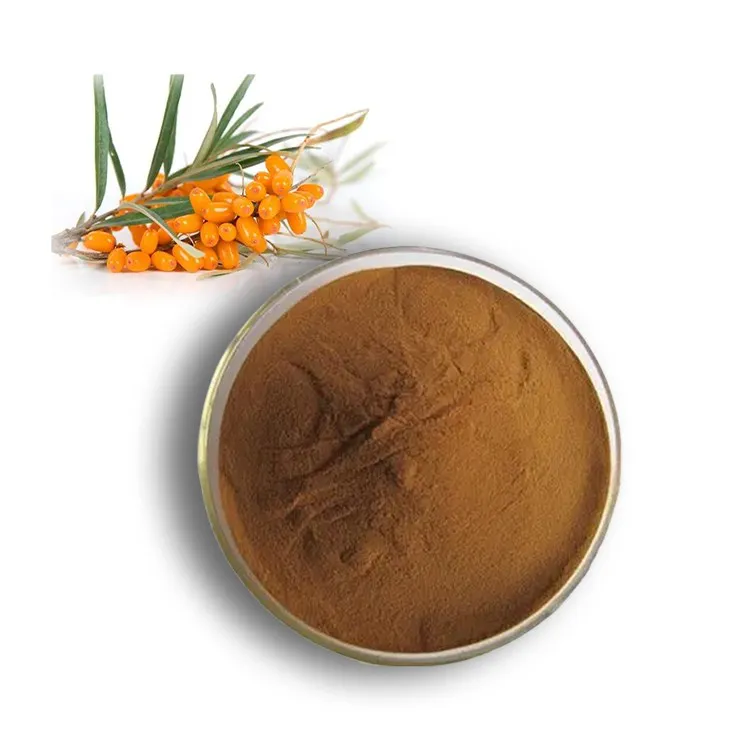
Sea Buckthorn bark extract is rich in a variety of bioactive compounds. It contains high levels of flavonoids, phenolic acids, and tannins. Flavonoids, for example, are known for their antioxidant properties. They can scavenge free radicals in the body, which are associated with various chronic diseases such as cancer, heart disease, and neurodegenerative disorders. Phenolic acids also contribute to the antioxidant capacity of the extract and may have anti - inflammatory effects. Tannins, on the other hand, have been studied for their potential role in improving gut health.
2.2. Health Benefits
- Cardiovascular Health: Studies have suggested that sea Buckthorn bark extract may help in reducing blood cholesterol levels. The flavonoids present in the extract can inhibit the absorption of dietary cholesterol in the intestines, thereby lowering the overall cholesterol levels in the blood. This can potentially reduce the risk of developing heart diseases.
- Anti - inflammatory Effects: The phenolic compounds in the extract have been shown to possess anti - inflammatory properties. They can modulate the immune response and reduce inflammation in the body. This is beneficial for conditions such as arthritis, where chronic inflammation is a major problem.
- Antioxidant Activity: As mentioned earlier, the high content of flavonoids and phenolic acids gives sea Buckthorn bark extract strong antioxidant activity. This helps in protecting the cells from oxidative stress, which is implicated in aging and many diseases.
- Skin Health: There is growing evidence that sea Buckthorn bark extract can improve skin health. It may be used in topical applications or in functional foods that claim to have benefits for the skin. The antioxidants in the extract can protect the skin from damage caused by UV radiation and environmental pollutants.
3. Regulatory Developments
Regulatory frameworks play a crucial role in the development and marketing of functional foods containing sea Buckthorn bark extract. In different countries, there are varying regulations regarding the use of natural extracts in food products.
3.1. EU Regulations
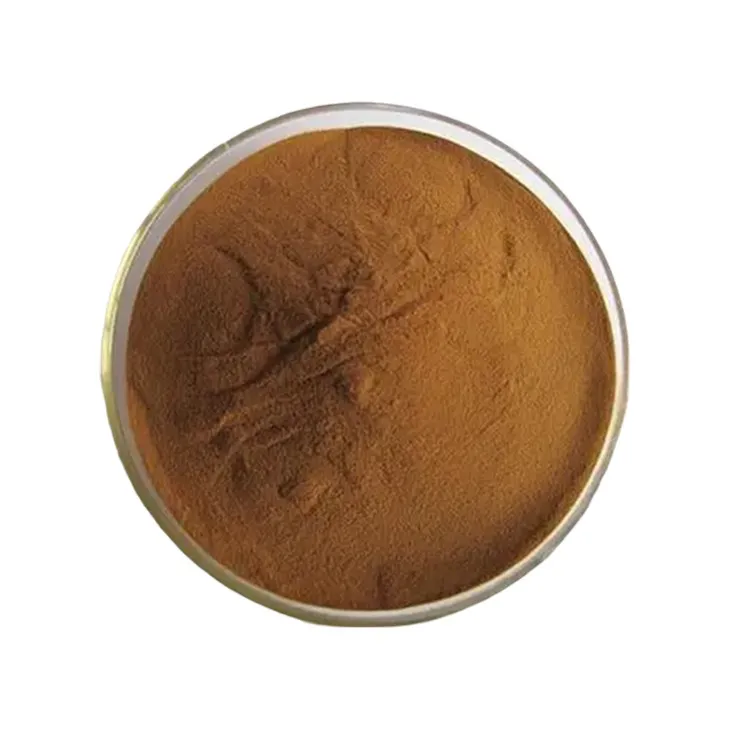
In the European Union, functional foods are subject to strict regulations. Sea Buckthorn bark extract, when used as an ingredient in food, must comply with the Novel Food Regulation if it is considered a "novel" ingredient. This requires a comprehensive safety assessment, including toxicity studies, to ensure that it is safe for human consumption. However, if the extract has a history of safe use in food in the EU, it may be subject to less stringent regulations.
3.2. US Regulations
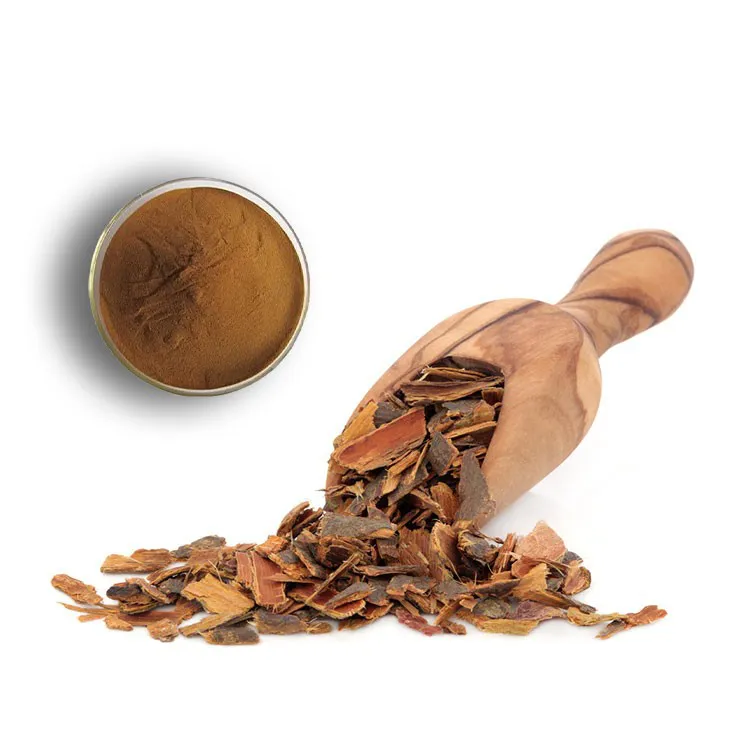
In the United States, the Food and Drug Administration (FDA) regulates functional foods. Sea buckthorn bark extract may be classified as a dietary supplement or a food ingredient, depending on its intended use. For dietary supplements, the manufacturer is responsible for ensuring the safety and proper labeling of the product. For food ingredients, they must meet the generally recognized as safe (GRAS) criteria or go through the pre - market approval process if they are considered new food ingredients.
3.3. Asian Regulations
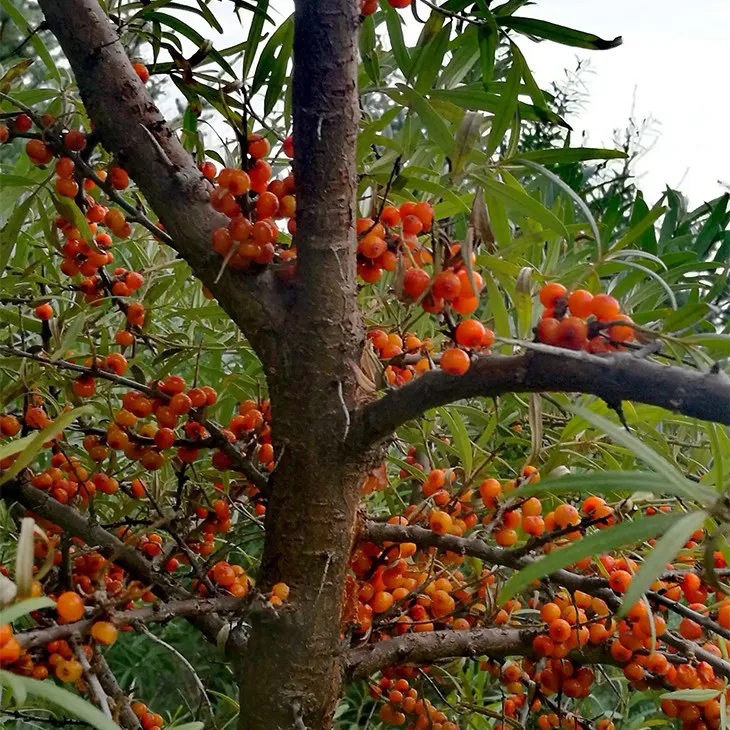
In Asian countries such as China and India, there are also regulations governing the use of natural extracts in food. In China, traditional use of sea buckthorn in medicine and food has influenced the regulatory approach. However, as with other countries, modern scientific evidence is increasingly required to support the safety and efficacy of sea Buckthorn bark extract in functional foods. In India, Ayurvedic medicine has a long history of using sea buckthorn, but for commercial use in modern functional foods, regulatory compliance is necessary.
4. Opportunities for B2B Innovators
4.1. Novel Formulations
B2B innovators have the opportunity to create novel formulations using sea Buckthorn bark extract. For example, they can develop functional beverages that combine the extract with other health - promoting ingredients such as vitamins, minerals, or other botanical extracts. These beverages can target specific health concerns, such as energy drinks for those in need of a quick boost or relaxation drinks for stress relief.
- Another area of formulation innovation is in the development of functional snacks. Sea buckthorn bark extract can be incorporated into granola bars, crackers, or other snack products. This not only adds a unique flavor but also provides the health benefits associated with the extract.
- In the dairy industry, there is potential for creating sea buckthorn - flavored yogurts or cheeses. The extract can be added in a way that maintains the integrity of the dairy product while also imparting its health - promoting properties.
4.2. New Partnerships
- B2B innovators can form partnerships with research institutions. By collaborating with universities or research centers, they can gain access to the latest scientific research on sea Buckthorn bark extract. This can help in the development of more effective and evidence - based products. For example, a food company could partner with a university's research team to study the optimal dosage of the extract for maximum health benefits in a particular functional food.
- Partnerships with suppliers are also crucial. B2B innovators need to ensure a stable and high - quality supply of sea Buckthorn bark extract. By partnering with reliable suppliers, they can control the cost and quality of the ingredient. This may involve working with suppliers who are committed to sustainable harvesting practices of sea buckthorn, which is not only good for the environment but also appealing to consumers who are increasingly interested in sustainable products.
- Additionally, B2B innovators can form strategic alliances with other companies in the food industry. For instance, a small - scale sea Buckthorn bark extract producer could partner with a large food manufacturer to gain access to wider distribution channels. This can help in bringing sea buckthorn - based functional foods to a larger market.
4.3. Marketing and Branding
With the growing interest in health - promoting foods, there is a significant opportunity for B2B innovators to market and brand products containing sea Buckthorn bark extract.
- They can target health - conscious consumers by highlighting the specific health benefits of the extract. For example, a product label could emphasize the antioxidant and anti - inflammatory properties of sea Buckthorn bark extract for those concerned about heart health or joint pain.
- B2B innovators can also use the natural and sustainable aspects of sea buckthorn as a marketing point. Given the increasing consumer preference for natural and sustainable products, promoting the fact that sea buckthorn is a natural ingredient and is sustainably sourced can attract more customers.
- Another marketing strategy could be to target specific demographics. For example, products containing sea Buckthorn bark extract could be marketed towards the aging population for its potential benefits in maintaining skin health and reducing the risk of age - related diseases.
5. Challenges and Risks
While there are many opportunities, B2B innovators also need to be aware of the challenges and risks associated with using sea Buckthorn bark extract in functional foods.
5.1. Cost
The extraction process of sea Buckthorn bark extract can be relatively expensive. This can impact the cost of the final product. B2B innovators need to find ways to optimize the extraction process or source the extract cost - effectively without compromising on quality. For example, they could explore new extraction technologies or work with suppliers in regions where sea buckthorn is abundantly grown to reduce costs.
5.2. Quality Control
Ensuring consistent quality of the sea Buckthorn bark extract is crucial. Variations in the quality of the extract can affect the efficacy and safety of the final functional food product. B2B innovators need to implement strict quality control measures, including testing for the presence and concentration of key bioactive compounds, as well as screening for contaminants.
5.3. Competition
As the interest in sea Buckthorn bark extract in functional foods grows, the competition in the market is likely to increase. There may be other companies also exploring the use of this extract in their products. B2B innovators need to differentiate their products through unique formulations, strong branding, and effective marketing strategies.
6. Conclusion
Sea Buckthorn bark extract holds great potential in the field of functional foods. The scientific research advancements highlighting its various health benefits, along with the evolving regulatory landscapes, present both opportunities and challenges for B2B innovators. By capitalizing on the trends such as creating novel formulations, forging new partnerships, and implementing effective marketing strategies, B2B innovators can unlock the vast potential of sea Buckthorn bark extract for business growth and innovation in the functional food sector. However, they also need to be vigilant about the associated risks, such as cost, quality control, and competition, to ensure long - term success in this emerging market.
FAQ:
What are the main trends in sea Buckthorn bark extract use in functional foods?
The main trends include the increasing influence of scientific research advancements. For example, new studies might be uncovering more health benefits associated with sea Buckthorn bark extract, which can drive its use in functional foods. Also, regulatory developments play a role. As regulations evolve, it may become easier or more challenging to include this extract in functional foods, which in turn affects its market trends. Additionally, consumer demand for natural and health - enhancing ingredients is on the rise, and sea Buckthorn bark extract, being a natural product with potential health benefits, is becoming more popular in the functional food sector.
How can B2B innovators create novel formulations with sea Buckthorn bark extract?
B2B innovators can start by researching the unique properties of sea Buckthorn bark extract. They can then combine it with other complementary ingredients. For instance, if the extract has antioxidant properties, it could be paired with other nutrients that also contribute to overall health. Innovators can also look into different forms of the extract, such as powder or liquid, and experiment with encapsulation techniques to improve its stability and bioavailability in the novel formulations. Moreover, they can conduct market research to understand consumer preferences and develop formulations that target specific consumer needs, like products for athletes or for people with certain dietary requirements.
What regulatory challenges might B2B innovators face when using sea Buckthorn bark extract in functional foods?
One regulatory challenge could be meeting the safety and quality standards set by different regions. Each country or region may have its own regulations regarding the use of new ingredients in functional foods. For example, there may be limits on the concentration of sea Buckthorn bark extract that can be used. Another challenge could be the need for proper labeling. The extract may require specific labeling requirements to inform consumers about its presence, potential benefits, and any possible allergens. Additionally, if the extract is considered a novel ingredient, there may be a more complex approval process to ensure its safety and efficacy in functional foods.
What are the potential health benefits of sea Buckthorn bark extract in functional foods?
Sea Buckthorn bark extract may have antioxidant properties, which can help protect the body's cells from damage caused by free radicals. It might also have anti - inflammatory effects, potentially reducing inflammation in the body. Some studies suggest it could support cardiovascular health, for example, by helping to regulate blood pressure or cholesterol levels. There is also potential for it to have immune - boosting properties, enhancing the body's natural defense mechanisms. However, more research is often needed to fully confirm and understand these potential health benefits.
How can B2B innovators forge new partnerships related to sea Buckthorn bark extract in functional foods?
B2B innovators can start by identifying key players in the sea Buckthorn bark extract supply chain, such as raw material suppliers, research institutions, and other food manufacturers. They can then approach these potential partners with a clear value proposition. For example, if they are a food manufacturer, they could partner with a research institution to conduct further studies on the extract in functional foods. Collaborating with suppliers can ensure a stable and high - quality source of the extract. Additionally, they can look for partners in marketing and distribution to help promote their sea Buckthorn bark extract - containing functional foods to a wider audience.
Related literature
- Sea Buckthorn: A Multipurpose Wonder Plant"
- "The Role of Sea Buckthorn in Functional Food Development: A Review"
- "Advances in Sea Buckthorn bark extract Research for Food Applications"


-

Diosmin
2024-12-21
-

Kupilu Extract
2024-12-21
-

Cactus Extract
2024-12-21
-

Green Tea Extract
2024-12-21
-

Camu Camu Extract
2024-12-21
-

Tamarind extract powder
2024-12-21
-

Rose Hip Extract
2024-12-21
-

Citrus Aurantii Extract
2024-12-21
-

Resveratrol Extract
2024-12-21
-

Pueraria Lobata Extract
2024-12-21