


1. Introduction to Supercritical Carbon Dioxide Extraction of Ginkgo Biloba Extract
Supercritical carbon dioxide extraction of Ginkgo biloba leaf extracts represents a remarkable advancement in the realm of herbal extraction technology. Supercritical fluid extraction (SFE) using carbon dioxide (CO₂) has emerged as a preferred method due to several distinct advantages.
Carbon dioxide, when in its supercritical state, exhibits properties that are intermediate between a gas and a liquid. This unique state allows it to penetrate the plant material, such as Ginkgo biloba leaves, effectively. It can selectively extract the desired components, including flavonoids, terpenoids, and other bioactive substances, while leaving behind unwanted impurities. This results in a purer and more concentrated extract compared to traditional extraction methods.
2. The Role of Suppliers in the Ginkgo Biloba Extract Market
Suppliers who are involved in supercritical carbon dioxide extraction of Ginkgo Biloba Extract play a crucial role in the market. They are the gatekeepers between the raw Ginkgo biloba leaves and the end - use products in various industries.
These suppliers need to have a comprehensive understanding of the Ginkgo biloba plant itself. They must be aware of the optimal harvesting times, the geographical variations in plant quality, and how to handle and store the leaves properly before extraction. For example, Ginkgo biloba leaves are typically harvested in the fall when the concentration of bioactive compounds is relatively high. Knowledge of these factors directly impacts the quality of the final extract.
Furthermore, suppliers are responsible for ensuring the consistency of their products. In industries such as the food and beverage sector, where Ginkgo Biloba Extracts are used for their potential health benefits and flavor, consistency is key. A consistent extract means that the end - product manufacturers can rely on the same quality and composition every time they purchase from the supplier.
3. Understanding the Chemical Composition of Ginkgo biloba
Ginkgo biloba contains a diverse range of chemical compounds, which is why it has attracted significant attention in various fields. One of the major groups of compounds are the flavonoids. Flavonoids in Ginkgo biloba are known for their antioxidant properties. They help in protecting the body's cells from damage caused by free radicals. Suppliers need to be well - versed in these flavonoids, such as Quercetin, kaempferol, and isorhamnetin, which are present in Ginkgo biloba.
Another important class of compounds are the terpenoids. Ginkgolides and bilobalides are terpenoid - like compounds found in Ginkgo biloba. These compounds have been studied for their potential effects on blood circulation and cognitive function. Suppliers must understand how to extract and preserve these terpenoids during the supercritical carbon dioxide extraction process.
In addition to flavonoids and terpenoids, Ginkgo biloba also contains other components like phenolic acids. These various components interact with each other, and suppliers need to ensure that the extraction process does not disrupt these interactions in a way that would negatively affect the quality and efficacy of the extract.
4. The Supercritical Extraction Process
4.1. Pretreatment of Ginkgo biloba Leaves
Before the supercritical extraction process begins, proper pretreatment of Ginkgo biloba leaves is essential. The leaves are usually dried to a specific moisture content. This drying process helps in reducing the water content, which can interfere with the extraction efficiency. The dried leaves may also be ground into a fine powder to increase the surface area available for extraction. This step is crucial as it allows the supercritical carbon dioxide to come into better contact with the bioactive compounds within the leaves.
4.2. The Supercritical State of Carbon Dioxide
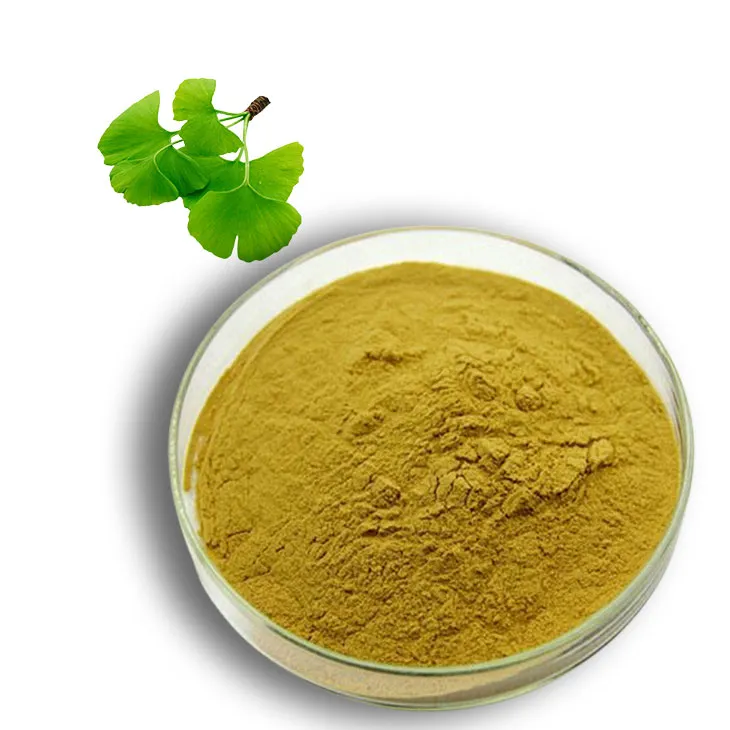
Carbon dioxide is pressurized and heated to reach its supercritical state. The critical temperature of carbon dioxide is around 31.1 °C, and the critical pressure is approximately 73.8 bar. In this supercritical state, carbon dioxide has enhanced solubility properties. It can dissolve the desired components from Ginkgo biloba leaves, such as flavonoids and terpenoids. The extraction conditions, including temperature, pressure, and extraction time, are carefully controlled by the suppliers to optimize the extraction of specific compounds.
4.3. Separation and Collection of the Extract
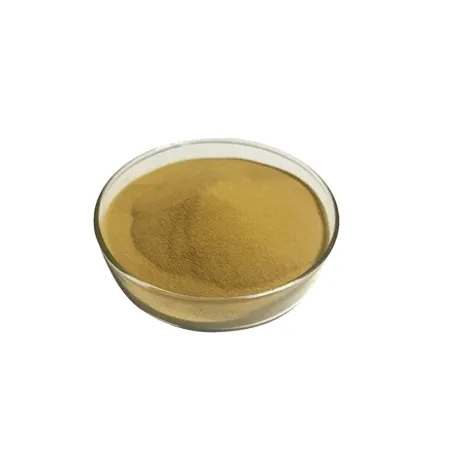
After the extraction process, the supercritical carbon dioxide - extract mixture is passed through a separation system. Here, the pressure and temperature are adjusted in such a way that the carbon dioxide reverts to its gaseous state, leaving behind the concentrated Ginkgo Biloba Extract. The gaseous carbon dioxide can be recycled and reused in the extraction process, which is an environmentally friendly aspect of supercritical carbon dioxide extraction. The collected extract is then further processed, such as by filtration or purification, to ensure its quality.
5. Quality Control in Ginkgo Biloba Extract Production
Quality control is of utmost importance for suppliers of Ginkgo Biloba Extract. They need to implement strict quality control measures at every stage of the production process, from raw material selection to the final product.
Raw material inspection is the first step. Suppliers must ensure that the Ginkgo biloba leaves are of high quality, free from contaminants such as pesticides, heavy metals, and other harmful substances. They may conduct laboratory tests on the incoming leaves to verify their quality.
During the extraction process, parameters such as temperature, pressure, and extraction time are continuously monitored. Any deviation from the optimal conditions can affect the quality of the extract. For example, if the temperature is too high during extraction, it may lead to the degradation of some bioactive compounds.
The final extract is also subjected to comprehensive quality analysis. This includes tests for the content of flavonoids, terpenoids, and other bioactive substances. The purity of the extract, in terms of absence of unwanted impurities, is also determined. Only extracts that meet the specified quality standards are released for sale.
6. Applications of Ginkgo Biloba Extract in Different Sectors
Ginkgo Biloba Extract has a wide range of applications in various sectors, which is why the role of suppliers is so important.
In the food and beverage industry, Ginkgo Biloba Extract is used for its potential health - promoting properties and unique flavor. It can be added to functional foods, such as energy bars or health supplements. In beverages, it may be incorporated into herbal teas or energy drinks. The extract can provide a slightly bitter and earthy flavor, which is desired in some specialty products. Suppliers need to ensure that the extract is suitable for use in food and beverage applications, meeting all relevant safety and quality regulations.
In the pharmaceutical and nutraceutical industries, Ginkgo Biloba Extract has been studied for its potential effects on cognitive function, blood circulation, and antioxidant activity. It can be formulated into pills, capsules, or liquid supplements. Suppliers must provide high - quality extracts that are consistent in composition for these industries. This is crucial as any variation in the extract can affect the efficacy of the final product.
In the cosmetic industry, Ginkgo Biloba Extract is valued for its antioxidant and anti - inflammatory properties. It can be included in skincare products such as creams, lotions, and serums. The extract may help in protecting the skin from environmental damage and reducing signs of aging. Suppliers need to ensure that the extract is pure and free from any substances that could cause skin irritation.
7. Future Trends and Challenges for Suppliers
As the market for Ginkgo Biloba Extract continues to grow, suppliers face several future trends and challenges.
One of the trends is the increasing demand for natural and organic products. Consumers are becoming more conscious about the origin and processing of the products they consume. Suppliers will need to adapt by sourcing Ginkgo biloba leaves from organic farms and ensuring that their extraction processes are compliant with organic standards. This may require additional investment in sourcing and quality control.
Another trend is the development of new extraction and purification technologies. While supercritical carbon dioxide extraction is currently a leading method, research is ongoing to further improve the efficiency and selectivity of the extraction process. Suppliers will need to keep up with these technological advancements to stay competitive in the market.
However, there are also challenges. One challenge is the regulation of Ginkgo Biloba Extract in different countries. The regulatory requirements for its use in food, pharmaceutical, and cosmetic products vary widely. Suppliers need to be well - informed about these regulations and ensure that their products meet the requirements of all target markets.
Another challenge is the competition in the market. With the increasing number of suppliers, there is a need to differentiate products through quality, innovation, and customer service. Suppliers will need to continuously improve their processes and offerings to maintain their market share.
FAQ:
What are the advantages of supercritical carbon dioxide extraction for Ginkgo biloba leaf extracts?
Supercritical carbon dioxide extraction offers several advantages. Firstly, it is a clean and green extraction method as carbon dioxide is non - toxic, non - flammable, and easily removed from the extract. Secondly, it can selectively extract bioactive substances such as flavonoids and terpenoids, resulting in a high - quality extract. Moreover, this method can operate at relatively low temperatures, which helps to preserve the integrity of heat - sensitive components in Ginkgo biloba leaves.
How do suppliers ensure the quality of Ginkgo Biloba Extracts obtained by supercritical carbon dioxide extraction?
Suppliers ensure quality through multiple means. They start with carefully sourcing high - quality Ginkgo biloba leaves. During the extraction process, they closely monitor parameters such as pressure, temperature, and extraction time. After extraction, strict quality control tests are carried out, including assays for the content of key bioactive substances like flavonoids and terpenoids. They also ensure that the extract is free from contaminants such as pesticides and heavy metals.
What are the main applications of Ginkgo Biloba Extracts from supercritical carbon dioxide extraction in the food and beverage industry?
In the food and beverage industry, Ginkgo Biloba Extracts are used in various ways. They can be added to functional foods and dietary supplements due to their potential health - promoting properties, such as antioxidant and anti - inflammatory effects. Their unique flavor profiles can also be used to enhance the taste of certain products, like herbal teas and specialty beverages.
How much knowledge about Ginkgo biloba plants do suppliers need to have?
Suppliers need to have extensive knowledge about Ginkgo biloba plants. They should understand the plant's growth cycle, ideal cultivation conditions, and regional variations in its chemical composition. Knowledge of the different parts of the plant and their relative concentrations of bioactive compounds is also crucial. This understanding helps them source the best raw materials and optimize the extraction process.
What are the challenges faced by suppliers of Ginkgo Biloba Extracts using supercritical carbon dioxide extraction?
One of the main challenges is the high cost associated with supercritical extraction equipment and its maintenance. Another challenge is ensuring consistent quality despite potential variations in the raw material. Regulatory compliance can also be a hurdle, as there are strict regulations regarding the use of herbal extracts in different industries. Additionally, competition in the market requires suppliers to constantly innovate to stay ahead.
Related literature
- Supercritical Fluid Extraction of Ginkgo biloba: A Review"
- "Advances in Ginkgo Biloba Extract Production by Supercritical Carbon Dioxide"
- "Quality Assessment of Ginkgo Biloba Extracts from Supercritical Extraction"
TAGS:
What are the main applications of Ginkgo Biloba Extracts from supercritical carbon dioxide extraction in the food and beverage industry?
In the food and beverage industry, Ginkgo Biloba Extracts are used in various ways. They can be added to functional foods and dietary supplements due to their potential health - promoting properties, such as antioxidant and anti - inflammatory effects. Their unique flavor profiles can also be used to enhance the taste of certain products, like herbal teas and specialty beverages.
How much knowledge about Ginkgo biloba plants do suppliers need to have?
Suppliers need to have extensive knowledge about Ginkgo biloba plants. They should understand the plant's growth cycle, ideal cultivation conditions, and regional variations in its chemical composition. Knowledge of the different parts of the plant and their relative concentrations of bioactive compounds is also crucial. This understanding helps them source the best raw materials and optimize the extraction process.
What are the challenges faced by suppliers of Ginkgo Biloba Extracts using supercritical carbon dioxide extraction?
One of the main challenges is the high cost associated with supercritical extraction equipment and its maintenance. Another challenge is ensuring consistent quality despite potential variations in the raw material. Regulatory compliance can also be a hurdle, as there are strict regulations regarding the use of herbal extracts in different industries. Additionally, competition in the market requires suppliers to constantly innovate to stay ahead.
Related literature
- Supercritical Fluid Extraction of Ginkgo biloba: A Review"
- "Advances in Ginkgo Biloba Extract Production by Supercritical Carbon Dioxide"
- "Quality Assessment of Ginkgo Biloba Extracts from Supercritical Extraction"
TAGS:
What are the challenges faced by suppliers of Ginkgo Biloba Extracts using supercritical carbon dioxide extraction?
One of the main challenges is the high cost associated with supercritical extraction equipment and its maintenance. Another challenge is ensuring consistent quality despite potential variations in the raw material. Regulatory compliance can also be a hurdle, as there are strict regulations regarding the use of herbal extracts in different industries. Additionally, competition in the market requires suppliers to constantly innovate to stay ahead.
Related literature
- Supercritical Fluid Extraction of Ginkgo biloba: A Review"
- "Advances in Ginkgo Biloba Extract Production by Supercritical Carbon Dioxide"
- "Quality Assessment of Ginkgo Biloba Extracts from Supercritical Extraction"
TAGS:


-

Astaxanthin
2024-12-05
-

Bamboo Leaf extract
2024-12-05
-

Calendula Extract
2024-12-05
-

Red Date Extract
2024-12-05
-

Orange Flavor Powder
2024-12-05
-

Plantain extract
2024-12-05
-

Lycopene
2024-12-05
-

Dan Shen Root Extract/Salvia Root Extract
2024-12-05
-

Aguaje Extract
2024-12-05
-

Melatonin
2024-12-05