


Introduction to Rose Hip Extract and Supercritical Carbon Dioxide Extraction
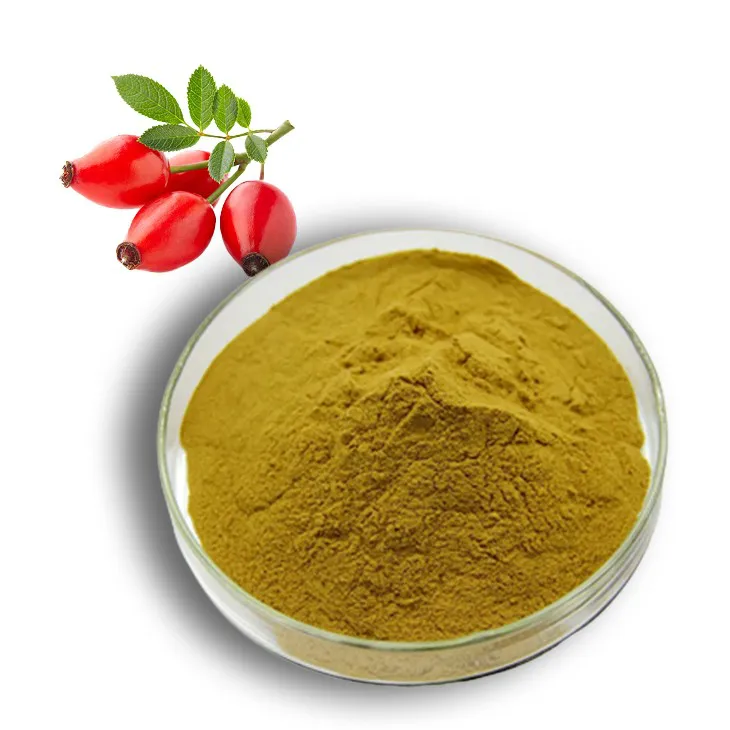
Rose Hip Extract has been garnering significant attention in recent years due to its rich composition of beneficial substances. Rose hips, which are the fruits of rose plants, are a natural source of vitamins, antioxidants, and essential fatty acids. These components make Rose Hip Extract a valuable ingredient in various industries, especially in cosmetics, dietary supplements, and functional foods.
Supercritical carbon dioxide extraction is a modern and advanced extraction method. Carbon dioxide, when in its supercritical state (a state where it has properties of both a liquid and a gas), becomes an excellent solvent for extracting natural products. In the case of Rose Hip Extract, this method offers unique advantages over traditional extraction techniques.
Advantages of Supercritical Carbon Dioxide Extraction for Rose Hip Extract
Selective Extraction
One of the major benefits of supercritical carbon dioxide extraction is its selectivity. During the extraction process, supercritical carbon dioxide can target and isolate specific components within the rose hips. For example, it can effectively separate and concentrate valuable substances like Vitamin C, Lycopene, and omega - 3 and - 6 fatty acids. This selectivity results in a purer extract compared to other extraction methods. Traditional extraction techniques may extract a broader range of substances, including some unwanted compounds, which can reduce the overall quality and effectiveness of the extract.
Preservation of Active Ingredients
Supercritical carbon dioxide extraction is a relatively gentle process that helps in preserving the active ingredients of Rose Hip Extract. Since the extraction conditions can be precisely controlled, there is less risk of degrading heat - sensitive components. For instance, Vitamin C, which is highly sensitive to heat and oxidation, can be retained in higher quantities in the extract obtained through supercritical carbon dioxide extraction. This ensures that the final Rose Hip Extract maintains its maximum health - promoting and skin - enhancing properties.

Environmentally Friendly
Another advantage of this extraction method is its environmental friendliness. Carbon dioxide is a non - toxic, non - flammable, and readily available gas. It can be easily recycled during the extraction process, reducing waste and environmental impact. In contrast, some traditional solvents used in extraction, such as hexane, are volatile organic compounds (VOCs) that can pose environmental and health risks if not properly managed.
The Role of Suppliers in the Rose Hip Extract Industry

Quality Assurance
Suppliers of Rose Hip Extract play a crucial role in ensuring the quality of the product. They are responsible for carefully selecting the source of rose hips. High - quality rose hips are typically sourced from regions with suitable climates and soil conditions, which can influence the composition and quality of the fruit. Suppliers also need to ensure that the rose hips are harvested at the optimal time to maximize the content of beneficial substances. For example, if harvested too early, the fruits may not have fully developed their nutrient content; if harvested too late, there may be a loss of quality due to over - ripening or spoilage.
During the extraction process, suppliers must adhere to strict quality control measures. This includes monitoring the extraction parameters such as temperature, pressure, and extraction time to ensure consistent product quality. They also need to perform regular quality tests on the final extract to check for the presence of contaminants, the purity of the active ingredients, and compliance with relevant standards.
Traceability and Sustainability
Traceability is an important aspect of the Rose Hip Extract supply chain. Suppliers need to be able to trace the origin of the rose hips from the field to the final product. This involves maintaining detailed records of the growers, the harvesting process, and the transportation of the raw material. By ensuring traceability, suppliers can guarantee the authenticity and quality of the Rose Hip Extract. For example, in the event of a quality issue or a recall, they can quickly identify the source of the problem.
Sustainability is also a key consideration for suppliers. They should work with growers who follow sustainable farming practices. This may include measures such as reducing water usage, minimizing pesticide use, and promoting biodiversity in the rose - growing areas. Sustainable sourcing of rose hips not only helps to protect the environment but also ensures the long - term availability of this valuable raw material.
Compliance with International Standards
Suppliers of Rose Hip Extract are required to comply with international standards for quality and safety. These standards may vary depending on the intended use of the extract. For example, extracts used in cosmetics need to meet the requirements of cosmetic regulations in different countries, which may include restrictions on certain ingredients, safety testing, and labeling requirements. Similarly, extracts used in dietary supplements and functional foods must adhere to food - related regulations, such as those governing maximum allowable levels of nutrients, microbiological safety, and purity.
To ensure compliance, suppliers often need to invest in laboratory testing facilities or work with accredited third - party testing laboratories. They need to be up - to - date with the latest regulatory changes and adapt their production processes accordingly. This not only protects the end - users but also helps to build trust in the Rose Hip Extract as a reliable and safe ingredient.
Applications of Rose Hip Extract in Different Industries
Cosmetics Industry
In the cosmetics industry, Rose Hip Extract has become a popular ingredient in a wide range of products. Its antioxidant properties help to protect the skin from free - radical damage, which can lead to premature aging, wrinkles, and dull skin. The presence of essential fatty acids in the extract also makes it beneficial for moisturizing and improving the skin's elasticity. For example, many anti - aging creams and serums contain Rose Hip Extract as a key ingredient. It can be used in facial creams, body lotions, lip balms, and other skincare products to enhance the overall appearance and health of the skin.
Dietary Supplements
Rose Hip Extract is also widely used in dietary supplements. Due to its high Vitamin C content, it can help boost the immune system, support collagen synthesis, and improve overall health. Vitamin C is an essential nutrient that plays a vital role in various physiological processes in the body. Additionally, the omega - 3 and - 6 fatty acids in the extract are beneficial for heart health, reducing inflammation, and promoting healthy cell function. Dietary supplements containing Rose Hip Extract are available in various forms, such as capsules, tablets, and powders, and are often marketed for their antioxidant and immune - boosting properties.
Functional Foods
The use of Rose Hip Extract in functional foods is on the rise. Functional foods are those that offer additional health benefits beyond basic nutrition. Rose Hip Extract can be added to products such as juices, smoothies, and energy bars to provide an extra dose of vitamins, antioxidants, and essential fatty acids. For example, some fruit - based functional drinks may contain Rose Hip Extract to enhance their nutritional profile and appeal to health - conscious consumers. The addition of Rose Hip Extract can also help in improving the taste and flavor of these products.
Challenges Faced by Suppliers of Rose Hip Extract
Raw Material Variability
One of the main challenges faced by suppliers is the variability in the quality of rose hips as a raw material. Different varieties of roses can produce rose hips with varying compositions of beneficial substances. Even within the same variety, factors such as climate, soil quality, and harvesting conditions can influence the nutrient content of the fruits. For example, a drought - stricken region may produce rose hips with lower levels of Vitamin C compared to those grown in a more favorable climate. Suppliers need to manage this variability by carefully sourcing and blending rose hips from different regions to ensure a consistent product quality.
Cost of Supercritical Carbon Dioxide Extraction
The cost associated with supercritical carbon dioxide extraction can be relatively high compared to traditional extraction methods. The equipment required for this extraction technique is complex and expensive to purchase, install, and maintain. Additionally, the operation of the extraction process requires specialized knowledge and skilled personnel. However, despite the higher costs, many suppliers are still opting for this method due to the superior quality of the extract it produces. To offset the costs, suppliers may need to optimize their production processes, increase production volumes, or find ways to add value to the final product.
Competition in the Market
The market for Rose Hip Extract is becoming increasingly competitive. There are a growing number of suppliers entering the market, both from traditional rose - growing regions and new areas. This increased competition can put pressure on prices and profit margins. Suppliers need to find ways to differentiate their products from competitors. This can be achieved through factors such as superior product quality, unique extraction methods, or by offering additional services such as custom formulation for specific customers. For example, a supplier may develop a patented extraction process that results in a more concentrated and pure Rose Hip Extract, giving them a competitive edge in the market.
Future Outlook for Rose Hip Extract Suppliers
The future looks promising for suppliers of Rose Hip Extract. As consumer awareness of the health and beauty benefits of natural products continues to grow, the demand for Rose Hip Extract is expected to increase. Suppliers who can adapt to the changing market demands and overcome the challenges they face will be well - positioned for success.
Innovation in Extraction and Product Development
There is room for innovation in both the extraction process and product development. Suppliers may invest in research to further improve the efficiency and selectivity of supercritical carbon dioxide extraction. This could lead to lower costs and even higher - quality extracts. In product development, new applications for Rose Hip Extract may be explored. For example, the development of nano - encapsulated Rose Hip Extract for enhanced bioavailability in dietary supplements or the creation of novel cosmetic formulations that combine Rose Hip Extract with other natural ingredients for improved skin benefits.
Expansion into New Markets
Suppliers may also look to expand into new markets. Currently, the majority of the demand for Rose Hip Extract comes from developed countries in Europe, North America, and Asia. However, there is potential for growth in emerging economies where the awareness of natural health products is on the rise. By establishing distribution channels and marketing strategies tailored to these new markets, suppliers can tap into a wider customer base and increase their market share.
Collaboration and Partnerships
Collaboration and partnerships can also play an important role in the future of Rose Hip Extract suppliers. Suppliers may collaborate with research institutions to conduct joint studies on the health benefits and applications of Rose Hip Extract. This can help to generate scientific evidence to support the use of the extract in different industries. Additionally, partnerships with other companies in the supply chain, such as growers, manufacturers, and distributors, can lead to more efficient and sustainable operations. For example, a supplier may form a strategic partnership with a grower to ensure a stable supply of high - quality rose hips and jointly invest in sustainable farming practices.
FAQ:
What are the advantages of supercritical carbon dioxide extraction for rosehip extract?
Supercritical carbon dioxide extraction for rosehip extract has several advantages. It enables more selective extraction, which means only the desired components are isolated, leading to a purer extract. This method also allows suppliers to offer products with high concentrations of beneficial substances such as Vitamin C, Lycopene, and omega - 3 and - 6 fatty acids.
How do suppliers ensure the quality of rosehip extract?
Suppliers ensure the quality of rosehip extract in multiple ways. They work closely with growers to maintain the quality of the raw material. Also, by using supercritical carbon dioxide extraction, they can produce extracts that are compliant with strict international quality and safety standards.
What industries can use rosehip extract obtained by supercritical carbon dioxide extraction?
The rosehip extract obtained by supercritical carbon dioxide extraction is suitable for use in high - end cosmetics, dietary supplements, and functional foods.
What are the main beneficial substances in rosehip extract?
The main beneficial substances in rosehip extract are Vitamin C, Lycopene, and omega - 3 and - 6 fatty acids.
How does supercritical carbon dioxide extraction contribute to the purity of rosehip extract?
Supercritical carbon dioxide extraction contributes to the purity of rosehip extract by allowing for a more selective extraction. This means that it can isolate only the desired components, resulting in a purer extract.
Related literature
- Supercritical Fluid Extraction of Bioactive Compounds from Rosehip: A Review"
- "Rosehip Extract: Properties, Applications and Market Trends in the Cosmetic Industry"


-

L-Citrullin-DL-malate
2024-12-06
-

Longan Extract
2024-12-06
-

Acerola Juice Powder
2024-12-06
-

Hericium erinaceus extract powder
2024-12-06
-

Cat Claw Extract
2024-12-06
-

Cassia Seed Extract
2024-12-06
-

Bitter Melon Extract
2024-12-06
-

Maca Extract
2024-12-06
-

Medicinal Marshmallow Extract
2024-12-06
-

White Willow Bark Extract
2024-12-06