


1. Introduction to Astaxanthin
Astaxanthin is a remarkable compound that has gained significant attention in the food industry. It is a carotenoid pigment with a unique chemical structure that endows it with powerful antioxidant properties. Astaxanthin is naturally produced by certain microorganisms, such as microalgae, and can also be found in some marine organisms like salmon, shrimp, and krill. Its vibrant red - orange color makes it a visually appealing substance, which is one of the key factors contributing to its wide application in the food sector.
2. Astaxanthin as a Natural Colorant
2.1. Replacement for Synthetic Colorants
In the modern food industry, there is an increasing demand for natural ingredients. Astaxanthin has emerged as an excellent alternative to synthetic colorants. Synthetic colorants have often been associated with potential health risks and consumer concerns. For instance, in products like fish, especially salmon - flavored products, Astaxanthin can be used to impart a natural - looking red - orange hue. In poultry products, such as chicken, it can enhance the color of the skin and meat, making it more visually attractive. In the confectionery industry, it can replace artificial red colorants in candies and gums, providing a more natural and healthy appearance.
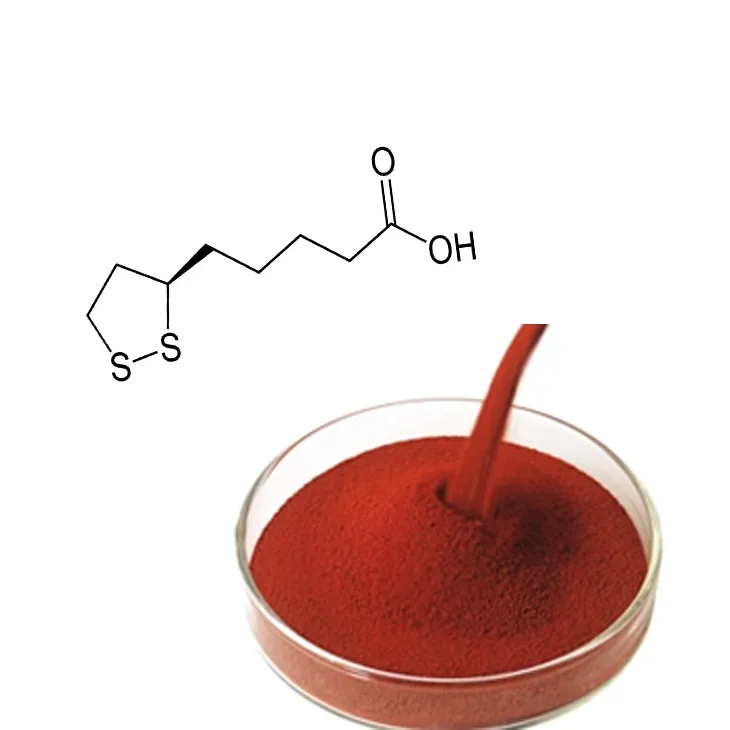
2.2. Contribution to Visual Appeal
The color of food plays a crucial role in consumer acceptance. Astaxanthin's vivid color not only mimics the natural appearance of certain foods but also stimulates the appetite. When used in food products, it gives a fresh and high - quality impression. For example, in processed seafood products, the addition of Astaxanthin can make the product look more like freshly caught fish, which is more likely to attract consumers. In bakery products, it can be used to create an eye - catching color in certain fillings or toppings, enhancing the overall aesthetic of the product.3. Astaxanthin in Food Fortification

3.1. Antioxidant Protection against Oxidative Spoilage
One of the most significant benefits of Astaxanthin in the food industry is its role in preventing oxidative spoilage. Oxidation can lead to the degradation of food quality, causing off - flavors, rancidity, and loss of nutritional value. Astaxanthin's antioxidant activity is much stronger than many other common antioxidants. In lipid - rich foods such as oils and margarine, it can effectively scavenge free radicals that initiate the oxidation process. By doing so, it helps to maintain the freshness and quality of the product for a longer period. For example, in high - quality olive oil, the addition of Astaxanthin can extend its shelf - life, ensuring that consumers can enjoy the product's original flavor and nutritional benefits for an extended time.

3.2. Extension of Shelf - Life
In addition to protecting against oxidation, Astaxanthin can also have a positive impact on the overall shelf - life of food products. It can inhibit the growth of certain microorganisms that are responsible for spoilage. In canned foods, for instance, Astaxanthin can help to prevent the growth of bacteria and fungi that might cause the product to deteriorate. This is especially important for products with a long - term storage requirement. In dried fruits and nuts, Astaxanthin can protect the fats and oils present in these products from going rancid, thereby increasing their shelf - life and maintaining their taste and texture.4. Astaxanthin - Rich Foods as Functional Foods
4.1. Antioxidant Protection for Consumers
When consumers consume Astaxanthin - rich foods, they are also obtaining the antioxidant benefits. In the human body, free radicals are constantly generated through normal metabolic processes as well as exposure to environmental factors such as pollution and radiation. These free radicals can cause damage to cells, proteins, and DNA. Astaxanthin can neutralize these free radicals, protecting the body from oxidative stress. This antioxidant protection has been associated with a reduced risk of various chronic diseases, including cancer, heart disease, and neurodegenerative disorders. For example, in a diet rich in Astaxanthin - containing seafood, individuals may have a lower incidence of oxidative - related health problems.
4.2. Anti - Inflammatory Properties
Another important aspect of Astaxanthin's role in functional foods is its anti - inflammatory properties. Chronic inflammation is a common underlying factor in many diseases, such as arthritis, diabetes, and inflammatory bowel disease. Astaxanthin has been shown to modulate the body's inflammatory response. It can reduce the production of inflammatory mediators, such as cytokines and prostaglandins. By consuming Astaxanthin - rich foods, individuals may experience a reduction in inflammation - related symptoms and an improvement in overall health. For instance, in patients with rheumatoid arthritis, some studies have suggested that Astaxanthin supplementation may help to relieve joint pain and swelling.
4.3. Support for Eye and Cardiovascular Health
Astaxanthin has also been found to be beneficial for eye and cardiovascular health. In the eyes, it can protect the retina from damage caused by oxidative stress and blue light exposure. This is particularly important in the age - related macular degeneration (AMD), a leading cause of vision loss in the elderly. For the cardiovascular system, Astaxanthin can improve blood lipid profiles, reduce blood pressure, and inhibit platelet aggregation. These effects can contribute to a lower risk of heart disease. For example, in individuals with high blood pressure, regular consumption of Astaxanthin - rich foods may help to regulate blood pressure levels within a normal range.5. Challenges and Future Perspectives
5.1. Production and Cost
One of the main challenges in the widespread application of Astaxanthin in the food industry is its production and cost. Currently, the production of Astaxanthin mainly relies on microbial fermentation and extraction from natural sources, which can be relatively expensive. This high cost can limit its use in some mass - produced and low - cost food products. However, research is being carried out to develop more cost - effective production methods, such as genetic engineering techniques to enhance the production of Astaxanthin in microorganisms.
5.2. Regulatory Aspects
Regulatory issues also play an important role in the application of Astaxanthin in the food industry. Different countries may have different regulations regarding the use of Astaxanthin as a food additive. Some countries may have strict limits on the maximum allowable amount of Astaxanthin in food products, while others may require specific labeling requirements. Harmonizing these regulations across different regions will be beneficial for the global expansion of Astaxanthin - based food products.
5.3. Consumer Awareness
Although Astaxanthin has many potential health benefits, consumer awareness of these benefits is still relatively low. Many consumers may not be familiar with Astaxanthin and its role in food. Therefore, it is necessary to carry out more educational campaigns to increase consumer awareness. This can include providing information about Astaxanthin on food labels, in marketing materials, and through public health campaigns. By increasing consumer awareness, the demand for Astaxanthin - rich foods is likely to increase, further promoting its application in the food industry.6. Conclusion
Astaxanthin has a wide range of applications in the food industry. As a natural colorant, it offers a more natural and appealing alternative to synthetic colorants. In food fortification, it helps to protect food from oxidative spoilage and extends the shelf - life. Moreover, Astaxanthin - rich foods are functional foods with potential health benefits for consumers. However, there are still challenges to be addressed, such as production cost, regulatory issues, and consumer awareness. With further research and development, it is expected that Astaxanthin will play an even more important role in the future of the food industry, meeting the demands for both high - quality food products and healthy eating.
FAQ:
1. What makes Astaxanthin a suitable natural colorant in the food industry?
Astaxanthin has a vivid red - orange color. This property allows it to be used as a natural colorant in various food products such as fish, poultry, and confectionery. It can replace synthetic colorants, giving food a more natural and appealing look.
2. How does Astaxanthin extend the shelf - life of food products?
Astaxanthin has antioxidant properties. In lipid - rich foods like oils and margarine, it can prevent rancidity by protecting the food from oxidative spoilage. This helps to extend the shelf - life of the products.
3. Why are Astaxanthin - rich foods considered functional foods?
Astaxanthin - rich foods are considered functional foods because Astaxanthin has potential health benefits for consumers. These include antioxidant protection, anti - inflammation, and support for eye and cardiovascular health.
4. Can Astaxanthin be used in all types of food?
While Astaxanthin can be used in many types of food, it is mainly used in fish, poultry, confectionery, lipid - rich foods like oils and margarine. However, its application may be limited in some foods due to factors such as taste compatibility and regulatory requirements.
5. How is Astaxanthin added to food products?
The addition of Astaxanthin to food products can be achieved through various methods. It can be directly added as a powder or in a dissolved form, depending on the nature of the food product and the desired effect. However, strict quality control and compliance with food safety regulations are necessary during the addition process.
Related literature
- The Role of Astaxanthin in Food and Nutrition"
- "Astaxanthin: A Promising Ingredient in the Modern Food Industry"
- "Application and Benefits of Astaxanthin in Food Preservation"


-

Shikonin
2024-12-28
-

Pueraria Lobata Extract
2024-12-28
-

Tongkat Ali Extract
2024-12-28
-

Propolis Extract Powder
2024-12-28
-

Grape Seed Extract Powder
2024-12-28
-

Vitamin D3
2024-12-28
-

Saponin Extract
2024-12-28
-

Hesperidin
2024-12-28
-

Medicinal Marshmallow Extract
2024-12-28
-

Orange Flavor Powder
2024-12-28