


1. Introduction
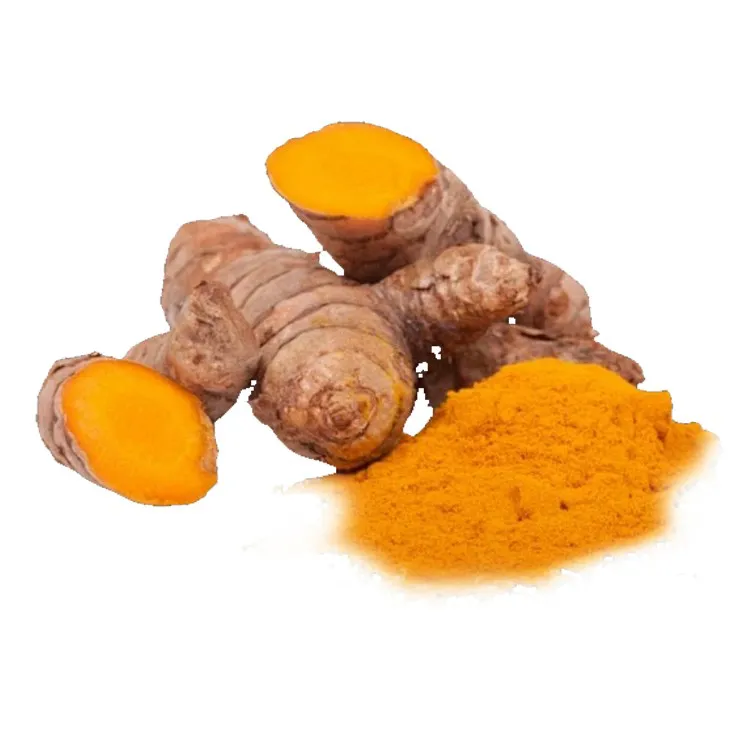
Curcumin, a principal component of turmeric (Curcuma longa), has been a subject of great interest in recent years, especially in the beverage industry. Turmeric has been used for centuries in traditional medicine, mainly in Asian cultures, for its various health - promoting properties. Curcumin is responsible for many of these beneficial effects. It is a polyphenol with strong antioxidant and anti - inflammatory properties. In the context of the beverage industry, the potential of Curcumin to offer health benefits while also providing unique flavor and color has led to its increasing use in different types of beverages.
2. Types of Beverages Containing Curcumin
2.1 Functional Drinks
Functional drinks are designed to provide specific health benefits beyond basic hydration. Curcumin - containing functional drinks are often marketed as immunity boosters. The antioxidant properties of Curcumin can help the body combat oxidative stress, which is linked to a weakened immune system. For example, some manufacturers are adding Curcumin to vitamin - rich drinks. These drinks may also contain other ingredients such as Vitamin C, zinc, and probiotics. The combination of these ingredients with Curcumin aims to create a synergistic effect that enhances the overall immune - boosting potential.

2.2 Turmeric - Laced Lattes
Turmeric - laced lattes, also known as "golden lattes," have become a trendy beverage in recent years. These lattes typically combine Curcumin - rich turmeric powder or extract with milk (dairy or non - dairy) and sweeteners such as honey or maple syrup. The warm and comforting nature of a latte, along with the potential health benefits of Curcumin, has made this beverage popular in coffee shops and cafes around the world. Additionally, some variations may include spices like cinnamon, ginger, or cardamom, which further enhance the flavor profile and may also contribute to the overall health - promoting properties.

2.3 Sports Drinks
In the realm of sports drinks, Curcumin is being explored for its anti - inflammatory properties. After intense physical activity, inflammation in the muscles can occur. Curcumin may help reduce this inflammation, aiding in faster muscle recovery. Sports drinks with Curcumin may also contain electrolytes such as sodium, potassium, and magnesium to replace those lost through sweating. The addition of Curcumin to sports drinks is an area of active research, as manufacturers seek to develop products that not only rehydrate and replenish electrolytes but also support post - exercise recovery.
3. Challenges in Incorporating Curcumin into Beverages

3.1 Solubility Issues
One of the major challenges in using Curcumin in beverages is its low solubility in water. Curcumin is a lipophilic compound, which means it has a greater affinity for fats and oils rather than water. In aqueous - based beverages like juices and sports drinks, this insolubility can lead to problems such as sedimentation. When Curcumin is not fully dissolved, it can settle at the bottom of the container, resulting in an inconsistent product. To address this issue, manufacturers are exploring different methods. One approach is the use of emulsifiers. Emulsifiers can help to disperse Curcumin in the aqueous phase by creating small droplets that are more evenly distributed. For example, lecithin, a common emulsifier, has been used to improve the solubility of Curcumin in beverages.
3.2 Stability Issues
Curcumin is also relatively unstable, especially in the presence of light, heat, and oxygen. In beverages, these factors can cause Curcumin to degrade over time, leading to a loss of its beneficial properties and color. For instance, in clear bottled beverages exposed to sunlight, Curcumin can break down rapidly. To overcome stability issues, manufacturers are using various techniques. One method is encapsulation. Encapsulating Curcumin in a protective shell, such as a lipid - based or polymer - based capsule, can shield it from the external factors that cause degradation. Another approach is the addition of antioxidants. Antioxidants can help prevent the oxidation of Curcumin, thereby maintaining its stability. For example, vitamin E and ascorbic acid (Vitamin C) have been used in combination with Curcumin in beverages to enhance its stability.
4. Solutions Adopted by Manufacturers

4.1 Nanotechnology - Based Solutions
Nanotechnology has emerged as a promising solution for improving the solubility and stability of Curcumin in beverages. Nanoparticles can be engineered to encapsulate Curcumin, reducing its particle size and increasing its surface area. This allows for better dispersion in the beverage matrix. For example, nano - emulsions of Curcumin can be created, which are more stable and have improved solubility compared to traditional emulsions. Additionally, nanocapsules can be designed to protect Curcumin from environmental factors such as light and heat, ensuring its long - term stability in the beverage.
4.2 Blending with Other Ingredients
Manufacturers are also exploring the option of blending Curcumin with other ingredients to enhance its performance in beverages. For instance, combining Curcumin with certain proteins or polysaccharides can improve its solubility. Some natural gums, like xanthan gum or guar gum, can be used to thicken the beverage slightly while also helping to keep Curcumin in suspension. Another approach is to blend Curcumin with bioactive compounds that have complementary properties. For example, pairing Curcumin with resveratrol, another antioxidant found in grapes, can create a more potent antioxidant - rich beverage.
5. Regulatory and Safety Considerations
When using Curcumin in the beverage industry, regulatory and safety aspects need to be taken into account. In many countries, Curcumin is generally recognized as safe (GRAS) when used in food and beverages at normal levels. However, there may be specific regulations regarding its use, such as maximum allowable levels and labeling requirements. For example, if a beverage is marketed as a health - promoting product due to its Curcumin content, there may be regulations governing the health claims that can be made. Additionally, manufacturers need to ensure that the source of Curcumin is of high quality and free from contaminants. Quality control measures should be in place to monitor the purity and potency of Curcumin in the final beverage product.
6. Future Prospects
The future of Curcumin in the beverage industry looks promising. As research continues to uncover more about its health benefits and as technology improves for its incorporation into beverages, we can expect to see an increase in Curcumin - containing beverage products. There is potential for the development of new types of functional beverages targeted at specific health conditions, such as those related to chronic inflammation or cognitive decline. Moreover, with the growing consumer demand for natural and healthy products, Curcumin - based beverages are likely to gain even more popularity. However, challenges such as cost - effectiveness of production methods and further optimization of solubility and stability still need to be addressed to fully realize the potential of Curcumin in the beverage industry.
FAQ:
What are the main health - promoting properties of Curcumin in beverages?
Curcumin in beverages has antioxidant and anti - inflammatory properties. The antioxidant property helps in neutralizing free radicals in the body, which can prevent cell damage. Its anti - inflammatory property may assist in reducing inflammation in the body, potentially alleviating symptoms related to various inflammatory conditions. Additionally, it may contribute to overall health promotion, such as potentially having a positive impact on the immune system.
How is Curcumin incorporated into functional drinks?
To incorporate Curcumin into functional drinks, manufacturers often use specialized techniques. One approach is to use emulsifiers to improve solubility. They may also combine Curcumin with other ingredients that can enhance its stability in the liquid matrix. Some manufacturers use nano - encapsulation technology to protect Curcumin from degradation and ensure its effective delivery in the functional drink.
What are the challenges in using Curcumin in the beverage industry?
The main challenges in using Curcumin in the beverage industry are solubility and stability issues. Curcumin has low solubility in water, which can make it difficult to evenly distribute in beverages. Stability is also a concern as Curcumin can degrade over time, especially when exposed to factors like light, heat, and oxygen. These issues can affect the quality and effectiveness of Curcumin - containing beverages.
How do manufacturers solve the solubility problem of Curcumin in beverages?
Manufacturers solve the solubility problem of Curcumin in beverages in several ways. One way is by using surfactants or emulsifiers that can help disperse Curcumin in the liquid. Another approach is to modify the Curcumin molecule chemically to increase its hydrophilicity. Additionally, they may use co - solvents like ethanol or glycerol in combination with water to improve the solubility of Curcumin.
Why are turmeric - laced lattes becoming trendy?
Turmeric - laced lattes are becoming trendy due to several factors. Firstly, the potential health benefits associated with Curcumin in turmeric are becoming more widely known. Consumers are increasingly interested in consuming products that offer health - promoting properties. Secondly, the unique flavor profile of turmeric, which is warm, earthy, and slightly spicy, adds a new and interesting taste dimension to lattes, appealing to those looking for novel beverage experiences.
Related literature
TAGS:


-

Passionflower Extract
2024-12-10
-

Sugarcane Extract
2024-12-10
-

L-Arginine alpha-ketoglutarate
2024-12-10
-

Red Vine Extract
2024-12-10
-

Red Date Extract
2024-12-10
-

Melatonin
2024-12-10
-

Berberis aristata Extract
2024-12-10
-

Nutmeg Extract
2024-12-10
-

Oat Straw Extract Powder
2024-12-10
-

Thunder God Vine Extract
2024-12-10