


1. Introduction
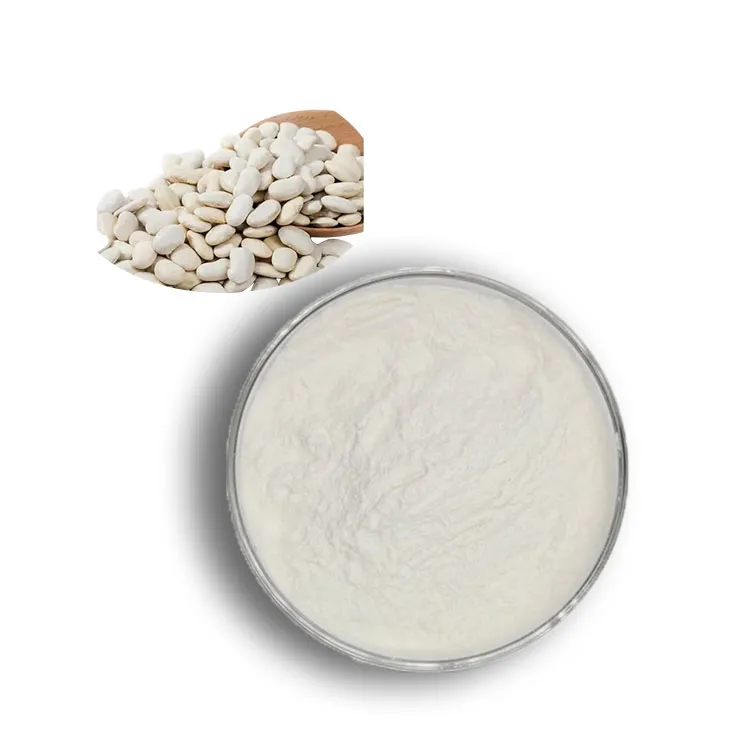
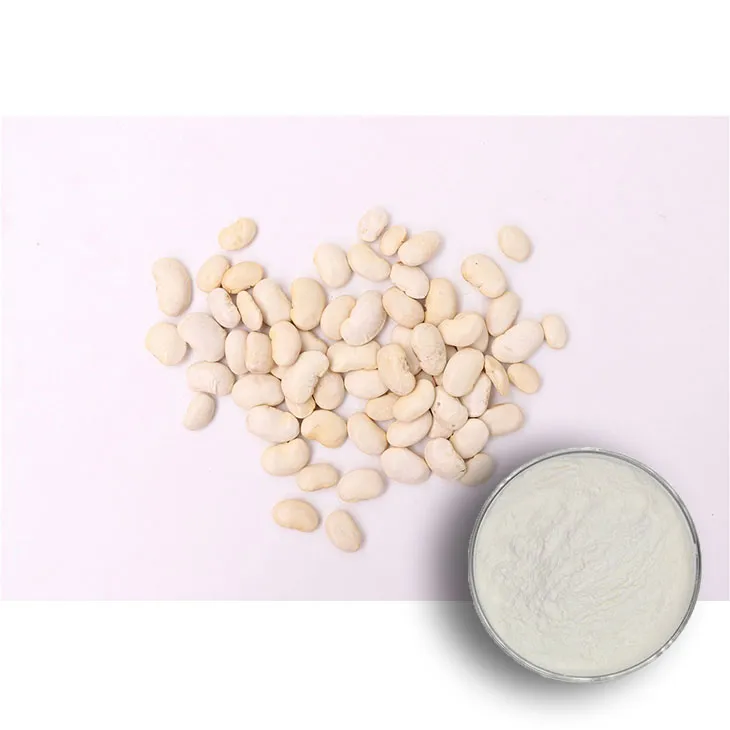
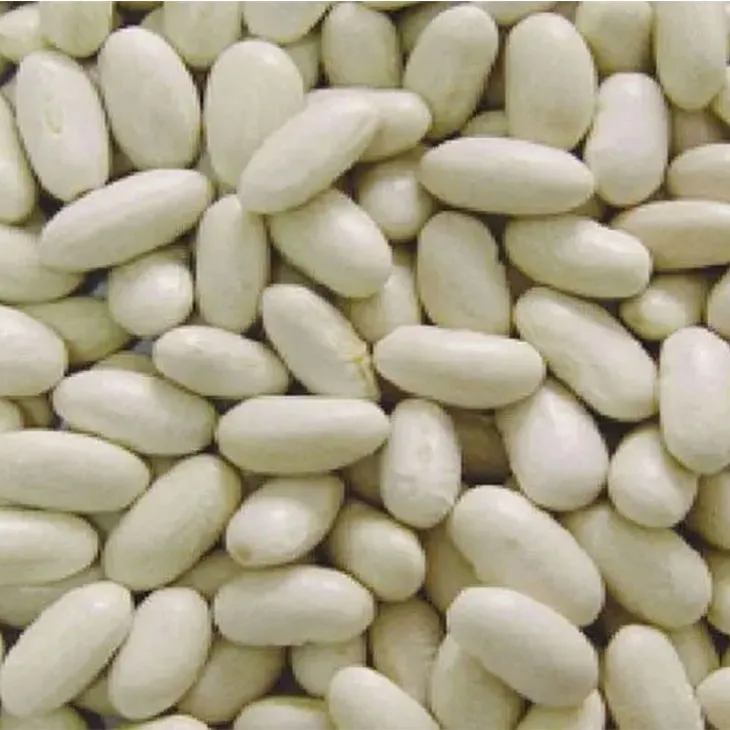
The common bean, scientifically known as Phaseolus vulgaris and commonly referred to as kidney bean, has been the focus of extensive research in relation to its applications within the food industry. Kidney beans are not only a staple in many diets around the world but also a source of various bioactive compounds. The extract obtained from kidney beans holds great potential for use in different food products, which is what this article will explore in detail.
2. Protein Extract: Functional Ingredient
The protein extract from kidney beans is a valuable addition to the food industry as a functional ingredient.
2.1 Emulsifying Properties
One of the significant properties of the kidney bean protein extract is its emulsifying ability. In food products like sausages, which are emulsified products, the addition of kidney bean protein extract can play a crucial role. The emulsion in sausages typically consists of a water - in - oil system, where the fat is dispersed in a water - based matrix. Kidney bean protein molecules can adsorb at the interface between the fat and water phases. They reduce the surface tension, which helps in preventing the coalescence of fat droplets. This results in a more stable emulsion, which in turn improves the overall quality of the sausage. The same principle applies to other emulsified food products such as certain types of spreads and salad dressings. By using kidney bean protein extract, manufacturers can reduce or even replace the use of some traditional emulsifiers, which may have certain drawbacks such as cost or potential health concerns.
2.2 Gelling Properties
The gelling properties of kidney bean protein extract are also of great importance. In dairy products, for example, gelling can affect the texture and stability. Kidney bean protein can form gels under appropriate conditions, such as at a certain pH and temperature. When added to dairy products like yogurts or cheese, it can enhance the gel structure. In yogurts, a well - formed gel structure gives a desirable firmness and smoothness to the product. For cheese, the gel - like network formed by the kidney bean protein can help in retaining moisture and fat, which affects the cheese's texture and melting properties. This not only improves the sensory quality of the dairy products but also can have implications for their shelf - life as a more stable structure is less likely to undergo rapid deterioration.
3. Phenolic Compounds: Antioxidant Activity
The phenolic compounds present in the Kidney Bean Extract are responsible for its antioxidant activity, which has several important implications in the food industry.
3.1 Preventing Lipid Oxidation
Processed foods often contain fats, which are prone to lipid oxidation. Lipid oxidation can lead to the development of off - flavors, rancidity, and a decrease in the nutritional value of the food. When Kidney Bean Extract is added to processed foods, the phenolic compounds scavenge free radicals. Free radicals are highly reactive species that initiate the lipid oxidation process. By neutralizing these free radicals, the phenolic compounds in the Kidney Bean Extract slow down or even prevent the oxidation of lipids. For example, in fried snacks where oils are used for frying, the addition of Kidney Bean Extract can extend the shelf - life of the product by reducing the rate of lipid oxidation. Similarly, in baked goods that contain fats, the extract can help maintain the freshness and quality of the product over a longer period.
3.2 Shelf - life Extension
As mentioned above, the antioxidant activity of the Kidney Bean Extract contributes to the extension of the shelf - life of food products. In addition to preventing lipid oxidation, the antioxidant properties can also protect other components in the food from oxidative damage. This includes vitamins, proteins, and pigments. For instance, in fruit - based products such as jams or fruit juices, the addition of Kidney Bean Extract can help preserve the color and flavor, which are often affected by oxidation. By inhibiting oxidative reactions, the extract allows food products to remain stable and acceptable for consumption for a longer time, reducing food waste and potentially increasing the economic viability of food production.
4. Potential Prebiotic Effects
The Kidney Bean Extract may also have prebiotic effects, which is an area of increasing interest in the food industry, especially in relation to products like probiotic - containing yogurts.
4.1 Promoting Beneficial Gut Bacteria
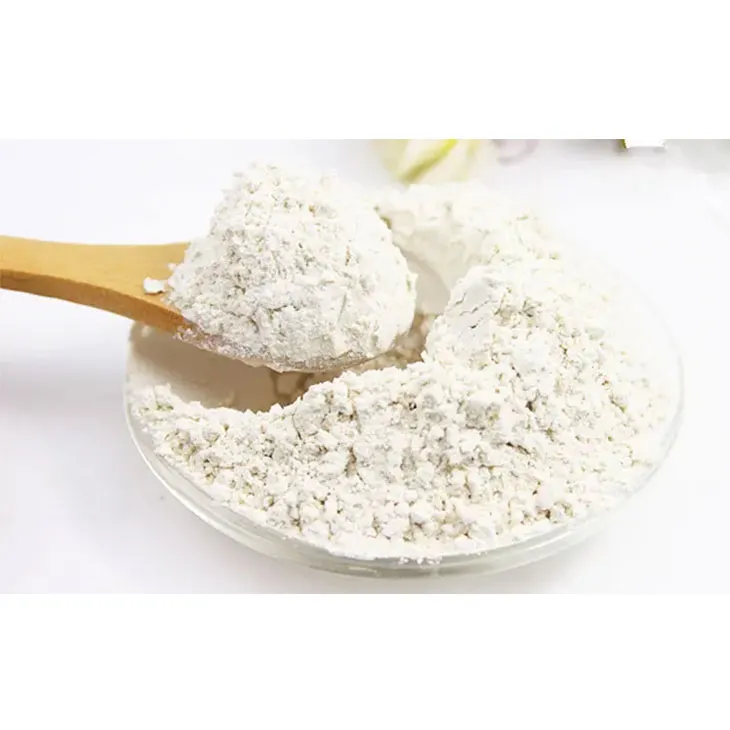
When added to certain food items, the Kidney Bean Extract can act as a substrate for the growth of beneficial gut bacteria. Gut bacteria play a crucial role in human health, and promoting the growth of beneficial species such as Bifidobacteria and Lactobacilli can have a range of positive effects. In probiotic - containing yogurts, the addition of Kidney Bean Extract can enhance the growth environment for the probiotic bacteria already present. This can lead to a higher number of viable probiotic cells in the product, which in turn may improve the health benefits associated with consuming the yogurt. For example, the enhanced growth of probiotic bacteria can contribute to better digestion, improved immune function, and potentially a reduction in the risk of certain diseases.
4.2 Interaction with Probiotics
The Kidney Bean Extract and probiotic bacteria can have an interesting interaction. The extract may provide specific nutrients or growth - promoting factors that are utilized by the probiotic bacteria. This interaction is not fully understood yet, but research is ongoing to elucidate the exact mechanisms. It is possible that the phenolic compounds in the extract, in addition to their antioxidant activity, may also play a role in this interaction. For example, they may modulate the gut environment in a way that is favorable for the growth and activity of probiotic bacteria. Understanding this interaction better can lead to the development of more effective probiotic - containing food products with enhanced health benefits.
5. Challenges and Future Directions
While the potential applications of Kidney Bean Extract in the food industry are promising, there are also some challenges that need to be addressed.
5.1 Extraction and Purification
The extraction and purification of the bioactive compounds from kidney beans need to be optimized. Current extraction methods may not be highly efficient, resulting in lower yields of the desired compounds. Moreover, the purification process to obtain pure and high - quality extracts can be complex and costly. For example, separating the protein extract from other components in the kidney bean without affecting its functionality can be a difficult task. Future research should focus on developing more efficient and cost - effective extraction and purification techniques.
5.2 Stability and Compatibility
The stability of the Kidney Bean Extract in different food matrices and its compatibility with other food ingredients need to be further investigated. In some cases, the extract may interact unfavorably with other ingredients, leading to changes in the texture, flavor, or stability of the food product. For instance, the antioxidant activity of the phenolic compounds may be affected by the presence of certain metal ions in the food. Understanding these interactions and finding ways to ensure the stability and compatibility of the extract in various food products will be crucial for its successful application in the food industry.
5.3 Regulatory and Safety Considerations
There are also regulatory and safety aspects to consider. Before widespread use in the food industry, the Kidney Bean Extract needs to meet regulatory requirements regarding its safety for consumption. Although kidney beans are a common food, the concentrated extract may have different properties. For example, some components in the extract may cause allergic reactions in certain individuals. Therefore, proper safety evaluations and regulatory clearances are necessary to ensure the safe use of Kidney Bean Extract in food products.
6. Conclusion
In conclusion, the Kidney Bean Extract has a wide range of potential applications in the food industry. Its protein extract can be used as a functional ingredient with emulsifying and gelling properties, the phenolic compounds possess antioxidant activity for preventing lipid oxidation and extending shelf - life, and it may also have prebiotic effects. However, there are challenges in terms of extraction, stability, and regulatory compliance that need to be overcome. With further research and development, the Kidney Bean Extract has the potential to become an important ingredient in the development of healthier, more stable, and longer - lasting food products.
FAQ:
1. What are the main bioactive compounds in Kidney Bean Extract?
The main bioactive compounds in Kidney Bean Extract include proteins and phenolic compounds. The protein has emulsifying and gelling properties, and the phenolic compounds possess antioxidant activity.
2. How does Kidney Bean Extract improve the texture of sausages?
The protein extract of kidney beans has excellent emulsifying and gelling properties. When added to sausages, it can enhance the texture by providing better binding and stability to the product.
3. Why can Kidney Bean Extract extend the shelf - life of processed foods?
The phenolic compounds in Kidney Bean Extract have antioxidant activity. This activity helps in preventing lipid oxidation in processed foods, which is one of the main causes of spoilage. Thus, it can extend the shelf - life.
4. What are the prebiotic effects of Kidney Bean Extract?
When added to certain food items like probiotic - containing yogurts, Kidney Bean Extract may promote the growth of beneficial gut bacteria, which is considered as its prebiotic effect.
5. Can Kidney Bean Extract be used in dairy products? How?
Yes, it can be used in dairy products. The protein extract of kidney beans has emulsifying and gelling properties. In dairy products, it can improve the texture and stability, for example, by preventing phase separation in some dairy products.
Related literature
- Bioactive Compounds in Kidney Beans and Their Potential Health Benefits"
- "The Role of Kidney Bean Extract in Food Preservation"
- "Kidney Bean Proteins: Properties and Applications in the Food Industry"


-

Red Vine Extract
2025-01-10
-

Citrus Aurantium Extract
2025-01-10
-

Elderberry Extract
2025-01-10
-

Epimedium extract powder
2025-01-10
-

Maca Extract
2025-01-10
-

Moringa powder
2025-01-10
-

Sea buckthorn Juice Powder
2025-01-10
-

Grape Leaf Extract
2025-01-10
-

Ginseng Root Extract
2025-01-10
-

Saffron Extract Powder
2025-01-10