


1. Introduction
Mulberry leaf Extract has been drawing increasing attention in recent years due to its rich composition of nutrients and bioactive substances. The silkworm mulberry leaf, in particular, is a source of great potential. It is not only important in the traditional silk - making industry but also shows promising prospects in other fields such as pharmaceuticals, cosmetics, and food.
2. Nutrients and Bioactive Substances in Mulberry leaf Extract
Mulberry leaf Extract contains a variety of nutrients and bioactive substances. Flavonoids are one of the major components. These flavonoids possess antioxidant properties and can help in scavenging free radicals in the body. Another important group of substances are alkaloids, which may have potential physiological effects on the body. Additionally, there are vitamins such as Vitamin C and minerals like potassium and calcium. The presence of these elements makes the Mulberry leaf Extract a valuable resource.
3. Application in the Pharmaceutical Industry
3.1 Blood Sugar Regulation
One of the significant potential applications of Mulberry leaf Extract in the pharmaceutical industry is in blood sugar regulation. Studies have shown that certain components in the extract can influence the metabolism of glucose. For example, some compounds may enhance insulin sensitivity. This is extremely important for diabetic patients, as it can help in controlling blood sugar levels more effectively. It is believed that the bioactive substances in the Mulberry leaf Extract interact with the body's metabolic pathways related to glucose, thus contributing to better glycemic control.

3.2 Antioxidant Effects
The antioxidant effects of Mulberry leaf Extract are also of great value in the pharmaceutical field. Free radicals are known to cause oxidative stress in the body, which is associated with various diseases such as cardiovascular diseases and cancer. The flavonoids and other antioxidant components in the Mulberry leaf Extract can neutralize these free radicals. By reducing oxidative stress, it may help in preventing the development of certain diseases and promoting overall health. Research has indicated that regular intake of Mulberry leaf Extract - containing products may improve the body's antioxidant defense system.
4. Application in the Cosmetics Industry
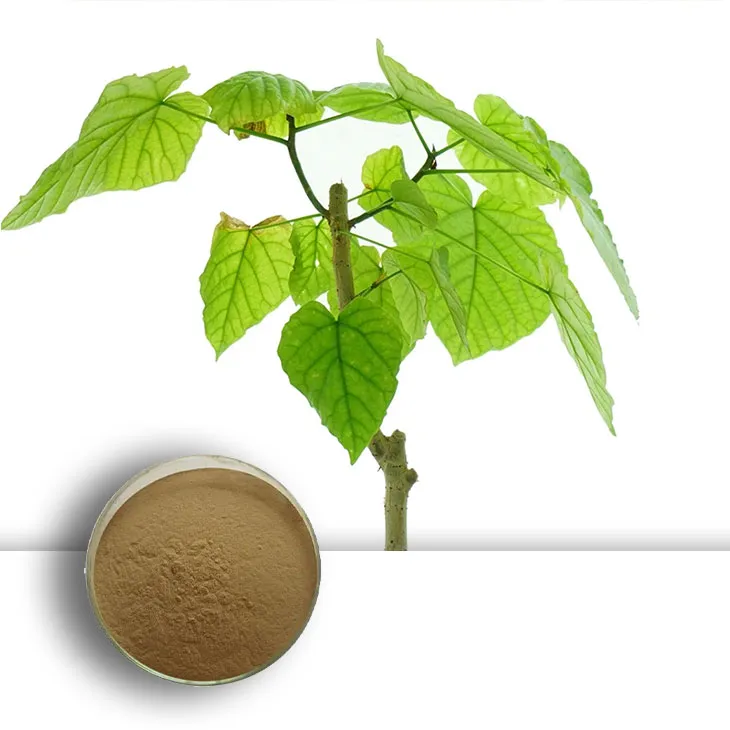
4.1 Skin Whitening
In the cosmetics industry, Mulberry leaf Extract has the potential for skin whitening. The extract contains substances that can inhibit the activity of tyrosinase, an enzyme that is crucial in the production of melanin. By reducing the activity of tyrosinase, the production of melanin is decreased, which can lead to a lighter skin tone. Many skin - whitening products are now starting to incorporate Mulberry leaf Extract as a natural and effective ingredient.
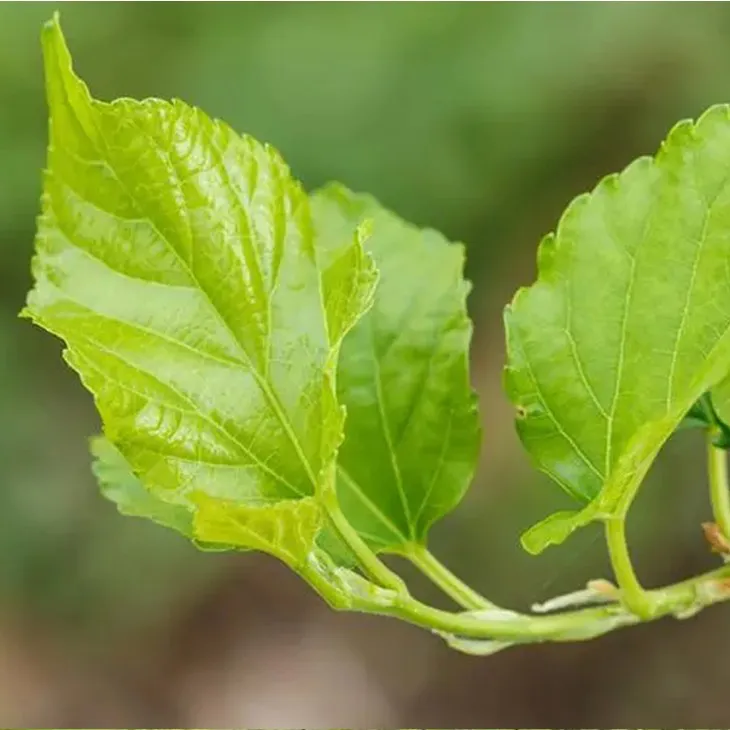
4.2 Anti - aging
Anti - aging is another important application area for Mulberry leaf Extract in cosmetics. The antioxidant properties of the extract play a key role here. As mentioned before, free radicals can cause damage to the skin cells, leading to signs of aging such as wrinkles and fine lines. The antioxidant components in the Mulberry leaf Extract can protect the skin from free - radical damage, thus helping to maintain the skin's elasticity and youthful appearance. Additionally, some substances in the extract may also stimulate collagen production, which is essential for firm and smooth skin.
5. Application in the Food Field
Mulberry leaf Extract has the possibility of being developed as a functional food ingredient. Functional foods are those that provide additional health benefits beyond basic nutrition.
5.1 Nutritional Supplements
It can be used as a nutritional supplement. Given its rich content of vitamins, minerals, and bioactive substances, it can supplement the diet of individuals who may not get enough of these nutrients from their regular diet. For example, for vegetarians or those with a restricted diet, Mulberry leaf Extract - based supplements can be a good source of certain essential nutrients.
5.2 Beverage and Food Additives
Mulberry leaf Extract can also be used as a beverage and food additive. In the beverage industry, it can be added to teas, juices, or even functional drinks. In the food industry, it can be incorporated into products such as baked goods or dairy products. The addition of Mulberry leaf Extract can not only enhance the nutritional value of these products but also may impart some unique flavors. However, proper safety evaluations and regulatory approvals are required before its widespread use in the food industry.
6. Challenges and Future Prospects
Despite the great potential of Mulberry leaf Extract in various fields, there are also some challenges that need to be addressed.
6.1 Standardization
One of the main challenges is the standardization of Mulberry leaf Extract. Since the composition of the extract can vary depending on factors such as the variety of mulberry trees, the extraction methods, and the growth conditions, it is difficult to ensure a consistent quality of the extract. Standardization is crucial for its reliable application in the pharmaceutical, cosmetics, and food industries. Efforts are needed to develop standardized extraction and quality control procedures.
6.2 Safety and Toxicity
Another important aspect is the safety and toxicity of Mulberry leaf Extract. Although it is generally considered safe, long - term and high - dose use may have potential risks. More in - depth research is required to fully understand its safety profile, especially when it is used in different forms and for different applications. For example, in the pharmaceutical industry, more clinical trials may be needed to evaluate its safety and efficacy.
Looking into the future, with the continuous research and development, Mulberry leaf Extract is expected to have a broader application prospect. As the understanding of its bioactive substances and their mechanisms of action deepens, more targeted and effective products can be developed. Moreover, with the improvement of extraction and purification technologies, the quality and stability of the extract can be better guaranteed, which will further promote its application in various industries.
FAQ:
1. What are the main bioactive substances in Mulberry leaf Extract?
Mulberry leaf Extract contains substances such as flavonoids, alkaloids, and polysaccharides. Flavonoids are known for their antioxidant properties. Alkaloids may play a role in certain physiological functions, and polysaccharides can have various biological effects like immune regulation.
2. How does Mulberry leaf Extract contribute to blood sugar regulation in the pharmaceutical industry?
It may contain components that can interact with the body's glucose metabolism mechanisms. For example, some compounds might enhance insulin sensitivity or inhibit certain enzymes involved in carbohydrate digestion, thus helping to regulate blood sugar levels.
3. What makes Mulberry leaf Extract suitable for skin whitening in cosmetics?
It may contain substances that can inhibit the production of melanin. Melanin is responsible for skin pigmentation. By interfering with the melanin - producing pathways, Mulberry leaf Extract can help in achieving skin whitening effects.
4. Can you explain the anti - aging mechanism of Mulberry leaf Extract in cosmetics?
The antioxidant bioactive substances in it play a crucial role. These antioxidants can scavenge free radicals, which are known to cause damage to skin cells and accelerate the aging process. By reducing the oxidative stress on the skin, Mulberry leaf Extract helps in anti - aging.
5. What are the challenges in developing Mulberry leaf Extract as a functional food ingredient in the food field?
One challenge is ensuring its stability during food processing and storage. Another is to meet regulatory requirements regarding safety and efficacy. Also, there may be issues related to taste and compatibility with other food ingredients.
Related literature
- The Bioactive Compounds and Potential Health Benefits of Mulberry leaf Extract"
- "Mulberry leaf Extract in Cosmetics: Properties and Applications"
- "Utilization of Mulberry leaf Extract in Functional Food Development"


-

Dan Shen Root Extract/Salvia Root Extract
2025-02-10
-

Milk Thistle Extract
2025-02-10
-

Resveratrol Extract
2025-02-10
-

Yohimbine Bark Extract
2025-02-10
-

Ginkgo Biloba Extract
2025-02-10
-

S-Adenosyl L-methionine(SAMe)
2025-02-10
-

Tormentil Extract
2025-02-10
-

Aguaje Extract
2025-02-10
-

Grapefruit Seed Extract Powder
2025-02-10
-

Reishi mushroom extract
2025-02-10