


1. Introduction
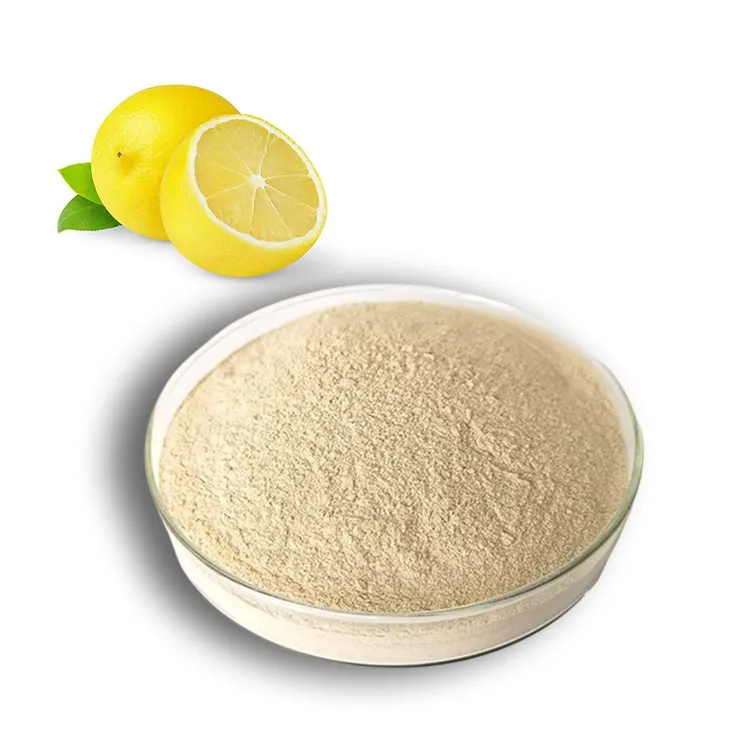
Lemon Extracts, derived from the fruit of the lemon tree (Citrus limon), are rich in a variety of bioactive compounds. These include citric acid, flavonoids, phenolic compounds, and essential oils. The unique composition of Lemon Extracts endows them with a wide range of potential applications in different industries. This article will explore the application prospects of Lemon Extracts in the food and beverage, pharmaceutical, and agricultural sectors.
2. Application in the Food and Beverage Sector
2.1 Flavoring Agent
Lemon Extracts are widely used as a natural flavoring agent in the food and beverage industry. The characteristic tangy and citrusy flavor of lemon can enhance the taste of a variety of products. For example, in the production of soft drinks, Lemon Extract can be added to create refreshing lemon - flavored beverages. In the baking industry, it can be used to add a zesty flavor to cakes, cookies, and pastries. Unlike artificial flavorings, Lemon Extracts offer a more authentic and natural flavor profile, which is highly preferred by consumers who are increasingly conscious about the quality and origin of the ingredients in their food.
2.2 Preservative
The acidic nature of Lemon Extracts, mainly due to the presence of citric acid, makes them suitable for use as a natural preservative. Citric acid can lower the pH of food products, creating an environment that is unfavorable for the growth of spoilage - causing microorganisms such as bacteria, yeasts, and molds. In addition to inhibiting microbial growth, Lemon Extracts can also help in maintaining the freshness and quality of food products over a longer period. For instance, in the preservation of fruits and vegetables, a solution containing Lemon Extract can be used to extend their shelf - life. In the production of jams and jellies, Lemon Extract not only adds flavor but also helps in preventing spoilage.

2.3 Nutritional Supplement
Lemon Extracts are a source of various nutrients and bioactive compounds that can be beneficial for human health. They contain vitamins such as Vitamin C, which is well - known for its antioxidant properties. Vitamin C can help in strengthening the immune system, promoting collagen synthesis, and protecting the body against oxidative stress. In addition to Vitamin C, Lemon Extracts also contain flavonoids and phenolic compounds that have been associated with anti - inflammatory and anti - cancer properties. Therefore, incorporating Lemon Extracts into food products can enhance their nutritional value, making them a healthier choice for consumers. Some food manufacturers are already adding Lemon Extracts to functional foods and dietary supplements to take advantage of these health - promoting properties.
3. Application in the Pharmaceutical Industry

3.1 Source of Bioactive Compounds for Drug Development
The chemical constituents present in Lemon Extracts have shown potential for drug development. For example, the flavonoids found in Lemon Extracts, such as Hesperidin and naringin, have been studied for their pharmacological activities. These flavonoids have antioxidant, anti - inflammatory, and anti - cancer properties, which make them interesting candidates for the development of new drugs. In addition, the phenolic compounds in Lemon Extracts may also play a role in drug development. They can interact with biological targets in the body, such as enzymes and receptors, and modulate their activity. By further studying these interactions, researchers may be able to develop drugs based on the bioactive compounds of Lemon Extracts.

3.2 Traditional Medicine and Complementary Therapies
Lemon has a long history of use in traditional medicine. Lemon Extracts have been used to treat various ailments, such as digestive problems, coughs, and colds. In some cultures, lemon - based remedies are still popular for their natural and holistic approach to health. Although more scientific research is needed to validate the efficacy of these traditional uses, there is growing interest in exploring Lemon Extracts as part of complementary therapies. For example, lemon essential oil, which is a component of Lemon Extracts, has been used in aromatherapy for its relaxing and mood - enhancing effects. It is believed that the inhalation of lemon essential oil can stimulate the nervous system and have a positive impact on mental health.
4. Application in the Agricultural Field
4.1 Pest Control
Lemon Extracts may offer a natural alternative for pest control in agriculture. Some of the bioactive compounds in Lemon Extracts, such as essential oils, have been shown to have insecticidal and repellent properties. For example, the volatile compounds in lemon essential oil can disrupt the olfactory system of insects, making it difficult for them to locate their host plants. This can be used to protect crops from insect pests without the use of synthetic pesticides, which are often associated with environmental and health risks. In addition, Lemon Extracts can also be used in the development of biopesticides, which are more sustainable and environmentally friendly options for pest control.
4.2 Plant Growth Promotion
There is evidence to suggest that Lemon Extracts can promote plant growth. The nutrients and bioactive compounds in Lemon Extracts can be absorbed by plants and may have a positive impact on their growth and development. For example, the citric acid in Lemon Extracts can help in improving soil fertility by chelating nutrients, making them more available for plant uptake. In addition, some of the bioactive compounds in Lemon Extracts may act as plant growth regulators, stimulating root growth, shoot elongation, and flowering. By using Lemon Extracts in agriculture, farmers may be able to improve crop yields and quality while reducing their reliance on synthetic fertilizers.
5. Challenges and Future Directions
Despite the promising application prospects of Lemon Extracts, there are also some challenges that need to be addressed. One of the main challenges is the standardization of Lemon Extract production. Since the composition of Lemon Extracts can vary depending on factors such as the variety of lemon, the extraction method, and the growing conditions, it is important to develop standardized production processes to ensure the quality and consistency of the extracts. Another challenge is the limited understanding of the long - term safety and efficacy of Lemon Extracts in some applications. More research is needed to fully understand the potential benefits and risks associated with the use of Lemon Extracts, especially in the pharmaceutical and agricultural sectors.
In the future, further research is expected to focus on optimizing the extraction methods of Lemon Extracts to maximize the yield of bioactive compounds. There will also be a need to conduct more in - vivo and in - vitro studies to explore the pharmacological activities of Lemon Extracts and their potential applications in drug development. In the agricultural field, more research is needed to develop effective formulations of lemon - based biopesticides and plant growth promoters. Overall, with continued research and development, Lemon Extracts are likely to play an increasingly important role in various industries in the future.
FAQ:
What are the main components in Lemon Extracts?
Lemon Extracts mainly contain components such as citric acid, flavonoids, limonene, and various vitamins (such as Vitamin C). Citric acid gives lemons their sour taste. Flavonoids have antioxidant properties. Limonene contributes to the characteristic aroma of lemons, and Vitamin C is well - known for its antioxidant and immune - boosting functions.
How does Lemon Extract function as a natural additive in the food and beverage industry?
In the food and beverage industry, Lemon Extract functions as a natural additive in multiple ways. Firstly, its flavor can enhance the taste of products, providing a fresh and tangy flavor. Secondly, the antioxidant properties of its components can help preserve the quality of food and beverages by preventing oxidation. It can also be used to adjust the acidity of products, as citric acid is a common acidulant.
What potential does Lemon Extract have in drug development in the pharmaceutical industry?
The chemical constituents in Lemon Extract, such as flavonoids, may have several potentials in drug development. Flavonoids have antioxidant, anti - inflammatory, and antimicrobial properties. These properties can be explored for the development of drugs to treat various diseases related to oxidative stress, inflammation, and microbial infections. Additionally, some components may have potential in modulating certain biological pathways, which could be useful in developing drugs for chronic diseases.
How can Lemon Extract be used for pest control in agriculture?
Some components in Lemon Extract, like limonene, have insect - repellent properties. It can be used to create natural pest - repellent formulations. These formulations can be sprayed on crops to keep pests away without using synthetic pesticides. This not only helps in pest control but also reduces the environmental impact associated with chemical pesticides.
How does Lemon Extract promote plant growth in agriculture?
Lemon Extract may promote plant growth in several ways. The nutrients and organic compounds in it can enrich the soil. For example, the small amounts of minerals and vitamins can be beneficial for plant uptake. Also, some components may have a role in stimulating root development or enhancing the plant's resistance to environmental stresses, which ultimately contribute to better plant growth.
Related literature
- The Chemical Composition and Potential Applications of Lemon Extracts"
- "Lemon Extracts in Food, Pharmaceutical and Agricultural Sectors: A Review"
- "Bioactive Compounds in Lemon Extracts and Their Future Prospects"


-

Quercetin
2024-12-10
-

Polygonum Cuspidatum Extract
2024-12-10
-

Horse Chestnut Extract
2024-12-10
-

Red Date Extract
2024-12-10
-

Ivy Extract
2024-12-10
-

Vitamin B9 powder
2024-12-10
-

Chia Seed Powder
2024-12-10
-

Grape Seed Extract Powder
2024-12-10
-

White Willow Bark Extract
2024-12-10
-

Nutmeg Extract
2024-12-10