


1. Quality of Rose Hips
Quality is the cornerstone when it comes to purchasing Rose Hip Extract. The origin and quality of the rose hips used for extraction play a significant role in determining the overall quality of the extract.
1.1 Organic vs. Non - Organic
When considering the source of rose hips, the choice between organically grown and non - organically grown can be a crucial factor. Organic rose hips are typically grown without the use of synthetic pesticides, fertilizers, or genetically modified organisms (GMOs). This not only ensures a more natural product but also reduces the potential risk of ingesting harmful chemicals.
In contrast, non - organic rose hips may be exposed to various synthetic substances during cultivation. These substances can potentially leave residues in the final extract, which might not be desirable for those seeking a pure and clean product. For example, pesticides used on non - organic crops could potentially contaminate the rose hips and, by extension, the extract.
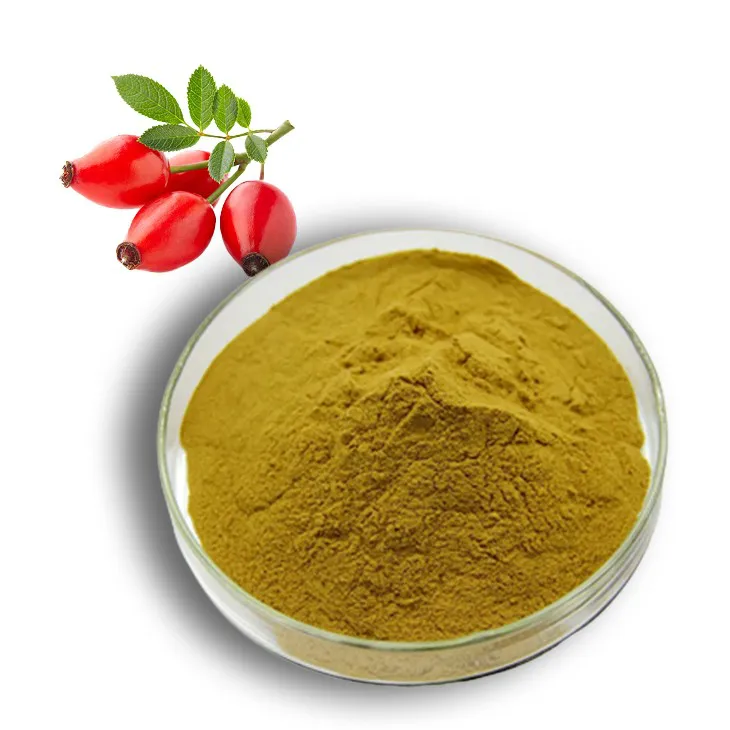
1.2 Region of Growth
The region where the rose hips are grown can also impact their quality. Different regions may have varying climates, soil types, and environmental conditions. For instance, rose hips grown in regions with rich, fertile soil and a suitable climate are likely to be more nutrient - rich. Some regions are known for their high - quality rose hip production due to their unique geographical and climatic features.
In addition, certain regions may have stricter regulations regarding agricultural practices, which can further influence the quality of the rose hips. For example, regions with advanced environmental protection policies may enforce more sustainable farming methods, resulting in better - quality rose hips.
2. Extraction Method
The extraction method used to obtain Rose Hip Extract is another vital consideration. Different extraction techniques can significantly affect the composition and effectiveness of the final product.

2.1 Solvent - Based Extraction
Solvent - based extraction is a common method. In this process, solvents such as ethanol or hexane are used to extract the active compounds from the rose hips. However, this method has its drawbacks. The use of solvents may leave behind trace amounts of the solvent in the extract, which could potentially be harmful if not removed completely.
On the positive side, solvent - based extraction can be efficient in extracting a wide range of compounds from the rose hips. For example, it can effectively extract vitamins, fatty acids, and other bioactive substances. But the quality control during this process is crucial to ensure the safety and purity of the extract.
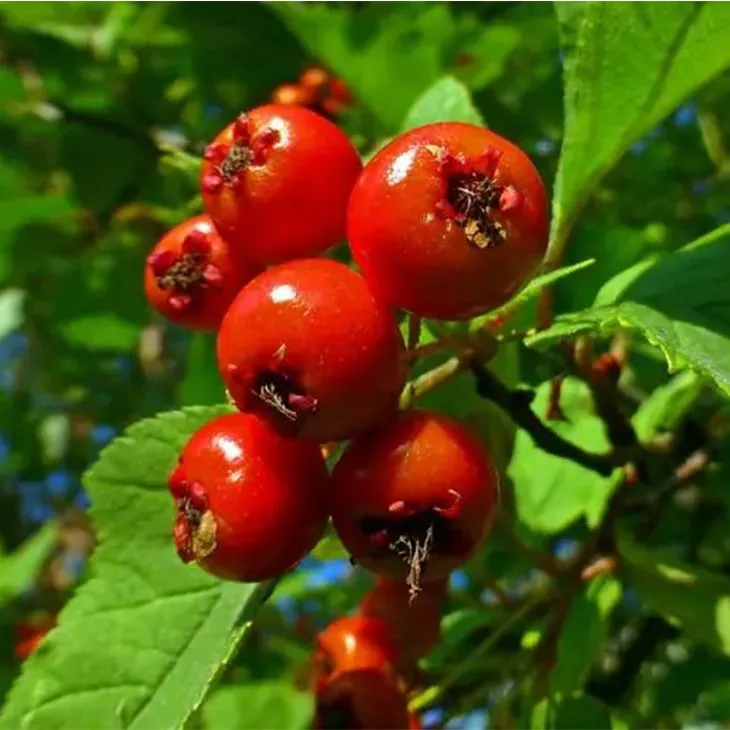
2.2 Supercritical Fluid Extraction
Supercritical fluid extraction is a more advanced and "cleaner" method. It typically uses carbon dioxide in a supercritical state as the extraction medium. This method has several advantages. Since carbon dioxide is a gas at normal conditions, it can be easily removed from the extract, leaving no harmful residues.
Moreover, supercritical fluid extraction can be more selective in extracting specific compounds. It can target and extract the desired bioactive components from the rose hips more precisely, resulting in a higher - quality extract with a more concentrated and pure composition of active ingredients.
2.3 Cold - Press Extraction
Cold - press extraction is a relatively simple and natural method. It involves mechanically pressing the rose hips to extract the oils and other substances. This method is preferred by some consumers who are looking for a more "natural" product as it does not involve the use of solvents or complex chemical processes.
However, cold - press extraction may not be as efficient in extracting all the active compounds compared to other methods. It may mainly extract the oils and some of the more easily accessible components, while leaving behind some of the water - soluble or more deeply embedded bioactive substances.
3. Brand Reputation
The brand reputation is an important factor that should not be overlooked when purchasing Rose Hip Extract. A well - established and reliable brand is more likely to provide a consistent and high - quality product.
3.1 Customer Reviews and Testimonials
One of the best ways to gauge a brand's reputation is by looking at customer reviews and testimonials. These can be found on the brand's official website, e - commerce platforms, or independent review websites. Positive reviews from customers who have actually used the product can indicate that the brand is trustworthy and that its Rose Hip Extract is of good quality.
For example, if customers consistently praise the effectiveness of the extract in improving skin health or reducing inflammation, it is a good sign. On the other hand, if there are numerous complaints about issues such as product quality, inconsistent results, or poor customer service, it should raise a red flag.
3.2 Brand History and Experience
A brand with a long history and extensive experience in the production of herbal extracts, including Rose Hip Extract, is generally more reliable. Brands that have been in the business for many years have likely developed expertise in sourcing high - quality raw materials, perfecting extraction methods, and ensuring product quality control.
They may also have a better understanding of the market and customer needs, which can translate into a better - quality product. For instance, an established brand may have established relationships with reliable suppliers of rose hips, ensuring a consistent supply of high - quality raw materials.
3.3 Certifications and Standards
Brands that adhere to recognized certifications and standards are more likely to produce high - quality Rose Hip Extract. Look for certifications such as Good Manufacturing Practice (GMP), which ensures that the product is manufactured in a clean, safe, and quality - controlled environment.
Other relevant certifications may include organic certifications if the product is claimed to be made from organically grown rose hips. These certifications act as a guarantee that the brand follows certain quality and safety guidelines, giving consumers more confidence in the product.
4. Ingredient Transparency
Ingredient transparency is an essential aspect to consider when purchasing Rose Hip Extract. Consumers should have a clear understanding of what is in the product they are buying.
4.1 Full Ingredient List
A reliable brand should provide a full ingredient list on the product packaging or on its official website. This list should include not only the main ingredient, which is the Rose Hip Extract, but also any other additives or fillers that may be present.
For example, some products may contain preservatives to extend their shelf life, or they may have added flavors or colors. By having access to the full ingredient list, consumers can make an informed decision, especially if they have any allergies or sensitivities to certain substances.
4.2 Ingredient Origins
In addition to the list of ingredients, it is also beneficial to know the origins of the ingredients. For the Rose Hip Extract, as mentioned earlier, the origin of the rose hips can affect the quality. Knowing where the rose hips are sourced from can give consumers more confidence in the product.
Similarly, for any other ingredients in the extract, such as additives or co - ingredients, understanding their origins can help in assessing their quality and safety. For instance, if an additive is sourced from a region with high - quality manufacturing standards, it may be considered more reliable.
5. Product Packaging
The product packaging of Rose Hip Extract can also influence the quality and usability of the product.
5.1 Packaging Material
The packaging material should be chosen to protect the Rose Hip Extract from factors such as light, air, and moisture. For example, dark - colored glass bottles are often preferred for packaging Rose Hip Extract as they can block out light, which can degrade the active ingredients in the extract.
Similarly, air - tight and moisture - proof packaging can prevent oxidation and spoilage of the extract. If the packaging is not properly designed to protect the extract, it can lead to a decrease in its effectiveness over time.
5.2 Packaging Information
The packaging information should be clear and comprehensive. It should include details such as the product name, brand, ingredients, usage instructions, and expiration date. Clear and accurate packaging information helps consumers use the product correctly and also ensures that they are aware of its shelf - life.
For example, the usage instructions should clearly state how much of the extract should be taken and how often. The expiration date is crucial as using an expired Rose Hip Extract may not only be ineffective but could also potentially be harmful.
6. Price and Value for Money
Price is an important consideration when purchasing Rose Hip Extract, but it should be evaluated in terms of value for money.
6.1 Comparing Prices
It is advisable to compare prices among different brands and products. However, a lower price does not always mean a better deal. A very cheap Rose Hip Extract may be of inferior quality, perhaps due to lower - quality raw materials or less - than - ideal extraction methods.
On the other hand, a higher - priced product may not necessarily be the best option either. It is important to consider the overall quality, including factors such as the quality of the rose hips, extraction method, brand reputation, and ingredient transparency, in relation to the price.
6.2 Quantity and Concentration
When comparing prices, also take into account the quantity of the product and the concentration of the Rose Hip Extract. A product may seem expensive at first glance, but if it contains a higher concentration of active ingredients or a larger quantity, it may actually offer better value for money.
For example, a small bottle of highly concentrated Rose Hip Extract may be more cost - effective in the long run if it requires a smaller dosage compared to a larger, less - concentrated product.
7. Intended Use and Efficacy
The intended use of the Rose Hip Extract and its efficacy for that purpose should be considered before making a purchase.
7.1 Health Benefits
Rose Hip Extract is known for various health benefits, such as its antioxidant properties, which can help in fighting free radicals in the body. It may also be beneficial for skin health, potentially reducing wrinkles and improving skin elasticity.
For those interested in using Rose Hip Extract for a specific health condition, such as joint pain or inflammation, it is important to research whether there is scientific evidence supporting its efficacy for that particular use. For example, some studies suggest that Rose Hip Extract may have anti - inflammatory effects on joints, but more research may be needed for conclusive results.
7.2 Dosage and Usage
Understanding the appropriate dosage and usage of Rose Hip Extract is crucial. Different products may recommend different dosages depending on factors such as the concentration of the extract and the intended use.
It is important to follow the recommended dosage instructions to ensure both safety and effectiveness. Using too much or too little of the extract may not yield the desired results. For example, if the extract is being used for its antioxidant benefits, the correct dosage may be required to achieve the optimal level of antioxidant protection in the body.
FAQ:
Q1: How can I determine if the rosehip extract is of high quality?
You can determine the quality of rosehip extract in several ways. Firstly, check if the rosehips are organically grown as this often indicates a higher quality source. High - quality extracts are usually sourced from well - cared - for plants. Also, look for products that have been tested for purity and potency, perhaps by third - party laboratories. The presence of clear and detailed information about the product's origin and manufacturing process on the label can also be a sign of a high - quality product.
Q2: What are the different extraction methods for rosehip extract and how do they impact the product?
Common extraction methods for rosehip extract include solvent extraction and supercritical fluid extraction. Solvent extraction uses solvents like ethanol to extract the active compounds from the rosehips. However, it's important to ensure that all solvents are removed completely as any residue can affect the product's safety and quality. Supercritical fluid extraction, often using carbon dioxide, is a more advanced method. It can be more precise in isolating the desired compounds, and may result in an extract with a more pure and potent composition compared to solvent extraction. Different extraction methods can lead to variations in the types and amounts of active ingredients in the extract, which in turn can affect its effectiveness.
Q3: Why is brand reputation important when choosing rosehip extract?
A well - reputed brand has a lot to offer when it comes to choosing rosehip extract. Brands with a good reputation have usually built it over time by consistently providing high - quality products. They are more likely to follow strict manufacturing processes and quality control standards. Reputable brands also tend to be more transparent about their sourcing, extraction methods, and product composition. This gives consumers more confidence in the product they are purchasing, as they can trust that the brand will deliver a consistent and effective rosehip extract.
Q4: Are there any certifications to look for when buying rosehip extract?
Yes, there are certifications that can indicate the quality of rosehip extract. For example, organic certifications can ensure that the rosehips were grown without the use of harmful pesticides and fertilizers. Good Manufacturing Practice (GMP) certifications show that the manufacturing facility adheres to strict quality and safety standards. Look for these certifications on the product label as they can provide additional assurance of the product's quality.
Q5: How should I store rosehip extract?
Rosehip extract should be stored in a cool, dry place, away from direct sunlight. It is best to keep it in its original packaging, which is usually designed to protect the extract from air, moisture, and light. Some rosehip extracts may also require refrigeration, so it's important to follow the storage instructions on the product label. Improper storage can lead to degradation of the active ingredients and a reduction in the product's effectiveness.
Related literature
- The Quality and Efficacy of Rosehip Extract: A Comprehensive Review"
- "Rosehip Extract: Understanding the Impact of Extraction Methods on Quality"
- "Brand Reputation and Consumer Trust in Rosehip Extract Products"


-

Phyllanthus Emblica Extract
2025-01-10
-

Curcumin
2025-01-10
-

Fenugreek Extract Powder
2025-01-10
-

Grape Seed Extract Powder
2025-01-10
-

Dandelion Root Extract
2025-01-10
-

Olive leaf extract
2025-01-10
-

Chia Seed Powder
2025-01-10
-

Motherwort Extract
2025-01-10
-

Acerola Extract
2025-01-10
-

Selenium yeast
2025-01-10