


1. Introduction to Astaxanthin
Astaxanthin is a powerful antioxidant that has drawn significant attention in recent years. It is a carotenoid pigment, which is responsible for the pink - orange color in certain marine organisms, especially in shrimp. Astaxanthin is not only important for the coloration of these organisms but also offers a plethora of health benefits to humans.
2. Health Benefits of Astaxanthin
2.1 Skin Protection
One of the most notable benefits of Astaxanthin is its ability to protect the skin from UV damage. UV rays from the sun can cause oxidative stress in the skin cells, leading to premature aging, wrinkles, and an increased risk of skin cancer. Astaxanthin acts as a shield against these harmful rays by neutralizing free radicals and reducing the inflammation caused by UV exposure.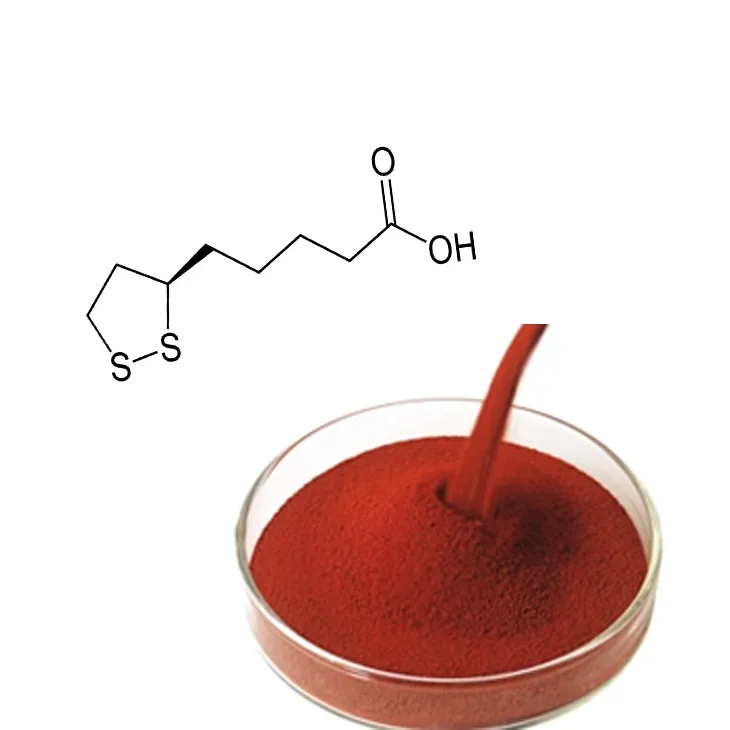
2.2 Eye Health Improvement
Astaxanthin also plays a crucial role in improving eye health. It can accumulate in the retina and protect the eyes from oxidative damage. Studies have shown that it may help in reducing the risk of age - related macular degeneration (AMD), cataracts, and other eye disorders.
2.3 Reduction of Chronic Disease Risk
The antioxidant properties of Astaxanthin make it effective in reducing the risk of chronic diseases. It can help in lowering blood pressure, improving lipid profiles, and reducing inflammation in the body. This, in turn, may contribute to a decreased risk of heart disease, diabetes, and certain types of cancer.3. Current Processing of Astaxanthin

3.1 Extraction from Marine Organisms
Currently, the traditional method of Astaxanthin processing mainly focuses on extraction from marine organisms such as shrimp, krill, and certain types of algae. This process involves several steps, including harvesting the source organisms, separating the Astaxanthin - containing parts, and then using various extraction techniques such as solvent extraction or supercritical fluid extraction.3.2 Synthetic Astaxanthin
There are also synthetic Astaxanthin products available on the market. These are produced through chemical synthesis methods. However, although synthetic Astaxanthin is cheaper to produce, it is often less preferred by consumers compared to natural Astaxanthin. This is because natural Astaxanthin is believed to have better bioavailability and fewer potential side effects.4. Challenges in Astaxanthin Processing
4.1 Raw Material Sources
One of the major challenges in Astaxanthin processing is the availability of raw material sources. Since the main sources of natural Astaxanthin are marine organisms, the supply can be limited by factors such as over - fishing, environmental changes, and the difficulty in culturing certain organisms. For example, if the population of shrimp or krill declines due to over - exploitation, it can directly affect the production of natural Astaxanthin.4.2 Production Costs
The production costs associated with Astaxanthin processing are relatively high. The extraction processes from marine organisms can be complex and require expensive equipment and large amounts of energy. In addition, the purification steps to obtain high - quality Astaxanthin are also costly. For synthetic Astaxanthin, although the production cost is lower than that of natural Astaxanthin, it still faces challenges in terms of meeting the strict quality requirements and consumer acceptance.5. Research and Innovation in Astaxanthin Processing
5.1 Exploration of New Extraction Techniques
To overcome the challenges in Astaxanthin processing, the industry is constantly exploring more efficient and sustainable extraction techniques. For example, researchers are looking into enzymatic extraction methods, which may offer a more environmentally friendly and cost - effective alternative to traditional solvent extraction. Enzymatic extraction uses specific enzymes to break down the cell walls of the source organisms and release Astaxanthin, potentially reducing the need for harsh solvents and high - energy processes.5.2 Development of Alternative Raw Material Sources
Another area of research is the development of alternative raw material sources for Astaxanthin. Scientists are exploring the cultivation of Astaxanthin - rich microalgae in large - scale bioreactors. Microalgae can be a more sustainable source compared to traditional marine organisms as they can be cultured more easily and with less environmental impact. Moreover, genetic engineering techniques are also being considered to enhance the Astaxanthin production in organisms.6. Future Prospects of Astaxanthin
Despite the challenges, the future of Astaxanthin looks very promising. The increasing awareness of its health benefits among consumers is driving the demand for Astaxanthin - containing products. As research continues to uncover new applications and improve the processing techniques, it is expected that the availability and affordability of Astaxanthin will increase. In the food and beverage industry, Astaxanthin is likely to be used more widely as a natural colorant and a functional ingredient. In the nutraceutical and pharmaceutical sectors, its potential in preventing and treating various diseases will be further explored and exploited.
FAQ:
Question 1: Why is the legal situation important when purchasing Yohimbine Bark Extract?
It is important because the legality of Yohimbine Bark Extract varies from country to country. In some places, it may be restricted or even prohibited. Purchasing it without considering the legal aspect can lead to legal issues for the buyer.
Question 2: How can one determine the quality of Yohimbine Bark Extract in terms of origin?
One can research the regions known for high - quality Yohimbine bark production. For example, certain areas may have better soil conditions, climate, and cultivation practices. Also, looking for products that clearly state the origin of the bark can be a good start. Additionally, information from reliable botanical sources or industry reports can help in assessing the quality based on origin.
Question 3: What are the common side effects associated with Yohimbine Bark Extract?
Common side effects may include increased heart rate, elevated blood pressure, anxiety, and insomnia. However, individual reactions can vary. Some people may experience more severe side effects, while others may have milder or no side effects at all. It is always advisable to consult a healthcare professional before using it.
Question 4: How can one assess the brand's reputation when considering Yohimbine Bark Extract?
One can look for customer reviews and testimonials online. Check for any complaints or positive feedback about the brand. Also, see if the brand has been in the market for a long time and has a consistent track record. Brands that are transparent about their manufacturing processes and quality control measures are generally more reliable.
Question 5: What kind of certifications should a good Yohimbine Bark Extract product have?
It could have certifications related to quality control, such as Good Manufacturing Practice (GMP) certification. This ensures that the product is manufactured in a clean, safe, and regulated environment. Certifications from recognized botanical or health - related organizations can also be an indication of the product's quality and safety.
Related literature
TAGS:


-

Hops Extract
2025-02-12
-

Mulberry leaf Extract
2025-02-12
-

Andrographis Paniculata Extract Powder
2025-02-12
-

Scutellaria Extract
2025-02-12
-

Polygonum Cuspidatum Extract
2025-02-12
-

Sophora Flavescens Root Extract
2025-02-12
-

Beta Carotene
2025-02-12
-

Bitter Melon Extract
2025-02-12
-

Tamarind extract powder
2025-02-12
-

Longan Extract
2025-02-12