


1. Introduction
Artichoke (Cynara scolymus) has been used for centuries in traditional medicine, particularly in Mediterranean regions. The Artichoke Leaf Extract has gained significant attention in recent years due to its potential health benefits. This article aims to explore the scientific aspects of Artichoke Leaf Extract, including its chemical composition and various efficacy claims.
2. Chemical Composition of Artichoke Leaf Extract
2.1 Cynarin
Cynarin is one of the most well - known compounds in Artichoke Leaf Extract. It is a caffeoylquinic acid derivative. Cynarin has been the focus of numerous studies due to its potential biological activities. It is thought to play a role in many of the health - promoting effects associated with Artichoke Leaf Extract.
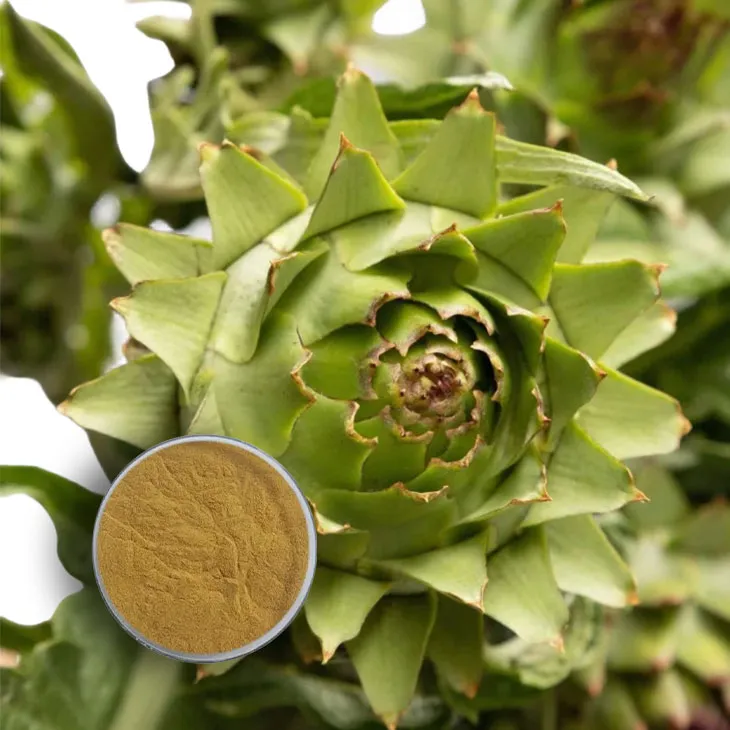
2.2 Flavonoids
Artichoke Leaf Extract also contains various flavonoids. Flavonoids are a large class of plant - derived compounds known for their antioxidant properties. In artichoke, flavonoids such as luteolin and apigenin contribute to the overall antioxidant capacity of the extract. These compounds may also have anti - inflammatory effects, which could be beneficial for health.
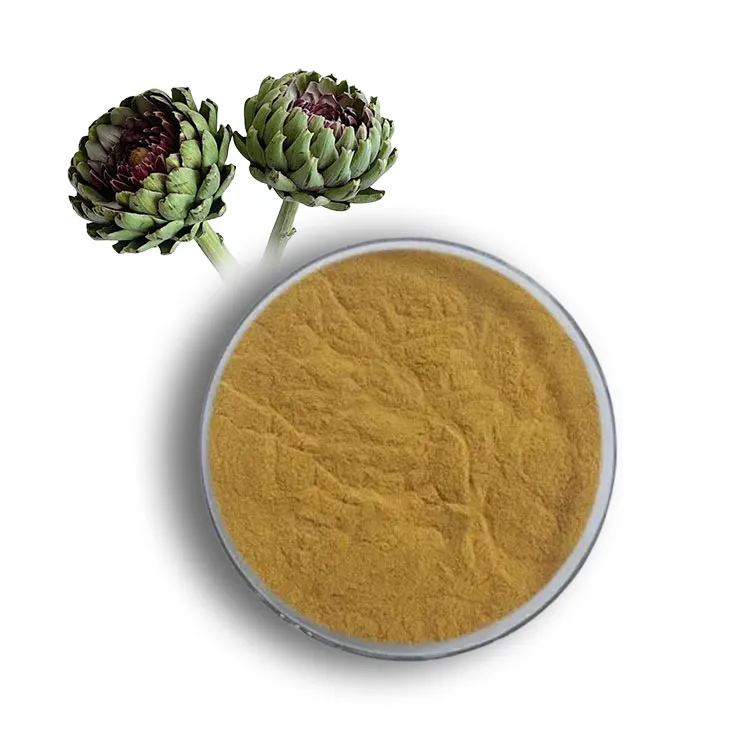
2.3 Other Bioactive Compounds
There are additional bioactive compounds present in Artichoke Leaf Extract. For example, phenolic acids, which are involved in antioxidant and free - radical scavenging activities. Additionally, inulin, a type of dietary fiber, is also found in artichoke. Inulin can have positive effects on the digestive system, promoting the growth of beneficial gut bacteria.
3. Efficacy of Artichoke Leaf Extract
3.1 Liver Support
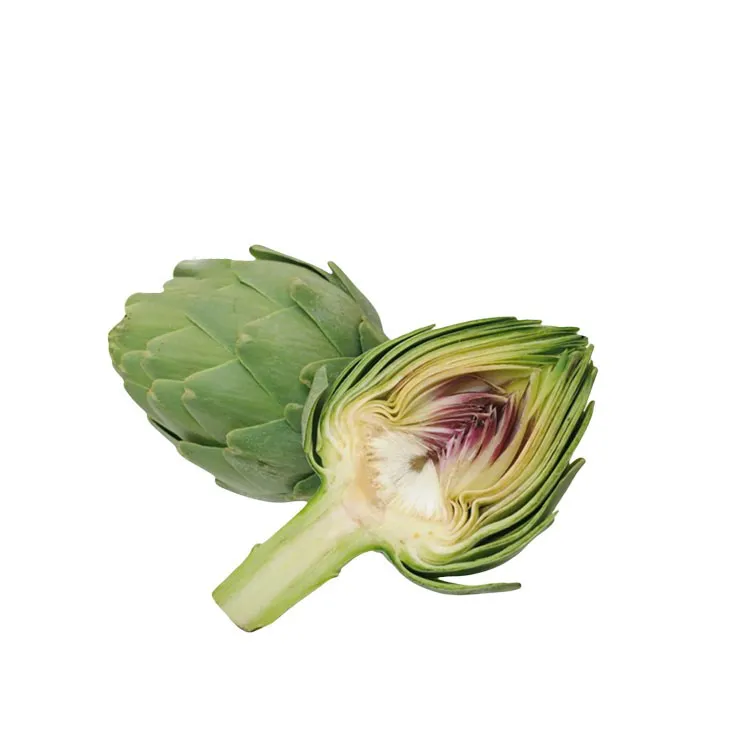
One of the major areas of interest regarding Artichoke Leaf Extract is its potential for liver support.
- Animal studies have shown that Artichoke Leaf Extract can enhance liver function. It may help in the metabolism of drugs and toxins, potentially protecting the liver from damage. For example, some research has indicated that the compounds in the extract can increase the activity of liver enzymes involved in detoxification processes.
- In vitro studies have also demonstrated that Artichoke Leaf Extract can protect liver cells from oxidative stress. The antioxidant compounds present, such as cynarin and flavonoids, can neutralize free radicals that could otherwise damage liver cells.
- Some human studies suggest that Artichoke Leaf Extract may be beneficial for individuals with liver diseases such as non - alcoholic fatty liver disease (NAFLD). However, more research is needed to fully understand its role in treating and preventing liver diseases.
3.2 Digestive Aid
Artichoke Leaf Extract has long been considered as a digestive aid.
- The inulin present in the extract can act as a prebiotic. It provides nourishment for beneficial gut bacteria, which in turn can improve digestion. A healthy gut microbiota is essential for proper digestion and absorption of nutrients.
- Studies have also shown that Artichoke Leaf Extract can increase bile production. Bile is important for the digestion and absorption of fats. By promoting bile production, the extract may help in the digestion of fatty foods and prevent digestive discomfort such as bloating and indigestion.
- Some evidence suggests that Artichoke Leaf Extract may have a relaxing effect on the smooth muscles of the digestive tract. This can help to relieve spasms and improve the overall motility of the digestive system.
3.3 Antioxidant Effects
The antioxidant effects of Artichoke Leaf Extract are mainly attributed to its chemical composition.
- Cynarin and flavonoids are powerful antioxidants. They can scavenge free radicals in the body, which are highly reactive molecules that can cause damage to cells, proteins, and DNA. By reducing oxidative stress, Artichoke Leaf Extract may play a role in preventing chronic diseases such as cancer, heart disease, and neurodegenerative disorders.
- Antioxidants in the extract can also help to maintain the integrity of cell membranes. This is important for the proper functioning of cells and can protect them from external insults.
- Some in - vitro and in - vivo studies have demonstrated the antioxidant potential of Artichoke Leaf Extract. However, more research is required to fully understand the extent of its antioxidant effects in humans and its potential applications in disease prevention.
4. Research Limitations and Future Directions
While there is a growing body of evidence supporting the potential health benefits of Artichoke Leaf Extract, there are also some limitations in the current research.
- Many of the studies on Artichoke Leaf Extract have been conducted in vitro or in animals. While these studies provide valuable insights, the translation of these findings to humans may not be straightforward. Human studies are often more complex due to factors such as individual variability in metabolism, diet, and lifestyle.
- The dosages used in different studies vary widely, making it difficult to determine the optimal dosage for different health benefits. More standardized and well - controlled clinical trials are needed to address this issue.
- There is a lack of long - term studies on the safety and efficacy of Artichoke Leaf Extract. Long - term use may have potential side effects that are not yet fully understood.
For the future, there are several directions that research could take.
- Large - scale, long - term clinical trials in humans are needed to better understand the safety and efficacy of Artichoke Leaf Extract for various health conditions. These trials should be well - designed, with proper control groups and standardized dosages.
- Research could also focus on the mechanisms of action of Artichoke Leaf Extract at the molecular level. Understanding how the various compounds interact with cells and biological pathways could lead to the development of more targeted and effective therapies.
- Investigating the potential synergistic effects of Artichoke Leaf Extract with other natural products or medications could also be an area of future research. This could potentially enhance the health benefits or reduce the side effects of existing treatments.
5. Conclusion
Artichoke Leaf Extract is a complex mixture of bioactive compounds with potential health benefits. Its chemical composition, including cynarin, flavonoids, and other bioactive substances, gives it properties such as liver support, digestive aid, and antioxidant effects. However, more research is needed to fully understand its efficacy, determine optimal dosages, and ensure its long - term safety. As interest in natural remedies continues to grow, Artichoke Leaf Extract remains an area of great scientific interest and potential for the development of new health - promoting products.
FAQ:
What are the main bioactive compounds in Artichoke Leaf Extract?
The main bioactive compound in Artichoke Leaf Extract is cynarin. Besides, there are other bioactive compounds as well. These compounds contribute to the various health - related properties of the extract.
How does Artichoke Leaf Extract support liver health?
Artichoke Leaf Extract supports liver health through several mechanisms. The bioactive compounds in it may help in detoxification processes in the liver. They might also play a role in protecting liver cells from damage, as suggested by some scientific research. However, more in - depth studies are still needed to fully understand all the ways it benefits liver health.
What is the role of Artichoke Leaf Extract in digestion?
Artichoke Leaf Extract can act as a digestive aid. It may help to increase the production of bile, which is important for the digestion of fats. This can lead to improved digestion and reduced symptoms such as indigestion and bloating.
How do the antioxidant effects of Artichoke Leaf Extract work?
The antioxidant effects of Artichoke Leaf Extract are due to its bioactive compounds. These compounds can scavenge free radicals in the body. By neutralizing free radicals, they help to prevent oxidative stress, which is associated with many chronic diseases and aging.
Are there any side effects of using Artichoke Leaf Extract?
Generally, Artichoke Leaf Extract is considered safe for most people when used appropriately. However, some people may experience mild side effects such as gastrointestinal discomfort, including gas, bloating, or an upset stomach. In rare cases, allergic reactions may occur. It is always advisable to consult a healthcare provider before starting any new supplement.
Related literature
- The Chemical Constituents and Pharmacological Effects of Artichoke (Cynara scolymus L.)"
- "Artichoke Leaf Extract: A Review of its Potential Health Benefits"
- "Bioactive Compounds in Artichoke and Their Role in Health Promotion"


-

Avocado Extract Powder
2024-12-19
-

Red Clover Extract
2024-12-19
-

Dandelion Leaf Extract
2024-12-19
-

Propolis Extract Powder
2024-12-19
-

Citrus bioflavonoids
2024-12-19
-

Marigold Extract
2024-12-19
-

Saponin Extract
2024-12-19
-

Sophora Japonica Flower Extract
2024-12-19
-

Lemon Extract
2024-12-19
-
Artichoke Leaf Extract
2024-12-19