


Introduction
In the realm of natural compounds with remarkable health - promoting properties, Astaxanthin stands out as a powerful antioxidant. This molecule has been the subject of extensive research in recent years, owing to its potential in providing a wide range of health benefits. Astaxanthin is found in various natural sources, most notably in certain types of microalgae, and is also present in some marine organisms that consume these algae. Understanding the science behind Astaxanthin, both its chemistry and how this relates to its efficacy, is crucial for fully appreciating its role in health and potential applications in various fields such as nutraceuticals and cosmetics.
Chemical Structure of Astaxanthin
Molecular Formula
The molecular formula of Astaxanthin is \(C_{40}H_{52}O_{4}\). This relatively large and complex formula reflects the molecule's structure, which consists of a long carbon - chain backbone with multiple functional groups. The carbon atoms form the basis of the molecule's shape and are arranged in a way that gives Astaxanthin its characteristic properties.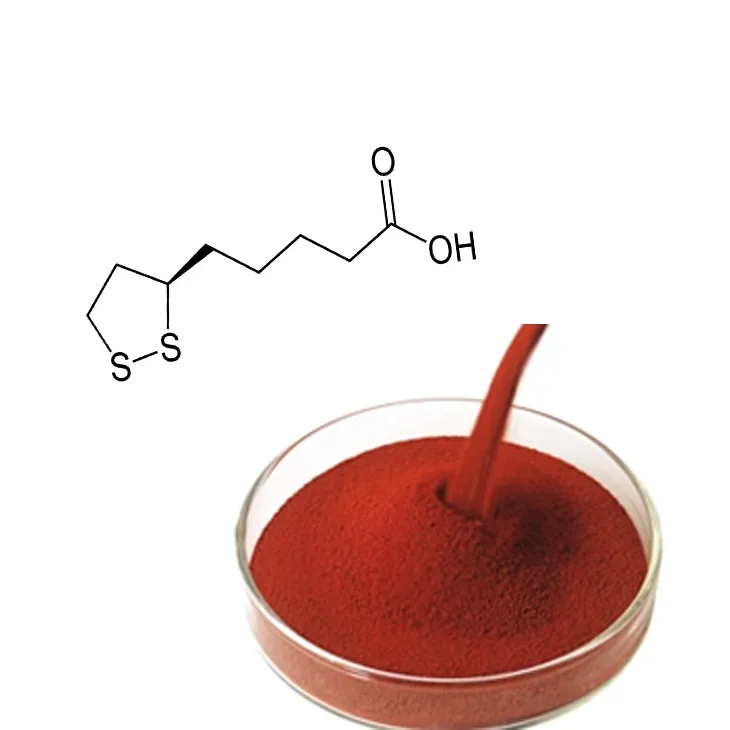
Double Bonds and Conjugation
One of the most significant features of Astaxanthin's chemical structure is the presence of a large number of double bonds. Astaxanthin has eleven conjugated double bonds in its structure. This conjugation system is responsible for many of its unique chemical and physical properties. The double bonds create a delocalized electron system, which allows Astaxanthin to interact with free radicals in a very effective way. When compared to other antioxidants, the extensive conjugation in Astaxanthin gives it a higher antioxidant capacity. For example, in vitro studies have shown that Astaxanthin can scavenge free radicals more efficiently than well - known antioxidants like Vitamin C and vitamin E.
Chirality
Astaxanthin also exhibits chirality, existing in three different stereoisomeric forms: 3S, 3'S; 3R, 3'R; and 3R, 3'S. The natural form of Astaxanthin, which is predominantly found in microalgae and is the form most studied for its health benefits, is the 3S, 3'S stereoisomer. This chirality can have implications for its biological activity, as different stereoisomers may interact differently with biological molecules in the body.Chemical Properties of Astaxanthin

Solubility
Astaxanthin is a lipophilic compound, meaning it has a greater affinity for lipids (fats) than for water. This property affects its solubility characteristics. In general, Astaxanthin is poorly soluble in water but highly soluble in organic solvents such as chloroform, hexane, and ethyl acetate. This solubility profile has implications for its formulation in various products. For example, in the development of dietary supplements or topical cosmetics, formulators need to take into account Astaxanthin's lipophilic nature to ensure proper delivery and absorption.Stability
- Stability in Different Environments: Astaxanthin's stability can vary depending on the environment. In its natural state within microalgae, it is relatively stable due to the protective cellular environment. However, when isolated, it can be sensitive to factors such as light, heat, and oxygen. For instance, exposure to ultraviolet (UV) light can cause degradation of Astaxanthin over time. In the presence of high temperatures, the double bonds in its structure can be disrupted, leading to a loss of its antioxidant properties. To overcome these stability issues, various encapsulation and protection techniques have been developed in the manufacturing of Astaxanthin - containing products.
- pH - Dependent Stability: The stability of Astaxanthin is also pH - dependent. In acidic environments, it tends to be more stable than in alkaline conditions. This is because the chemical structure of Astaxanthin can be affected by changes in pH. At high pH values, the molecule may undergo chemical reactions that can reduce its antioxidant efficacy. Understanding this pH - dependence is important for applications where Astaxanthin is used in products with different pH levels, such as in some food and beverage formulations.
Antioxidant Efficacy of Astaxanthin
Mechanism of Antioxidant Action
Astaxanthin's antioxidant activity is based on its ability to donate electrons to free radicals. Free radicals are highly reactive molecules with unpaired electrons that can cause oxidative damage to cells by stealing electrons from other molecules in the body, such as lipids, proteins, and DNA. Astaxanthin, with its conjugated double - bond system, can donate electrons to these free radicals, thereby neutralizing them and preventing them from causing further damage. This process is crucial in protecting cells from oxidative stress, which is associated with a variety of health problems, including chronic diseases such as heart disease, cancer, and neurodegenerative disorders.Comparative Antioxidant Capacity
- In comparison to other antioxidants, Astaxanthin has been shown to have a significantly higher antioxidant capacity. For example, its ability to scavenge peroxyl radicals, which are highly reactive oxygen - containing free radicals, is much greater than that of beta - carotene. Studies have measured the antioxidant capacity of Astaxanthin using various methods, such as the oxygen radical absorbance capacity (ORAC) assay. In these assays, Astaxanthin consistently demonstrates a high antioxidant potential, often outperforming other well - known antioxidants.
- Another aspect of its antioxidant superiority is its ability to protect against lipid peroxidation. Lipid peroxidation is a process in which lipids in cell membranes are oxidized, leading to membrane damage. Astaxanthin can penetrate cell membranes due to its lipophilic nature and then prevent lipid peroxidation more effectively than other antioxidants. This property makes it particularly valuable in protecting cells with high lipid content, such as nerve cells in the brain and cells in the cardiovascular system.
Anti - Inflammatory Effects of Astaxanthin
Regulation of Inflammatory Pathways
Astaxanthin has been shown to have anti - inflammatory effects by modulating various inflammatory pathways in the body. It can interact with key signaling molecules involved in inflammation, such as nuclear factor - kappa B (NF - κB). NF - κB is a transcription factor that plays a central role in the regulation of genes involved in inflammation. Astaxanthin can inhibit the activation of NF - κB, thereby reducing the production of pro - inflammatory cytokines such as interleukin - 1β (IL - 1β), interleukin - 6 (IL - 6), and tumor necrosis factor - α (TNF - α). By reducing the levels of these pro - inflammatory cytokines, Astaxanthin can help to dampen the inflammatory response in the body.Clinical and Pre - Clinical Evidence
- In pre - clinical studies using animal models, Astaxanthin has been demonstrated to reduce inflammation in various tissues. For example, in models of arthritis, treatment with Astaxanthin has been shown to decrease joint swelling and improve joint function. This is likely due to its ability to suppress the inflammatory response in the joints.
- In clinical trials, Astaxanthin has also shown promise in reducing inflammation in humans. Some studies have investigated its use in patients with inflammatory skin conditions, such as psoriasis. Results have indicated that Astaxanthin supplementation can lead to a reduction in skin inflammation and improvement in the symptoms associated with psoriasis. Additionally, in studies on individuals with chronic inflammation due to factors such as obesity or metabolic syndrome, Astaxanthin has been shown to have a beneficial effect on reducing systemic inflammation markers.
Potential Anti - Aging Effects of Astaxanthin
Cellular and Molecular Mechanisms
Astaxanthin's potential anti - aging effects are thought to be related to its antioxidant and anti - inflammatory properties. At the cellular level, oxidative stress and chronic inflammation are two major factors associated with aging. By scavenging free radicals and reducing inflammation, Astaxanthin can help to protect cells from damage and maintain their normal function. In addition, Astaxanthin may also play a role in protecting telomeres, the protective caps at the ends of chromosomes. Telomere shortening is associated with cellular aging, and some studies suggest that Astaxanthin may help to slow down this process.Evidence from Research
- In vitro studies have shown that Astaxanthin can protect skin cells from UV - induced damage, which is a major contributor to skin aging. By reducing the oxidative stress caused by UV radiation, Astaxanthin can help to maintain the integrity of skin cells and prevent the formation of wrinkles and other signs of skin aging.
- In animal studies, long - term supplementation with Astaxanthin has been associated with improved lifespan and a reduction in age - related physiological decline. For example, in some studies on Drosophila (fruit flies), Astaxanthin - fed flies showed increased longevity compared to control flies. While these results cannot be directly extrapolated to humans, they do suggest that Astaxanthin may have potential anti - aging effects.
Conclusion
In conclusion, Astaxanthin is a remarkable compound with a unique chemical structure that gives rise to its multiple health - promoting properties. Its antioxidant, anti - inflammatory, and potential anti - aging effects are all underpinned by its chemical characteristics, from its molecular formula and conjugated double - bond system to its solubility and stability properties. Understanding the science behind Astaxanthin is essential for harnessing its full potential in various applications, whether in the development of nutraceuticals, cosmetics, or other health - related products. As research continues to unfold, it is likely that we will gain even more insights into the role of Astaxanthin in promoting health and well - being.
FAQ:
What is the molecular formula of Astaxanthin?
The molecular formula of Astaxanthin is C₄₀H₅₂O₄.
How does Astaxanthin's chemical structure contribute to its antioxidant properties?
Astaxanthin has a long conjugated double - bond system in its chemical structure. This structure allows it to easily donate electrons, which is the key mechanism for its antioxidant function. By donating electrons, it can neutralize free radicals and prevent oxidative damage to cells.
Is Astaxanthin stable in all environments?
No, Astaxanthin is not stable in all environments. For example, it can be degraded by exposure to light, heat, and oxygen over time. However, certain formulations and encapsulation techniques can enhance its stability.
What are the anti - inflammatory mechanisms of Astaxanthin?
Astaxanthin can modulate various signaling pathways involved in inflammation. It can inhibit the production of pro - inflammatory cytokines and mediators, and also has the ability to regulate the activity of immune cells. This helps in reducing inflammation at the cellular and tissue levels.
How does Astaxanthin potentially have anti - aging effects?
As an antioxidant, Astaxanthin can protect cells from oxidative stress, which is one of the main causes of aging. It can also affect the expression of genes related to aging processes, such as those involved in collagen production and cell renewal, thus potentially contributing to anti - aging effects.
Related literature
- The Chemistry and Biology of Astaxanthin"
- "Astaxanthin: A Potent Antioxidant with Potential Health Benefits"
- "Chemical Properties and Efficacy of Astaxanthin in Promoting Health"


-

Ginkgo Biloba Extract
2024-12-13
-

Orange Flavor Powder
2024-12-13
-

Buckthorn bark extract
2024-12-13
-

Beta Carotene
2024-12-13
-

Tongkat Ali Extract Powder
2024-12-13
-

Mulberry leaf Extract
2024-12-13
-

Lily extract
2024-12-13
-

Soy Extract
2024-12-13
-

Yohimbine Bark Extract
2024-12-13
-

Melatonin
2024-12-13