


Introduction
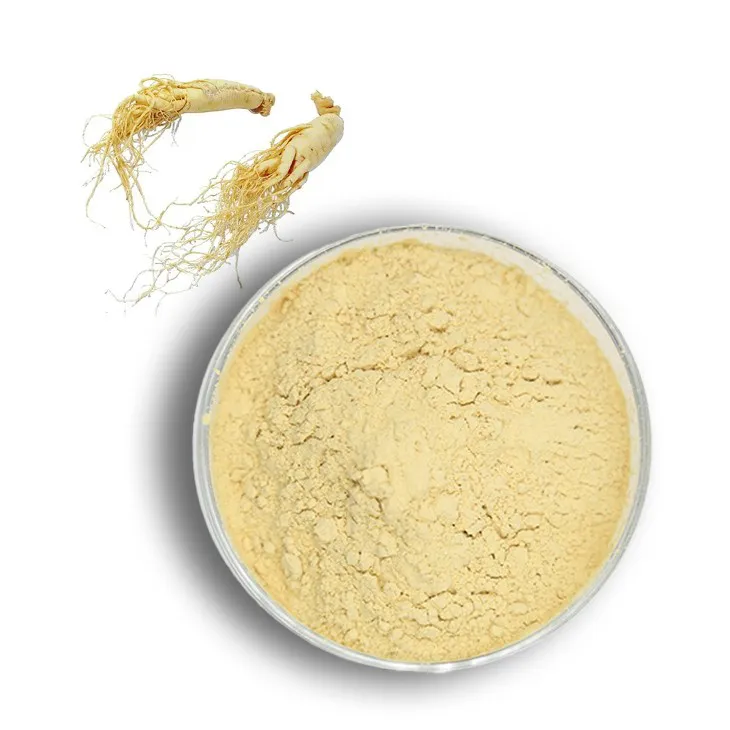
Ginseng has been a highly regarded herb in traditional medicine systems for centuries, particularly in Asian cultures. Panax ginseng, the most well - known type, has drawn significant attention in modern scientific research due to its reputed health - promoting properties. Ginseng Root Extract is a concentrated form of the active components found in the ginseng root, and understanding its chemistry is crucial for unlocking its full potential in terms of efficacy.
Chemical Composition of Ginseng Root Extract
1. Ginsenosides
Ginsenosides are the most characteristic and studied compounds in Ginseng Root Extract. These are triterpene saponins that play a central role in ginseng's pharmacological activities.
- There are multiple types of ginsenosides, such as Rg1, Rb1, and Re. Each has a unique chemical structure, with different sugar moieties attached to the triterpene backbone.
- Rg1 has been associated with enhancing cognitive function. It is thought to promote neuronal cell survival and differentiation, potentially through modulating signaling pathways involved in neurogenesis.
- Rb1, on the other hand, has been shown to have effects on the cardiovascular system. It may help regulate blood pressure by influencing the release of certain vasoactive substances and improving endothelial function.
- Re has been studied for its anti - inflammatory properties. It can interact with immune cells, inhibiting the production of pro - inflammatory cytokines and mediators.
2. Polysaccharides
Ginseng Root Extract also contains polysaccharides, which are long - chain carbohydrates.
- These polysaccharides have immunomodulatory effects. They can enhance the activity of immune cells such as macrophages and lymphocytes, thereby strengthening the body's immune defense mechanism.
- Some studies suggest that ginseng polysaccharides may also have antioxidant properties. They can scavenge free radicals, protecting cells from oxidative damage, which is implicated in various chronic diseases.

3. Other Components
In addition to ginsenosides and polysaccharides, Ginseng Root Extract contains other bioactive molecules.
- Peptides have been identified in ginseng. These small protein fragments may contribute to its overall health - promoting effects, perhaps through interacting with cellular receptors or enzymes.
- There are also phenolic compounds present. Phenolics are known for their antioxidant activities, and in ginseng, they may work in concert with other components to combat oxidative stress.
Efficacy of Ginseng Root Extract

1. Energy Boost
One of the most well - known effects of Ginseng Root Extract is its ability to boost energy levels.
- The ginsenosides, particularly Rg1, may play a role in this. It has been proposed that Rg1 can enhance mitochondrial function. Mitochondria are the powerhouses of the cell, responsible for generating adenosine triphosphate (ATP), the cell's energy currency. By improving mitochondrial function, Rg1 may increase the production of ATP, leading to increased energy at the cellular level and ultimately, a feeling of increased vitality in the body.
- Moreover, ginseng may also have an impact on the body's stress response system. It can help the body adapt to stress more effectively, reducing fatigue associated with chronic stress. This may be related to its ability to regulate the hypothalamic - pituitary - adrenal (HPA) axis, which is involved in the body's stress response.

2. Cardiovascular Health
Ginseng Root Extract has shown promise in promoting cardiovascular health.
- As mentioned earlier, ginsenoside Rb1 can influence blood pressure regulation. By improving endothelial function, it helps to keep blood vessels dilated and reduces resistance to blood flow, which is beneficial for maintaining normal blood pressure levels.
- Ginseng may also have anti - atherosclerotic effects. It can reduce the formation of atherosclerotic plaques by inhibiting lipid peroxidation, platelet aggregation, and the proliferation of smooth muscle cells in the arterial wall. These processes are key factors in the development of atherosclerosis, a major cause of heart disease.
- Furthermore, some studies suggest that ginseng can improve heart function. It may enhance cardiac contractility and increase the tolerance of the heart to ischemia - reperfusion injury, which occurs when blood flow to the heart is interrupted and then restored.

3. Cognitive Function
In the area of cognitive function, Ginseng Root Extract has received considerable attention.
- Ginsenoside Rg1's role in promoting neuronal cell survival and differentiation has implications for cognitive health. It may be beneficial for learning and memory processes. In animal studies, Rg1 has been shown to improve spatial learning and memory tasks.
- Moreover, ginseng may also have a positive impact on neurotransmitter systems. It can modulate the levels of neurotransmitters such as acetylcholine, which is crucial for memory and cognitive function. By increasing acetylcholine availability, ginseng may enhance cognitive performance.
- Some research also indicates that ginseng can protect the brain from age - related neurodegenerative diseases. It may do this by reducing oxidative stress and inflammation in the brain, two processes that are closely associated with the development of neurodegenerative disorders like Alzheimer's disease.
4. Immune System Modulation
The polysaccharides in Ginseng Root Extract are key players in immune system modulation.
- They enhance the activity of macrophages, which are the first line of defense in the immune system. Macrophages can engulf and destroy foreign invaders such as bacteria and viruses. By increasing macrophage activity, ginseng polysaccharides strengthen the body's innate immune response.
- Ginseng can also affect the adaptive immune system. It can stimulate the proliferation and activation of lymphocytes, including T - cells and B - cells. These cells are responsible for specific immune responses, such as producing antibodies against antigens. By modulating the adaptive immune system, ginseng can help the body mount a more effective and targeted immune response to infections.
Mechanisms of Action
Understanding the mechanisms of action of Ginseng Root Extract is essential for fully grasping its efficacy.
- Cell Signaling Pathways: Ginseng components can interact with various cell signaling pathways. For example, ginsenosides can modulate the phosphatidylinositol 3 - kinase (PI3K)/Akt pathway. This pathway is involved in many cellular processes, including cell growth, survival, and metabolism. By influencing this pathway, ginseng may promote cell survival and normal function, which is relevant for its effects on different organs and systems, such as the heart and brain.
- Gene Expression: Ginseng may also affect gene expression. It can up - regulate or down - regulate certain genes, depending on the physiological needs. For instance, it may up - regulate genes involved in antioxidant defense mechanisms, enhancing the body's ability to combat oxidative stress. This regulation of gene expression can be a long - term mechanism through which ginseng exerts its health - promoting effects.
- Receptor Binding: Some components of Ginseng Root Extract can bind to specific cellular receptors. For example, ginsenosides may bind to steroid hormone receptors or neurotransmitter receptors. This receptor binding can trigger a cascade of intracellular events, leading to the observed pharmacological effects. Binding to steroid hormone receptors may be related to its effects on the endocrine system, while binding to neurotransmitter receptors can explain its impact on cognitive and nervous system functions.
Conclusion
Ginseng Root Extract is a complex natural product with a rich chemical composition that gives rise to its diverse range of efficacies. The unique combination of ginsenosides, polysaccharides, peptides, and phenolic compounds work together to boost energy, promote cardiovascular health, enhance cognitive function, and modulate the immune system. Understanding the chemistry and mechanisms of action of Ginseng Root Extract not only provides insights into its traditional uses but also paves the way for future research and the development of new therapeutic applications. However, more research is still needed to fully elucidate the potential of Ginseng Root Extract and to standardize its use for optimal health benefits.
FAQ:
What are the main unique compounds in Ginseng Root Extract?
Ginseng Root Extract contains several unique compounds. Ginsenosides are among the most important ones. These are a group of saponin - like molecules that are believed to be responsible for many of ginseng's properties. There are also other components such as polysaccharides which play roles in the overall activity of the extract.
How do the bioactive molecules in Ginseng Root Extract boost energy?
The bioactive molecules, especially ginsenosides, may work on the adrenal glands to help regulate the body's stress response. By moderating the release of stress hormones like cortisol, they can improve the body's energy levels. Also, they may influence cellular metabolism, enhancing the efficiency of mitochondria which are the powerhouses of cells, thus providing more energy.
What is the connection between Ginseng Root Extract and cardiovascular health?
Ginseng Root Extract can have positive effects on cardiovascular health. Ginsenosides may help lower blood pressure by relaxing blood vessels. They can also reduce platelet aggregation, which is important in preventing blood clot formation. Additionally, some components in the extract may have antioxidant effects that protect the heart from oxidative stress damage.
Are there any side effects of using Ginseng Root Extract?
While Ginseng Root Extract is generally considered safe for most people when used appropriately, there can be some side effects. High doses may cause insomnia, nervousness, or increased blood pressure. Also, it may interact with certain medications, so it's important to consult a healthcare provider before using it, especially if you have underlying health conditions or are taking other drugs.
How is the efficacy of Ginseng Root Extract measured?
The efficacy of Ginseng Root Extract can be measured in several ways. In laboratory studies, researchers may look at the effects on cells or isolated tissues, for example, observing how ginsenosides affect cell viability or enzyme activity. In animal models, they can study parameters like blood pressure, heart rate, and behavior changes. In human studies, clinical trials are often used, which may assess subjective measures such as self - reported energy levels or objective measures like blood lipid profiles.
Related literature
- The Chemistry and Pharmacology of Ginseng"
- "Bioactive Compounds in Ginseng Root and Their Health Benefits"
- "Ginseng Root Extract: A Comprehensive Review of its Efficacy in Cardiovascular and Metabolic Disorders"


-

Hesperidin
2024-12-21
-

Cassia Seed Extract
2024-12-21
-

Ginger Extract
2024-12-21
-

Dan Shen Root Extract/Salvia Root Extract
2024-12-21
-

Thunder God Vine Extract
2024-12-21
-

Maca Extract
2024-12-21
-

Genistein
2024-12-21
-

Mangosteen extract powder
2024-12-21
-

Dandelion Root Extract
2024-12-21
-

Tormentil Extract
2024-12-21