


1. Introduction
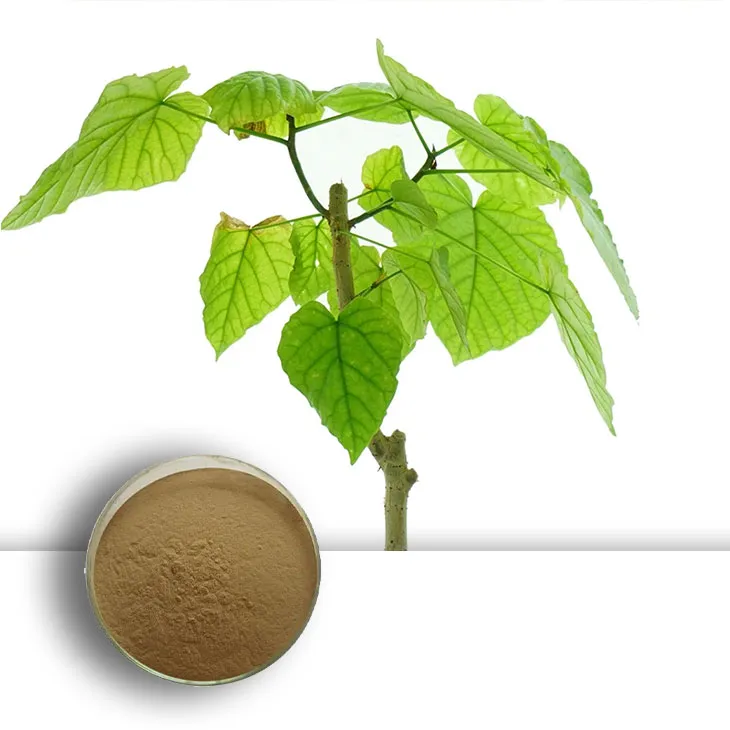
Mulberry leaf Extract has been garnering significant attention in recent years in the fields of health and medicine. Derived from the leaves of the mulberry tree (Morus spp.), this natural extract is rich in a variety of chemical compounds that contribute to its diverse biological activities. The traditional use of mulberry leaves in some cultures for treating various ailments has now been supported by scientific research, revealing its potential as a valuable natural resource.
2. Chemical Composition of Mulberry leaf Extract
2.1 Flavonoids
Flavonoids are one of the major groups of compounds present in Mulberry leaf Extract. These are polyphenolic
substances that play crucial roles in the plant's defense mechanisms as well as in providing health benefits to
humans. In mulberry leaves, flavonoids such as Rutin, isoquercitrin, and Quercetin are commonly found.
Rutin, for example, has antioxidant properties. It helps in scavenging free radicals in the body, which are
unstable molecules that can cause damage to cells and DNA. The presence of Rutin in Mulberry leaf Extract
contributes to its overall antioxidant activity. Isoquercitrin, on the other hand, has been studied for its
potential anti - inflammatory effects. It may help in reducing inflammation in the body, which is associated
with various chronic diseases. Quercetin, another important flavonoid, has been shown to have multiple
pharmacological activities. It can modulate cell signaling pathways, which may be beneficial in preventing
diseases such as cancer.

2.2 Alkaloids
Alkaloids are also a significant part of the chemical makeup of Mulberry leaf Extract. One of the main
alkaloids found in mulberry leaves is 1 - deoxynojirimycin (DNJ). DNJ has attracted particular interest due to its
potential anti - diabetic properties. It works by inhibiting alpha - glucosidase, an enzyme involved in the
breakdown of carbohydrates in the small intestine. By inhibiting this enzyme, DNJ can slow down the absorption
of glucose, thereby helping to regulate blood sugar levels. This makes Mulberry leaf Extract a potential
supplement for individuals with diabetes or those at risk of developing the disease.
In addition to DNJ, other alkaloids in mulberry leaves may also contribute to the overall biological activities
of the extract. For example, they may have antimicrobial or anti - parasitic effects, although more research is
needed to fully understand these potential functions.
3. Efficacy of Mulberry leaf Extract
3.1 Antioxidant Effects
The antioxidant effects of Mulberry leaf Extract are mainly attributed to its flavonoid content. As mentioned
earlier, flavonoids such as Rutin are effective free - radical scavengers. Free radicals are produced in the body
as a result of normal metabolic processes, but also due to environmental factors such as pollution, radiation,
and smoking. When free radicals accumulate in the body, they can cause oxidative stress, which is associated
with various diseases including heart disease, cancer, and neurodegenerative disorders.
Mulberry leaf Extract can neutralize these free radicals, thereby reducing oxidative stress. In vitro studies
have shown that the extract can effectively scavenge reactive oxygen species (ROS) such as superoxide anion
radicals and hydroxyl radicals. In vivo studies in animal models have also demonstrated that supplementation
with Mulberry leaf Extract can improve antioxidant status, as indicated by increased levels of antioxidant
enzymes such as superoxide dismutase (SOD) and glutathione peroxidase (GSH - Px).
3.2 Anti - Diabetic Effects
The anti - diabetic effects of Mulberry leaf Extract are primarily due to the presence of DNJ. As described
previously, DNJ inhibits alpha - glucosidase, which leads to a slower absorption of glucose from the
gastrointestinal tract. This results in a more gradual increase in blood sugar levels after a meal, which is
beneficial for individuals with diabetes.
In addition to its effect on glucose absorption, Mulberry leaf Extract may also improve insulin sensitivity.
Insulin is a hormone that regulates blood sugar levels by facilitating the uptake of glucose into cells. In
some cases of diabetes, cells become resistant to insulin, which leads to elevated blood sugar levels.
Studies have suggested that Mulberry leaf Extract may help to improve insulin sensitivity, although the exact
mechanisms are still being investigated.
- Clinical trials have been conducted to evaluate the anti - diabetic effects of Mulberry leaf Extract. Some of these trials have shown that supplementation with the extract can lead to a reduction in fasting blood glucose levels and improvement in glycemic control in patients with type 2 diabetes.
- Furthermore, Mulberry leaf Extract may also have potential benefits in preventing the development of diabetes. It may help to improve glucose metabolism and reduce the risk factors associated with diabetes, such as obesity and insulin resistance.
3.3 Hypotensive Effects
Mulberry leaf Extract has also been shown to have hypotensive (blood pressure - lowering) effects. The exact
mechanisms underlying these effects are not fully understood, but several factors may be involved.
One possible mechanism is related to the antioxidant activity of the extract. Oxidative stress is known to play
a role in the development of hypertension. By reducing oxidative stress, Mulberry leaf Extract may help to
relax blood vessels and improve blood flow, which can lead to a reduction in blood pressure.
Another possible mechanism is related to the presence of certain bioactive compounds in the extract that may
affect the renin - angiotensin - aldosterone system (RAAS). The RAAS is a hormonal system that regulates blood
pressure. Some studies have suggested that compounds in Mulberry leaf Extract may inhibit the activity of
enzymes in the RAAS, such as angiotensin - converting enzyme (ACE), which can lead to a decrease in blood
pressure.
- Animal studies have demonstrated that administration of Mulberry leaf Extract can lead to a significant reduction in blood pressure. For example, in hypertensive rats, treatment with the extract resulted in lower systolic and diastolic blood pressure levels compared to untreated rats.
- However, more human studies are needed to confirm the hypotensive effects of Mulberry leaf Extract and to determine the appropriate dosage and treatment duration for clinical use.
4. Other Potential Health Benefits
In addition to the antioxidant, anti - diabetic, and hypotensive effects, Mulberry leaf Extract may have other potential health benefits.
- Anti - inflammatory properties: As mentioned earlier, some of the flavonoids in Mulberry leaf Extract, such as isoquercitrin, may have anti - inflammatory effects. Chronic inflammation is associated with many diseases, including arthritis, cardiovascular disease, and certain cancers. By reducing inflammation, Mulberry leaf Extract may help to prevent or manage these diseases.
- Antimicrobial activity: Some studies have suggested that Mulberry leaf Extract may have antimicrobial properties. It may be effective against certain bacteria, fungi, and viruses. However, more research is needed to fully understand its antimicrobial spectrum and the mechanisms underlying its activity.
- Neuroprotective effects: There is some evidence to suggest that Mulberry leaf Extract may have neuroprotective effects. It may help to protect neurons from damage caused by oxidative stress, inflammation, and other factors. This could potentially be beneficial in preventing or treating neurodegenerative diseases such as Alzheimer's and Parkinson's disease, although more research is needed in this area.
5. Safety and Side Effects
Generally, Mulberry leaf Extract is considered safe for consumption. However, like any natural product, it may cause some side effects in certain individuals.
- Some people may experience gastrointestinal symptoms such as nausea, vomiting, or diarrhea after consuming Mulberry leaf Extract. This may be due to individual sensitivities or allergic reactions to the compounds in the extract.
- Since Mulberry leaf Extract may have hypoglycemic (blood - sugar - lowering) effects, individuals with diabetes who are taking medications to control their blood sugar should be cautious when using the extract. They should monitor their blood sugar levels closely and consult their healthcare provider to avoid hypoglycemia (low blood sugar).
- There is also limited information on the long - term safety of Mulberry leaf Extract. More research is needed to evaluate its potential long - term effects, especially when used at high doses or for extended periods of time.
6. Conclusion
Mulberry leaf Extract is a natural resource with significant potential in health and medicine. Its chemical composition, which includes flavonoids and alkaloids, contributes to its diverse biological activities such as antioxidant, anti - diabetic, and hypotensive effects. In addition, it may have other potential health benefits including anti - inflammatory, antimicrobial, and neuroprotective effects. However, more research is needed to fully understand its mechanisms of action, optimize its efficacy, and ensure its safety. With further scientific investigation, Mulberry leaf Extract may become an important component of natural health products and complementary therapies for various diseases.
FAQ:
1. What are the main flavonoids in Mulberry leaf Extract?
Some of the main flavonoids in Mulberry leaf Extract include Rutin, Quercetin, and kaempferol. These flavonoids contribute to the antioxidant properties of the extract.
2. How do the alkaloids in Mulberry leaf Extract function?
The alkaloids in Mulberry leaf Extract, such as 1 - deoxynojirimycin (DNJ), are believed to play a role in its anti - diabetic effects. DNJ can inhibit certain enzymes involved in carbohydrate metabolism, thus helping to regulate blood sugar levels.
3. What is the mechanism behind the antioxidant effect of Mulberry leaf Extract?
The antioxidant effect of Mulberry leaf Extract is mainly due to its flavonoids and other phenolic compounds. These substances can scavenge free radicals, prevent oxidative damage to cells, and protect against diseases associated with oxidative stress, such as cardiovascular diseases and cancer.
4. How does Mulberry leaf Extract exhibit anti - diabetic properties?
As mentioned before, the alkaloid DNJ in Mulberry leaf Extract can inhibit alpha - glucosidase, an enzyme that breaks down carbohydrates in the small intestine. By inhibiting this enzyme, the absorption of glucose is slowed down, which helps in controlling blood sugar levels. Additionally, other components may also contribute to improving insulin sensitivity.
5. Can Mulberry leaf Extract really lower blood pressure?
There is evidence suggesting that Mulberry leaf Extract may have hypotensive effects. It may act on the cardiovascular system by relaxing blood vessels, reducing peripheral resistance, and thus lowering blood pressure. However, more research is needed to fully understand the mechanisms and its long - term effectiveness.
Related literature
- The Bioactive Compounds and Health - Promoting Effects of Mulberry leaf Extract"
- "Mulberry leaf Extract: Chemistry and Potential Therapeutic Applications in Diabetes"
- "Antioxidant Properties of Mulberry leaf Extract: A Review"


-

Cocoa Extract
2024-12-11
-

Sophora Japonica Flower Extract
2024-12-11
-

Vitamin B9 powder
2024-12-11
-

Saponin Extract
2024-12-11
-

Honeysuckle Pollen
2024-12-11
-

Kupilu Extract
2024-12-11
-

Lycopene
2024-12-11
-

Banana juice powder
2024-12-11
-

Scutellaria Extract
2024-12-11
-

Phyllanthus Emblica Extract
2024-12-11