


1. Introduction
When it comes to the selection of a third - party Kidney Bean Extract manufacturer, it is a decision that requires careful consideration. The quality of the Kidney Bean Extract can have a significant impact on various industries, such as the food, health, and pharmaceutical sectors. A reliable manufacturer can ensure consistent quality, supply stability, and compliance with relevant regulations. In this article, we will explore several key factors that need to be taken into account during the selection process.
2. Certification
Certification is one of the most crucial aspects when evaluating a Kidney Bean Extract manufacturer. It serves as a strong indicator of the manufacturer's credibility and commitment to quality.
2.1 ISO Standards
The International Organization for Standardization (ISO) standards are widely recognized in the global manufacturing industry. Manufacturers that adhere to ISO standards, such as ISO 9001 for quality management and ISO 22000 for food safety management, demonstrate their ability to meet international quality management requirements. ISO 9001 ensures that the manufacturer has a well - defined quality management system in place, covering aspects such as process control, quality assurance, and continuous improvement. ISO 22000 focuses on food safety, which is especially important for Kidney Bean Extract used in the food and health industries. By choosing a manufacturer with these certifications, businesses can have greater confidence in the quality and safety of the products they receive.
2.2 Other Certifications
In addition to ISO standards, there may be other relevant certifications depending on the specific application of the Kidney Bean Extract. For example, if the extract is intended for use in dietary supplements, the manufacturer may need to have Good Manufacturing Practice (GMP) certification. GMP ensures that the manufacturing processes are carried out in a clean, controlled, and consistent manner, minimizing the risk of contamination and ensuring product integrity. Another important certification could be Organic Certification, if the kidney beans are sourced as organic products. This certification verifies that the beans are grown and processed in accordance with organic farming standards, which may be highly valued by consumers who prefer organic products.
3. Range of Services
The range of services offered by a Kidney Bean Extract manufacturer can greatly influence the decision - making process. A manufacturer that provides diverse services can better meet the specific needs of different businesses.

3.1 Custom - Made Solutions
Some manufacturers are capable of offering custom - made solutions, which can be extremely advantageous. For example, a business may require a Kidney Bean Extract with a specific concentration level, purity, or particle size. A manufacturer with custom - making capabilities can adjust their production processes to meet these requirements. This flexibility can be a key differentiator, especially for businesses operating in niche markets or those with unique product formulations. Moreover, custom - made solutions can also include packaging customization. A manufacturer may be able to provide packaging in different sizes, materials, or with specific labeling requirements, which can help businesses better target their end - consumers.
3.2 Research and Development Support
Another valuable service is research and development (R & D) support. A forward - looking Kidney Bean Extract manufacturer may invest in R & D to improve the extraction process, enhance the quality of the extract, or develop new applications for Kidney Bean Extract. For businesses that are interested in innovation or product development, partnering with a manufacturer that offers R & D support can open up new opportunities. For instance, the manufacturer may be able to collaborate on developing a new type of Kidney Bean Extract - based product with enhanced health benefits or improved functionality.
4. Supply Chain Transparency
Supply chain transparency is of utmost importance when selecting a Kidney Bean Extract manufacturer. A transparent supply chain allows for better quality control and risk management throughout the entire production process.
4.1 Raw Material Sourcing
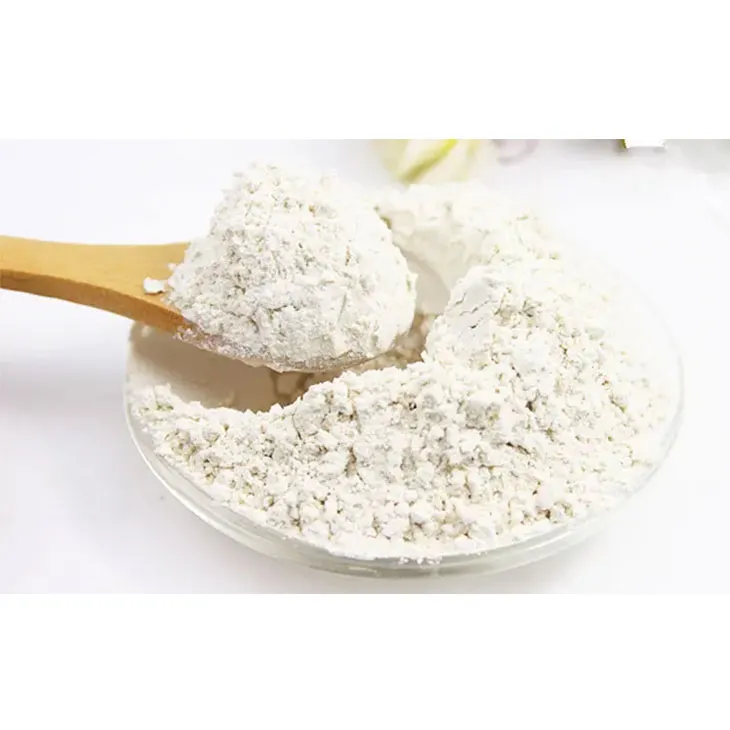
Knowing where the raw materials (in this case, kidney beans) come from is the first step in ensuring supply chain transparency. The origin of the kidney beans can affect their quality, safety, and cost. For example, kidney beans sourced from regions with a history of pesticide overuse may pose a higher risk of chemical residues. On the other hand, beans sourced from regions known for their high - quality agricultural practices may be more likely to produce a high - quality extract. A reliable manufacturer should be able to provide detailed information about their raw material suppliers, including the location of the farms, the farming methods used, and any certifications related to the raw materials (such as organic certifications).
4.2 Production and Distribution Processes
Understanding how the Kidney Bean Extract is produced and distributed is also essential. The production process should be clearly defined, from the initial cleaning and preparation of the kidney beans to the final extraction and packaging of the product. A manufacturer should be able to demonstrate compliance with relevant regulations and standards during each stage of production. In terms of distribution, it is important to know how the product is stored, transported, and delivered to ensure that it maintains its quality. For example, proper storage conditions are crucial to prevent spoilage or degradation of the extract. A transparent supply chain allows businesses to track the product from the source to the end - user, enabling them to take proactive measures in case of any issues.
5. Environmental and Social Responsibility
The environmental and social responsibility of a Kidney Bean Extract manufacturer should not be overlooked. It reflects the manufacturer's long - term sustainability and can also have an impact on the brand image of the businesses that partner with them.
5.1 Environmental Impact
The manufacturing process of Kidney Bean Extract can have various environmental impacts. For example, the extraction process may require the use of solvents or energy - intensive equipment. A responsible manufacturer should strive to minimize these environmental impacts. They may implement measures such as using more environmentally - friendly solvents, optimizing energy consumption, and reducing waste generation. Additionally, the manufacturer should also consider the environmental impact of the raw material sourcing. For instance, if the kidney beans are sourced from large - scale monoculture farms, it may have negative impacts on soil health and biodiversity. A more sustainable approach could be to source from farms that practice crop rotation or agroforestry.
5.2 Social Responsibility
Social responsibility encompasses aspects such as fair labor practices and community engagement. A Kidney Bean Extract manufacturer should ensure that its employees are treated fairly, with proper working conditions and fair wages. This not only promotes a positive work environment but also helps to build a stable and skilled workforce. In addition, the manufacturer may also engage in community development activities in the areas where it operates or sources its raw materials. For example, it could support local education programs or infrastructure development, which can contribute to the overall well - being of the community and also enhance the manufacturer's reputation.
6. Conclusion
Selecting a third - party Kidney Bean Extract manufacturer is a complex task that requires a comprehensive evaluation of multiple factors. Certification, range of services, supply chain transparency, and environmental and social responsibility are all important considerations. By carefully assessing these aspects, businesses can make an informed decision and choose a manufacturer that can meet their quality, cost, and sustainability requirements. This, in turn, can help to ensure the success of their products in the market and contribute to the long - term development of their businesses.
FAQ:
Q1: Why is certification important when selecting a third - party Kidney Bean Extract manufacturer?
Certification, like ISO standards, is crucial as it indicates that the manufacturer meets international quality management requirements. It gives assurance of the product's quality, consistency, and safety. A certified manufacturer is more likely to follow strict production processes and quality control measures, reducing the risks associated with the Kidney Bean Extract product.
Q2: How can custom - made solutions from a manufacturer be advantageous?
Custom - made solutions offered by some manufacturers are beneficial for specific business needs. For example, if a company has unique requirements regarding the concentration, purity, or formulation of the Kidney Bean Extract, a manufacturer that can provide custom - made solutions can tailor the product accordingly. This can help the business to stand out in the market, meet specific regulatory requirements, or target a particular customer segment more effectively.
Q3: What does supply chain transparency mean in the context of a Kidney Bean Extract manufacturer?
Supply chain transparency in this context means knowing where the raw materials for the Kidney Bean Extract come from and how the product is distributed. It is vital for quality control as it allows for tracing any potential issues back to their source. For risk management, it helps to identify and mitigate risks such as contamination, supply shortages, or ethical concerns related to the origin of the raw materials.
Q4: Why should a manufacturer's environmental and social responsibility be considered?
A manufacturer's environmental and social responsibility reflects their long - term sustainability. Environmentally responsible practices may include proper waste management, energy efficiency in production, and sustainable sourcing of raw materials. Socially responsible actions can involve fair labor practices and community engagement. Considering these aspects ensures that the manufacturer is operating in an ethical and sustainable manner, which can also enhance the brand image of the products they produce.
Q5: How can one verify a manufacturer's supply chain transparency?
One can verify a manufacturer's supply chain transparency by asking for detailed documentation on the origin of raw materials, such as certificates of origin. Also, information about the transportation and storage processes, as well as any quality control checks at each stage of the supply chain should be requested. Some manufacturers may also participate in supply chain traceability programs or audits, and evidence of such participation can be a good indicator of transparency.
Related literature
- Quality Control in Kidney Bean Extract Production"
- "Sustainable Manufacturing of Botanical Extracts: The Case of Kidney Bean"
- "Certification Standards for Botanical Extract Manufacturers"


-

Bayberry Extract
2024-12-12
-

Eyebright Extract
2024-12-12
-

Beetroot Powder
2024-12-12
-

Astaxanthin
2024-12-12
-

Boswellia Serrata Extract
2024-12-12
-

L-Citrullin-DL-malate
2024-12-12
-

S-Adenosyl L-methionine(SAMe)
2024-12-12
-

Thunder God Vine Extract
2024-12-12
-

Grapefruit Seed Extract Powder
2024-12-12
-

Bitter Melon Extract
2024-12-12