


1. Geographical Origin
The geographical origin of cordyceps plays a crucial role in determining its nutrient content. Cordyceps is a fungus that thrives in specific environmental conditions, and different regions can offer distinct characteristics to the fungus.
1.1 High - Altitude Regions
Cordyceps often found in high - altitude regions, such as the Tibetan Plateau in China, are highly valued. These areas are known for their harsh climates, including low oxygen levels, extreme temperatures, and strong ultraviolet radiation. Surviving in such an environment, cordyceps in these regions tend to accumulate more unique and valuable nutrients. For example, they may have a higher content of bioactive compounds like polysaccharides and nucleosides. Polysaccharides are known for their immunomodulatory effects, while nucleosides can have potential benefits for the body's energy metabolism and cell repair.

1.2 Soil and Climate Factors
The type of soil in the origin area also affects cordyceps. Some soils rich in certain minerals can provide the necessary elements for cordyceps growth, which may be incorporated into the fungus and contribute to its nutritional value. Additionally, the climate, including the amount of rainfall, humidity, and seasonal changes, influences the growth cycle and the formation of secondary metabolites in cordyceps. A region with a proper balance of wet and dry seasons may allow cordyceps to develop more complete and potent chemical compositions.
2. Species Variety
The species variety of cordyceps is another critical factor that can significantly impact the efficacy of the extract. There are multiple species of cordyceps, and each has its own set of chemical constituents and potential health benefits.

2.1 Cordyceps Sinensis
Cordyceps sinensis is perhaps the most well - known species. It has been used in traditional Chinese medicine for centuries. This species contains a rich array of bioactive substances, such as cordycepin, which has shown antibacterial, antiviral, and anti - tumor properties in some studies. Cordyceps sinensis is also believed to enhance the immune system, improve lung function, and increase energy levels. However, due to its high demand and relatively limited natural resources, it has become a scarce and expensive raw material.
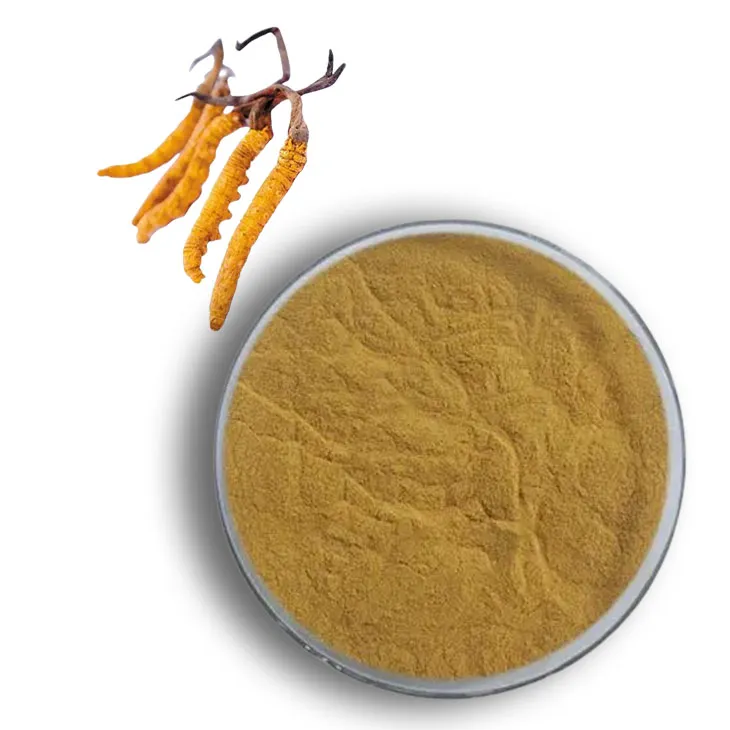
2.2 Cordyceps Militaris
Cordyceps militaris is another important species. It is more commonly cultivated compared to Cordyceps sinensis. Cordyceps militaris also contains many beneficial compounds, including cordycepin and polysaccharides. Research has indicated that Cordyceps militaris extract may have antioxidant, anti - inflammatory, and anti - aging effects. Moreover, its cultivation can be more easily controlled, which ensures a more stable supply of raw materials for the production of Cordyceps Extract. However, it should be noted that although Cordyceps militaris has many similarities to Cordyceps sinensis in terms of chemical composition, there are still some differences, and these differences may lead to variations in the efficacy of the extracts.
3. Quality Control in Collection, Handling, and Storage
Quality control in the processes of collection, handling, and storage is essential to ensure the potency and safety of the Cordyceps Extract.
3.1 Collection
- Proper Timing: The collection time of cordyceps is very important. Harvesting at the right time ensures that the cordyceps has reached its optimal growth stage and contains the highest levels of active ingredients. For example, if cordyceps is collected too early, it may not have fully developed its bioactive compounds. On the other hand, if it is collected too late, some of the valuable components may start to degrade.
- Sustainable Collection: Sustainable collection methods are necessary to protect the natural resources of cordyceps. Over - harvesting can lead to a decline in the wild population of cordyceps, which not only affects the ecological balance but also the long - term availability of high - quality raw materials. Therefore, collectors should follow regulations and guidelines to ensure that the collection is carried out in an environmentally friendly and sustainable manner.
3.2 Handling
- Gentle Processing: During handling, cordyceps should be processed gently to avoid damage to its structure. Rough handling can cause the loss of active ingredients or the introduction of contaminants. For example, when cleaning cordyceps, using harsh chemicals or excessive mechanical force can damage the surface of the fungus and lead to the leakage of internal substances.
- Contamination Prevention: Special attention should be paid to prevent contamination during handling. Cordyceps should be kept away from sources of pollution, such as industrial waste, pesticides, and heavy metals. Workers handling cordyceps should also follow strict hygiene standards to ensure that the raw materials are not contaminated by microorganisms.
3.3 Storage
- Optimal Conditions: Storing cordyceps under optimal conditions is crucial for maintaining its quality. The storage environment should be cool, dry, and dark. High temperatures, humidity, and exposure to light can accelerate the degradation of active ingredients in cordyceps. For example, storing cordyceps in a humid environment can cause mold growth, which not only reduces the quality of the raw materials but also poses a safety risk.
- Packaging: Appropriate packaging materials should be used for cordyceps storage. Packaging should be able to protect cordyceps from external factors such as moisture, air, and pests. For example, using vacuum - sealed packaging can effectively prevent air - induced oxidation of cordyceps and prolong its shelf life.
FAQ:
Q1: Why is the geographical origin important in the selection of Cordyceps Extract raw materials?
The geographical origin of cordyceps is closely related to its nutrient content. Different regions may have different soil, climate and environmental conditions, which can influence the growth and development of cordyceps. For example, cordyceps from certain areas may be rich in specific nutrients due to the unique ecological environment there, thus affecting the quality of the extract.
Q2: How does the species variety of cordyceps impact the efficacy of its extract?
Different species of cordyceps have different chemical compositions. Some species may contain higher levels of active ingredients that are beneficial for certain health aspects, while others may have different properties. For instance, one species might be more effective in enhancing the immune system, while another could be better for improving respiratory function. So, the species variety can greatly affect the efficacy of the Cordyceps Extract.
Q3: What are the key aspects of quality control in the collection of cordyceps for extract raw materials?
In the collection of cordyceps for extract raw materials, key aspects of quality control include proper identification of cordyceps to avoid miscollection. Also, collectors need to ensure that they collect cordyceps at the right time, neither too early nor too late. Early collection may result in insufficient growth and nutrient accumulation, while late collection may lead to degradation of quality. Additionally, collection methods should be gentle to prevent damage to the cordyceps.
Q4: How should cordyceps be handled during the process of preparing for extraction?
During the handling process, cordyceps should be kept clean and free from contaminants. It should be quickly transported to a suitable processing facility to minimize the time between collection and further processing. Also, proper sorting should be carried out to remove any damaged or inferior parts. Special attention should be paid to maintaining the appropriate temperature and humidity during handling to preserve its quality.
Q5: What are the important factors in the storage of cordyceps for extract production?
For the storage of cordyceps for extract production, the storage environment should be cool, dry and well - ventilated. Temperature and humidity control is crucial as excessive heat and moisture can cause spoilage or degradation of the cordyceps. It should also be stored in a way that protects it from pests and other external factors. Additionally, proper packaging materials should be used to prevent air and moisture from affecting the cordyceps.
Related literature
- The Geographical Influence on Cordyceps Quality"
- "Species - Specific Efficacy of Cordyceps Extracts"
- "Quality Control in Cordyceps Collection and Processing"


-

Acerola Extract
2025-01-07
-

Boswellia Serrata Extract
2025-01-07
-

Curcumin
2025-01-07
-

Vitamin B9
2025-01-07
-

Vitamin C
2025-01-07
-

Sea buckthorn Juice Powder
2025-01-07
-

Licorice Root Extract Powder
2025-01-07
-

Cassia Seed Extract
2025-01-07
-

Garcinia Cambogia Extract
2025-01-07
-

Saw Palmetto Extract
2025-01-07