


1. The Influence of Lemon Varieties
Lemon varieties play a crucial role in the selection of raw materials for Lemon Extract. Different lemon varieties possess distinct characteristics that can significantly impact the properties of the extract.
1.1 Common Lemon Varieties
There are several well - known lemon varieties in the market. For example, the Eureka lemon is widely recognized for its high acidity and abundant juice content. The Lisbon lemon is another popular variety, which also has a relatively high acidity level and a characteristic flavor profile. These two varieties are often preferred in the production of Lemon Extract due to their strong flavor and high juice - yielding capacity.
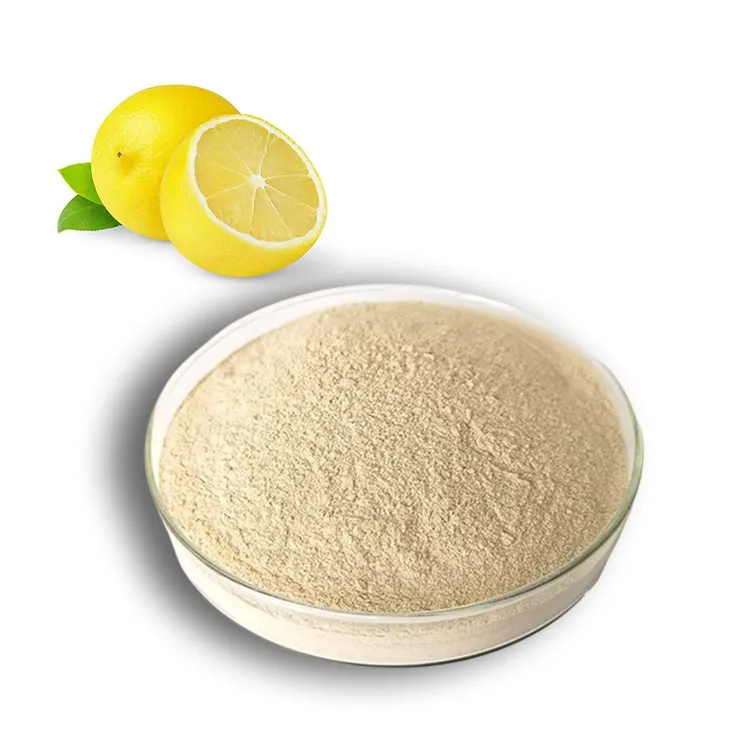
1.2 Impact on Flavor Profile
The variety of lemon determines the unique flavor of the extract. Some lemons may have a more intense, zesty flavor, while others may be slightly milder or have a different undertone. For instance, Meyer lemons, which are a cross between a lemon and a mandarin orange, have a sweeter and more floral aroma compared to traditional lemons. This difference in flavor can be a deciding factor in the selection of raw materials, depending on the intended use of the Lemon Extract. If the extract is meant for use in a high - end perfume or a delicate - flavored food product, a Meyer lemon may be a more suitable choice. On the other hand, for applications where a strong, classic lemon flavor is desired, such as in traditional lemon - flavored beverages or cleaning products, the Eureka or Lisbon lemons would be more appropriate.

1.3 Nutritional and Chemical Composition
Different lemon varieties also vary in their nutritional and chemical composition. This can affect the functionality and potential health benefits of the Lemon Extract. Lemons are rich in vitamins, such as Vitamin C, and various bioactive compounds. However, the concentration of these components may differ among varieties. For example, some studies have shown that certain lemon varieties may have a higher content of antioxidants or specific flavonoids. These differences in composition can influence the quality and value of the Lemon Extract in applications such as dietary supplements or natural skincare products.
2. The Significance of Lemon Freshness
The freshness of lemons is directly related to the quality of the resulting Lemon Extract. Fresh lemons are essential for obtaining a high - quality extract with desirable properties.

2.1 Visual and Physical Indicators of Freshness
When selecting lemons for extract production, there are several visual and physical indicators to consider. Firstly, the skin of fresh lemons should be smooth and shiny, without any signs of blemishes, mold, or shriveling. A dull or wrinkled skin may indicate that the lemon is overripe or has been stored for an extended period. Secondly, the firmness of the lemon is also an important factor. A fresh lemon should feel firm to the touch, indicating that the internal structure is intact and the juice content is likely to be high. If a lemon is too soft, it may have lost some of its juice or have started to decay internally.

2.2 Impact on Flavor and Aroma
Fresh lemons contribute to a more vibrant and pure flavor and aroma in the extract. As lemons age, their flavor and aroma can deteriorate. The volatile compounds responsible for the characteristic lemon scent and taste may start to break down or be lost. This can result in a less - intense and less - appealing flavor in the Lemon Extract. For example, a stale lemon may produce an extract with a flat or off - flavor, lacking the fresh, zesty quality that is desired in most lemon - based products.
2.3 Nutrient Retention
The freshness of lemons also affects the retention of nutrients in the extract. Vitamin C, which is one of the most important nutrients in lemons, is relatively unstable and can be easily oxidized. In fresh lemons, the Vitamin C content is at its highest, and proper extraction methods can help preserve this nutrient in the extract. However, as lemons lose their freshness, the Vitamin C content may decline, reducing the potential nutritional value of the Lemon Extract. This is especially important in applications where the nutritional benefits of the extract are a key selling point, such as in health - conscious food products or dietary supplements.
3. Quality Control during Harvesting and Storage
Quality control during harvesting and storage is essential for obtaining high - quality Lemon Extract raw materials. This aspect encompasses a range of factors that need to be carefully managed.
3.1 Harvesting Techniques
Proper harvesting techniques are crucial to ensure the quality of lemons. Lemons should be harvested at the right stage of ripeness. Harvesting too early may result in underripe lemons with lower juice content and less - developed flavor. On the other hand, harvesting too late may lead to overripe lemons that are more prone to spoilage and have a different flavor profile. Additionally, the tools used for harvesting should be clean and sharp to avoid causing damage to the lemons. Damaged lemons are more likely to be infected by microorganisms during storage, which can affect the quality of the extract.
3.2 Storage Conditions
The storage conditions of lemons play a vital role in maintaining their quality. Lemons should be stored in a cool, dry place to slow down the process of ripening and spoilage. High temperatures can accelerate the breakdown of the lemon's internal structure, leading to a loss of juice and flavor. Humidity is also an important factor. Excessive humidity can cause mold growth on the lemons, while low humidity may cause them to dry out. Moreover, proper ventilation is necessary to prevent the build - up of ethylene gas, which can promote the ripening and spoilage of lemons. In addition, the storage containers should be clean and suitable for protecting the lemons from physical damage and contamination.
3.3 Quality Monitoring during Storage
Regular quality monitoring during storage is necessary to identify any potential problems early on. This includes checking for signs of spoilage, such as mold growth, discoloration, or off - odors. If any lemons show signs of deterioration, they should be removed promptly to prevent the spread of spoilage to other lemons. Monitoring can also involve testing the firmness, juice content, and flavor of a sample of lemons over time to ensure that the quality remains within acceptable limits. By implementing strict quality control measures during harvesting and storage, producers can ensure that the Lemon Extract raw materials are of high quality and suitable for use in a variety of applications.
FAQ:
Question 1: How does the lemon variety affect the properties of Lemon Extract?
Different lemon varieties have distinct chemical compositions. For example, some varieties may have a higher content of certain essential oils or bioactive compounds. These differences can lead to variations in the flavor, aroma, and potential health - promoting properties of the Lemon Extract. The genetic makeup of each variety determines the types and amounts of metabolites it produces, which are then transferred to the extract during the extraction process.
Question 2: Why is the freshness of lemons crucial for Lemon Extract raw materials?
Fresh lemons are vital because as soon as lemons are picked, they start to undergo biochemical changes. If lemons are not fresh, the degradation of nutrients and flavor - related compounds may occur. For instance, the Vitamin C content in lemons can decrease over time. Also, the freshness affects the integrity of the cell structure, which is important for efficient extraction. If the cells are damaged due to lack of freshness, it can lead to a less - pure and lower - quality extract.
Question 3: What are the main quality control measures during lemon harvesting for raw materials?
During harvesting, one important quality control measure is to ensure that the lemons are picked at the right stage of ripeness. This can be determined by factors such as color, size, and firmness. Another measure is to avoid any mechanical damage to the lemons during the picking process. Workers should be trained to handle the lemons gently. Additionally, proper sorting should be done immediately after harvesting to remove any damaged or diseased lemons.
Question 4: How can the quality be maintained during lemon storage for raw material purposes?
To maintain quality during storage, the storage conditions are crucial. Lemons should be stored in a cool, dry place with proper ventilation. Temperature and humidity control are key factors. For example, if the temperature is too high, it can accelerate the spoilage process. Also, packaging plays an important role. Using appropriate packaging materials that can protect the lemons from moisture and oxygen can help extend their shelf life and maintain their quality for raw material extraction.
Question 5: Are there any specific standards for evaluating the quality of Lemon Extract raw materials?
Yes, there are several standards. One aspect is the chemical composition analysis, such as determining the levels of key compounds like citric acid, essential oils, and flavonoids. Microbiological testing is also important to ensure that the raw materials are free from harmful bacteria, molds, and yeasts. Physical characteristics like color, clarity (if in liquid form), and odor can also be used as evaluation criteria.
Related literature
- The Influence of Lemon Variety on Extract Composition"
- "Freshness and Quality of Lemon Extract Raw Materials: A Comprehensive Review"
- "Quality Control in Lemon Harvesting and Storage for Extract Production"


-

Shikone Extract
2025-01-11
-

L-Theanine Powder
2025-01-11
-

Acerola Extract
2025-01-11
-

Mango flavored powder
2025-01-11
-

Red Clover Extract
2025-01-11
-

Bladder horn extract powder
2025-01-11
-

Nettle Root Extract
2025-01-11
-

Beta Carotene
2025-01-11
-

Sophora Japonica Flower Extract
2025-01-11
-

Panax Ginseng Leaf Extract
2025-01-11