


1. Introduction to Curcumin
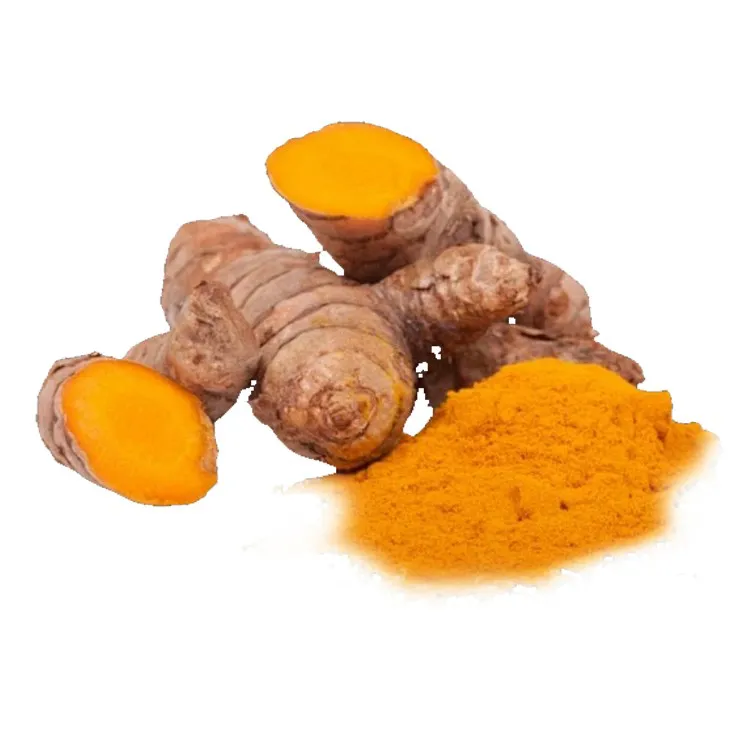
Curcumin, a bright yellow compound, is derived from the rhizome of the turmeric plant (Curcuma longa). It has been an integral part of traditional medicine in many Asian cultures for centuries. Nature has bestowed upon us this remarkable substance, which is now being recognized globally for its numerous beneficial properties.
Curcumin is a polyphenol, and its chemical structure gives it unique antioxidant, anti - inflammatory, and antimicrobial characteristics. These properties are what make it so valuable in the creation of high - quality products.
2. The Origin of Curcumin in Nature
Turmeric plants are native to tropical regions, mainly in South Asia. They thrive in warm and humid climates. The rhizomes of these plants are harvested, dried, and processed to extract Curcumin. This process has been refined over time to ensure a high - purity extraction of Curcumin while retaining its natural essence.
The fact that Curcumin comes directly from a plant source makes it an appealing ingredient for those seeking natural and sustainable product options. It represents a connection to the earth and the bounty of nature.
3. Chemical Properties of Curcumin
3.1 Antioxidant Properties
Curcumin acts as a powerful antioxidant. It has the ability to neutralize free radicals in the body. Free radicals are unstable molecules that can cause damage to cells, leading to various health problems and premature aging. By donating electrons to these free radicals, Curcumin stabilizes them and prevents them from causing harm.
In product development, this antioxidant property can be harnessed to preserve the integrity of other ingredients. For example, in skincare products, it can prevent the oxidation of oils and other active ingredients, thereby extending the shelf - life of the product while also providing benefits to the skin.

3.2 Anti - inflammatory Properties
Chronic inflammation is associated with many diseases, including arthritis, heart disease, and certain cancers. Curcumin has been shown to modulate the body's inflammatory response. It inhibits the production of inflammatory mediators such as cytokines and prostaglandins.
In the realm of dietary supplements, Curcumin - based products are becoming increasingly popular for those looking to manage inflammation. In addition, in topical products like creams and ointments, it can be used to soothe inflamed skin conditions such as eczema and psoriasis.

3.3 Antimicrobial Properties
Curcumin exhibits antimicrobial activity against a wide range of bacteria, viruses, and fungi. It can disrupt the cell membranes of microorganisms and interfere with their metabolic processes.
This property makes Curcumin a valuable ingredient in products where hygiene is crucial, such as in natural hand sanitizers or in products designed to prevent microbial growth on the skin or in the body.
4. Curcumin in Skincare Products
Skincare is one area where Curcumin has shown great potential.

4.1 Anti - aging Benefits
As mentioned earlier, Curcumin's antioxidant properties play a significant role in combating the signs of aging. It can reduce the appearance of wrinkles, fine lines, and age spots. By protecting the skin from free radical damage, it helps to maintain the skin's elasticity and firmness.
Moreover, Curcumin can stimulate collagen production in the skin. Collagen is a protein that gives the skin its structure and strength. As we age, collagen production declines, leading to sagging skin. By promoting collagen synthesis, Curcumin can help to keep the skin looking youthful.
4.2 Skin Brightening
Curcumin has a natural brightening effect on the skin. It can help to even out skin tone and reduce the appearance of hyperpigmentation. This is particularly beneficial for those with dark spots or uneven skin complexion.
Some skincare products containing Curcumin are formulated to target specific skin - brightening needs. These products often combine Curcumin with other natural ingredients such as Vitamin C and licorice extract to enhance the brightening effect.

4.3 Treating Skin Conditions
Due to its anti - inflammatory and antimicrobial properties, Curcumin can be effective in treating various skin conditions.
- For acne - prone skin, Curcumin can reduce inflammation and kill the bacteria that cause acne breakouts.
- In cases of skin infections, it can help to combat the invading microorganisms and promote healing.
- For those with sensitive skin, Curcumin - based products can soothe irritation and redness.
5. Curcumin in Dietary Supplements
Dietary supplements are another area where Curcumin is making a mark.
5.1 General Health Benefits
As a supplement, Curcumin can support overall health. Its antioxidant and anti - inflammatory properties can help to boost the immune system. A strong immune system is essential for fighting off infections and diseases.
It can also have a positive impact on digestive health. Curcumin may help to reduce inflammation in the gut, improve digestion, and prevent gastrointestinal disorders.
5.2 Specific Health Conditions
Curcumin has been studied for its potential role in managing certain health conditions.
- In arthritis, it may help to relieve joint pain and stiffness by reducing inflammation in the joints.
- For those at risk of heart disease, Curcumin may help to lower cholesterol levels and reduce the risk of blood clots.
- Some research suggests that Curcumin may have a role in cancer prevention, although more studies are needed in this area.
6. Incorporating Curcumin into Different Products
When it comes to incorporating Curcumin into products, there are several considerations.
6.1 Solubility and Bioavailability
One of the challenges with Curcumin is its poor solubility in water and low bioavailability. To overcome this, various techniques are being used.
- Nanotechnology is being explored to improve the solubility and bioavailability of Curcumin. Nanoparticles can be designed to encapsulate Curcumin, allowing it to be more easily absorbed by the body.
- Combining Curcumin with other substances such as piperine (found in black pepper) can enhance its bioavailability. Piperine inhibits the enzymes that break down Curcumin in the body, allowing more of it to be absorbed.
6.2 Product Formulation
The formulation of products containing Curcumin needs to take into account the stability of Curcumin and its compatibility with other ingredients.
- In skincare products, the pH of the formulation needs to be carefully controlled to ensure the stability of Curcumin. Too acidic or alkaline conditions can cause Curcumin to degrade.
- In dietary supplements, the form of Curcumin (e.g., powder, capsule, or liquid) needs to be selected based on factors such as ease of consumption and absorption.
7. Sustainability and Curcumin
Using Curcumin in product creation also has sustainability benefits.
Turmeric plants are relatively easy to cultivate, and they require less water and pesticides compared to some other crops. This makes the production of Curcumin a more environmentally friendly option.
Furthermore, as consumers become more conscious of sustainable products, the use of Curcumin can appeal to this growing market segment. Brands that use Curcumin can promote their products as being natural and sustainable, which can be a significant selling point.
8. Conclusion
Curcumin is truly a natural wonder with a wide range of applications in creating high - quality products. Its origin in nature, diverse chemical properties, and potential benefits in skincare, dietary supplements, and other products make it an invaluable ingredient.
As research continues to uncover more about Curcumin, we can expect to see even more innovative products that harness its power while retaining the essence of nature. Whether it's for improving our health or enhancing our appearance, Curcumin offers a sustainable and effective solution that is rooted in the gifts of nature.
FAQ:
What is Curcumin?
Curcumin is a natural compound. It is derived from turmeric, a plant commonly used in cooking and traditional medicine. It has a bright yellow color and is known for its diverse chemical properties which make it useful in various applications.
How does Curcumin retain nature's essence in product creation?
Since Curcumin comes directly from nature (turmeric), using it in product creation is like bringing a part of nature into the product. Its natural origin means it can impart natural qualities to the product. Also, its chemical properties interact with other ingredients in a way that is harmonious with nature - inspired product concepts, thus retaining nature's essence.
What are the applications of Curcumin in skincare?
In skincare, Curcumin has antioxidant properties. It can help protect the skin from damage caused by free radicals, which are often responsible for premature aging. It also has anti - inflammatory properties that can soothe irritated skin and may help with conditions like acne or eczema.
How is Curcumin used in dietary supplements?
Curcumin in dietary supplements is often used for its potential health benefits. It may support joint health due to its anti - inflammatory properties. It can also play a role in digestive health and potentially has antioxidant effects within the body, helping to combat oxidative stress.
What makes Curcumin a sustainable choice for product enhancement?
Curcumin is sustainable because it comes from plants, which can be grown in an environmentally friendly manner. Compared to synthetic alternatives, it has a lower environmental impact during production. Additionally, its natural origin means it can be easily sourced without relying on complex and potentially harmful synthetic manufacturing processes.
Related literature
TAGS:


-

Soy Extract
2024-12-11
-

Honeysuckle Pollen
2024-12-11
-

Moringa powder
2024-12-11
-

Propolis Extract Powder
2024-12-11
-

Bamboo Leaf extract
2024-12-11
-

Citrus Aurantii Extract
2024-12-11
-

Panax Ginseng Leaf Extract
2024-12-11
-

Orange Flavor Powder
2024-12-11
-

Beetroot Powder
2024-12-11
-

Elderberry Extract
2024-12-11