


1. Introduction
Curcumin, a natural polyphenolic compound, has been the focus of extensive research in recent years due to its remarkable properties and potential applications. Derived from the rhizome of the turmeric plant (Curcuma longa), Curcumin has a long history of use in traditional medicine, particularly in Ayurvedic and Chinese medicine. With the development of modern scientific research techniques, the diverse applications of Curcumin are being continuously explored and expanded.
2. Pharmaceutical Applications
2.1 Anti - microbial Properties
One of the significant pharmaceutical applications of Curcumin lies in its anti - microbial properties. Curcumin has shown activity against a wide range of microorganisms, including bacteria, fungi, and viruses.
- Bacterial Inhibition: Curcumin can interfere with the growth and survival of various bacteria. For example, it has been found to be effective against Gram - positive and Gram - negative bacteria. Its mode of action includes disrupting the bacterial cell membrane, interfering with bacterial metabolism, and inhibiting bacterial enzyme systems. This makes Curcumin a potential candidate for the development of new antibiotics, especially in the face of the growing problem of antibiotic resistance.
- Fungal Activity: In the case of fungi, Curcumin can inhibit the growth of pathogenic fungi. It may act by disrupting the fungal cell wall synthesis or interfering with fungal signaling pathways. This antifungal property of Curcumin could be explored for the treatment of fungal infections, both superficial and systemic.
- Antiviral Effects: Curcumin has also demonstrated antiviral activity. It can interact with viral proteins or interfere with the viral replication cycle. For instance, studies have shown its potential against certain herpes viruses and influenza viruses. However, more research is needed to fully understand and develop Curcumin - based antiviral therapies.

2.2 Immunomodulatory Effects
Curcumin has been extensively studied for its ability to modulate the immune system. This property makes it potentially valuable in the treatment of various diseases.
- Autoimmune Diseases: In autoimmune diseases, the immune system mistakenly attacks the body's own tissues. Curcumin can help regulate the immune response, reducing inflammation and potentially preventing further damage. For example, in rheumatoid arthritis, Curcumin may inhibit the activation of immune cells that contribute to joint inflammation and destruction.
- Immune Enhancement: On the other hand, Curcumin can also enhance the immune system in certain situations. It can stimulate the activity of immune cells such as macrophages and lymphocytes, which are important for fighting off infections. This dual - natured immunomodulatory effect of Curcumin offers great potential for the development of immunotherapies.

2.3 Anti - cancer Potential
Curcumin has shown promising anti - cancer potential through multiple mechanisms.
- Cellular Signaling Pathways: It can interfere with various cellular signaling pathways that are involved in cancer cell growth, survival, and metastasis. For example, Curcumin can inhibit the PI3K - Akt - mTOR pathway, which is often dysregulated in cancer cells and promotes their growth and survival.
- Apoptosis Induction: Curcumin can trigger apoptosis (programmed cell death) in cancer cells. It does this by activating apoptotic proteins and disrupting the anti - apoptotic mechanisms within cancer cells.
- Anti - angiogenic Effects: Another important aspect of Curcumin's anti - cancer activity is its ability to inhibit angiogenesis, the process by which new blood vessels are formed to supply nutrients to tumors. By blocking angiogenesis, Curcumin can starve tumors and limit their growth and spread.

2.4 Neuroprotective Effects
Curcumin also has neuroprotective properties, which are of great significance in the treatment and prevention of neurodegenerative diseases.
- Oxidative Stress Reduction: In the brain, oxidative stress is a major contributor to neurodegenerative diseases. Curcumin is a potent antioxidant and can scavenge free radicals, reducing oxidative stress and protecting neurons from damage.
- Anti - inflammatory Action in the Brain: Inflammation in the brain is also associated with neurodegenerative disorders. Curcumin can cross the blood - brain barrier and exert its anti - inflammatory effects, reducing neuroinflammation and potentially slowing down the progression of diseases such as Alzheimer's and Parkinson's.
- Modulation of Neurotransmitter Systems: Curcumin may also play a role in modulating neurotransmitter systems in the brain. For example, it has been suggested to have an impact on dopamine and serotonin levels, which are important for normal brain function and mood regulation.
3. Nutritional Applications
3.1 Use in Cooking
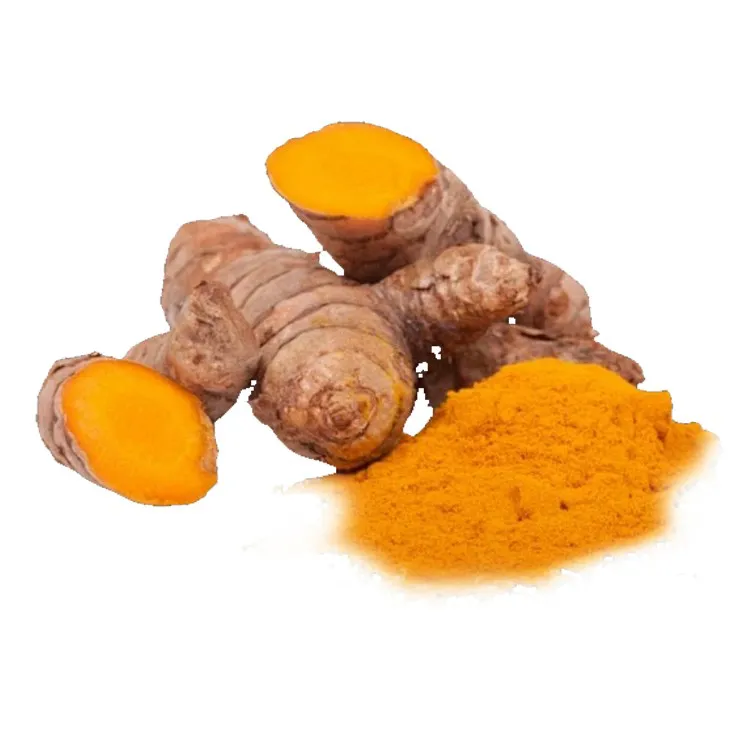
Curcumin - rich turmeric is a well - known spice in cooking. It is widely used in various cuisines around the world, especially in Asian and Middle Eastern cooking.
- Flavor Enhancement: Turmeric adds a unique, warm, and earthy flavor to dishes. It is often used in curries, stews, and rice dishes. The addition of turmeric not only enriches the taste but also gives dishes a characteristic yellow color.
- Health - Promoting Benefits in Food: When consumed as part of food, Curcumin in turmeric provides several health - promoting benefits. It contains antioxidant, anti - inflammatory, and other bioactive properties that can contribute to overall health. For example, regular consumption of turmeric - spiced foods may help reduce the risk of chronic diseases.

3.2 Dietary Supplements
Due to its numerous health benefits, Curcumin is also available as a dietary supplement.
- Forms of Supplements: Curcumin supplements come in various forms, such as capsules, tablets, and powders. These supplements are often standardized to contain a certain percentage of Curcuminoids, the active compounds in turmeric that include Curcumin.
- Benefits for Consumers: For consumers, taking Curcumin supplements may be beneficial for those who do not consume enough turmeric in their diet or for those who are specifically looking to obtain the health - promoting effects of Curcumin. However, it is important to note that the bioavailability of Curcumin in supplements can be an issue, and research is ongoing to improve its absorption in the body.
4. Applications in Material Science
4.1 Biodegradable Polymers
Curcumin has been explored for its potential in the development of biodegradable polymers due to its unique chemical structure.
- Polymer Modification: Curcumin can be incorporated into polymer matrices to modify their properties. For example, it can enhance the antioxidant and anti - inflammatory properties of polymers, which can be useful in biomedical applications. Biodegradable polymers modified with Curcumin could potentially be used for drug delivery systems, tissue engineering scaffolds, or wound dressings.
- Sustainable Materials: The use of Curcumin in polymer development also aligns with the trend towards more sustainable materials. Since Curcumin is a natural compound, polymers containing Curcumin can be considered more environmentally friendly compared to traditional synthetic polymers. This opens up new opportunities for the development of green materials in various industries.
4.2 Sensors and Diagnostic Tools
Curcumin's unique chemical and optical properties have also led to its exploration in the development of sensors and diagnostic tools.
- Fluorescent Sensors: Curcumin can be used as a fluorescent probe. Its fluorescence can be modulated in the presence of certain analytes, such as metal ions or biomolecules. This property can be exploited to develop sensors for detecting environmental pollutants, biomarkers for diseases, or monitoring physiological processes in the body.
- Colorimetric Detection: In addition to fluorescence, Curcumin can also be used for colorimetric detection. Changes in its color can indicate the presence or concentration of specific substances. This simple and cost - effective detection method has potential applications in point - of - care testing and field - based diagnostics.
5. Conclusion
Curcumin is a truly versatile compound with a wide range of applications. In the pharmaceutical field, it offers potential solutions for various diseases through its anti - microbial, immunomodulatory, anti - cancer, and neuroprotective properties. In nutrition, it is both a flavor - enhancing spice and a source of health - promoting benefits. In material science, it has shown promise in the development of biodegradable polymers and sensors. However, there are still challenges to be overcome, such as improving the bioavailability of Curcumin in pharmaceutical and nutritional applications and further exploring its potential in material science. Continued research on Curcumin is likely to uncover even more applications and bring greater benefits to various industries and human health.
FAQ:
Q1: How does Curcumin's anti - microbial property work?
Curcumin's anti - microbial property is mainly due to its ability to interact with microbial cell membranes and intracellular components. It can disrupt the integrity of the cell membrane of microorganisms, interfere with their metabolic processes, and ultimately inhibit their growth and reproduction. However, the exact mechanisms are still being further explored.
Q2: Can Curcumin completely replace traditional antibiotics?
At present, Curcumin cannot completely replace traditional antibiotics. Although Curcumin has anti - microbial properties, its antibacterial activity may not be as strong as some well - established antibiotics in all cases. Also, the pharmacokinetics and bioavailability of Curcumin need to be improved for it to be used as a stand - alone replacement. However, it holds great potential as a complementary or alternative treatment option in combination with other therapies.
Q3: How does Curcumin modulate the immune system?
Curcumin can modulate the immune system through multiple pathways. It can regulate the expression of cytokines, which are important signaling molecules in the immune response. It also has an impact on immune cells such as macrophages and lymphocytes, influencing their activation, proliferation, and function. For example, it can enhance the phagocytic activity of macrophages in some cases.
Q4: Are there any side effects of consuming Curcumin - rich turmeric?
When consumed in normal amounts as a spice, Curcumin - rich turmeric is generally safe for most people. However, in some cases, high - dose supplementation may cause some mild side effects such as gastrointestinal discomfort, including nausea, diarrhea, or abdominal pain. Also, people with certain medical conditions, like gallbladder problems, may need to be cautious as Curcumin can stimulate bile secretion.
Q5: What makes Curcumin suitable for the development of biodegradable polymers?
Curcumin has a unique chemical structure that contains multiple functional groups. These functional groups can participate in various chemical reactions, allowing it to be incorporated into polymer matrices. Moreover, Curcumin's biodegradability and potential bioactivity can endow the resulting polymers with additional desirable properties, such as biocompatibility and antioxidant activity, which are important for applications in areas like tissue engineering and drug delivery.
Related literature
TAGS:


-

Marigold Extract
2025-01-03
-

Citrus bioflavonoids
2025-01-03
-

L-Cysteine
2025-01-03
-

Hesperidin
2025-01-03
-

Angelica sinensis extract
2025-01-03
-

Diosmin
2025-01-03
-

D-Mannose
2025-01-03
-

Rutin
2025-01-03
-

Longan Extract
2025-01-03
-

Coenzyme Q10
2025-01-03