


1. Introduction to Astaxanthin
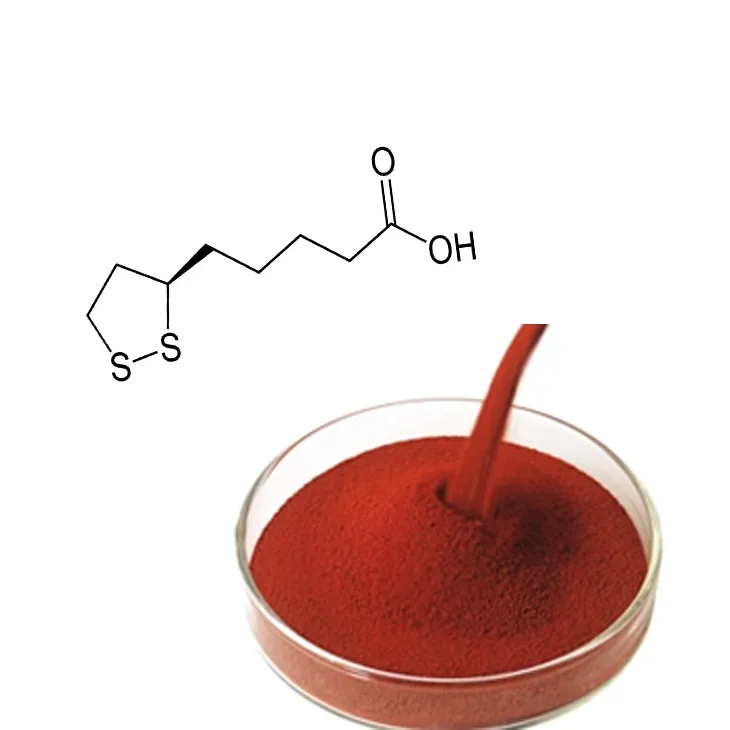
Astaxanthin is a natural pigment that belongs to the carotenoid family. It is known for its vibrant red - orange color and is found in various organisms, particularly in microalgae, yeast, and some marine animals like shrimp and salmon. Astaxanthin has unique chemical properties that make it a highly valuable compound in multiple industries.
2. Health and Nutrition Applications
2.1 Dietary Supplement
Astaxanthin is widely used as a dietary supplement in the health and nutrition sector. Its powerful antioxidant properties are the main reason for this application. Oxidative stress is a major factor in the development of many diseases. Free radicals, which are highly reactive molecules, can damage cells, DNA, and proteins in the body. Astaxanthin can neutralize these free radicals more effectively than many other antioxidants, such as Vitamin C and E.
2.2 Anti - Inflammatory Effects
Chronic inflammation is associated with a variety of health problems, including heart disease, diabetes, and arthritis. Astaxanthin has been shown to have anti - inflammatory effects. It can regulate the body's immune response and reduce the production of inflammatory cytokines. This helps in maintaining a healthy inflammatory balance in the body.

2.3 Protection Against Chronic Diseases
- Heart Disease: Astaxanthin may help in reducing the risk of heart disease. It can improve blood lipid profiles by reducing LDL (bad cholesterol) levels and increasing HDL (good cholesterol) levels. It also has anti - platelet aggregation properties, which can prevent the formation of blood clots in the arteries.
- Cancer Prevention: While more research is needed, some studies suggest that Astaxanthin may have potential in cancer prevention. Its antioxidant and anti - inflammatory properties may play a role in inhibiting the growth and spread of cancer cells.
- Eye Health: Astaxanthin can accumulate in the eyes and protect against oxidative damage. It may be beneficial for preventing age - related macular degeneration and cataracts.
3. Cosmetics Industry Applications

3.1 Skin Elasticity and Wrinkle Reduction
As people age, the skin loses its elasticity and wrinkles start to appear. Astaxanthin can penetrate the skin layers and stimulate the production of collagen and elastin, which are essential for maintaining skin firmness and elasticity. By increasing the levels of these proteins, Astaxanthin can help in reducing the appearance of wrinkles and fine lines.
3.2 UV - Induced Damage Protection
Exposure to ultraviolet (UV) radiation from the sun can cause significant damage to the skin, including sunburn, premature aging, and an increased risk of skin cancer. Astaxanthin has the ability to absorb UV light and act as a natural sunscreen. It can also protect the skin from the harmful effects of UV - induced oxidative stress by scavenging free radicals generated by UV exposure.
3.3 Other Cosmetic Benefits
- Astaxanthin can improve skin hydration, making the skin look more supple and healthy.
- It has anti - microbial properties that can help in preventing skin infections.
- Some cosmetic products containing Astaxanthin claim to have a brightening effect on the skin, reducing the appearance of dark spots and hyperpigmentation.
4. Aquaculture Industry Applications
4.1 Color Enhancement in Aquatic Products
In the aquaculture industry, the color of fish and shrimp is an important factor in determining their market value. Consumers generally prefer brightly colored aquatic products. Astaxanthin is added to fish and shrimp feed as a pigment. When these aquatic animals consume Astaxanthin - containing feed, it accumulates in their tissues, giving them a more attractive red - orange color. This is especially important for salmon, trout, and shrimp farming.
4.2 Health and Survival Rate Improvement
- Enhanced Immune Function: Astaxanthin can boost the immune system of fish and shrimp. It helps in increasing their resistance to diseases, which is crucial in the crowded and often stressful environment of aquaculture farms.
- Growth Promotion: Some studies suggest that Astaxanthin may have a positive effect on the growth of aquatic animals. It can improve their feed conversion ratio, meaning that they can convert feed into body mass more efficiently.
- Stress Tolerance: Aquatic animals are often exposed to various environmental stresses, such as changes in water temperature, salinity, and oxygen levels. Astaxanthin can enhance their ability to tolerate these stresses, reducing mortality rates during breeding and transportation.
5. Other Potential Applications
5.1 Food Coloring Agent
Astaxanthin can be used as a natural food coloring agent. It can replace synthetic dyes in some food products, providing a more natural and healthy alternative. It is particularly suitable for coloring products like confectionery, beverages, and dairy products, where a red - orange color is desired.
5.2 Animal Feed Additive (Apart from Aquaculture)
In addition to its use in aquaculture, Astaxanthin can also be added to the feed of other animals, such as poultry and livestock. It may have similar benefits in terms of antioxidant protection and immune enhancement. For example, in poultry, it could potentially improve the quality of eggs and the health of the birds.
5.3 Pharmaceutical Research
Due to its unique properties, Astaxanthin is also of interest in pharmaceutical research. Scientists are exploring its potential in the development of new drugs for various diseases. For example, its antioxidant and anti - inflammatory properties may be harnessed for the treatment of neurodegenerative diseases like Alzheimer's and Parkinson's.
6. Conclusion
Astaxanthin is a remarkable compound with a wide range of applications. From its use as a dietary supplement in the health and nutrition sector to its role in the cosmetics industry and its importance in aquaculture, it offers numerous benefits. As research continues, it is likely that even more applications for Astaxanthin will be discovered, further highlighting its value in various industries.
FAQ:
1. How does Astaxanthin in dietary supplements benefit our health?
Astaxanthin in dietary supplements is beneficial because of its antioxidant properties. It can combat oxidative stress, which is related to many health problems. By reducing oxidative stress, it also helps in reducing inflammation in the body. This may potentially protect against chronic diseases such as heart disease and certain cancers.
2. Why is Astaxanthin added to skincare products?
Astaxanthin is added to skincare products because it has multiple benefits for the skin. It can enhance skin elasticity, which helps to keep the skin firm. It also has the ability to reduce wrinkles, making the skin look younger. Moreover, it can protect the skin from UV - induced damage, which is important for maintaining healthy skin.
3. What role does Astaxanthin play in aquaculture?
In aquaculture, Astaxanthin is an important additive in fish and shrimp feed. It plays two main roles. Firstly, it gives the aquatic products a more attractive color, which is more appealing to consumers. Secondly, it improves the overall health of the fish and shrimp during breeding, and also increases their survival rate.
4. Is Astaxanthin safe to use in different application fields?
In general, when used appropriately, Astaxanthin is considered safe in different application fields. In dietary supplements, it is regulated and has been tested for safety. In cosmetics, it is also formulated in a way that is safe for topical use. In aquaculture, it is used within safe limits to ensure the health of the aquatic animals and the safety of the products for human consumption. However, like any substance, excessive use or improper use may have potential risks.
5. How is Astaxanthin sourced for these different applications?
Astaxanthin can be sourced in different ways for various applications. In the case of dietary supplements and cosmetics, it can be produced synthetically or sourced from natural sources such as microalgae. In aquaculture, it can also be obtained from natural sources or produced through biotechnology to be added to fish and shrimp feed.
Related literature
- The Antioxidant Activity of Astaxanthin in Health and Disease"
- "Astaxanthin in Cosmetics: A Review of its Efficacy and Safety"
- "The Role of Astaxanthin in Aquaculture: Improving Product Quality and Animal Health"
TAGS:
3. What role does Astaxanthin play in aquaculture?
In aquaculture, Astaxanthin is an important additive in fish and shrimp feed. It plays two main roles. Firstly, it gives the aquatic products a more attractive color, which is more appealing to consumers. Secondly, it improves the overall health of the fish and shrimp during breeding, and also increases their survival rate.
4. Is Astaxanthin safe to use in different application fields?
In general, when used appropriately, Astaxanthin is considered safe in different application fields. In dietary supplements, it is regulated and has been tested for safety. In cosmetics, it is also formulated in a way that is safe for topical use. In aquaculture, it is used within safe limits to ensure the health of the aquatic animals and the safety of the products for human consumption. However, like any substance, excessive use or improper use may have potential risks.
5. How is Astaxanthin sourced for these different applications?
Astaxanthin can be sourced in different ways for various applications. In the case of dietary supplements and cosmetics, it can be produced synthetically or sourced from natural sources such as microalgae. In aquaculture, it can also be obtained from natural sources or produced through biotechnology to be added to fish and shrimp feed.
Related literature
- The Antioxidant Activity of Astaxanthin in Health and Disease"
- "Astaxanthin in Cosmetics: A Review of its Efficacy and Safety"
- "The Role of Astaxanthin in Aquaculture: Improving Product Quality and Animal Health"
TAGS:
5. How is Astaxanthin sourced for these different applications?
Astaxanthin can be sourced in different ways for various applications. In the case of dietary supplements and cosmetics, it can be produced synthetically or sourced from natural sources such as microalgae. In aquaculture, it can also be obtained from natural sources or produced through biotechnology to be added to fish and shrimp feed.
Related literature
- The Antioxidant Activity of Astaxanthin in Health and Disease"
- "Astaxanthin in Cosmetics: A Review of its Efficacy and Safety"
- "The Role of Astaxanthin in Aquaculture: Improving Product Quality and Animal Health"
TAGS:


-

L-Cysteine
2024-12-19
-

Medicinal Marshmallow Extract
2024-12-19
-

Hawthorn Extract
2024-12-19
-

Bamboo Leaf extract
2024-12-19
-

Rhodiola Rosea Root extract
2024-12-19
-

Curcuma Longa Extract/Turmeric extract
2024-12-19
-

Peppermint Extract Powder
2024-12-19
-

Pomegranate Extract
2024-12-19
-

Phellodendron Extract
2024-12-19
-

Jujube Extract
2024-12-19