


1. Applications in Agriculture
The extract of mulberry leaves has found significant applications in the agricultural sector. Natural Pesticide is one of the most important roles it plays. Mulberry leaf Extract contains certain components that possess insect - repellent and anti - microbial properties.
- In terms of insect - repellent, many insects are deterred by the substances present in the Mulberry leaf Extract. For example, some common agricultural pests such as aphids and mites are sensitive to the chemical signals or substances in the extract. When applied to crops, it can create an environment that is less favorable for these pests to inhabit or feed on the plants.
- Regarding anti - microbial properties, the extract can help prevent the growth and spread of various pathogenic microorganisms in the soil and on the surface of plants. This is crucial as many plant diseases are caused by bacteria, fungi, or viruses. By inhibiting the growth of these microorganisms, the Mulberry leaf Extract can protect crops from diseases, thus ensuring better yields.
- One of the major advantages of using Mulberry leaf Extract as a natural pesticide is its environmental friendliness. Unlike many chemical pesticides, which may leave residues in the soil, water, and on the crops themselves, the Mulberry leaf Extract is biodegradable. It does not cause long - term pollution or harm to the ecosystem. For example, chemical pesticides may contaminate groundwater sources, but the use of Mulberry leaf Extract significantly reduces this risk.
2. Applications in the Pharmaceutical Area
The Mulberry leaf Extract has shown great potential in the pharmaceutical area with its diverse pharmacological activities.
2.1 Anti - hypertension
Anti - hypertension is a key pharmacological activity of the Mulberry leaf Extract. The active ingredients in the extract can interact with the renin - angiotensin - aldosterone system (RAAS).
- The RAAS is a complex hormonal system that plays a crucial role in regulating blood pressure. In some hypertensive patients, the RAAS may be over - activated, leading to increased blood pressure. The components in the Mulberry leaf Extract can interfere with this system at different levels. For instance, some substances may inhibit the activity of renin, an enzyme that is the first step in the RAAS cascade. By reducing the production of angiotensin I, which is further converted to angiotensin II (a potent vasoconstrictor), the extract helps to relax blood vessels and lower blood pressure.
- Additionally, the Mulberry leaf Extract may also have an impact on aldosterone levels. Aldosterone is a hormone that promotes sodium and water reabsorption in the kidneys. High levels of aldosterone can lead to increased blood volume and subsequent elevation in blood pressure. The extract may act to regulate aldosterone secretion, thereby contributing to blood pressure control.

2.2 Potential in Treating Neurodegenerative Diseases
Another area of interest in the pharmaceutical applications of Mulberry leaf Extract is its potential in treating neurodegenerative diseases.
- Oxidative stress is a major factor contributing to the development and progression of neurodegenerative diseases such as Alzheimer's and Parkinson's disease. The nerve cells in the brain are highly vulnerable to oxidative damage due to their high metabolic rate and limited antioxidant defense mechanisms. The Mulberry leaf Extract contains antioxidants such as flavonoids and phenolic compounds. These antioxidants can scavenge free radicals, which are highly reactive molecules that cause oxidative damage to cells.
- In vitro and in vivo studies have shown that the extract can protect nerve cells from various insults related to oxidative stress. For example, in animal models of neurodegenerative diseases, treatment with Mulberry leaf Extract has been shown to improve cognitive function and reduce the loss of nerve cells. This suggests that the extract may have a neuroprotective effect, which could potentially be developed into a therapeutic strategy for neurodegenerative diseases in the future.
3. Applications in the Textile Industry
In the textile industry, the Mulberry leaf Extract has emerged as an interesting and sustainable option for various applications.
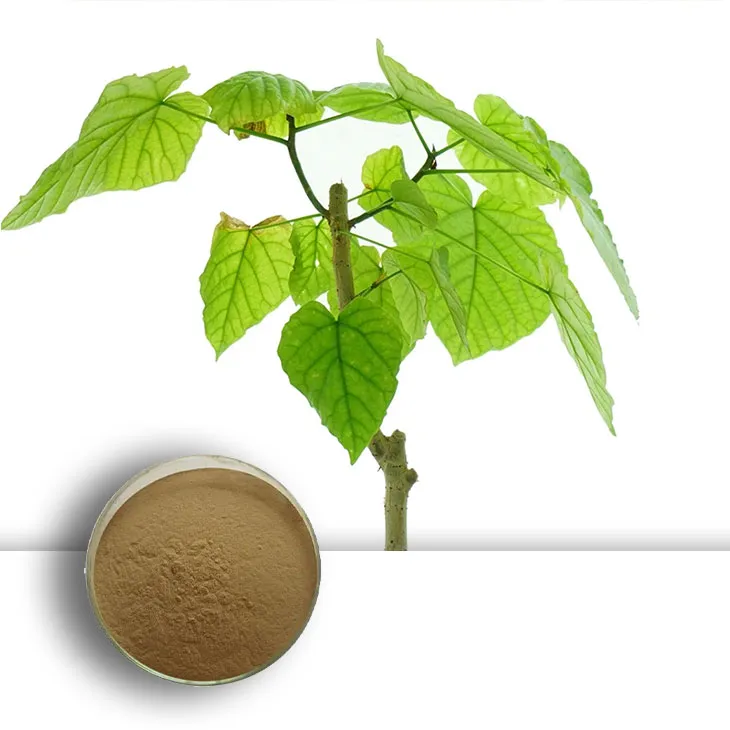
3.1 Natural Dyeing
Natural Dyeing is the primary application of Mulberry leaf Extract in the textile industry.
- The extract can produce a wide range of colors on fabrics. Depending on the extraction method, concentration, and the type of fabric used, different shades can be achieved. For example, it can produce soft greenish hues on cotton fabrics, and a more muted yellow - brown color on silk. This variety of color options allows textile designers to create unique and aesthetically pleasing products.
- Compared to synthetic dyes, Mulberry leaf Extract - based dyes are more environmentally friendly. Synthetic dyes often contain harmful chemicals that can be released into the environment during the dyeing process and disposal. These chemicals can contaminate water sources and have a negative impact on aquatic life. In contrast, the Mulberry leaf Extract is a natural product, and any waste generated during the dyeing process is more biodegradable and less harmful to the environment.
- Moreover, Mulberry leaf Extract - based dyes are also skin - friendly. Synthetic dyes may cause skin irritation or allergic reactions in some individuals. Since the Mulberry leaf Extract is a natural substance, it is generally less likely to cause such adverse skin reactions. This makes textiles dyed with Mulberry leaf Extract suitable for a wide range of applications, including clothing items that are in direct contact with the skin, such as underwear and baby clothes.
FAQ:
Q1: How does Mulberry leaf Extract work as a natural pesticide?
Some components in the Mulberry leaf Extract possess insect - repellent and anti - microbial properties. These properties enable it to fend off pests and prevent diseases in crops. It works in a more natural and environmentally friendly way compared to many chemical pesticides which often cause pollution.
Q2: Can you explain in more detail how Mulberry leaf Extract helps in anti - hypertension?
The active ingredients in the Mulberry leaf Extract can regulate the renin - angiotensin - aldosterone system. By doing so, it has an impact on blood pressure regulation and helps in lowering blood pressure.
Q3: What evidence is there for Mulberry leaf Extract's potential in treating neurodegenerative diseases?
Research has indicated that the extract may protect nerve cells from oxidative stress damage. This protection of nerve cells is a key factor in its potential for treating neurodegenerative diseases, although more research is still needed to fully understand and confirm this potential.
Q4: How is Mulberry leaf Extract used for natural dyeing in the textile industry?
The Mulberry leaf Extract can be applied to fabrics to produce different shades of color. It is a natural alternative to synthetic dyes. It is more environmentally friendly as it has less negative impact on the environment during the dyeing process, and it is also skin - friendly, which makes it suitable for use in textile production.
Q5: Are there any side effects when using Mulberry leaf Extract in different applications?
Currently, in the applications such as in natural pesticides, pharmaceuticals (for anti - hypertension and potential neurodegenerative disease treatment), and textile dyeing, no significant side effects have been widely reported. However, more in - depth research may be required, especially in the pharmaceutical applications where long - term and large - scale usage effects need to be further explored.
Related literature
- The Pharmacological Properties of Mulberry leaf Extract"
- "Mulberry leaf Extract in Agricultural Pest Control"
- "Natural Dyeing with Mulberry leaf Extract in Textile Industry"


-

Sugarcane Extract
2024-12-11
-

Grape Seed Extract Powder
2024-12-11
-

Selenium yeast
2024-12-11
-

Andrographis Paniculata Extract Powder
2024-12-11
-

D-Mannose
2024-12-11
-

Agaricus Blazei Extract
2024-12-11
-

Centella Asiatica Extract
2024-12-11
-

Bilberry Extract
2024-12-11
-

Berberis aristata Extract
2024-12-11
-

Vitamin C
2024-12-11