


1. Introduction
Ginkgo biloba, often referred to as the "living fossil," has been used in traditional medicine for centuries. In recent years, its extract has found a significant place in the field of cosmetics. Ginkgo Biloba Extract is rich in various bioactive compounds, which endow it with multiple beneficial properties for the skin. These properties make it a valuable ingredient in a wide range of cosmetic products, from creams and lotions to serums and masks.
2. Antioxidant Properties
2.1 Free Radicals and Skin Aging
The skin is constantly exposed to environmental stressors such as ultraviolet (UV) radiation, pollution, and cigarette smoke. These factors generate free radicals, which are highly reactive molecules with unpaired electrons. Free radicals can cause oxidative damage to the skin cells by attacking lipids, proteins, and DNA. This oxidative damage is one of the major causes of skin aging, leading to the formation of wrinkles, fine lines, and loss of skin elasticity.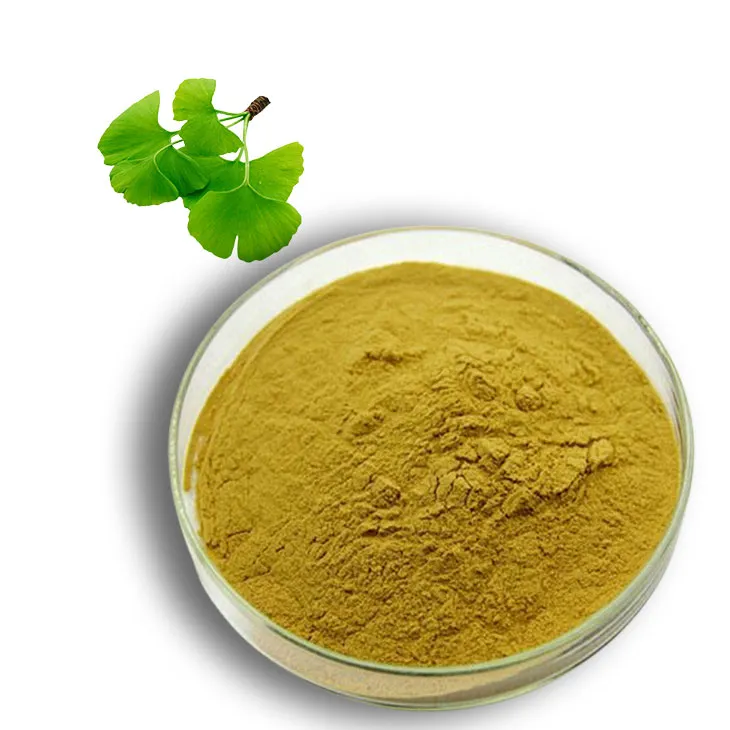
2.2 How Ginkgo Biloba Extract Acts as an Antioxidant
Ginkgo Biloba Extract contains flavonoids, terpenoids, and other phenolic compounds that act as powerful antioxidants. These compounds can neutralize free radicals by donating an electron to them, thus preventing them from causing further damage to the skin. By scavenging free radicals, Ginkgo Biloba Extract helps to slow down the aging process of the skin. It can also protect the skin from the harmful effects of UV radiation, which is a major source of free radical production.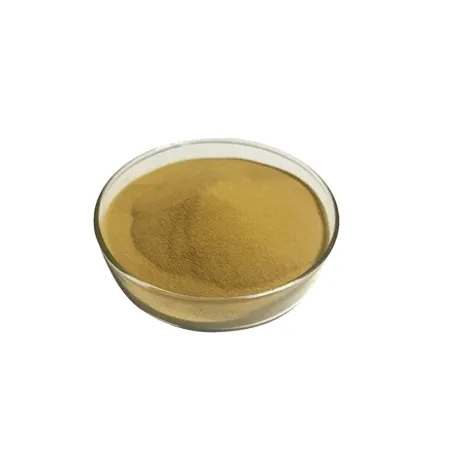
2.3 Benefits for Anti - aging in Cosmetics
In cosmetics, the antioxidant properties of Ginkgo Biloba Extract are highly sought after. Many anti - aging creams and serums contain this extract. By incorporating Ginkgo Biloba Extract into cosmetic products, manufacturers can offer consumers a way to combat the signs of aging. Regular use of products with Ginkgo Biloba Extract can lead to a reduction in the appearance of wrinkles and fine lines, and can also improve the overall texture and tone of the skin. For example, some studies have shown that creams containing Ginkgo Biloba Extract can increase the skin's firmness and elasticity after several weeks of use.3. Anti - inflammatory Function

3.1 Causes of Skin Inflammation
Skin inflammation can be caused by a variety of factors, including allergens, irritants, microbial infections, and autoimmune disorders. Inflammatory skin conditions can range from mild redness and itching to severe acne, eczema, and psoriasis. These conditions not only cause discomfort but can also affect the appearance of the skin, leading to blemishes, scarring, and a dull complexion.
3.2 Anti - inflammatory Mechanisms of Ginkgo Biloba Extract
Ginkgo Biloba Extract has anti - inflammatory properties due to its bioactive compounds. These compounds can inhibit the production of inflammatory mediators such as cytokines, prostaglandins, and leukotrienes. By reducing the levels of these inflammatory mediators, Ginkgo Biloba Extract can help to relieve skin discomfort and reduce inflammation. Additionally, it can also enhance the skin's natural defense mechanisms against external irritants and allergens.3.3 Application in Treating Inflamed Skin
For inflamed acne - prone skin, Ginkgo Biloba Extract can be a very effective ingredient. Acne is often associated with inflammation, and the anti - inflammatory properties of Ginkgo Biloba Extract can help to reduce the redness, swelling, and pain associated with acne lesions. It can also prevent the formation of new acne by inhibiting the growth of acne - causing bacteria. In addition to acne, Ginkgo Biloba Extract can also be used to treat other inflammatory skin conditions such as eczema and psoriasis. Cosmetic products formulated with Ginkgo Biloba Extract can provide relief to patients with these skin conditions and improve the overall appearance of their skin.4. Influence on Skin Micro - circulation
4.1 Importance of Skin Micro - circulation
Skin micro - circulation refers to the blood flow in the small blood vessels of the skin. Good skin micro - circulation is essential for maintaining healthy skin. It delivers oxygen and nutrients to the skin cells and removes waste products and toxins. Poor skin micro - circulation can lead to a variety of skin problems, including dullness, dryness, and premature aging.4.2 How Ginkgo Biloba Extract Affects Skin Micro - circulation
Ginkgo Biloba Extract has a positive influence on skin micro - circulation. It can dilate the blood vessels in the skin, increasing blood flow. This increased blood flow brings more oxygen and nutrients to the skin cells, which helps to keep the skin in a well - nourished state. Moreover, improved micro - circulation can also enhance the skin's ability to repair itself, which is beneficial for treating skin damage caused by various factors.4.3 Contribution to a Youthful and Healthy - looking Skin
By promoting skin micro - circulation, Ginkgo Biloba Extract contributes to a more youthful and healthy - looking skin. A well - nourished skin appears more radiant, with a smooth texture and a healthy glow. It can also reduce the appearance of dark circles under the eyes, which are often associated with poor micro - circulation. In cosmetic products, Ginkgo Biloba Extract can be used to improve the overall quality of the skin, making it look more vibrant and rejuvenated.5. Other Potential Benefits
5.1 Whitening Effect
In addition to its antioxidant, anti - inflammatory, and micro - circulation - enhancing properties, Ginkgo Biloba Extract may also have a whitening effect on the skin. It can inhibit the production of melanin, the pigment responsible for skin color. By reducing melanin production, Ginkgo Biloba Extract can help to lighten dark spots, freckles, and hyperpigmentation, resulting in a more even skin tone. However, more research is needed to fully understand the whitening mechanism of Ginkgo Biloba Extract and its potential applications in skin whitening cosmetics.5.2 Moisturizing Function
Ginkgo Biloba Extract may also contribute to the moisturizing of the skin. It can help to strengthen the skin's natural barrier function, preventing water loss from the skin. This can keep the skin hydrated and supple, reducing the appearance of dryness and flakiness. Some cosmetic products may use Ginkgo Biloba Extract in combination with other moisturizing ingredients to provide long - lasting hydration for the skin.6. Conclusion
Ginkgo Biloba Extract plays a multi - faceted role in cosmetics. Its antioxidant, anti - inflammatory, and positive influence on skin micro - circulation make it a valuable ingredient for anti - aging, treating inflamed skin, and promoting a healthy - looking skin. Additionally, its potential whitening and moisturizing effects also add to its appeal in the cosmetic industry. However, it is important to note that while Ginkgo Biloba Extract has shown many promising benefits, further research is still needed to fully explore its mechanisms of action and to ensure its safety and efficacy in different cosmetic applications. As consumers become more aware of the benefits of natural ingredients in cosmetics, Ginkgo Biloba Extract is likely to continue to gain popularity in the beauty market.
FAQ:
Q1: How does Ginkgo Biloba Extract prevent skin aging in cosmetics?
Ginkgo Biloba Extract is an antioxidant. It can neutralize free radicals in the skin. Free radicals are molecules that can damage skin cells and accelerate the aging process. By getting rid of these free radicals, Ginkgo Biloba Extract helps slow down the formation of wrinkles and fine lines, thus preventing skin aging.
Q2: Can Ginkgo Biloba Extract help with acne - prone skin?
Yes, it can. Ginkgo Biloba Extract has an anti - inflammatory function. Acne - prone skin is often inflamed. The anti - inflammatory property of Ginkgo Biloba Extract can relieve the discomfort and inflammation of the skin, which is beneficial for treating acne - prone skin.
Q3: In what way does Ginkgo Biloba Extract improve skin micro - circulation?
Ginkgo Biloba Extract contains certain compounds that can dilate blood vessels in the skin gently. This dilation promotes better blood flow in the micro - circulation of the skin. As a result, the skin can get more nutrients and oxygen, which helps keep the skin in a well - nourished state.
Q4: Are there any side effects of using Ginkgo Biloba Extract in cosmetics?
Generally, when used in cosmetics in appropriate amounts, Ginkgo Biloba Extract is considered safe for most people. However, some people may be allergic to it. It is always advisable to do a patch test before using any product containing Ginkgo Biloba Extract. If there is any redness, itching or swelling at the test area, it is best not to use the product.
Q5: How much Ginkgo Biloba Extract is typically used in cosmetics?
The amount of Ginkgo Biloba Extract used in cosmetics can vary depending on the type of product and its intended function. For example, in a face cream, the concentration may range from 0.1% to 5%. However, these are general guidelines and different manufacturers may use different concentrations based on their research and development.
Related literature
- The Role of Ginkgo Biloba Extract in Cosmetic Dermatology"
- "Ginkgo Biloba Extract: A Promising Ingredient in Anti - Aging Cosmetics"


-

Europen Bilberry Extract
2024-12-17
-

Dan Shen Root Extract/Salvia Root Extract
2024-12-17
-

American Ginseng Root Extract
2024-12-17
-

Red Clover Extract
2024-12-17
-

Shikonin
2024-12-17
-

Pueraria Lobata Extract
2024-12-17
-

Citrus bioflavonoids
2024-12-17
-

Mangosteen extract powder
2024-12-17
-

Artichoke Leaf Extract
2024-12-17
-
Ginkgo Biloba Extract
2024-12-17