


1. Introduction
Ginseng Root Extract has been widely recognized for its various health benefits, which has led to an increasing demand in the market. When it comes to wholesaling Ginseng Root Extract, customers need to be well - informed to ensure they make the right decisions. This article will discuss several important aspects that customers should pay attention to.
2. Quality Control
2.1 Purity
Purity is a crucial factor in Ginseng Root Extract wholesaling. High - purity extract means that it contains a relatively high proportion of the active components from ginseng root and fewer impurities. Customers should look for products with clear labels indicating the purity level. For example, some advanced extraction techniques can result in a purity level of over 90%, which is highly desirable. Low - purity extracts may not only be less effective but may also pose potential risks due to the presence of unknown substances.
2.2 Potency
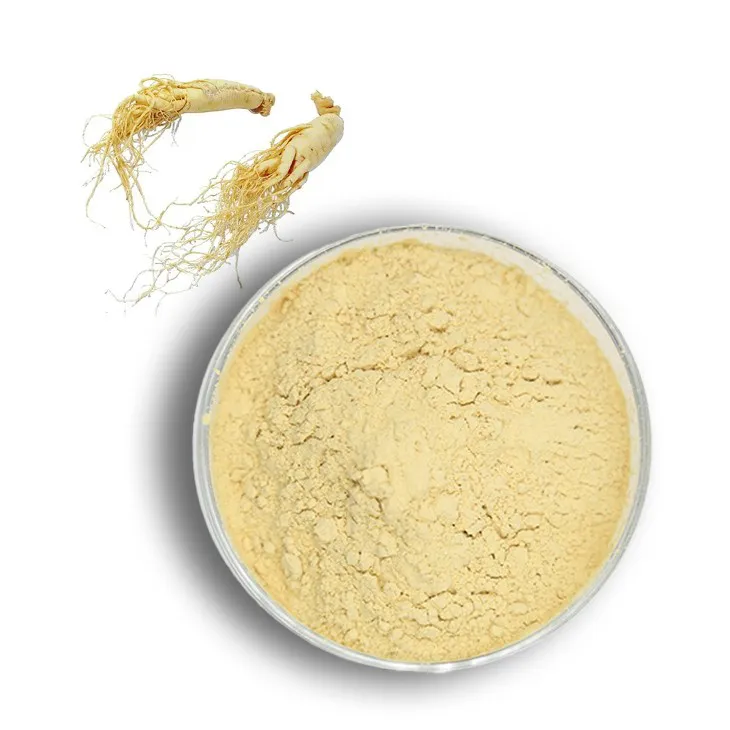
Potency refers to the strength or effectiveness of the Ginseng Root Extract. It is often related to the concentration of key active ingredients such as ginsenosides. Different products may have different potencies, and customers need to understand the potency requirements for their intended use. For instance, if the extract is intended for use in high - end health supplements, a higher potency product may be necessary. Potency can be determined through laboratory analysis, and reliable suppliers should be able to provide relevant test reports.
3. Extraction Method

3.1 Traditional vs. Modern Extraction Methods
There are both traditional and modern extraction methods for Ginseng Root Extract. Traditional extraction methods, such as water extraction and alcohol extraction, have been used for a long time. Water extraction is relatively simple and may preserve some water - soluble components well. However, it may also extract a large amount of impurities. Alcohol extraction can be more effective in extracting certain active ingredients, but it may require careful control of alcohol concentration.
Modern extraction methods, on the other hand, such as supercritical fluid extraction and ultrasonic - assisted extraction, offer some advantages. Supercritical fluid extraction can produce high - quality extracts with high purity and potency. It uses a supercritical fluid, usually carbon dioxide, which has the properties of both gas and liquid. Ultrasonic - assisted extraction can enhance the extraction efficiency by using ultrasonic waves to break the cell walls of ginseng root, facilitating the release of active ingredients.

3.2 Impact on the Final Product
The extraction method has a significant impact on the final product. A good extraction method can ensure that the Ginseng Root Extract retains its beneficial properties. For example, extracts obtained by improper extraction methods may have a lower content of ginsenosides or other important active ingredients. Moreover, the extraction method can also affect the taste, smell, and color of the extract. Customers should choose products that are extracted using reliable and appropriate methods to ensure the quality of the final product.
4. Supplier Selection

4.1 Reputation
When wholesaling Ginseng Root Extract, the reputation of the supplier is of great importance. A supplier with a good reputation is more likely to provide high - quality products. Customers can check the supplier's reputation through various channels, such as online reviews, industry forums, and referrals from other customers. A supplier with a long - standing positive track record in the market is generally more trustworthy.
4.2 Certification
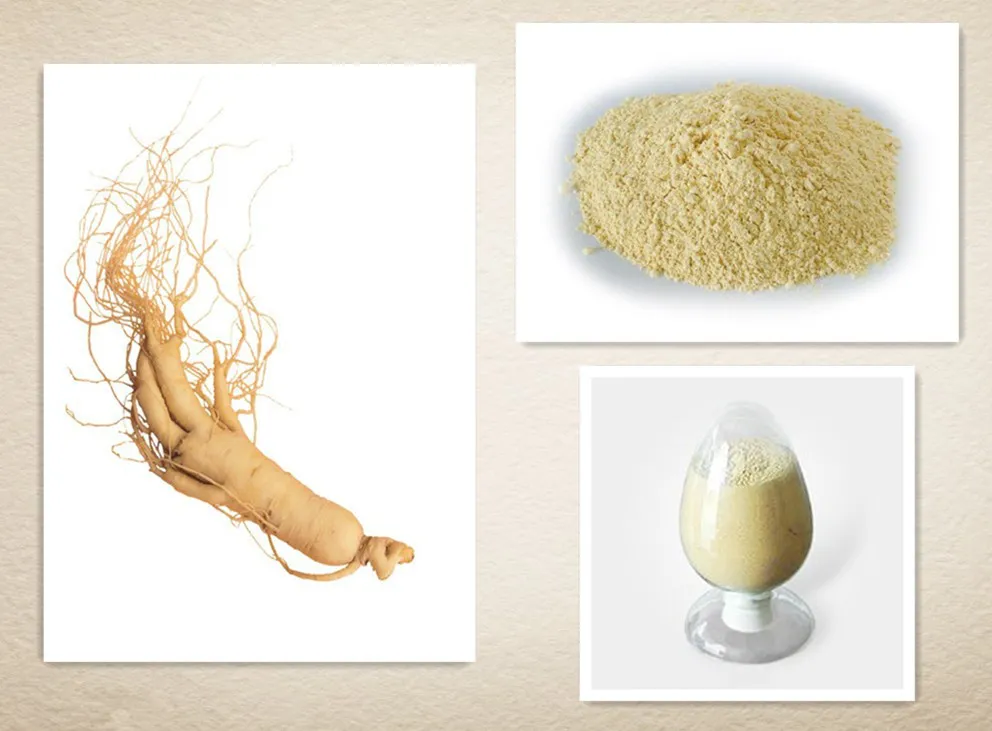
Certification is another factor to consider when choosing a supplier. Suppliers with relevant certifications, such as GMP (Good Manufacturing Practice) certification, indicate that they follow strict manufacturing and quality control standards. These certifications ensure that the production process of the Ginseng Root Extract is carried out in a clean, safe, and regulated environment. Other certifications, such as organic certifications for ginseng root sources, can also add value to the product.
4.3 Product Range and Customization
Some suppliers may offer a wide product range related to Ginseng Root Extract, which can provide more options for customers. For example, they may offer different purities, potencies, and forms (such as powder, capsules, or liquid) of the extract. Additionally, the ability to customize products according to customers' specific requirements can be a great advantage. For instance, a customer may need a specific blend of Ginseng Root Extract with other ingredients, and a supplier with customization capabilities can meet this need.
5. Price Comparison
When wholesaling Ginseng Root Extract, price comparison among different suppliers is essential. However, it is important to note that the cheapest option may not always be the best. Customers should consider the quality - price ratio. A slightly higher - priced product from a reliable supplier with high - quality and purity may be a better investment in the long run.
To conduct a proper price comparison, customers should first determine their own requirements in terms of quality, quantity, and delivery time. Then, they can collect quotes from multiple suppliers and analyze the differences. Some suppliers may offer volume discounts for large - quantity orders, which can also affect the overall cost.
6. Regulatory Compliance
6.1 Local and International Regulations
Ginseng Root Extract is subject to various local and international regulations. Customers need to ensure that the products they wholesale comply with relevant regulations. For example, in some countries, there are strict regulations on the maximum allowable content of certain heavy metals or pesticides in herbal extracts. Suppliers should be able to provide documentation to prove compliance with these regulations.
6.2 Labeling Requirements
Proper labeling is also required for Ginseng Root Extract products. The label should clearly indicate the product name, ingredients, origin, purity, potency, and any relevant warnings or instructions. Customers should check the labeling of the products they plan to wholesale to ensure that it meets regulatory requirements and provides accurate information to end - users.
7. Storage and Transportation
7.1 Storage Conditions
Ginseng Root Extract should be stored under appropriate storage conditions to maintain its quality. Generally, it should be stored in a cool, dry, and dark place. Exposure to sunlight, high humidity, or high temperature can degrade the quality of the extract. Some extracts may also require special storage conditions, such as refrigeration. Suppliers should provide clear instructions on storage conditions to customers.
7.2 Transportation Considerations
During transportation, Ginseng Root Extract needs to be protected from damage and deterioration. Appropriate packaging materials should be used to prevent breakage, leakage, or exposure to adverse environmental factors. For international shipments, customers also need to consider customs regulations and any special requirements for transporting herbal products.
8. Conclusion
Wholesaling Ginseng Root Extract requires customers to pay attention to multiple aspects, including quality control, extraction method, supplier selection, price comparison, regulatory compliance, and storage and transportation. By carefully considering these factors, customers can ensure that they obtain high - quality Ginseng Root Extract products at a reasonable cost, while also complying with relevant regulations and meeting the needs of their end - users.
FAQ:
Question 1: How can customers ensure the purity of Ginseng Root Extract when wholesaling?
Customers can ask suppliers for detailed product specifications and certificates of analysis. Reputable suppliers usually provide information about the purity of their Ginseng Root Extract. Third - party testing can also be considered to verify the purity claims made by the suppliers.
Question 2: What are the common extraction methods for Ginseng Root Extract, and how do they impact the product?
Common extraction methods include solvent extraction and supercritical fluid extraction. Solvent extraction may leave some solvent residues if not properly purified, which can affect the quality and safety of the product. Supercritical fluid extraction is often considered a cleaner method that can better preserve the active components of ginseng root. Different extraction methods can result in different levels of potency and chemical composition in the final extract.
Question 3: How to find reliable suppliers when wholesaling Ginseng Root Extract?
Look for suppliers with a good reputation in the industry. Check their business history, customer reviews, and certifications. Suppliers that adhere to strict quality control standards and regulatory requirements are more likely to be reliable. Attending industry trade shows and networking with other wholesalers can also provide valuable information on finding reliable suppliers.
Question 4: Are there any regulatory requirements for wholesaling Ginseng Root Extract?
Yes, there are. Different regions may have different regulations regarding the wholesaling of Ginseng Root Extract. In general, it may need to meet certain quality and safety standards, and there may be restrictions on the use of certain additives or processing methods. It is essential for wholesalers to be aware of and comply with the relevant local and international regulations.
Question 5: What should customers consider regarding the packaging of Ginseng Root Extract when wholesaling?
The packaging should be suitable for protecting the product from light, moisture, and air to maintain its stability and potency. It should also be clearly labeled with product information such as the name, origin, extraction method, and usage instructions. Good packaging can also help prevent contamination during transportation and storage.
Related literature
- Ginseng Root Extract: Properties, Extraction, and Applications"
- "Quality Assurance in Ginseng Root Extract Production"
- "The Market and Regulations of Ginseng Root Extract"


-

White Willow Bark Extract
2024-12-09
-

Saffron Extract Powder
2024-12-09
-

Hericium erinaceus extract powder
2024-12-09
-

Cranberry Extract
2024-12-09
-

Oat Straw Extract Powder
2024-12-09
-

Thunder God Vine Extract
2024-12-09
-

Dandelion Root Extract
2024-12-09
-

Fig Extract
2024-12-09
-

N-Acetyl-L-cysteine(NAC)
2024-12-09
-

Gynostemma pentaphyllum extract
2024-12-09