


1. Introduction
Phellodendron Extract has been increasingly popular in various industries, such as the pharmaceutical, cosmetic, and food supplement sectors. However, when it comes to wholesaling this extract, customers need to be cautious. This article will discuss the key aspects that customers should pay attention to, including quality control, understanding the source, and legal compliance.
2. Quality Control
2.1 Purity
Purity is a crucial factor in Phellodendron Extract wholesaling. The purer the extract, the better its quality and effectiveness. Customers should look for suppliers who can provide detailed information about the purity of their products. For example, a high - quality Phellodendron Extract should have a minimum level of impurities. Suppliers may use advanced testing methods, such as high - performance liquid chromatography (HPLC) to measure the purity. When evaluating a supplier, customers can ask for the HPLC reports to ensure that the extract meets the required purity standards.

2.2 Potency
The potency of Phellodendron Extract is also of great importance. Potency refers to the active ingredient content in the extract. Different applications may require different potencies. For instance, in the pharmaceutical industry, a higher potency may be needed for medicinal purposes, while in the cosmetic industry, a relatively lower potency may be sufficient for skin - care products. Customers should communicate with suppliers clearly about the desired potency for their specific use. Suppliers should be able to guarantee the consistency of potency in their bulk shipments. This can be achieved through strict manufacturing processes and quality control measures.
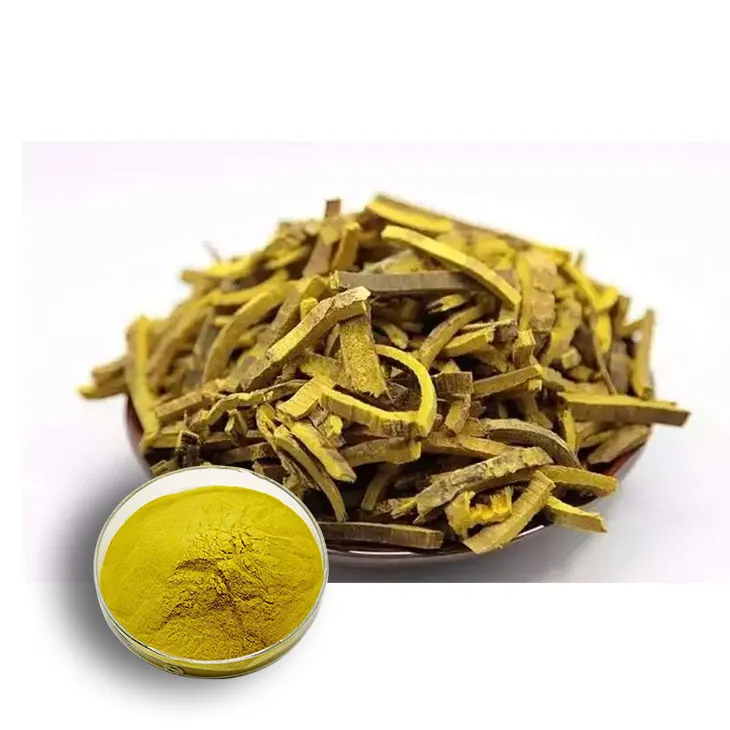
2.3 Stability
Stability of the Phellodendron Extract is another aspect to consider. The extract should be stable during storage and transportation. Factors that can affect stability include temperature, humidity, and light exposure. Suppliers should use appropriate packaging materials and storage conditions to ensure the stability of the extract. For example, they may use dark - colored, air - tight containers to protect the extract from light and air. Customers should also check the expiration date and storage instructions provided by the supplier to ensure that the extract remains stable during the wholesaling process.
3. Understanding the Source
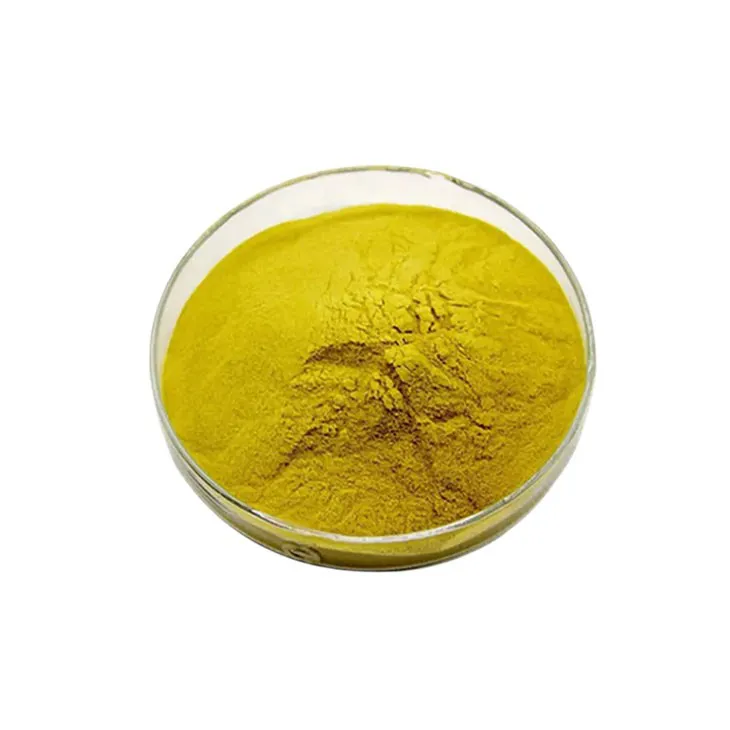
3.1 Authenticity
Ensuring the authenticity of the Phellodendron Extract is essential. There are different species of Phellodendron, and the extract from the correct species is crucial for its intended use. Some suppliers may mislabel or substitute the source of the extract. Customers should have a basic understanding of the characteristics of different Phellodendron species. For example, Phellodendron Amurense is a common source for high - quality extract. They can ask suppliers for botanical identification certificates or other evidence to prove the authenticity of the source.

3.2 Potential Contaminants
Understanding the source also helps in assessing potential contaminants. If the Phellodendron is sourced from areas with high pollution or improper cultivation practices, there may be a risk of contaminants such as heavy metals, pesticides, or mycotoxins. Customers should inquire about the cultivation and harvesting areas of the Phellodendron. Suppliers should be able to provide information about the environmental conditions and any measures they take to prevent contamination. For example, if the Phellodendron is organically cultivated, there is a lower risk of pesticide contamination.
3.3 Sustainability
Sustainability of the source is becoming an increasingly important consideration. Over - harvesting of Phellodendron can lead to the depletion of natural resources. Customers should look for suppliers who follow sustainable harvesting practices. This may include measures such as replanting, protecting natural habitats, and following ethical harvesting guidelines. By choosing sustainable sources, customers can contribute to the long - term availability of Phellodendron Extract while also meeting the growing demand for environmentally - friendly products.
4. Legal Compliance
4.1 Regulations on Extraction
There are often regulations regarding the extraction of Phellodendron. In some regions, certain extraction methods may be restricted or required to meet specific standards. For example, some countries may require that extraction processes be carried out in a controlled environment to ensure the quality and safety of the extract. Customers should ensure that the suppliers they choose comply with these extraction regulations. Suppliers should be able to provide relevant licenses or certificates indicating their compliance with extraction requirements.
4.2 Trade Regulations
Trade regulations also play a significant role in wholesaling Phellodendron Extract. There may be import and export restrictions, tariffs, or documentation requirements. For international wholesale, customers need to be aware of the trade regulations of both the source country and the destination country. For example, some countries may require specific phytosanitary certificates for the import of plant - based extracts like Phellodendron Extract. Suppliers should be able to assist customers in meeting these trade requirements by providing the necessary documentation.
4.3 Use - related Regulations
Depending on the intended use of the Phellodendron Extract, there may be use - related regulations. For example, if the extract is to be used in pharmaceuticals, it must meet strict regulatory requirements for drug safety and efficacy. In the food supplement industry, there are also regulations regarding ingredient labeling, maximum dosage, and safety. Customers should ensure that the extract they wholesale is suitable for their intended use and complies with all relevant use - related regulations. This may require working closely with regulatory authorities or consultants to ensure full compliance.
5. Supplier Selection
5.1 Reputation
When wholesaling Phellodendron Extract, choosing a supplier with a good reputation is crucial. A supplier's reputation can be determined by factors such as customer reviews, industry recognition, and years of experience. Customers can search for online reviews or ask for references from other businesses in the same industry. A supplier with a long - standing positive reputation is more likely to provide high - quality products and reliable services.
5.2 Certification
Suppliers should have relevant certifications. These may include quality management certifications like ISO 9001, which indicates that the supplier follows strict quality management systems. In addition, certifications related to the extraction process, such as Good Manufacturing Practice (GMP) for pharmaceutical - grade extracts, can also be important. Certifications provide an assurance of the supplier's compliance with certain standards and can help customers make more informed decisions.
5.3 Communication and Support
Good communication and support from the supplier are also necessary. Suppliers should be able to answer customers' questions promptly and provide technical support if needed. For example, if customers have questions about the application of the extract in a new product formulation, the supplier should be able to offer relevant advice. Clear communication channels also help in resolving any potential issues during the wholesaling process, such as delivery delays or quality discrepancies.
6. Conclusion
Wholesaling Phellodendron Extract requires customers to be vigilant in several aspects. By paying close attention to quality control, understanding the source, ensuring legal compliance, and choosing the right supplier, customers can make more informed and successful wholesale purchases. This not only helps in obtaining high - quality products but also in avoiding potential risks associated with the wholesaling of Phellodendron Extract.
FAQ:
Question 1: How can customers ensure the quality control of Phellodendron Amurense extract during wholesale?
Customers can ensure quality control in several ways. Firstly, they should ask the supplier for certificates of analysis which detail the purity and potency of the extract. Secondly, it is advisable to look for extracts that are produced following Good Manufacturing Practice (GMP) standards. Thirdly, samples can be tested independently in a reputable laboratory to verify the claimed purity and potency.
Question 2: Why is it important to know the source of Phellodendron Amurense extract when wholesaling?
Knowing the source is important for multiple reasons. The source gives an indication of the authenticity of the extract. If the source is from a reliable and sustainable area, it is more likely to be genuine. Additionally, the source can also hint at potential contaminants. For example, if the Phellodendron Amurense is sourced from an area with high pollution or improper farming practices, there may be a higher risk of contaminants in the extract.
Question 3: What are the main legal regulations customers need to be aware of when wholesaling Phellodendron Amurense extract?
Customers need to be aware of regulations regarding its extraction. In some regions, there may be restrictions on how and where the Phellodendron Amurense can be harvested. There are also trade regulations which govern the import and export of the extract. Usage regulations are also crucial, as the extract may be restricted for certain applications in some areas. For example, it may not be allowed in food products in some countries without proper authorization.
Question 4: How can customers find reliable suppliers for Phellodendron Amurense extract?
Customers can find reliable suppliers through several channels. One way is to look for suppliers with a long - standing reputation in the industry. Reading customer reviews and testimonials can also provide insights. Another approach is to check if the supplier is a member of relevant industry associations, as these often have strict membership requirements. Additionally, attending trade shows and exhibitions related to herbal extracts can be a good opportunity to meet and evaluate potential suppliers face - to - face.
Question 5: What should customers do if they suspect the Phellodendron Amurense extract they received is of poor quality?
If customers suspect the extract is of poor quality, they should first stop any further use or distribution. Then, they should contact the supplier immediately and present their concerns along with any evidence they may have, such as test results if available. If the supplier does not respond satisfactorily, customers may consider reporting the issue to relevant regulatory authorities or industry watchdogs.
Related literature
- Quality Control of Herbal Extracts: A Review"
- "Sourcing and Authenticity of Botanical Extracts"
- "Legal Aspects of Herbal Extract Trade"


-

Plantain extract
2025-02-10
-

Saponin Extract
2025-02-10
-

Medicinal Marshmallow Extract
2025-02-10
-

Oat Straw Extract Powder
2025-02-10
-

Beetroot Powder
2025-02-10
-

Tamarind extract powder
2025-02-10
-

Red Date Extract
2025-02-10
-

Bilberry Extract
2025-02-10
-

Tormentil Extract
2025-02-10
-

Purple Sweet Potato Extract
2025-02-10