


1. Introduction
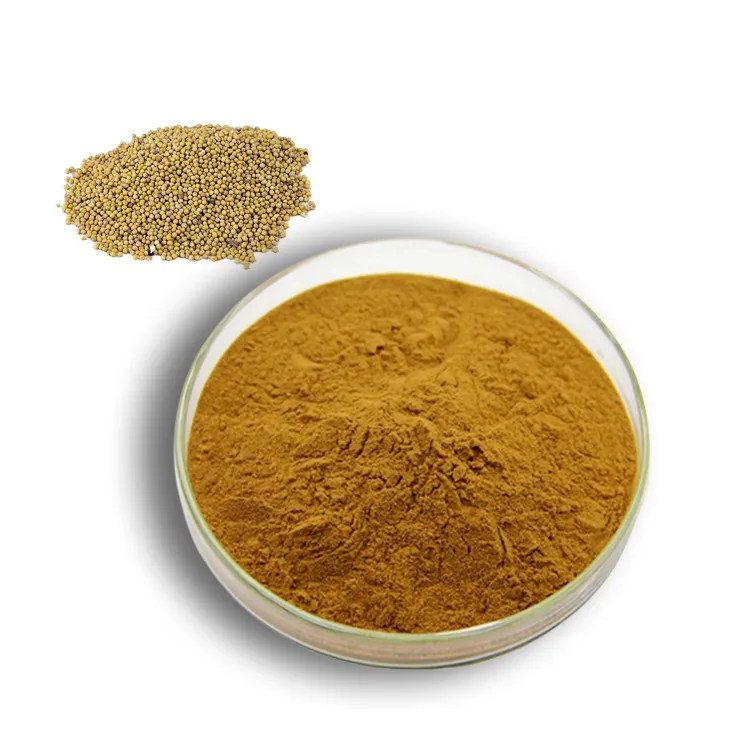
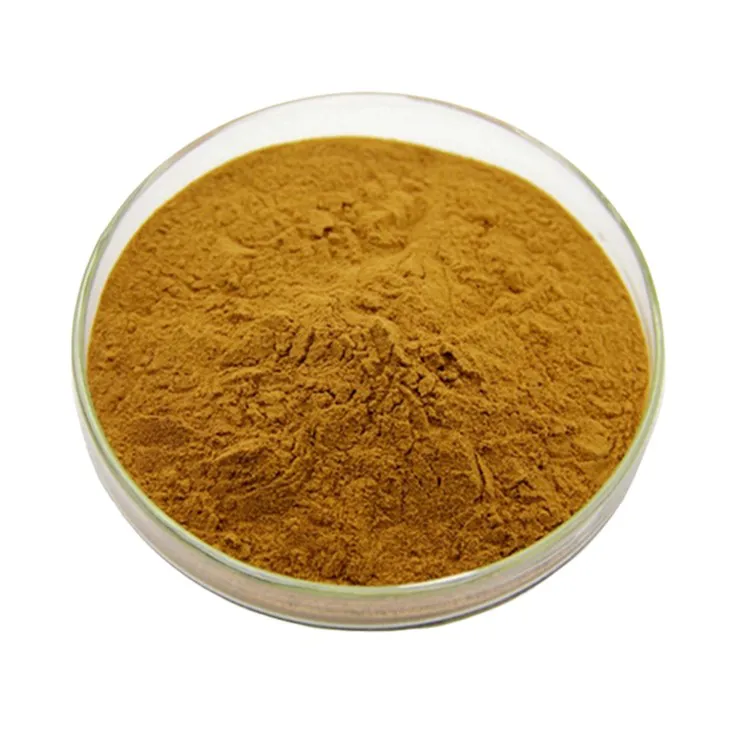
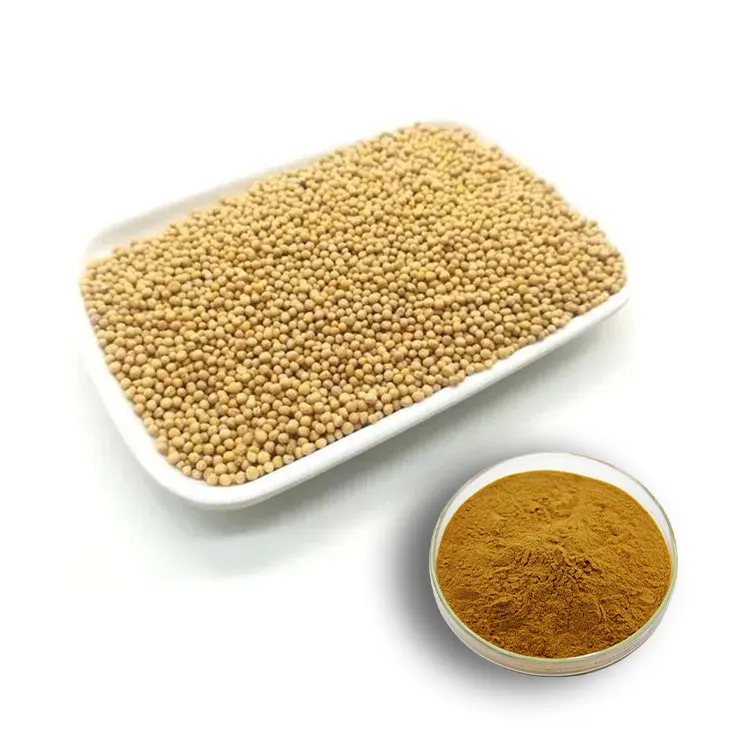
White mustard seed extract has emerged as a highly valuable ingredient in various industries. Derived from white mustard seeds, it is a rich source of bioactive compounds that offer a plethora of benefits. These seeds, which have been used in traditional medicine and cooking for centuries, are now being explored more intensively for their potential in modern applications. The extract is not only a natural alternative but also brings unique properties to different products, making it a sought - after component.
2. Composition of White mustard seed extract
The extract contains a variety of bioactive substances. One of the key components is sinigrin, a glucosinolate. Sinigrin is responsible for many of the biological activities associated with White mustard seed extract. Additionally, it contains flavonoids, phenolic acids, and other minor compounds. These components work together in synergy, contributing to the overall functionality of the extract.
3. Applications in the Field of Medicine
3.1 Anti - inflammatory Effects
White mustard seed extract has shown significant anti - inflammatory potential. Inflammation is a complex biological process that can lead to various health problems. Studies have demonstrated that the bioactive compounds in the extract can modulate the body's inflammatory response. They do this by interacting with the cells involved in the inflammatory cascade, such as macrophages and neutrophils. By reducing inflammation, the extract may have implications for the treatment of conditions like arthritis, where chronic inflammation is a major factor.
3.2 Analgesic Effects
Another important aspect of White mustard seed extract in medicine is its analgesic properties. Pain is a common symptom in many diseases and injuries. The extract has been found to have pain - relieving effects, potentially through its interaction with the pain receptors in the body. It may act on the nerve endings or modulate the pain - signaling pathways in the central nervous system. This makes it a potential natural alternative for pain management, especially for those who may be sensitive to synthetic analgesics.
3.3 Other Potential Medical Applications
- There is also evidence suggesting that White mustard seed extract may have antibacterial properties. It could potentially be used to combat certain bacterial infections, although more research is needed in this area.
- Some studies have explored its role in improving digestion. It may help in stimulating the secretion of digestive enzymes, thus enhancing the digestive process.
4. Applications in the Cosmetic Industry
4.1 Skin Conditioning
The White mustard seed extract is highly beneficial for skin conditioning. Its moisturizing properties help in keeping the skin hydrated. This is crucial as hydrated skin looks healthier and more youthful. The extract forms a protective layer on the skin, preventing moisture loss. Additionally, its antioxidant properties play a vital role in skin health. Antioxidants combat free radicals, which are unstable molecules that can damage skin cells. By neutralizing these free radicals, the extract helps in reducing skin aging, such as the formation of wrinkles and fine lines.

4.2 Other Cosmetic Applications
- It can also be used in hair care products. The extract may help in strengthening the hair follicles, reducing hair fall, and improving the overall texture of the hair.
- Some cosmetic formulations use White mustard seed extract for its anti - acne properties. It may help in controlling sebum production and reducing the growth of acne - causing bacteria.
5. Applications in the Food Area
5.1 Natural Flavor Enhancer
White mustard seed extract serves as a natural flavor enhancer in the food industry. It imparts a unique, pungent flavor to food products. This flavor is characteristic of mustard and can enhance the taste of a wide range of dishes, from meats to vegetables. It can be used in salad dressings, marinades, and sauces, adding a depth of flavor without the need for artificial flavorings. The extract also has the advantage of being a natural ingredient, which is appealing to consumers who prefer clean - label products.
5.2 Other Food - related Applications
- It may have preservative properties in food. The bioactive compounds in the extract can potentially inhibit the growth of spoilage - causing microorganisms, thereby extending the shelf life of food products.
- Some traditional cuisines use white mustard seeds or their extract in pickling. The extract can add flavor and also contribute to the preservation of the pickled items.
6. Safety and Considerations
While White mustard seed extract offers numerous benefits, it is important to consider its safety aspects. In general, when used in appropriate concentrations, it is considered safe for most applications. However, some individuals may be allergic to mustard or its components. Skin patch tests are recommended before using products containing the extract in cosmetics, especially for those with sensitive skin. In the medical field, proper dosage and formulation need to be determined to ensure safety and efficacy. In the food industry, regulatory guidelines must be followed to ensure that its use is within acceptable limits.
7. Conclusion
White mustard seed extract is a truly versatile ingredient with a wide range of applications. Its potential in medicine, cosmetics, and the food industry makes it a valuable asset. As research continues to uncover more about its properties and benefits, it is likely that its use will become even more widespread. However, safety considerations must always be taken into account to ensure that it is used appropriately in different products. Overall, the future looks promising for White mustard seed extract as a multi - purpose ingredient.
FAQ:
What are the bioactive compounds in White mustard seed extract?
White mustard seed extract contains various bioactive compounds such as glucosinolates, phenolic compounds, and others. Glucosinolates are sulfur - containing compounds that are characteristic of mustard plants. These bioactive compounds contribute to its diverse properties and potential applications in different industries.
How does White mustard seed extract show anti - inflammatory effects in medicine?
The anti - inflammatory effects may be related to the bioactive compounds in the extract. For example, some components may interact with the body's immune system and inflammatory pathways. They might inhibit the production of certain inflammatory mediators or modulate the activity of immune cells involved in the inflammatory response, but the exact mechanisms are still under research.
What makes White mustard seed extract suitable for skin conditioning in cosmetics?
It has moisturizing and antioxidant properties. The moisturizing property helps to keep the skin hydrated by retaining moisture. The antioxidant property protects the skin from oxidative stress caused by free radicals. Free radicals can damage skin cells and lead to premature aging, so the antioxidant in White mustard seed extract can counteract this effect, making it suitable for skin conditioning.
Can White mustard seed extract be used in all types of food as a flavor enhancer?
No, it may not be suitable for all types of food. While it can enhance the flavor in many cases, its strong flavor profile might not be appropriate for every food product. For example, in some delicate - flavored dishes, it might overpower the original taste. However, in products like sausages, pickles, and certain sauces, it can be a great natural flavor enhancer.
How is White mustard seed extract obtained?
White mustard seed extract is typically obtained through a process of extraction. First, the white mustard seeds are harvested. Then, they are usually crushed or ground to increase the surface area for extraction. Solvents such as water, ethanol, or a combination of solvents may be used to extract the bioactive compounds from the seeds. After extraction, the solvent is often removed through evaporation or other separation techniques to obtain the final extract.
Related literature
- The Chemical Composition and Bioactivity of White Mustard (Sinapis alba L.) Seed Extracts"
- "White mustard seed extract: Properties and Potential Applications in the Food Industry"
- "Beneficial Effects of White mustard seed extract in Cosmetics: A Review"


-

Hericium erinaceus extract powder
2025-01-04
-

Lotus leaf extract
2025-01-04
-

Green coffee bean Extract
2025-01-04
-

Aged Garlic Extract
2025-01-04
-

Dandelion Leaf Extract
2025-01-04
-

Sugarcane Extract
2025-01-04
-

Coenzyme Q10
2025-01-04
-

Baicalin
2025-01-04
-

Alisma Extract
2025-01-04
-

Golden Seal Extract
2025-01-04