


1. Introduction
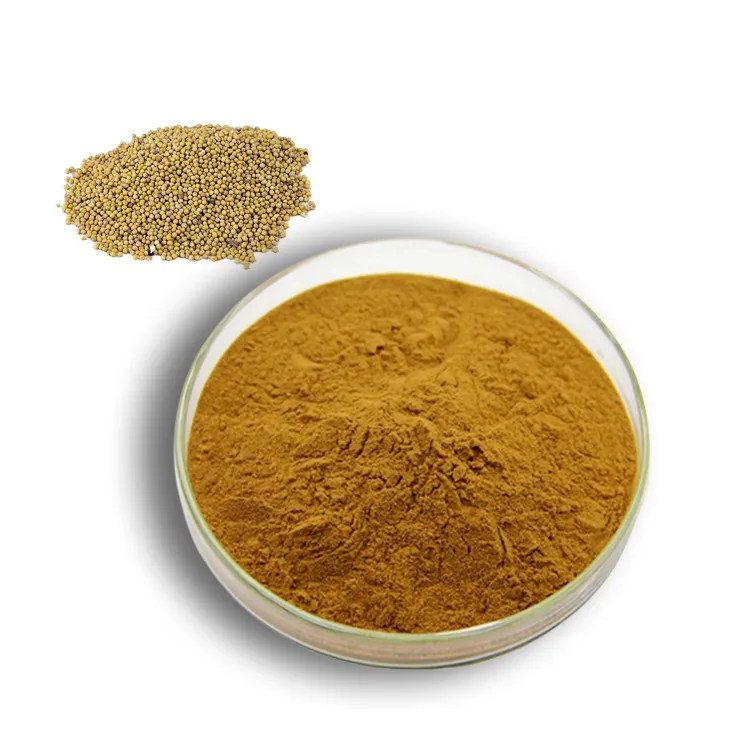
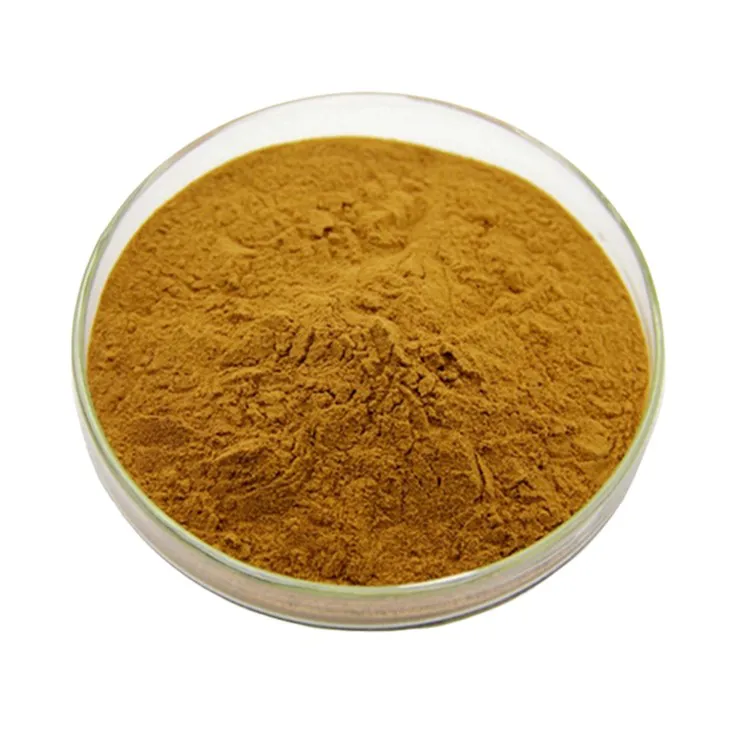
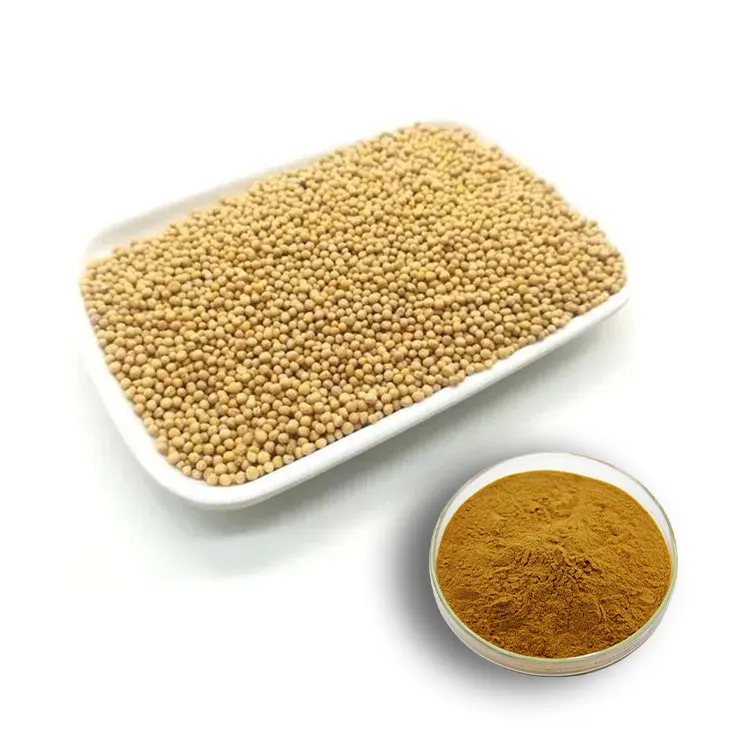
White mustard seed extract has emerged as a topic of great interest in recent years. The extract is obtained from the seeds of Sinapis alba, a plant that has been used in traditional medicine and cuisine for centuries. With the growing emphasis on natural products and their potential benefits, the White mustard seed extract has found its way into multiple industries, including medicine, cosmetics, and food.
2. Chemical Composition of White mustard seed extract
The White mustard seed extract is a rich source of various bioactive compounds. One of the major components is sinigrin, which is a glucosinolate. Sinigrin is responsible for many of the biological activities associated with the extract. Additionally, the extract contains proteins, lipids, and other minor compounds. The presence of these diverse components contributes to the extract's wide range of potential applications.
Glucosinolates, such as sinigrin, are sulfur - containing compounds. When the seeds are crushed or processed, glucosinolates can be hydrolyzed by an enzyme called myrosinase. This hydrolysis reaction results in the formation of various products, including isothiocyanates, which are also known for their biological activities.
3. Medicinal Applications
3.1 Anti - inflammatory Properties
One of the most promising aspects of White mustard seed extract in medicine is its anti - inflammatory potential. Inflammation is a natural response of the body to injury or infection, but chronic inflammation can lead to various diseases. Studies have suggested that the bioactive compounds in the extract, such as isothiocyanates formed from sinigrin hydrolysis, can modulate the body's inflammatory response. They may act by inhibiting certain inflammatory mediators or signaling pathways.
For example, in vitro studies have shown that White mustard seed extract can reduce the production of pro - inflammatory cytokines such as interleukin - 6 (IL - 6) and tumor necrosis factor - alpha (TNF - α) in immune cells. These cytokines are key players in the inflammatory process, and their reduction can potentially alleviate inflammation - related symptoms in diseases like arthritis, where joint inflammation is a major concern.
3.2 Antimicrobial Activity
White mustard seed extract has also demonstrated antimicrobial properties. It has been shown to be effective against a range of microorganisms, including bacteria and fungi. The exact mechanisms underlying this antimicrobial activity are still being investigated, but it is believed that the bioactive compounds in the extract can disrupt the cell membranes of microorganisms or interfere with their metabolic processes.
For instance, in tests against common pathogenic bacteria such as Staphylococcus aureus and Escherichia coli, the extract has exhibited inhibitory effects. This makes it a potential candidate for the development of new antimicrobial agents, especially in the face of the growing problem of antibiotic resistance.
4. Cosmetic Applications
4.1 Skin Health Promotion
The antioxidant components present in White mustard seed extract play a crucial role in skin health promotion. The skin is constantly exposed to environmental stressors such as ultraviolet (UV) radiation, pollution, and free radicals. These factors can cause oxidative damage to the skin cells, leading to premature aging, wrinkles, and other skin problems.
Antioxidants in the extract, such as phenolic compounds, can scavenge free radicals and protect the skin from oxidative stress. They can also stimulate collagen synthesis, which is essential for maintaining the skin's elasticity and firmness. Additionally, the anti - inflammatory properties of the extract can help soothe irritated skin and reduce redness, making it suitable for use in various skin - care products.
4.2 Hair Care
There is also potential for White mustard seed extract in hair care. The extract may be beneficial for hair follicle health. It could potentially improve blood circulation in the scalp, which is important for delivering nutrients to the hair follicles. Moreover, its antimicrobial properties can help keep the scalp clean and free from infections that may affect hair growth.
5. Botanical Perspective

5.1 Extraction Process
The extraction of White mustard seed extract is a crucial step in harnessing its benefits. There are several methods available for extraction. Solvent extraction is one of the commonly used techniques. Organic solvents such as ethanol or methanol can be used to extract the bioactive compounds from the mustard seeds. The choice of solvent depends on factors such as the solubility of the target compounds and the safety and environmental impact of the solvent.
Another method is supercritical fluid extraction, which uses supercritical carbon dioxide as the extracting agent. This method has the advantage of being more environmentally friendly compared to traditional solvent extraction methods. It also allows for better control of the extraction process and can result in a higher - quality extract with a more consistent composition.
5.2 Conservation of White Mustard Resources
As the demand for White mustard seed extract increases, it is essential to consider the conservation of white mustard resources. Sustainable farming practices need to be implemented to ensure a continuous supply of white mustard seeds. This includes proper crop rotation, soil management, and pest control measures.
Moreover, research should be focused on improving the extraction efficiency so that less raw material is required to obtain a sufficient amount of extract. Additionally, efforts should be made to study the genetic diversity of white mustard plants and preserve the native varieties to safeguard the long - term availability of this valuable resource.
6. Conclusion
White mustard seed extract is a versatile natural product with a wide range of potential applications. Its rich chemical composition, including bioactive compounds like sinigrin, endows it with anti - inflammatory, antimicrobial, antioxidant, and other beneficial properties. In the fields of medicine and cosmetics, it shows great promise for the development of new products. From a botanical perspective, understanding its extraction process and taking measures for resource conservation are crucial for its long - term and sustainable utilization.
FAQ:
What are the main bioactive compounds in White mustard seed extract?
The main bioactive compounds in White mustard seed extract include glucosinolates, which are sulfur - containing compounds. These glucosinolates can be hydrolyzed to produce various biologically active substances. Additionally, it also contains phenolic compounds that contribute to its antioxidant properties.
How does White mustard seed extract exhibit anti - inflammatory properties?
The anti - inflammatory properties of White mustard seed extract may be related to its bioactive compounds. For example, some of the hydrolyzed products of glucosinolates may interact with the body's inflammatory pathways. They can modulate the production of cytokines and other inflammatory mediators, thereby reducing inflammation at the cellular level.
What are the potential applications of White mustard seed extract in cosmetics?
In cosmetics, White mustard seed extract can be used for various purposes. Its antioxidant components can help protect the skin from oxidative stress caused by environmental factors such as UV radiation and pollution. It may also have a role in promoting skin cell renewal and maintaining skin elasticity, which can contribute to overall skin health.
How is White mustard seed extract obtained?
The extraction of White mustard seed extract typically involves several steps. First, the white mustard seeds are harvested and cleaned. Then, extraction solvents such as ethanol or water are used to extract the bioactive compounds from the seeds. After extraction, the extract may be further purified through filtration and concentration processes to obtain a more concentrated and pure form of the extract.
Are there any side effects of using White mustard seed extract?
While White mustard seed extract has potential benefits, there may be some side effects in certain cases. For example, in high concentrations or for some individuals with sensitive skin, it may cause skin irritation. Also, if ingested in large amounts, it may cause digestive discomfort due to the presence of certain compounds. However, more research is needed to fully understand and quantify these potential side effects.
Related literature
- Bioactive Compounds in White Mustard (Sinapis alba L.) Seeds: A Review"
- "The Extraction and Application of Bioactive Substances from White Mustard Seed"
- "White mustard seed extract: Chemical Composition and Potential Health Benefits"


-

Berberis aristata Extract
2024-12-20
-

Soy Extract
2024-12-20
-

Rutin
2024-12-20
-

Andrographis Paniculata Extract Powder
2024-12-20
-

Selenium yeast
2024-12-20
-

Wheat Germ Extract
2024-12-20
-

Citrus Aurantium Extract
2024-12-20
-

Mangosteen extract powder
2024-12-20
-

Lily extract
2024-12-20
-

Yohimbine Bark Extract
2024-12-20