


Introduction
Astaxanthin has emerged as a highly valuable natural compound in recent years. Known for its exceptional antioxidant properties, it outperforms many other antioxidants such as Vitamin C, vitamin E, and beta - carotene. This powerful antioxidant is naturally sourced from organisms like microalgae, which makes the pure natural form of Astaxanthin a sought - after product in various industries. In the context of wholesale, understanding the nuances of Astaxanthin, from its extraction to its applications, is crucial for both suppliers and buyers.
The Source: Microalgae
Types of Microalgae
There are specific types of microalgae that are rich sources of Astaxanthin. Haematococcus pluvialis is one of the most well - known microalgae for Astaxanthin production. This microalga has the ability to produce large amounts of Astaxanthin under certain environmental stress conditions, such as high light intensity, nutrient deficiency, and extreme temperature changes. Another type, Chlorella zofingiensis, also contains Astaxanthin, although in relatively lower amounts compared to Haematococcus pluvialis.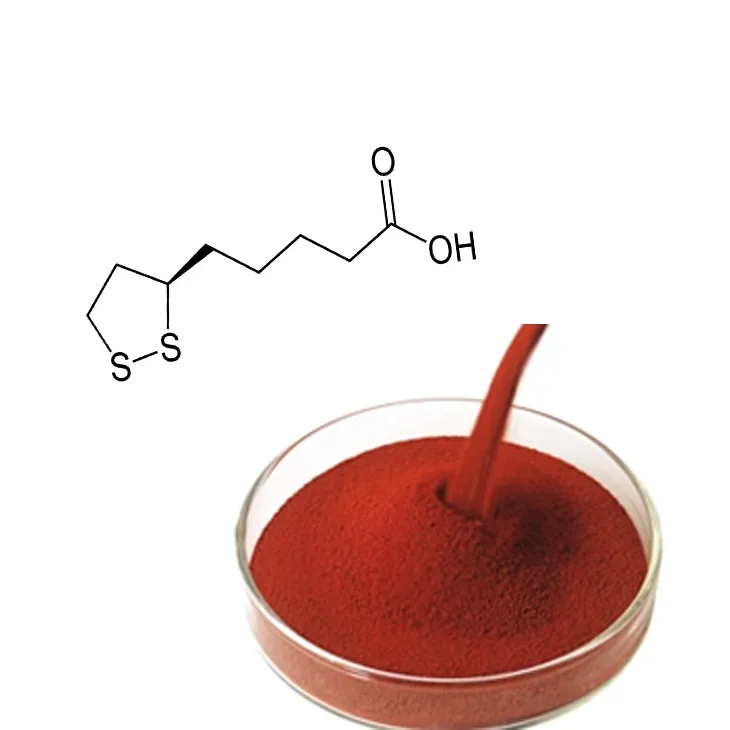
Cultivation of Microalgae
Microalgae cultivation for Astaxanthin production can be carried out in different systems. One common method is the open - pond system. In this system, large, shallow ponds are used to grow the microalgae. The advantage of the open - pond system is its relatively low cost. However, it is also more vulnerable to contamination from other organisms and environmental factors. Another system is the photobioreactor. Photobioreactors are closed systems that provide better control over environmental conditions such as light, temperature, and nutrient supply. This results in higher productivity and purity of the Astaxanthin - producing microalgae, but at a higher cost.Extraction Process

Harvesting the Microalgae
Once the microalgae have reached the optimal growth stage for Astaxanthin production, they need to be harvested. Harvesting methods can include centrifugation, filtration, and flocculation. Centrifugation is a commonly used method, which uses the principle of centrifugal force to separate the microalgae from the growth medium. Filtration involves passing the microalgae suspension through a filter with a specific pore size to retain the microalgae. Flocculation is a process where chemicals are added to the microalgae suspension to cause the microalgae to clump together, making them easier to separate.
Breaking the Cell Wall
After harvesting, the cell wall of the microalgae needs to be broken to release the Astaxanthin. This can be achieved through mechanical methods such as bead milling, high - pressure homogenization, or ultrasonic treatment. Bead milling involves grinding the microalgae cells with small beads in a mill. High - pressure homogenization subjects the microalgae suspension to high - pressure conditions, which causes the cell walls to rupture. Ultrasonic treatment uses ultrasonic waves to break the cell walls.Solvent Extraction
Once the cell walls are broken, solvent extraction is often used to isolate Astaxanthin. Common solvents include hexane, ethanol, and acetone. However, it is important to note that the choice of solvent can affect the purity and quality of the Astaxanthin extract. For example, hexane is a non - polar solvent that can effectively extract non - polar components such as Astaxanthin, but it may also extract other unwanted substances. Ethanol and acetone, being more polar solvents, can have different extraction profiles.Certification of Purity
Importance of Purity Certification
In the wholesale market of pure natural Astaxanthin, purity certification is of utmost importance. Buyers, especially those in the food, pharmaceutical, and skincare industries, require assurance that the Astaxanthin they are purchasing is of high quality and purity. Purity certification helps to build trust between the wholesaler and the buyer and also ensures compliance with regulatory requirements.Certification Bodies and Standards
There are several well - recognized certification bodies that provide purity certifications for Astaxanthin. For example, the United States Pharmacopeia (USP) sets standards for the identity, purity, and quality of Astaxanthin. The Food Chemicals Codex (FCC) also provides guidelines for the purity and quality of Astaxanthin used in the food industry. In addition, some international standards organizations like ISO may also be involved in certifying the production processes and quality management systems related to Astaxanthin production.Diverse Applications
Food Industry
Astaxanthin is used as a natural food colorant in the food industry. It imparts a pinkish - red color to foods such as salmon, trout, and shrimp, making them more visually appealing. Moreover, due to its antioxidant properties, it can also help to preserve the freshness and quality of food products by preventing oxidative rancidity. In addition, Astaxanthin - fortified foods, such as functional foods and dietary supplements, are becoming increasingly popular as consumers are more health - conscious and interested in the potential health benefits of Astaxanthin.Pharmaceutical Industry
In the pharmaceutical industry, Astaxanthin is being studied for its potential therapeutic effects. It has shown promise in areas such as anti - inflammation, eye health, and cardiovascular health. For example, some studies suggest that Astaxanthin may help to reduce inflammation in the body, which is associated with various chronic diseases. In terms of eye health, Astaxanthin may help to protect the eyes from oxidative damage and age - related macular degeneration. For cardiovascular health, it may help to improve blood lipid profiles and reduce the risk of heart disease.Skincare Industry
The antioxidant and anti - inflammatory properties of Astaxanthin make it a valuable ingredient in the skincare industry. It can be used in anti - aging creams, sunscreens, and other skincare products. Astaxanthin helps to protect the skin from UV - induced damage, reduce wrinkles, and improve skin elasticity. It also has the potential to soothe irritated skin and reduce redness.Ensuring a Stable Supply Chain
Quality Control at the Source
Wholesalers need to ensure quality control at the source, which means closely monitoring the cultivation and production processes of microalgae for Astaxanthin. This includes regular testing of the microalgae for purity, growth rate, and Astaxanthin content. Any deviation from the expected standards should be addressed promptly to ensure a consistent supply of high - quality Astaxanthin.Storage and Transportation
Proper storage and transportation are crucial for maintaining the quality of Astaxanthin. Astaxanthin should be stored in a cool, dry, and dark place to prevent degradation. During transportation, it is important to protect the product from exposure to high temperatures, humidity, and sunlight. Wholesalers should use appropriate packaging materials and shipping methods to ensure that the Astaxanthin reaches its destination in optimal condition.Relationship with Suppliers
Building strong relationships with suppliers is essential for a stable supply chain. Wholesalers should work closely with microalgae cultivators and extraction facilities to ensure a reliable supply of Astaxanthin. This may involve long - term contracts, sharing of production data, and joint investment in research and development to improve production processes and product quality.Meeting the Global Demand
Market Trends
The global demand for pure natural Astaxanthin is on the rise. This is driven by factors such as the growing awareness of the health benefits of Astaxanthin, the increasing demand for natural food colorants and ingredients in the food industry, and the expanding skincare and pharmaceutical markets. Wholesalers need to stay updated on these market trends to anticipate changes in demand and adjust their supply strategies accordingly.Expansion and Innovation
To meet the growing global demand, wholesalers may need to consider expansion of their production capacity or partnering with more suppliers. Innovation in extraction techniques, product formulations, and marketing strategies can also help to increase the competitiveness of Astaxanthin in the global market. For example, developing new Astaxanthin - based products for specific consumer needs or improving the efficiency of extraction processes can lead to cost savings and better product quality.Conclusion
The wholesale of pure natural Astaxanthin holds great potential in various industries. Understanding the extraction process, purity certification, applications, and supply chain management is essential for wholesalers to succeed in this market. With the global demand for Astaxanthin increasing, wholesalers have the opportunity to play a significant role in providing high - quality Astaxanthin to meet the needs of different sectors. By focusing on quality control, innovation, and building strong relationships, wholesalers can unlock the full potential of pure natural Astaxanthin and contribute to the growth and development of the industries that rely on this remarkable natural compound.
FAQ:
What are the main sources of pure natural Astaxanthin?
As mentioned in the article, pure natural Astaxanthin is mainly sourced from microalgae. These microalgae are natural organisms that can produce Astaxanthin through their own biological processes.
How is pure natural Astaxanthin extracted?
The extraction process of pure natural Astaxanthin can be complex. Generally, it involves techniques such as cell disruption to release Astaxanthin from the microalgae cells, followed by purification steps to separate Astaxanthin from other components. These steps often require advanced equipment and precise control of parameters to ensure the purity and quality of the extracted Astaxanthin.
What certifications are important for pure natural Astaxanthin to prove its purity?
Certifications like ISO (International Organization for Standardization) standards can be crucial for proving the purity of pure natural Astaxanthin. These certifications ensure that the production and quality control processes meet international standards. Additionally, specific industry - related certifications may also be required depending on the application, such as those related to food safety if it is used in the food sector.
What are the applications of pure natural Astaxanthin in the food industry?
In the food industry, pure natural Astaxanthin can be used as a natural food colorant, giving a vibrant red color to products. It also has potential health - promoting properties, so it can be added to functional foods or dietary supplements. For example, it may be added to fish feed to enhance the color of fish flesh and also provide antioxidant benefits to the fish.
How can wholesalers ensure a stable supply chain for pure natural Astaxanthin?
Wholesalers can ensure a stable supply chain for pure natural Astaxanthin in several ways. They can establish long - term contracts with reliable producers. This helps in securing a consistent source of the product. Also, they can invest in inventory management systems to monitor stock levels and forecast demand accurately. Additionally, collaborating with multiple producers in different regions can reduce the risk of supply disruptions due to local issues such as climate change or natural disasters.
Related literature
- The Production and Applications of Astaxanthin from Microalgae"
- "Astaxanthin: A Potent Antioxidant in the Natural Product Realm"
- "Certification Standards for Natural Astaxanthin in the Global Market"


-

Baicalin
2024-12-07
-

Sugarcane Extract
2024-12-07
-

Rutin
2024-12-07
-

Phyllanthus Emblica Extract
2024-12-07
-

Acerola Extract
2024-12-07
-

L-Arginine alpha-ketoglutarate
2024-12-07
-

Hops Extract
2024-12-07
-

Mulberry leaf Extract
2024-12-07
-

Dan Shen Root Extract/Salvia Root Extract
2024-12-07
-

Grapefruit Seed Extract Powder
2024-12-07